
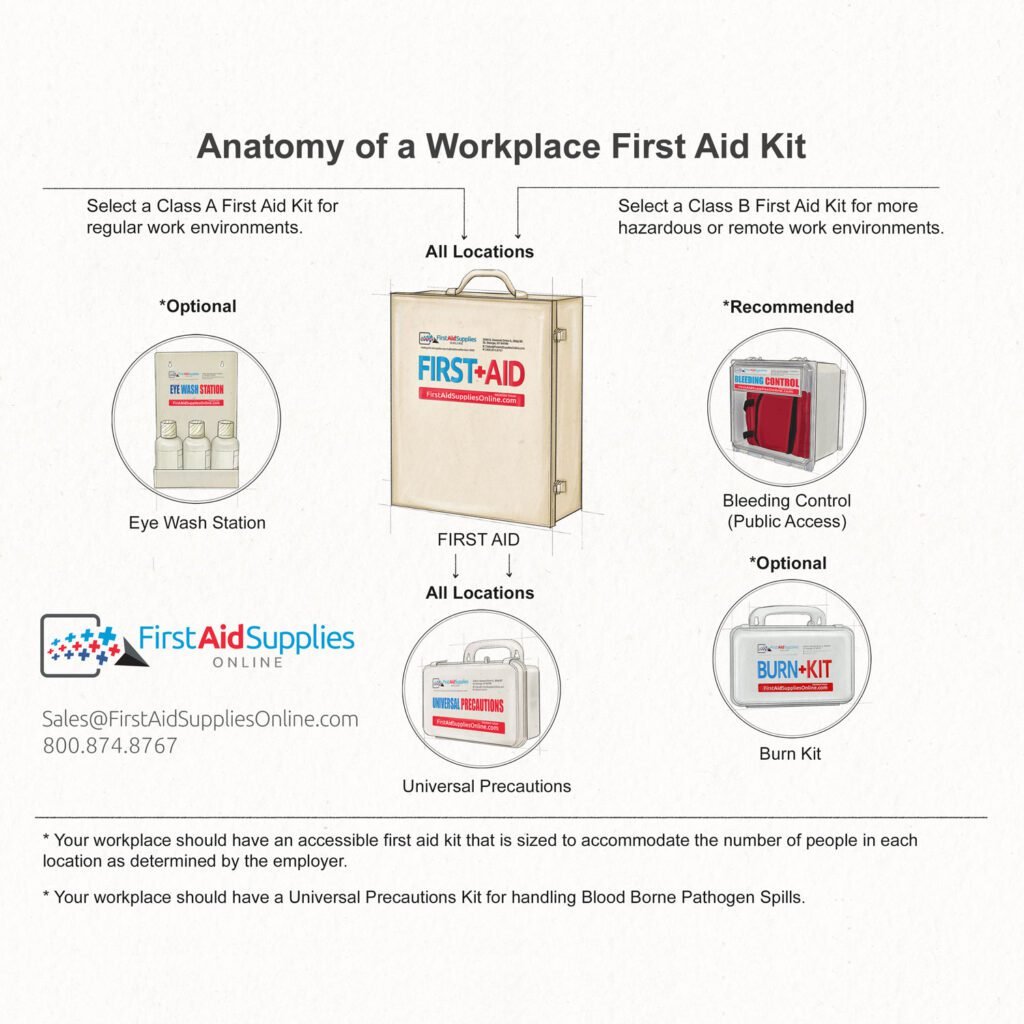
When it comes to keeping yourself and others safe, having the right first aid kit is crucial. But how do you choose between a Class A and a Class B first aid kit?
You might think they’re just labels, but the difference could make a big impact when an emergency strikes. You’ll discover exactly what sets these kits apart and which one fits your needs best. By the end, you’ll feel confident knowing your first aid kit is ready to handle any situation.
Keep reading to make sure your safety is never left to chance.

Credit: www.prostatfa.com
Class A First Aid Kits
Class A First Aid Kits are essential for minor injuries. They contain basic supplies to handle cuts, scrapes, and small burns. These kits are perfect for environments where accidents are likely but not severe.
Contents And Supplies
Class A kits include essential items for quick treatment. Bandages of various sizes help cover wounds. Adhesive tape secures bandages in place. Antiseptic wipes clean the injured area. Scissors cut tape or bandages easily. Tweezers remove splinters or debris from wounds. Cold packs reduce swelling or discomfort. Gauze pads absorb blood and keep wounds clean.
Intended Usage
Class A kits treat minor injuries effectively. Ideal for cuts, scrapes, and small burns. Suitable for workplaces with low-risk environments. Useful in homes for everyday mishaps. They provide immediate care before professional help arrives.
Common Settings
Class A kits are common in offices. Also found in schools and small businesses. Perfect for homes with active families. Suitable for community centers. Useful in places with low-risk activities. Ideal for locations with minimal hazards.
Class B First Aid Kits
Class B First Aid Kits are designed for workplaces with moderate to high risk of injuries. They contain more supplies than Class A kits to handle a wider range of emergencies. These kits are essential for settings with more potential hazards and larger groups of people.
Contents And Supplies
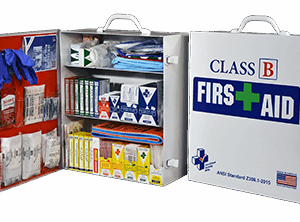
Class B kits include everything found in Class A kits plus extra items. They usually contain:
- Adhesive bandages in various sizes
- Antiseptic wipes and ointments
- Sterile gauze pads and roller bandages
- Elastic bandages for sprains
- Burn dressings and eye wash
- Cold packs and triangular bandages
- More advanced tools like scissors and tweezers
- CPR masks and disposable gloves
Intended Usage
These kits are meant for workplaces with moderate injury risks. They cover cuts, scrapes, burns, and sprains. They also help with eye injuries and more serious wounds. Class B kits prepare staff to treat a variety of emergencies quickly.
Common Settings
Class B First Aid Kits fit places such as:
- Warehouses and factories
- Construction sites
- Schools and gyms
- Commercial kitchens
- Offices with many employees
These environments need more comprehensive kits due to higher injury chances.
Key Differences
Class A and Class B first aid kits serve different needs. Knowing their key differences helps in choosing the right kit. These differences lie in supplies, usage, and regulatory rules.
Supply Variations
Class A kits contain basic items for minor injuries. They include bandages, antiseptics, and small tools. Class B kits hold more advanced supplies. These kits have burn dressings, splints, and extra large bandages. Class B kits prepare for serious injuries or longer first aid care.
Usage Scenarios
Class A kits are common in offices and small workplaces. They suit places with low risk of injury. Class B kits fit industrial sites and high-risk areas. They serve workers exposed to heavy machinery or hazardous materials. Choosing the right kit depends on the environment and potential injuries.
Regulatory Standards
Class A kits follow basic safety standards. They meet OSHA requirements for low-risk workplaces. Class B kits comply with stricter rules. These rules cover high-risk industries and specific hazards. Employers must select kits that meet these legal standards to ensure workplace safety.
Choosing The Right Kit
Choosing the right first aid kit ensures safety and readiness in any workplace. The choice between Class A and Class B kits depends on many factors. Understanding these will help pick the best option for your environment.
Assessing Workplace Needs
Consider the type of injuries that may occur at your workplace. Class A kits suit low-risk environments like offices or retail stores. Class B kits are better for high-risk areas, such as factories or construction sites. Evaluate the number of employees and the size of the work area. This helps determine how many kits and what supplies to include.
Compliance Requirements
Workplace safety laws often dictate the type of first aid kit needed. Check local regulations to ensure compliance. Some industries require specific kits or extra supplies. Meeting these rules avoids penalties and promotes a safe work environment. Regularly update kits to keep them compliant with changing standards.
Budget Considerations
Balance cost with the level of protection needed. Class A kits are usually less expensive but may lack supplies for severe injuries. Class B kits cost more but offer better coverage for serious incidents. Think about long-term value rather than just upfront price. Investing in the right kit can reduce injury impact and save money over time.
Maintenance And Restocking
Proper maintenance and restocking keep first aid kits ready for any emergency. Class A and Class B kits differ in size and contents, so their upkeep varies slightly. Regular checks ensure supplies remain complete and effective. Neglect can lead to missing or expired items, risking safety during urgent needs.
Inspection Frequency
Check Class A kits monthly due to their basic supplies. Class B kits, with more items, need inspection every two weeks. Frequent checks catch missing or damaged items early. Use a checklist to make inspections thorough and consistent.
Replacing Expired Items
Medical supplies lose effectiveness after expiration. Replace all expired items immediately to keep kits reliable. Dispose of outdated materials safely. Stock new items matching the original specifications. Check expiry dates during every inspection.
Record Keeping
Keep a log of inspections and restocking activities. Record dates, missing items, and replacements clearly. Use simple forms or digital tools for tracking. Good records help spot patterns and improve maintenance. Share logs with responsible staff for accountability.
Credit: certifiedsafetymfg.com
Additional Resources
Knowing the differences between Class A and Class B first aid kits is just the start. To really prepare yourself, you need extra resources that help you understand how to use these kits effectively and where to get them. This section guides you through valuable training options and trusted suppliers to make your purchase and use smarter.
Training And Certification
Owning a first aid kit is only useful if you know how to use it properly. Many local organizations and online platforms offer first aid training that covers everything from basic wound care to CPR.
Look for courses certified by reputable bodies like the American Red Cross or St. John Ambulance. These programs often include hands-on practice with Class A and Class B supplies, which can boost your confidence in emergencies.
Have you ever wondered how a simple skill could make the difference between panic and calm during an accident? Getting certified ensures you’re ready to act, not just equipped.
Supplier Recommendations
Finding reliable suppliers for first aid kits can be tricky. Some companies specialize in workplace safety, while others focus on home or outdoor kits.
- Red Cross Store:Known for quality and compliance with safety standards.
- SafetyPro:Offers customizable kits suitable for various environments.
- Amazon:Convenient, with user reviews to help gauge kit effectiveness.
Always check if the supplier provides clear information about the kit’s contents and expiration dates. This helps avoid surprises when you need the kit most.
Have you checked your current kit’s supplier? Choosing the right source can save time and ensure you get exactly what’s required for your situation.

Credit: www.amazon.com
Frequently Asked Questions
What Is The Difference Between Class A And Class B First Aid Kits?
Class A kits cover common workplace injuries with basic supplies. Class B kits contain extra items for complex or high-risk injuries. The main difference lies in their content and intended use, with Class B being more comprehensive.
Which First Aid Kit Is Suitable For Office Use?
Class A first aid kits are ideal for offices with low-risk environments. They include essential items to treat minor cuts and burns. Class B kits are better for workplaces with higher injury risks or specialized needs.
Are Class B Kits Required By Law In Some Workplaces?
Yes, certain high-risk workplaces must have Class B kits by law. These kits provide advanced supplies for serious injuries. Compliance depends on local regulations and the nature of the workplace hazards.
Can Class A Kits Handle Severe Injuries Effectively?
Class A kits are designed for minor injuries and basic first aid. They may not have enough supplies for severe or complex injuries. For serious incidents, Class B kits or professional medical help is recommended.
Conclusion
Choosing between Class A and Class B first aid kits depends on your needs. Class A kits suit common injuries like cuts and scrapes. Class B kits cover more serious wounds and emergencies. Think about where and how you will use the kit.
Keep your first aid supplies up to date and ready. Being prepared can make a big difference in an emergency. Stay safe by picking the right kit for your situation.

I’m Abby Lu, a passionate home cook who loves simplifying everyday meals. At PlugChef.com, I share product reviews and cooking guides to help you find the best tools for your kitchen.
Related posts:
 What Type of Cooking Utensils are Safe: Expert Picks
 What Innovations Could Blenders Make: Unleashing Future Tech
 Smart Strategies to Organize a Small Kitchen: Maximize Space
 How to Organize a Kitchen Cabinet: Expert Tips & Tricks
 How to Organize Kitchen Drawers: Expert Tips and Tricks
 How to Organize a Corner Kitchen Cupboard: Expert Tips

