
Imagine reaching for your first aid kit in an emergency, only to find it missing essential items. That moment of panic can be avoided.
With the right First Aid Kit Checklist Template, you can make sure your kit is always ready to handle any situation. This simple tool helps you stay organized and confident, knowing you have everything you need when it matters most.
Keep reading to discover how to create the perfect checklist that fits your needs and keeps you prepared at all times.
Credit: www.etsy.com
Basic Supplies
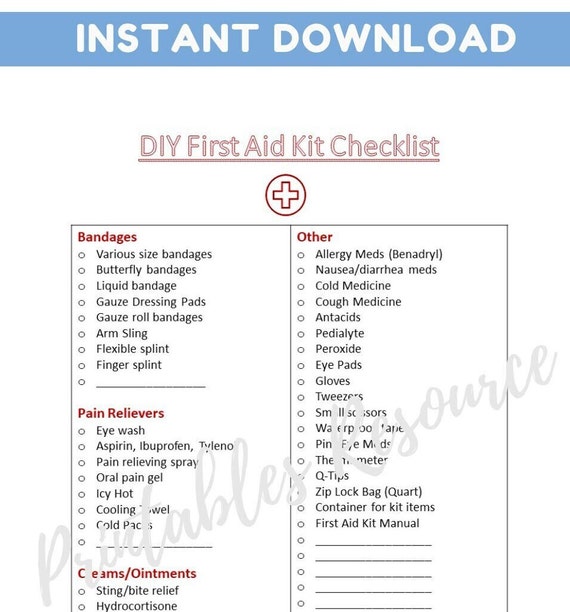
Your first aid kit is your first line of defense in emergencies. A well-stocked kit ensures you can handle minor injuries and illnesses effectively. When assembling a first aid kit, it’s essential to include all the basic supplies that can help you respond quickly to unexpected situations.
Bandages And Dressings
Bandages and dressings are the backbone of any first aid kit. They help you manage cuts, scrapes, and wounds by covering them to prevent infection. Consider adding a variety of sizes, including adhesive bandages, gauze pads, and roller bandages.
- Adhesive bandages (various sizes)
- Sterile gauze pads
- Roller bandages
- Triangular bandages
It’s amazing how a simple bandage can prevent further complications. Have you ever found yourself wishing you had just the right size when accidents happen?
Antiseptics And Ointments
Keeping wounds clean is crucial in preventing infections. Antiseptics and ointments are essential to sanitize cuts and scrapes before bandaging. A small tube of antibiotic ointment can make a world of difference in healing.
- Antiseptic wipes
- Antibiotic ointment
- Hydrogen peroxide or alcohol wipes
Imagine the relief of knowing you’re equipped to clean a wound right away. Are these vital supplies part of your kit?
Tools And Instruments
Having the right tools can significantly improve your ability to administer first aid. Scissors, tweezers, and a digital thermometer are just a few of the instruments you should include. These tools help you perform precise tasks like cutting tape, removing splinters, or checking a fever.
- Medical scissors
- Tweezers
- Digital thermometer
- Safety pins
Consider this: Would you be able to manage a splinter or cut bandage without these tools? Their presence can be the difference between a quick fix and a lingering problem.
Ensuring your first aid kit is complete with these basic supplies can make all the difference during emergencies. Take a moment to assess your kit now—are you truly prepared?
Credit: www.etsy.com
Medications
Medications are essential in any first aid kit checklist template. They help treat common illnesses and manage minor health issues promptly. Keeping a variety of medicines ensures readiness for different emergencies.
Medications should be stored properly to maintain their effectiveness. Check expiration dates often and replace expired items. Organize medicines clearly for quick access during emergencies.
Pain Relievers
Pain relievers reduce discomfort from injuries or illnesses. Include options suitable for adults and children. Common choices are:
- Acetaminophen (Tylenol)
- Ibuprofen (Advil, Motrin)
- Aspirin (note: avoid giving aspirin to children)
These medicines help with headaches, muscle pain, and fever.
Allergy Medications
Allergy medications prevent or ease allergic reactions. They are critical for people sensitive to certain triggers. Important items include:
- Antihistamines like diphenhydramine (Benadryl)
- Loratadine or cetirizine for non-drowsy relief
- An epinephrine auto-injector (EpiPen) for severe allergies
Always know how to use allergy medicines safely.
Specialty Medications
Specialty medications address unique health needs. Tailor this section based on individual requirements. Examples include:
- Inhalers for asthma
- Insulin for diabetes
- Prescription medicines for chronic conditions
Keep clear instructions and extra supplies for these medications.
Emergency Items
Emergency items are the backbone of any first aid kit. They prepare you to act swiftly and effectively when every second counts. Having the right tools on hand can reduce panic and increase your confidence during a medical emergency.
Cpr Mask And Gloves
Carrying a CPR mask in your first aid kit protects both you and the victim during rescue breaths. It creates a barrier that prevents direct contact with bodily fluids.
Disposable gloves are essential for hygiene and safety. They help avoid contamination and keep you safe from infections while treating wounds or handling blood.
Have you ever hesitated to give CPR because of fear of germs? A mask and gloves remove that barrier and enable you to act fast.
Thermal Blanket
A thermal blanket is lightweight yet powerful. It helps retain body heat, which is crucial for preventing hypothermia after shock or injury.
These blankets don’t just keep you warm—they can also shield you from wind and rain. You might not expect to need one, but when you do, it’s a lifesaver.
Ask yourself: could a simple blanket make a difference in an emergency you might face?
Emergency Contact Info
Having emergency contact information readily available can speed up help. Include numbers for family, doctors, and local emergency services.
Keep this info in a waterproof sleeve or write it on a card inside your kit. It’s easy to overlook, but it’s often the most crucial piece of the puzzle.
Would you know who to call if you were injured and alone? Preparing this info ahead of time can make that call quicker and less stressful.
Credit: www.checklistinn.com
Personal Care Items
Personal care items in a first aid kit help treat common small injuries fast. These items protect sensitive areas and relieve pain. Keeping them handy makes first aid easier and safer for everyone.
Eye Care
Eye injuries need gentle and quick attention. Include sterile eye wash solution to flush out dirt or chemicals. Eye pads and eye cups protect the eye during recovery. Avoid rubbing the eye to prevent more damage.
Burn Relief
Burns cause pain and skin damage instantly. Cooling gel or burn cream soothes the affected skin. Use non-stick burn dressings to cover wounds without pain. Keep items sterile to avoid infection and speed healing.
Insect Bite Treatment
Insect bites can cause itching and swelling. Antihistamine cream helps reduce allergic reactions and itching. Use antiseptic wipes to clean the bite area. Cold packs reduce swelling and ease discomfort quickly.
Storage And Maintenance
Proper storage and maintenance keep your first aid kit ready for emergencies. A well-organized kit saves time and reduces stress during urgent moments. Regular checks and restocking ensure items do not expire or run out. This section covers how to organize, check expiration dates, and restock your kit effectively.
Organizing Your Kit
Sort items by type and use in clear compartments or small bags. Group essentials like bandages, ointments, and tools separately. Use labels for quick identification. Keep frequently used supplies at the top for easy access. A tidy kit prevents confusion and speeds up treatment.
Expiration Date Checks
Check all medicines, ointments, and sterile items for expiration dates. Discard any expired products immediately. Mark the date of the last check on a label inside the kit. Schedule monthly or quarterly reviews to stay updated. Expired items can lose effectiveness or cause harm.
Restocking Tips
Create a checklist of all kit contents to track what you need. After use, replace items promptly to keep the kit complete. Buy extra supplies to avoid running low during emergencies. Store the kit in a cool, dry place to protect contents. Regular restocking keeps your kit reliable and safe.
Frequently Asked Questions
What Essential Items Belong In A First Aid Kit Checklist?
A first aid kit checklist includes bandages, antiseptic wipes, gauze pads, adhesive tape, scissors, tweezers, gloves, and pain relievers. These items help treat minor injuries and prevent infections quickly and effectively.
How Often Should I Update My First Aid Kit Checklist?
Update your first aid kit checklist every six months. Check for expired items, replace used or damaged supplies, and restock essentials to ensure readiness during emergencies.
Can A First Aid Kit Checklist Vary By Location Or Activity?
Yes, customize your first aid kit checklist based on location and activity. Include insect repellent for outdoors or allergy medicine for specific health needs to stay prepared.
Why Use A First Aid Kit Checklist Template?
A first aid kit checklist template ensures you include all necessary supplies. It saves time, improves organization, and guarantees you don’t miss critical items during emergencies.
Conclusion
A first aid kit checklist keeps you ready for emergencies. It helps you gather all important items quickly. Use the template to check supplies often. Replace expired or used products right away. A well-stocked kit can make a big difference.
Stay safe by being prepared at home or travel. Keep your kit organized and easy to find. Simple steps like these bring peace of mind. Start building your kit today for better safety tomorrow.

I’m Abby Lu, a passionate home cook who loves simplifying everyday meals. At PlugChef.com, I share product reviews and cooking guides to help you find the best tools for your kitchen.
Related posts:
 What Type of Cooking Utensils are Safe: Expert Picks
 What Innovations Could Blenders Make: Unleashing Future Tech
 Smart Strategies to Organize a Small Kitchen: Maximize Space
 How to Organize a Kitchen Cabinet: Expert Tips & Tricks
 How to Organize Kitchen Drawers: Expert Tips and Tricks
 How to Organize a Corner Kitchen Cupboard: Expert Tips

