
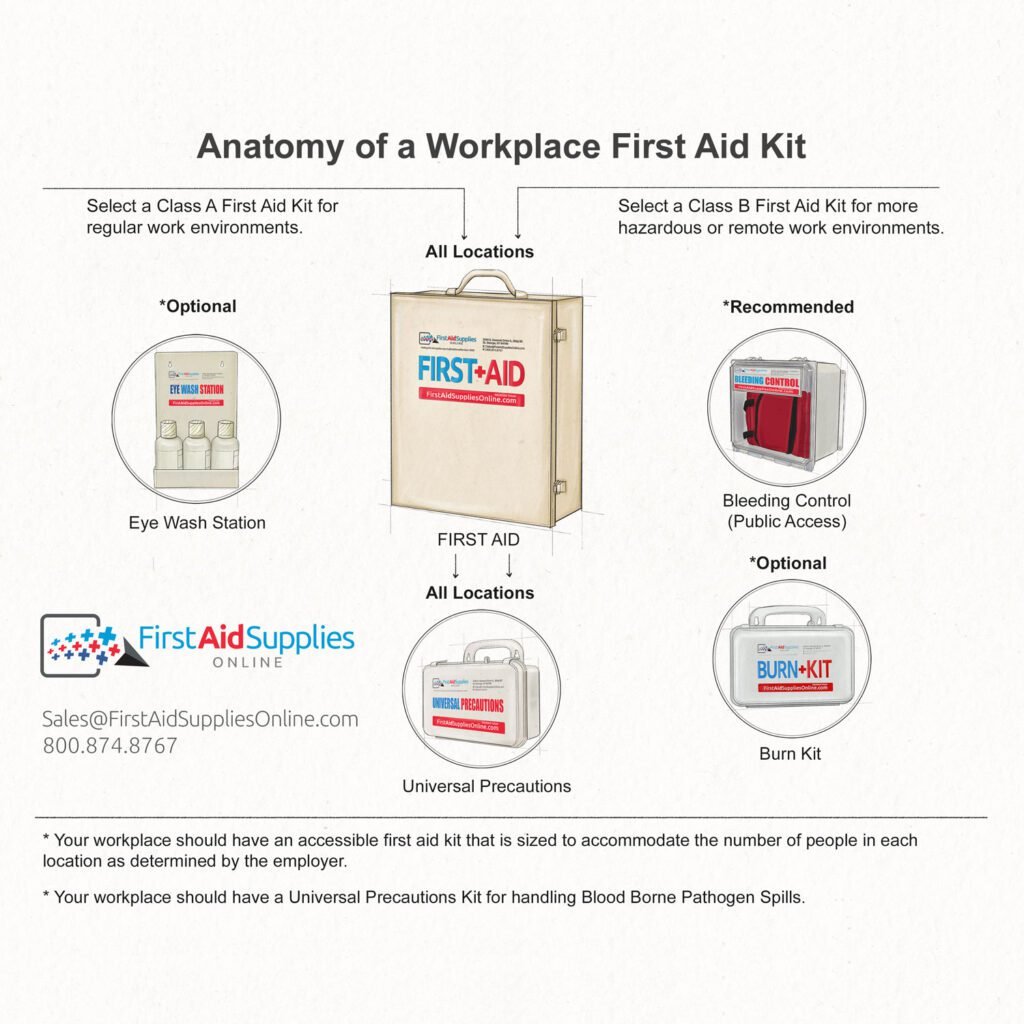
Imagine this: an accident happens at your workplace, and the first thing you reach for is a well-stocked first aid kit. But do you know exactly what should be inside that kit to keep you and your team safe?
If you’re unsure about the workplace first aid kit requirements, you’re not alone—and that’s why this article is for you. By understanding what must be included, you can be prepared for emergencies and protect everyone around you. Keep reading, because your knowledge right now could make all the difference when it really counts.

Credit: www.safetybuyer.com
Legal First Aid Kit Standards
Understanding legal first aid kit standards is crucial for maintaining a safe workplace environment. These standards ensure that employees have access to necessary supplies during emergencies, aligning with both safety and legal obligations. But what exactly do these standards entail, and how can you ensure compliance?
Regulations By Region
The legal requirements for workplace first aid kits can vary significantly across different regions. In the United States, OSHA provides guidelines, but states may have additional mandates. For example, California has more stringent rules that require specific items in first aid kits. Meanwhile, in the UK, the Health and Safety Executive (HSE) provides detailed recommendations based on workplace size and risk levels.
Are you aware of your region’s specific regulations? It’s essential to regularly review and update your first aid kit according to regional standards. Missing a crucial item could lead to fines or worse, be unprepared in an emergency.
Employer Responsibilities
Employers play a pivotal role in ensuring workplace safety. This includes providing well-stocked and accessible first aid kits. It’s not just about buying supplies; you need to regularly check their condition and expiry dates.
Training employees on how to use the first aid kit is equally important. Imagine an emergency where no one knows how to apply a bandage or use a defibrillator. Regular training sessions can prevent this scenario. As an employer, you should also appoint a designated person responsible for maintaining the kit.
Compliance Tips
Maintaining compliance is easier with a strategic approach. Start by creating a checklist of all required items based on your region’s regulations. This helps ensure nothing is overlooked during regular inspections.
- Schedule routine checks to replace expired or used items.
- Engage employees in safety drills to familiarize them with the kit’s contents.
- Document all safety training and inspections to keep track of compliance efforts.
Have you considered leveraging technology for compliance? Using apps to track expiry dates and inventory can streamline the process, ensuring your kit is always up to standard.
By taking these steps, you not only comply with legal standards but also foster a safer workplace environment. Are you ready to make your workplace safer?
Core First Aid Supplies
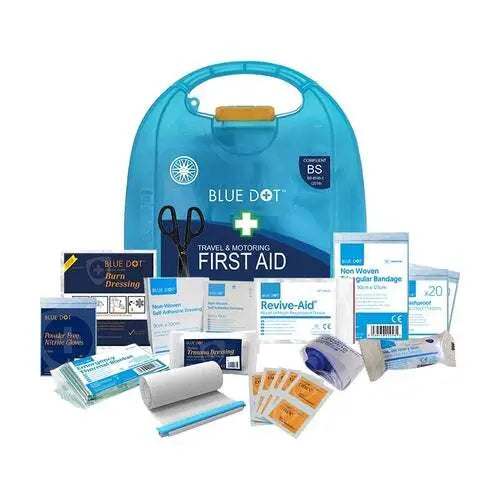
Core first aid supplies form the backbone of any workplace first aid kit. These items help treat minor injuries and stabilize serious wounds. Every kit must include essential materials that cover common emergencies. Proper supplies ensure quick response and reduce risk of infection or complications.
Bandages And Dressings
Bandages and dressings protect wounds from dirt and bacteria. They stop bleeding and support healing. Include various sizes and types:
- Adhesive bandages for small cuts and scrapes
- Sterile gauze pads for covering larger wounds
- Roller bandages for securing dressings in place
- Elastic bandages for sprains and strains
Keep these clean and ready for use at all times.
Antiseptics And Ointments
Antiseptics kill germs and prevent infections. Ointments soothe wounds and speed healing. Key items include:
- Antiseptic wipes or solutions like alcohol or iodine
- Antibiotic ointments to protect cuts and burns
- Burn creams to reduce pain and damage
Use these carefully following instructions to avoid irritation.
Tools And Equipment
Tools assist in proper wound care and emergency aid. Essential tools include:
- Scissors to cut bandages and clothing
- Tweezers to remove splinters or debris
- Disposable gloves for hygiene and safety
- CPR face shield or mask for resuscitation
- Instant cold packs to reduce swelling
Check tools regularly and replace if damaged or expired.
Specialized Items For Workplace Hazards
Workplaces often face unique hazards that require more than just basic first aid supplies. Specialized items tailored to these risks can make a crucial difference during emergencies. Knowing exactly what to include in your first aid kit helps you respond quickly and effectively, protecting everyone around you.
Burn Care Supplies
Burn injuries are common in many workplaces, especially in kitchens, factories, and labs. Your first aid kit should have burn dressings, hydrogel sheets, and sterile gauze to cool and protect the affected area. Including a burn relief spray or cream can also ease pain and reduce damage.
Think about your work environment—are there hot surfaces, chemicals, or open flames? Adding specialized burn supplies based on these risks can prevent minor burns from turning into serious injuries.
Eye Wash Solutions
Eye injuries happen fast and can cause lasting damage if not treated immediately. A sealed eye wash solution or sterile saline is essential for flushing out dust, chemicals, or debris. Keep these solutions easily accessible and ensure they are within their expiration date.
Have you ever seen someone struggle to find eye wash during an accident? Quick access to eye wash bottles or stations can save vision and prevent panic in a crisis.
Cpr And Rescue Devices
Cardiac emergencies require immediate action with proper equipment. Your workplace first aid kit should include a CPR mask with a one-way valve to protect you while performing rescue breaths. Automated External Defibrillators (AEDs) are also invaluable tools that can restart a heart in critical situations.
Do you know where your workplace’s CPR devices are located? Regular training on using these tools can boost confidence and improve survival rates during emergencies.

Credit: www.amazon.com
Kit Size And Accessibility
Choosing the right size and placement for your workplace first aid kit can make all the difference in an emergency. If the kit is too small, you might run out of essential supplies when you need them most. On the other hand, a kit that’s too large could be cumbersome and discourage quick access.
Determining Kit Size
Think about the number of employees and the types of risks in your workplace. A small office with minimal hazards might only need a basic kit. However, a construction site or factory requires a larger kit stocked with specialized items like burn creams and eye wash solutions.
Also, consider if your workplace has multiple shifts or remote areas. You may need more than one kit or an expanded size to cover all locations. A good rule is to check your past incidents to understand what supplies are often used.
Strategic Placement
Placing the kit in a visible and easy-to-reach spot is crucial. It should be near high-risk areas like kitchens, workshops, or machine rooms. Avoid hidden cabinets or locked rooms that delay access during emergencies.
Mark the location clearly with signage so everyone knows where to find it instantly. You can even involve your team in deciding the best spots—this ensures they feel confident reaching the kit when needed.
Accessibility For All Employees
Accessibility means more than just location—it’s about making sure every employee can reach and use the kit. Keep it at a height accessible to everyone, including those with disabilities. Avoid placing kits on high shelves or behind obstacles.
Consider language and instruction clarity. Including pictorial guides helps non-native speakers or anyone unfamiliar with first aid procedures. Have you checked recently if your kit’s accessibility meets the diverse needs of your team?
Maintenance And Restocking
Maintaining and restocking workplace first aid kits ensures they are always ready for emergencies. Regular care helps prevent expired or missing items. This process keeps the kit reliable and compliant with safety standards. Proper maintenance saves time during urgent situations and supports employee safety.
Regular Inspection Routines
Inspect the first aid kit at least once a month. Check for damaged or used items. Note items running low or missing. Keep a checklist to track inspections and findings. Assign a responsible person for regular checks. Store the kit in an accessible, visible place.
Expiration Date Management
Check expiration dates on all supplies carefully. Dispose of expired items safely and replace them promptly. Use a system to mark expiration dates clearly. Rotate supplies to use older items first. Expired products can lose effectiveness or become unsafe.
Restocking Best Practices
Restock the kit immediately after use or inspection. Use a standard list to ensure all items are replaced. Buy supplies from reputable sources. Keep extra stock of common items on hand. Train staff to report when the kit needs restocking.
Credit: www.firstaidwarehouse.co.uk
Training And Usage Guidelines
Training and clear guidelines are crucial for effective first aid in the workplace. Employees must know how to use the first aid kit quickly and correctly. Proper training reduces panic and speeds up response times. This section covers essential training and usage tips to keep everyone safe.
Employee First Aid Training
All employees should receive basic first aid training. This training includes how to treat common injuries and when to call for help. Regular refreshers keep skills sharp and knowledge current. Training should cover:
- Identifying different types of injuries
- Using first aid supplies correctly
- Performing CPR and other emergency techniques
- Knowing when to seek professional medical help
Proper Kit Usage
Knowing the contents of the first aid kit is essential. Each item has a specific use and must be used correctly. Follow these tips for proper usage:
- Read labels and instructions on all supplies
- Use gloves and other protective gear to avoid contamination
- Replace used or expired items immediately
- Keep the kit in an easily accessible location
Emergency Response Planning
A clear emergency plan improves first aid effectiveness. The plan should detail roles and steps to follow during an incident. Key elements include:
- Assigning trained first aid responders
- Communicating emergencies clearly and quickly
- Designating safe areas for treatment
- Regularly reviewing and practicing the plan
Frequently Asked Questions
What Items Must A Workplace First Aid Kit Contain?
A workplace first aid kit must include bandages, antiseptics, gloves, scissors, and adhesive tape. It should also have sterile dressings, eye wash, and a first aid manual to handle common injuries effectively.
How Often Should Workplace First Aid Kits Be Checked?
Workplace first aid kits should be checked monthly. Regular inspections ensure all items are stocked, unexpired, and ready for emergencies, maintaining workplace safety and compliance.
Who Is Responsible For Maintaining The First Aid Kit?
Employers are responsible for maintaining workplace first aid kits. They must ensure kits are accessible, stocked, and comply with local health and safety regulations.
Are Workplace First Aid Kits Required By Law?
Yes, many countries legally require workplaces to have first aid kits. Regulations vary, so employers must follow specific local laws to ensure compliance and safety.
Conclusion
A well-stocked first aid kit keeps workers safe and prepared. Every workplace needs to follow the right kit requirements. This helps handle minor injuries quickly and reduces risks. Regular checks ensure the kit stays complete and ready to use. Train employees to know where the kit is and how to use it.
Safety starts with being ready for any small emergency. A proper first aid kit is a simple step toward a safer work environment.

I’m Abby Lu, a passionate home cook who loves simplifying everyday meals. At PlugChef.com, I share product reviews and cooking guides to help you find the best tools for your kitchen.
Related posts:
 What Type of Cooking Utensils are Safe: Expert Picks
 What Innovations Could Blenders Make: Unleashing Future Tech
 Smart Strategies to Organize a Small Kitchen: Maximize Space
 How to Organize a Kitchen Cabinet: Expert Tips & Tricks
 How to Organize Kitchen Drawers: Expert Tips and Tricks
 How to Organize a Corner Kitchen Cupboard: Expert Tips

