
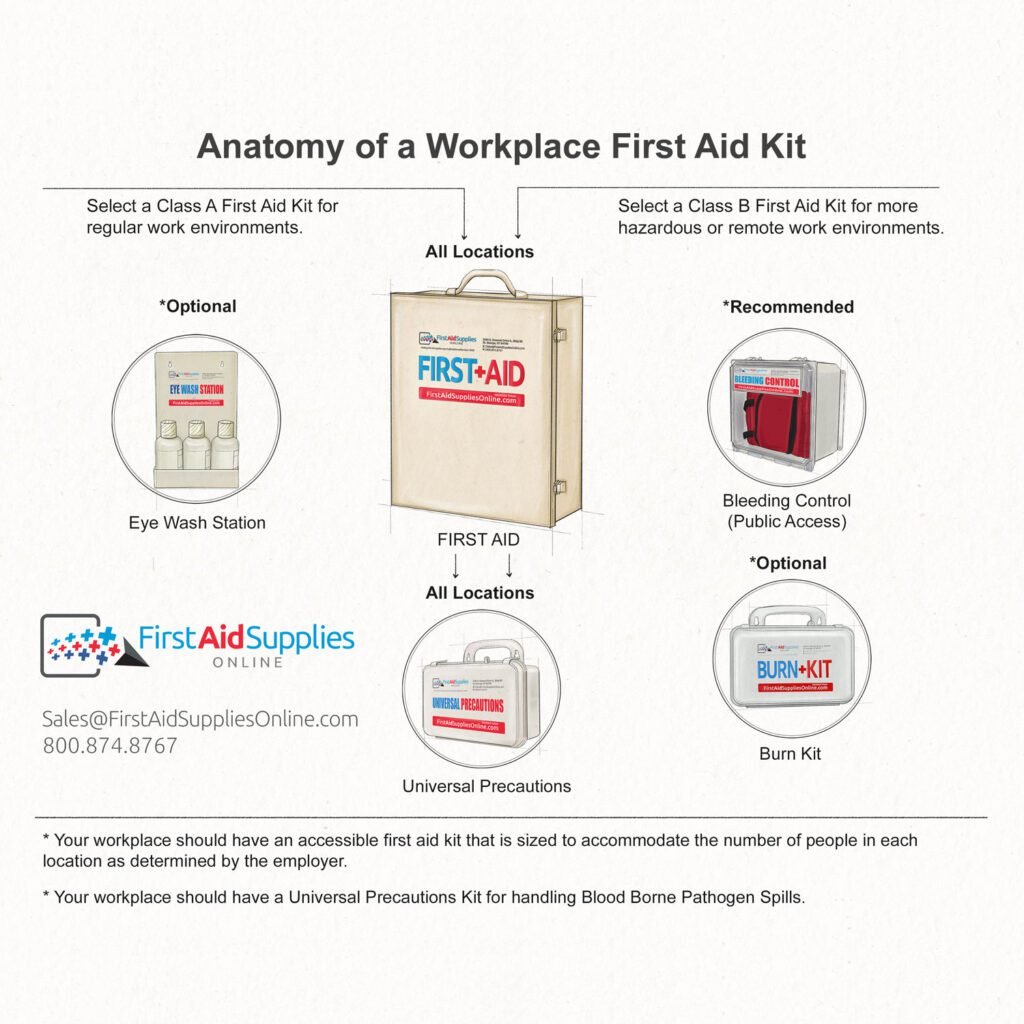
Are you sure your first aid kit meets all the Class A requirements? When an emergency strikes, having the right supplies can make all the difference.
Knowing exactly what should be in your kit ensures you’re ready to handle common injuries quickly and confidently. You’ll discover the essential items your Class A first aid kit must have, why each one matters, and how to keep your kit up to date.
Don’t leave your safety to chance—read on and get prepared the right way.
Class A First Aid Kit Basics
Understanding the basics of a Class A First Aid Kit is crucial. These kits are designed for general workplaces with minimal hazards. They provide essential medical supplies for treating common injuries. Knowing the contents and purpose can help ensure safety in any environment.
Kit Purpose And Usage
The Class A First Aid Kit serves a specific purpose. It addresses basic medical needs in low-risk workplaces. These kits are equipped to handle minor injuries. Bandages, antiseptics, and gauze are common items. They are used to treat cuts and scrapes effectively. The kit’s usage is straightforward, aiding in quick responses. It allows immediate care before professional help arrives.
Who Needs A Class A Kit
Not every workplace requires a Class A First Aid Kit. It is ideal for offices, retail stores, and similar environments. Any setting with minimal health risks can benefit from it. Small businesses often choose this kit for its simplicity. Employees should know how to use the kit properly. Training ensures everyone is prepared for emergencies. Having a Class A kit is a proactive safety measure.

Credit: certifiedsafetymfg.com
Mandatory Kit Contents
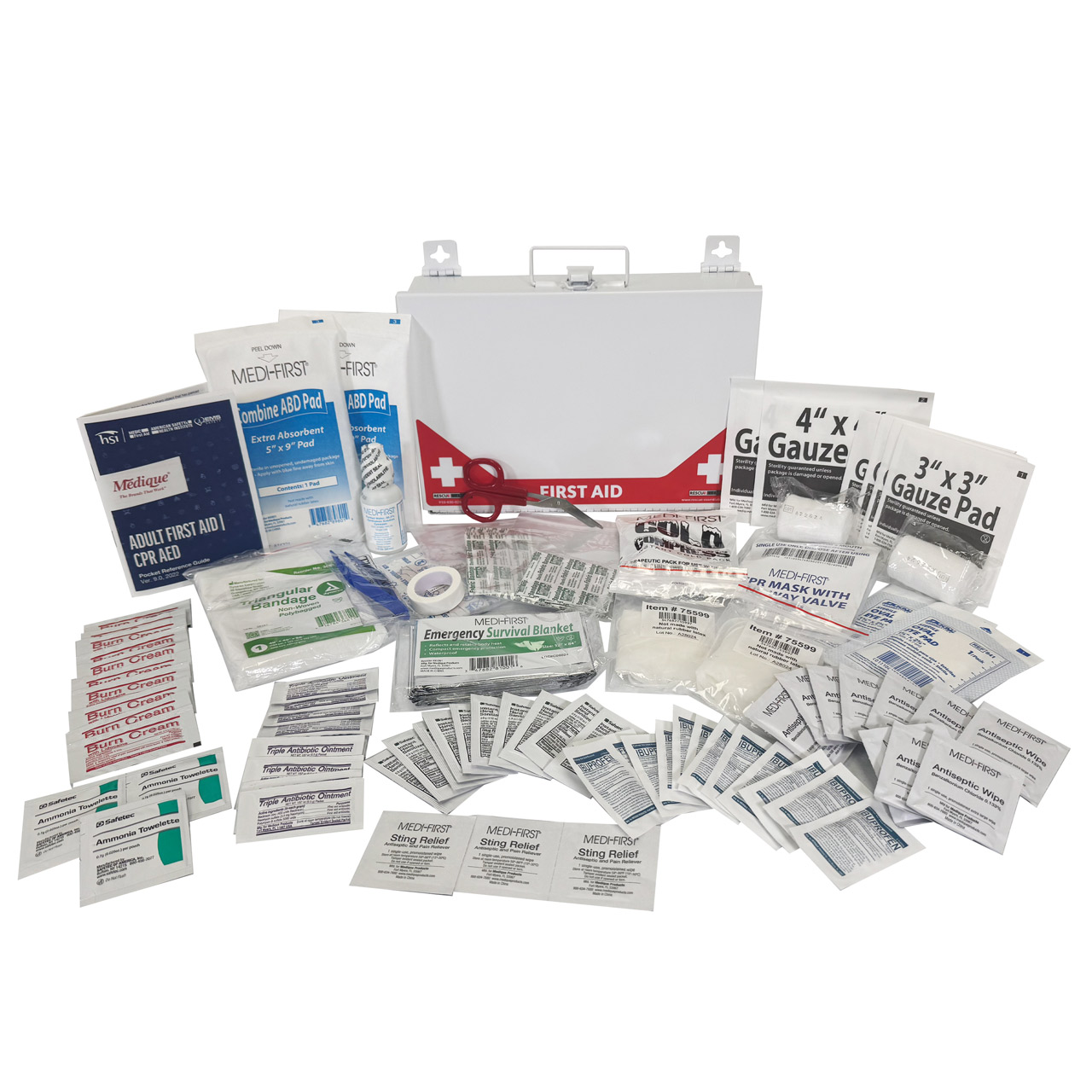
The mandatory contents of a Class A First Aid Kit are designed to cover the most common minor injuries you might face daily. Having the right supplies ensures you can respond quickly and effectively. Missing even one crucial item could delay treatment and make a small injury worse.
Bandages And Dressings
Bandages and dressings are the backbone of any first aid kit. Your kit should include various sizes of adhesive bandages to cover small cuts and grazes. Sterile gauze pads and conforming bandages are essential for larger wounds that need more protection and pressure to stop bleeding.
Don’t forget adhesive tape to secure dressings firmly in place. Elastic bandages can also be vital for sprains or supporting injured joints. Think about your everyday risks—would a simple plaster suffice, or do you need more substantial wound coverage?
Antiseptics And Ointments
Cleaning wounds properly is critical to prevent infection. Your kit must contain antiseptic wipes or solutions like iodine or alcohol-based cleansers. These help eliminate germs before applying dressings.
Including antibiotic ointments can speed up healing and reduce discomfort. However, be mindful of allergies—some people react to certain ingredients. Have you checked your kit lately to ensure these items haven’t expired?
Tools And Accessories
Basic tools make handling injuries easier and safer. Scissors with blunt tips allow you to cut bandages without risking further harm. Tweezers help remove splinters or debris from wounds.
Other useful accessories include disposable gloves to protect you and the injured person from infections. A CPR face shield or mask is also recommended for emergency breathing assistance. What tools would you want immediately available in an emergency? Your kit should be ready for that scenario.
Storage And Accessibility
Having a Class A First Aid Kit is just the beginning. How and where you store it can make all the difference in an emergency. You want the kit to be within easy reach and clearly identifiable by everyone, even those unfamiliar with the workplace or home setup.
Location Requirements
Place your first aid kit in a spot that is easy to reach without obstacles. Avoid storing it in locked cabinets or behind heavy doors that slow down access during urgent situations.
Think about the places where injuries are most likely to happen. For example, in a workshop, the kit should be near the workbench or machinery, not tucked away in an office. Accessibility is key—if you have to search for it, valuable time is lost.
Have you ever needed a first aid kit and found it was buried or hard to get? That experience highlights why location is critical. You want to make sure anyone can grab it without hesitation.
Visibility And Signage
Visibility is just as important as location. Use clear, bold signs with a white cross on a green background to mark where the first aid kit is kept. This makes it stand out, especially in stressful situations.
Signs should be placed at eye level and near entrances or common areas. You can add directional arrows if the kit is not immediately visible from the main workspace.
Consider how often visitors or new team members come into the area. Clear signage helps them know exactly where to go without needing to ask around.
Inspection And Maintenance
Keeping your Class A First Aid Kit in top shape means more than just having it ready. Regular inspection and maintenance ensure that every item inside works when you need it most. Neglecting this can turn a lifesaver into a liability.
Regular Checkups
Set a schedule to examine your first aid kit at least once a month. During each checkup, verify that the kit is complete and all items are clean and undamaged. Pay close attention to packaging integrity—torn or wet packaging can ruin supplies.
Think about the last time you grabbed your kit in an emergency. Did you find everything intact? If not, regular checks can prevent that frustration.
- Look for broken seals or opened packs
- Ensure the container is sturdy and easy to open
- Confirm that instructions are legible and accessible
Replacing Expired Items
Expiry dates matter. Using expired bandages, ointments, or medications can reduce effectiveness or cause harm. Make it a habit to pull out any items past their date and replace them immediately.
You might be surprised how quickly some items expire, especially antiseptics and creams. Keep a list of replacement dates or set reminders on your phone to stay ahead.
- Check expiration dates during each inspection
- Dispose of expired items safely according to local regulations
- Restock with fresh supplies to maintain readiness
Compliance Standards
Compliance standards ensure Class A first aid kits meet safety and legal rules. These standards guide the kit’s contents, size, and accessibility. They help workplaces stay prepared for emergencies. Following the right rules protects employees and avoids fines.
Osha Guidelines
The Occupational Safety and Health Administration (OSHA) sets key rules for first aid kits. OSHA requires kits to have enough supplies to treat common injuries. Kits must be easy to find and ready to use at all times.
OSHA does not list exact items but refers to the American National Standards Institute (ANSI) for guidance. ANSI standards help decide which items to include in Class A kits. Employers must regularly check and restock kits to keep compliance.
State And Local Regulations
State and local laws may have extra rules beyond OSHA. Some states demand specific items in first aid kits. Local regulations can set stricter requirements based on industry risks.
Workplaces should review state and local rules often. This ensures kits meet all necessary standards. Following these rules helps avoid legal issues and keeps workers safe.

Credit: www.safetycompany.com
Customizing Kits For Specific Needs
Every workplace and environment has unique risks that a standard Class A First Aid Kit might not fully address. Customizing your first aid kit ensures you’re prepared for the specific challenges your team or situation might face. This approach saves time during emergencies and improves the chances of effective treatment.
Workplace Hazards
Think about the hazards your workplace presents daily. Are employees working with sharp tools, heavy machinery, or chemicals? Your first aid kit should reflect these risks.
For example, if your team handles chemicals, adding burn creams and eye wash solutions is crucial. In an office setting, extra bandages and antiseptic wipes might be enough, but a construction site demands more specialized items like trauma dressings and splints.
Ask yourself: What injuries are most likely here? What supplies will help treat those injuries immediately? Tailoring the kit to your environment means you’re not caught unprepared when accidents happen.
Industry-specific Additions
Different industries have unique first aid needs that go beyond basic supplies. In healthcare, you might include gloves, masks, and CPR masks. In manufacturing, items like burn gel, eye pads, and sterile dressings become essential.
Consider industries such as:
- Construction:Heavy-duty gloves, triangular bandages, and emergency blankets.
- Food Service:Finger cots, antiseptic sprays, and burn treatments.
- Education:Allergy medications, cold packs, and insect bite treatments.
Customizing kits with industry-specific supplies prepares you for the kinds of injuries that happen most often in your field. Have you reviewed your kit recently to see if it matches your industry’s demands?
Training And First Aid Preparedness
Training and first aid preparedness are essential for effective workplace safety. Having a Class A First Aid Kit is not enough without proper knowledge and readiness. Employees must know how to use the kit correctly and respond to emergencies quickly. This section explains why training matters and how to plan for emergencies.
Employee Training Importance
Training helps employees act fast in injury or illness cases. It reduces panic and confusion during emergencies. Well-trained staff can provide basic care before professional help arrives. This improves recovery chances and can save lives.
Training should cover:
- How to use the Class A First Aid Kit
- Basic wound care and CPR techniques
- Recognizing signs of serious conditions
- Reporting and documenting incidents
Regular training updates keep skills sharp and knowledge current.
Emergency Response Planning
Every workplace needs a clear emergency response plan. This plan guides employees on what to do during accidents or health crises. It defines roles and responsibilities for first aid responders.
Key parts of the plan include:
- Emergency contact numbers
- Location of first aid kits and equipment
- Steps to follow for common injuries
- Evacuation procedures if needed
Testing the plan with drills ensures everyone knows their role. Preparedness builds confidence and reduces response times.
Credit: rescue-essentials.com
Frequently Asked Questions
What Items Are Required In A Class A First Aid Kit?
A Class A First Aid Kit must include adhesive bandages, sterile gauze pads, adhesive tape, antiseptic wipes, scissors, tweezers, and gloves. These items handle common workplace injuries such as cuts, scrapes, and minor burns effectively.
How Many Supplies Must A Class A First Aid Kit Contain?
A Class A First Aid Kit typically contains at least 24 items, covering essential first aid needs. The exact number varies by regulations but ensures readiness for basic medical emergencies.
Where Should A Class A First Aid Kit Be Placed?
The kit should be easily accessible in a visible and central workplace location. Placement near high-risk areas or common workspaces improves emergency response time.
Who Regulates Class A First Aid Kit Standards?
OSHA sets the federal standards for Class A First Aid Kits in workplaces. These guidelines ensure kits meet minimum requirements for safety and emergency preparedness.
Conclusion
A Class A first aid kit must meet specific safety standards. It should include essential supplies for minor injuries. Having the right items helps treat cuts, burns, and scrapes quickly. Regularly checking and restocking the kit keeps it ready to use.
Proper first aid can prevent small injuries from getting worse. Everyone should know what a Class A kit contains. Being prepared means staying safe at work or home. Don’t wait for accidents—prepare your first aid kit today. Safety starts with the right tools and knowledge.

I’m Abby Lu, a passionate home cook who loves simplifying everyday meals. At PlugChef.com, I share product reviews and cooking guides to help you find the best tools for your kitchen.
Related posts:
 What Type of Cooking Utensils are Safe: Expert Picks
 What Innovations Could Blenders Make: Unleashing Future Tech
 Smart Strategies to Organize a Small Kitchen: Maximize Space
 How to Organize a Kitchen Cabinet: Expert Tips & Tricks
 How to Organize Kitchen Drawers: Expert Tips and Tricks
 How to Organize a Corner Kitchen Cupboard: Expert Tips

