
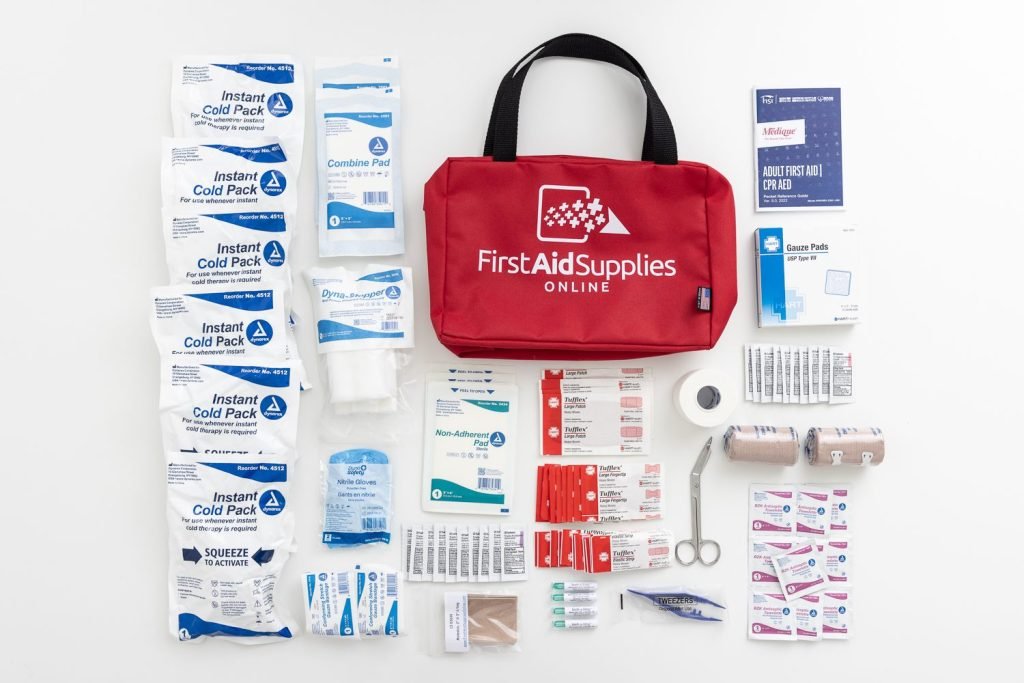
When you’re active in sports, injuries can happen anytime. Having the right first aid kit ready can make all the difference between a quick recovery and a long setback.
But what exactly should you keep in your sports first aid kit? You want to be prepared for anything—cuts, sprains, bruises, or more serious injuries. You’ll discover the essential items that every sports first aid kit needs. Knowing this can give you peace of mind and help you act fast when it matters most.
Keep reading to learn how to build a kit that keeps you and your team safe.
Basic Supplies
Having the right supplies in a sports first aid kit is crucial. Basic supplies help handle minor injuries effectively. They ensure quick treatment and comfort. Let’s explore essential items your kit should contain.
Adhesive Bandages
Adhesive bandages are a must-have in any sports first aid kit. They protect small cuts and blisters. You can find them in various sizes. This variety allows you to cover different wound sizes. Bandages help prevent infections by keeping the area clean.
Sterile Gauze Pads
Sterile gauze pads are essential for larger wounds. They absorb blood and protect the injury. Use them to cover and cushion wounds effectively. Ensure they are sterile to avoid contamination.
Medical Tape
Medical tape secures bandages and gauze pads. It keeps them in place during activity. Choose a tape that is easy to tear and apply. It should stick well without causing skin irritation.
Antiseptic Wipes
Antiseptic wipes help clean wounds and prevent infection. They are easy to use and quick to apply. Wipes kill bacteria and reduce the risk of infection. Keep several in your kit for immediate use.
Scissors And Tweezers
Scissors and tweezers are vital tools in your kit. Scissors help cut tape and bandages to size. Tweezers remove splinters or debris from wounds. Ensure they are clean and functional for effective use.
Wound Care
Wound care is a crucial part of any sports first aid kit. Injuries like cuts, scrapes, and bruises happen often during sports activities, and how you treat them immediately can impact healing. Having the right supplies ready can prevent infection and reduce pain.
Antibiotic Ointments
Antibiotic ointments are essential to stop infections in minor cuts and scrapes. Applying a thin layer after cleaning the wound helps kill bacteria and keeps the area moist, which speeds up healing.
Always check the expiration date and avoid using ointments on deep wounds without medical advice. Carry small tubes in your kit—they’re easy to use and effective.
Hydrogel Dressings
Hydrogel dressings provide moisture to wounds, which can soothe pain and promote faster healing. They are especially useful for burns or blisters caused during sports.
These dressings cool the injured area and create a protective barrier, reducing the risk of infection. Have a few in your kit to handle different types of wounds.
Cold Packs
Cold packs aren’t just for swelling; they also help numb pain around wounds. Applying a cold pack immediately after an injury can reduce blood flow, minimizing bruising and inflammation.
Reusable cold packs are practical for sports first aid kits. Remember to wrap them in a cloth before applying to avoid frostbite. Can you imagine the relief athletes feel from a well-timed cold pack after a hard fall?
Injury Support
Injury support is a crucial part of any sports first aid kit. It helps stabilize injured areas and reduce pain before professional medical help arrives. Having the right tools at your fingertips can make a big difference in managing injuries effectively.
Elastic Bandages
Elastic bandages are versatile and essential for providing compression and support to sprains and strains. You can wrap them around ankles, wrists, or knees to reduce swelling and limit movement that might worsen the injury.
Choose bandages that are easy to adjust and stay securely in place. Have multiple sizes available so you’re ready for different types of injuries.
Splints
Splints help immobilize broken bones or severe sprains to prevent further damage. A good first aid kit should include a variety of splints, from rigid plastic ones to inflatable types that mold to the injury.
Knowing how to apply a splint can protect the injured area and ease pain, but be careful not to wrap it too tight. Have you ever seen someone try to move after a suspected fracture? Proper splinting can stop that risk.
Finger And Toe Caps
Finger and toe caps are small but powerful tools for protecting minor cuts, bruises, or fractures. They shield the injured digit from further trauma and help keep dressings in place during activity.
Keep a few sizes handy in your kit. You might not think of these often, but they can be lifesavers in sports like basketball or soccer where fingers and toes take a beating.
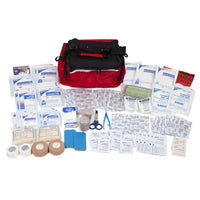
Credit: www.safetykitsplus.com
Medications
Medications are a vital part of any sports first aid kit. They help manage pain, prevent allergic reactions, and keep athletes hydrated during intense activity. Having the right medicines on hand can make a big difference in how quickly an injury or condition improves.
Pain Relievers
Pain relievers like ibuprofen or acetaminophen are essential. They reduce inflammation and ease discomfort from sprains, strains, or minor injuries. Always check for any allergies or sensitivities before giving these to someone.
Keep both adult and child dosages available, especially if you work with young athletes. You might be surprised how quickly a simple pain reliever can help someone get back on their feet.
Allergy Medicine
Allergy medicine is a must-have for anyone prone to allergic reactions. Antihistamines can calm symptoms such as itching, swelling, or sneezing. If you know someone has severe allergies, an epinephrine auto-injector could be a lifesaver.
Have you ever seen a mild allergic reaction turn serious? That moment highlights why quick access to allergy meds is so important.
Hydration Solutions
Hydration is key in sports, and sometimes water isn’t enough. Include oral rehydration salts or electrolyte powders in your kit. They help replace lost minerals and prevent cramps or heat exhaustion.
Imagine pushing your limits during a game and feeling drained – hydration solutions can restore your energy fast. Make sure you have options that are easy to carry and mix on the go.
Tools And Equipment
Having the right tools and equipment in your sports first aid kit can make a huge difference when an injury happens. These items help you act fast and effectively, reducing pain and preventing further harm. Let’s look at some essential tools every kit should include.
Instant Cold Packs
Instant cold packs are a game-changer for treating bumps and sprains on the spot. You don’t need a freezer, just squeeze or shake the pack to activate it. The cold helps reduce swelling and numbs pain quickly.
I once had a friend twist his ankle during a game, and the instant cold pack in our kit stopped the swelling before we even got home. Wouldn’t you want that kind of relief right away?
Cpr Mask
A CPR mask is vital for providing rescue breaths safely during an emergency. It protects you and the injured person from germs and makes it easier to give effective breaths. This simple tool can boost confidence if you ever need to perform CPR.
Think about this: if you had a mask handy, would you feel more prepared to help someone in cardiac distress?
Thermometer
Fever or heat-related illness can happen during sports, especially in hot weather. A thermometer helps you check if someone’s temperature is dangerously high. This quick check guides you on whether to call for medical help immediately.
Keeping a thermometer in your kit lets you act on facts, not guesswork. How often do you overlook subtle signs of heat exhaustion during intense activity?

Credit: www.safetybuyer.com
Safety Accessories
Safety accessories in a sports first aid kit protect both the injured person and you. They help prevent infections and keep the injured person comfortable during treatment. Having these items ready ensures you can act quickly and safely in emergencies.
Disposable Gloves
Disposable gloves are a must-have to protect yourself from blood and bodily fluids. They create a barrier that reduces the risk of infection for both you and the injured athlete. Always check the gloves for tears before putting them on, and never reuse them.
Imagine treating a scraped knee at a soccer game without gloves—you risk exposure to harmful germs. Keep at least two pairs in your kit so you can change them if they get contaminated.
Emergency Blanket
An emergency blanket helps maintain body heat after injuries or shock. It’s lightweight and takes up little space, making it perfect for a sports first aid kit. Using one can prevent hypothermia, especially if the injured person is wet or exposed to wind.
Think about a chilly evening game where a player gets hurt. Wrapping them in an emergency blanket stabilizes their temperature until professional help arrives.
First Aid Manual
A first aid manual guides you through proper treatment steps when you’re unsure what to do. It’s easy to feel overwhelmed during an injury, but a clear manual can calm your nerves and improve your response. Choose a manual with simple language and clear illustrations.
Have you ever faced a sports injury and wished you had quick, reliable advice? This manual can be your go-to resource in those critical moments.
Special Considerations
When assembling a sports first aid kit, special considerations can make a significant difference during emergencies. It’s not just about having generic supplies but tailoring the kit to fit individual needs and the specific sport. This approach ensures you’re ready for unexpected situations and can provide effective help right away.
Personal Medications
Everyone has unique health needs, so your first aid kit should include any personal medications you or your team members require. This might be inhalers for asthma, allergy pills, or EpiPens for severe allergic reactions. Have these items clearly labeled and make sure they’re easily accessible during any activity.
Think about the last time you forgot your allergy medication on a hiking trip—how stressful was that? Including these essentials can prevent complications and save precious time.
Emergency Contact Info
Having emergency contact information in your first aid kit can be a lifesaver. Include names, phone numbers, and any relevant medical information of teammates, coaches, or family members. Keep this info in a waterproof sleeve or laminated card for durability.
Imagine facing an injury where the injured person can’t communicate—would you know who to call? Keeping this info handy ensures quick communication and better care.
Sport-specific Supplies
Different sports come with different risks. Your kit should reflect that by including supplies targeted to your sport’s common injuries. For example, swimmers might need waterproof bandages, while runners may benefit from blister treatments and extra tape for joint support.
Ask yourself: what injuries happen most often in your sport? Customizing your first aid kit with these supplies can speed up treatment and get you back in the game faster.

Credit: pacificfirstaid.ca
Frequently Asked Questions
What Essential Items Belong In A Sports First Aid Kit?
A sports first aid kit should include adhesive bandages, antiseptic wipes, gauze pads, tape, scissors, tweezers, and instant cold packs. These items help treat cuts, sprains, and bruises quickly on the field. Including pain relievers and a CPR mask is also recommended for emergencies.
How Often Should I Check And Restock My Sports First Aid Kit?
Check your sports first aid kit every 3 to 6 months. Replace expired or used items immediately to ensure readiness. Regularly updating the kit guarantees you have effective supplies during injuries or emergencies, maintaining safety for athletes.
Can A Sports First Aid Kit Prevent Serious Injuries?
A sports first aid kit helps manage minor injuries promptly, reducing complications. While it cannot prevent all serious injuries, quick treatment minimizes infection and swelling. Having the kit on hand ensures faster care, which supports recovery and prevents worsening conditions.
Should I Customize A Sports First Aid Kit For Different Sports?
Yes, customize your sports first aid kit based on the sport’s specific risks. For example, include mouthguards for contact sports or extra wraps for joint support in running. Tailoring the kit ensures it meets the unique needs of athletes and their activities.
Conclusion
A sports first aid kit keeps you ready for small injuries. Pack it with bandages, antiseptic wipes, and pain relief. Include ice packs and tape to support sore muscles. Having these items helps treat wounds quickly and safely. Always check your kit before games or practice.
Stay prepared. Stay safe.

I’m Abby Lu, a passionate home cook who loves simplifying everyday meals. At PlugChef.com, I share product reviews and cooking guides to help you find the best tools for your kitchen.
Related posts:
 What Type of Cooking Utensils are Safe: Expert Picks
 What Innovations Could Blenders Make: Unleashing Future Tech
 Smart Strategies to Organize a Small Kitchen: Maximize Space
 How to Organize a Kitchen Cabinet: Expert Tips & Tricks
 How to Organize Kitchen Drawers: Expert Tips and Tricks
 How to Organize a Corner Kitchen Cupboard: Expert Tips

