
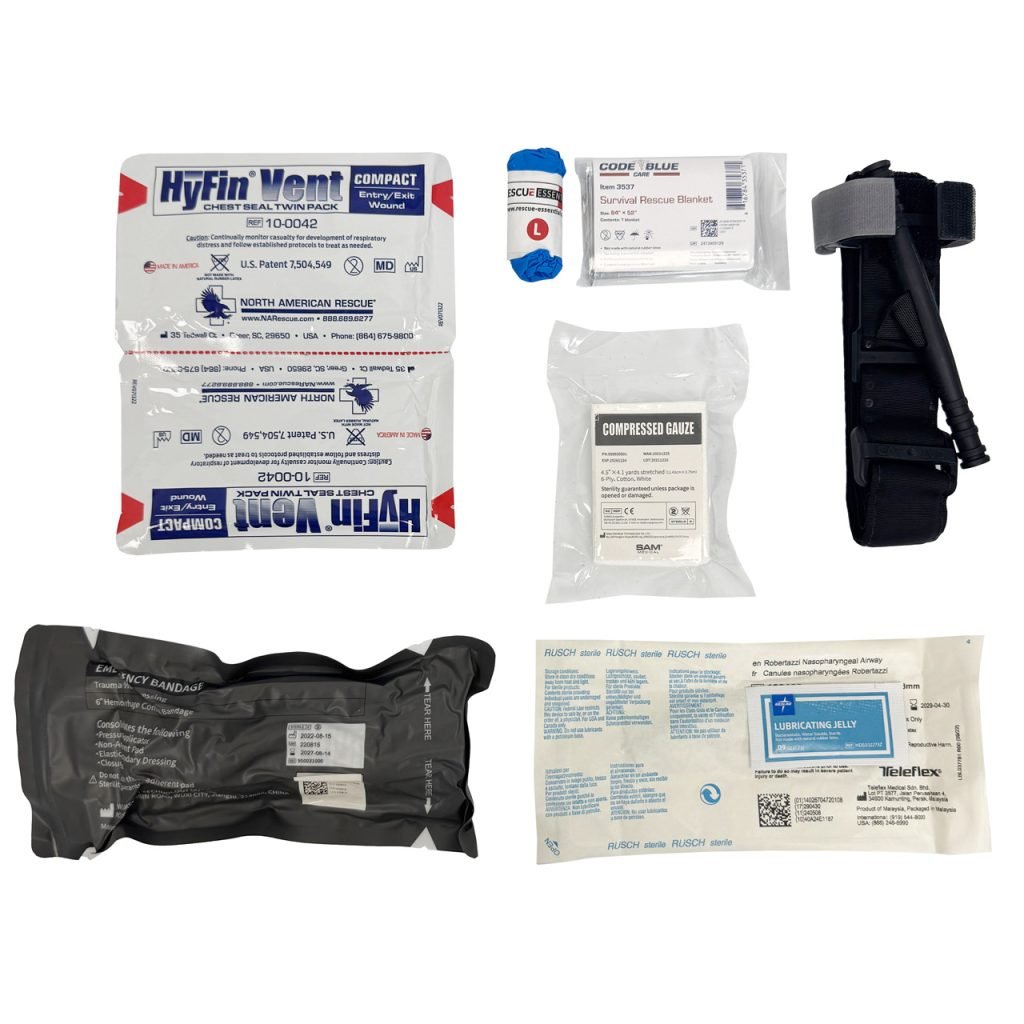
Imagine being in a critical moment where every second counts—someone has a gunshot wound, and you are the first person there to help. Do you have the right tools ready to save a life?
Your quick action and the right first aid kit can make all the difference between life and death. You’ll discover exactly what a Gunshot Wound First Aid Kit needs to have, how to use it effectively, and why being prepared can turn you into a real lifesaver.
Keep reading—your knowledge could be the key to saving someone’s life when it matters most.

Credit: mymedic.com
Key Items In A Gunshot Wound Kit
Knowing what to pack in a gunshot wound first aid kit can save lives. Each item plays a crucial role in controlling bleeding, preventing infection, and stabilizing the victim until professional help arrives. Let’s break down the essential components you should have ready in your kit.
Tourniquets And Their Role
Tourniquets are vital for stopping severe bleeding from limbs. They work by tightly compressing blood vessels to prevent blood flow beyond the injury point. You might think a tight bandage is enough, but a proper tourniquet is designed to stop arterial bleeding quickly and effectively.
Make sure your tourniquet is easy to apply under stress. Practice with it so you can use it confidently when every second counts. Have you ever wondered how many lives could be saved if more people carried and knew how to use a tourniquet?
Hemostatic Dressings
Hemostatic dressings are impregnated with substances that accelerate clotting. They’re especially useful for wounds where applying a tourniquet isn’t possible. These dressings help stop bleeding fast by encouraging blood to clot right at the wound site.
Keep several of these dressings in your kit, as different sizes are needed for various wound types. Their effectiveness can make a critical difference in controlling bleeding before emergency responders arrive.
Pressure Bandages
Pressure bandages provide sustained pressure to a wound, helping to control bleeding and protect the injury. Unlike regular bandages, they are designed to stay tight and secure without slipping. This is key for maintaining constant pressure over time.
Choose bandages that are wide and elastic for better coverage and comfort. Would your current first aid kit hold up in a real emergency where bleeding control is vital?
Chest Seals
Chest seals are specialized dressings used for gunshot wounds to the chest that create a one-way valve to prevent air from entering the chest cavity. This helps avoid a life-threatening condition called a pneumothorax, or collapsed lung. Without a chest seal, trapped air can cause the lung to collapse further, worsening the victim’s condition.
Include at least one chest seal in your kit if you expect to respond to gunshot injuries. Knowing how to apply it quickly can be the difference between life and death.
Gloves And Safety Gear
Protecting yourself is as important as helping the injured person. Gloves prevent contact with blood and reduce the risk of infection for both parties. Always pack multiple pairs of disposable gloves in your kit.
Adding safety goggles and masks can further protect you from blood splashes and airborne contaminants. Have you checked your kit lately to ensure you have enough protective gear for multiple emergencies?
Choosing The Right Tourniquet
Choosing a strong, reliable tourniquet is key for a gunshot wound first aid kit. It should be easy to use and tightly stop bleeding fast. Quality materials help ensure safety in emergencies.
Choosing the right tourniquet for your gunshot wound first aid kit can be a life-saving decision. It’s not just about grabbing any tourniquet off the shelf; you need to ensure it is effective and reliable in critical situations. Picture yourself in an emergency where every second counts. Would you feel confident using the tourniquet you have? Making the right choice involves understanding the types, key features, and proper application techniques. Let’s dive into these essentials to help you make an informed decision.Types Of Tourniquets
There are several types of tourniquets available, each with unique benefits. Elastic tourniquets are easy to apply and adjust, making them popular for quick response. However, they might not provide enough pressure for severe bleeding. Rigid tourniquets offer more control and are ideal for high-pressure situations. They are often preferred by professionals for their reliability in extreme conditions. Then there are hybrid tourniquets, combining elements of both elastic and rigid types. They offer versatility but require familiarity for effective use.Features To Consider
When choosing a tourniquet, focus on these features:- Ease of Application:Can you apply it quickly under stress?
- Durability:Is it made from quality materials that withstand pressure?
- Adjustability:Does it accommodate various limb sizes?
Proper Application Techniques
Applying a tourniquet correctly is crucial. Place it 2-3 inches above the wound, avoiding joints. Tighten until bleeding stops, but not excessively to prevent further injury. Practice regularly. Familiarity breeds confidence. Knowing you can apply the tourniquet effectively can be reassuring in an emergency. Have you ever thought about the difference between a successful first aid intervention and a mishap? Often, it’s the attention to detail and preparation that makes all the difference.Hemostatic Agents Explained
Hemostatic agents are vital in controlling severe bleeding from gunshot wounds. These agents help stop bleeding faster than traditional methods. They work by promoting rapid blood clotting, which can save lives in emergencies. Understanding these agents is crucial for anyone carrying a gunshot wound first aid kit.
How They Work
Hemostatic agents speed up the body’s natural clotting process. They contain substances that attract and activate platelets. Platelets are blood cells that form clots to seal wounds. These agents create a barrier that stops blood flow quickly. This helps reduce blood loss and stabilizes the injured person.
Popular Hemostatic Products
- QuikClot: Uses a mineral called kaolin to boost clotting.
- Celox: Made from chitosan, a substance from shellfish shells.
- HemCon: Contains chitosan and forms a sticky clot over wounds.
- WoundStat: Designed for deep wounds and heavy bleeding.
These products are common in first aid kits for gunshot wounds. Each has unique features but all aim to control bleeding fast.
Usage Guidelines
- Apply direct pressure to the wound before using the agent.
- Place the hemostatic agent directly on the bleeding site.
- Hold firm pressure for 3 to 5 minutes to activate clotting.
- Do not remove the agent once applied; wait for medical help.
- Follow any specific instructions on the product packaging.
Proper use increases the chances of stopping severe bleeding. Training in hemostatic agent use improves confidence and effectiveness.

Credit: rescue-essentials.com
Applying Pressure Dressings Effectively
Applying pressure dressings effectively can be a life-saving skill in a gunshot wound emergency. The right technique controls bleeding and stabilizes the injury until professional help arrives. Knowing when and how to apply pressure dressings makes a huge difference in outcomes.
When To Use Pressure Bandages
Pressure bandages are essential when the wound is actively bleeding and blood is spurting or flowing steadily. They help slow down or stop severe bleeding by applying firm, direct pressure to the injury.
Use them immediately if the bleeding does not stop after applying direct hand pressure for a few seconds. Avoid waiting too long—rapid blood loss can cause shock quickly.
Step-by-step Application
- First, expose the wound carefully without causing more damage.
- Place a sterile gauze or clean cloth directly on the wound to absorb blood.
- Use your hand to apply firm pressure over the dressing to control bleeding.
- Wrap the bandage tightly around the injury, ensuring the pressure is even but not cutting off circulation.
- Secure the bandage with clips or tape, making sure it stays in place.
- Check the victim’s pulse below the wound to ensure blood is still flowing.
Would you know if the pressure is enough or too much? Feeling the pulse helps you adjust the tightness properly.
Avoiding Common Mistakes
- Don’t remove dressings to check the wound repeatedly; this can worsen bleeding.
- Avoid wrapping the bandage too loosely, which won’t stop bleeding, or too tight, which can block blood flow.
- Never use a tourniquet unless trained, as improper use can cause serious harm.
- Don’t ignore signs of shock such as pale skin, rapid breathing, or confusion—seek emergency help immediately.
Have you ever hesitated to apply pressure because you feared doing more harm? Remember, acting promptly with the right technique saves lives.
Managing Chest Wounds With Seals
Chest wounds from gunshots can be life-threatening due to air entering the chest cavity. Managing these wounds quickly is crucial to prevent lung collapse. Chest seals are a vital tool in first aid kits designed to treat such injuries.
These seals help block air from entering the wound while allowing trapped air to escape. Proper use of chest seals can stabilize the patient until professional help arrives.
Purpose Of Chest Seals
Chest seals stop air from entering the chest through the wound. This prevents a dangerous condition called a pneumothorax. They also help keep the wound clean and reduce bleeding. Seals allow air to escape from the chest, avoiding pressure build-up. This helps the injured person breathe better.
Different Types Available
- Non-vented seals:Simple adhesive pads that block air both ways.
- Vented seals:Have a one-way valve to let trapped air escape but block air entry.
- Bulkhead seals:Feature multiple valves for better air release control.
Each type suits different situations. Vented seals are often preferred for open chest wounds.
Correct Placement
Clean the wound area gently before applying the seal. Remove the backing from the chest seal. Place it directly over the wound, covering it fully. Press the edges firmly to create a tight seal. Do not cover the entire chest, just the wound area. Check the patient’s breathing after placement. Replace or adjust the seal if air leaks appear.

Credit: rescue-essentials.com
Additional Tools For Emergency Care
Having a gunshot wound first aid kit is crucial, but adding extra tools can make a real difference in an emergency. These additional items help you provide better care and increase the chances of survival before professional help arrives. Think about what tools would save you time and effort when every second counts.
Scissors And Tweezers
Scissors are essential for quickly cutting clothing around the wound without causing more harm. Choose ones with blunt tips to avoid accidental injuries while working close to the skin. Tweezers help remove debris like glass or dirt, which can reduce infection risk.
Imagine trying to access a wound without scissors—you’d waste precious moments tearing fabric. Keeping these tools sharp and sturdy can make your first aid response smoother and more effective.
Emergency Blankets
Emergency blankets keep the injured person warm by preventing heat loss, which is vital after trauma. They are compact, lightweight, and easy to carry in your kit. Besides warmth, they also protect from wind and rain, helping maintain the victim’s body temperature.
Have you ever felt chilled and helpless while waiting for help? An emergency blanket can be a simple yet powerful comfort in those intense moments.
Cpr Masks And Airway Tools
CPR masks protect both you and the victim during rescue breathing by providing a barrier against bodily fluids. Airway tools like nasal or oral airways keep breathing passages open when the victim is unconscious. These items improve the safety and effectiveness of life-saving efforts.
Would you hesitate to perform CPR without protection? Having these tools ready can give you the confidence to act decisively and safely.
Maintaining And Updating Your Kit
Keeping your gunshot wound first aid kit ready can make a huge difference in an emergency. It’s not enough to buy a kit and forget about it. Regular care and updates ensure your kit works perfectly when you need it most.
Regular Inspections
Check your kit at least once every three months. Look for torn packaging, missing items, or anything damaged. Pay close attention to bandages, tourniquets, and antiseptics, as these are crucial in stopping bleeding quickly.
Have you ever found your supplies dried out or broken when you needed them? A quick inspection can save you from that frustration and risk.
Replacing Used Or Expired Items
After any use, immediately replace what’s missing. Don’t wait until your next inspection. Expired items like ointments, medications, and sterile dressings lose their effectiveness and can cause infections.
Keep a list of expiration dates on your kit. This helps you swap out old supplies before they become useless. Your kit should always be stocked as if you’re preparing for the first time.
Storage Tips
Store your first aid kit in a cool, dry place away from direct sunlight. Heat and moisture can ruin supplies faster than you expect. Avoid places like bathrooms or car glove boxes where temperature swings are common.
Make sure your kit is easy to reach and clearly marked. When every second counts, you don’t want to waste time searching. Think about accessibility for all household members or colleagues who might need it.
Training And Practice For Effectiveness
Training and practice are essential for effective use of a gunshot wound first aid kit. Knowing how to act quickly and correctly can save lives. Practicing these skills regularly builds confidence and reduces panic in emergencies.
Understanding basic first aid is the foundation. Specialized training focuses on gunshot wounds specifically. Resources are available to help anyone learn these important skills.
Basic First Aid Skills
Learn to control bleeding and keep the injured person calm. Practice applying pressure to wounds and using bandages. Know how to check breathing and pulse. These skills help stabilize the patient before professional help arrives.
Simple steps can prevent further injury and increase survival chances. Regular drills improve your speed and accuracy in emergencies.
Specialized Gunshot Wound Training
This training covers how to treat deep wounds and stop heavy bleeding. Learn to use tourniquets properly and safely. Understand when and how to pack wounds with gauze. Training also teaches how to prevent shock and infection.
Hands-on practice with realistic scenarios makes the training effective. It prepares you to stay calm and act decisively.
Resources For Learning
- Local first aid courses and workshops
- Certified emergency medical training programs
- Online tutorials and videos from trusted sources
- Books and manuals on trauma care
- Community safety organizations and support groups
Choose resources that offer clear instructions and practical exercises. Regularly update your knowledge and skills to stay prepared.
Frequently Asked Questions
What Essential Items Are In A Gunshot Wound First Aid Kit?
A gunshot wound first aid kit contains sterile gauze, bandages, tourniquets, gloves, antiseptic wipes, and trauma shears. These items help control bleeding, prevent infection, and stabilize the wound before professional medical help arrives.
How Do You Use A Tourniquet In Gunshot Wound First Aid?
Place the tourniquet above the wound, tighten it until bleeding stops, and secure it firmly. Note the time applied and do not remove it until a medical professional takes over.
Can A First Aid Kit Stop Bleeding From A Gunshot?
Yes, a well-equipped first aid kit helps control bleeding using gauze, pressure bandages, and tourniquets. Immediate action reduces blood loss and improves survival chances.
Why Is Antiseptic Important In A Gunshot Wound Kit?
Antiseptic prevents infection by killing bacteria around the wound. Cleaning the area before dressing reduces complications and promotes faster healing.
Conclusion
A gunshot wound first aid kit can save lives in emergencies. Keep it stocked with essential items like bandages, gloves, and tourniquets. Know how to use each tool quickly and safely. Preparing ahead helps you act calmly under pressure. A well-prepared kit can make a big difference.
Stay ready, stay safe.

I’m Abby Lu, a passionate home cook who loves simplifying everyday meals. At PlugChef.com, I share product reviews and cooking guides to help you find the best tools for your kitchen.
Related posts:
 What Type of Cooking Utensils are Safe: Expert Picks
 What Innovations Could Blenders Make: Unleashing Future Tech
 Smart Strategies to Organize a Small Kitchen: Maximize Space
 How to Organize a Kitchen Cabinet: Expert Tips & Tricks
 How to Organize Kitchen Drawers: Expert Tips and Tricks
 How to Organize a Corner Kitchen Cupboard: Expert Tips

