
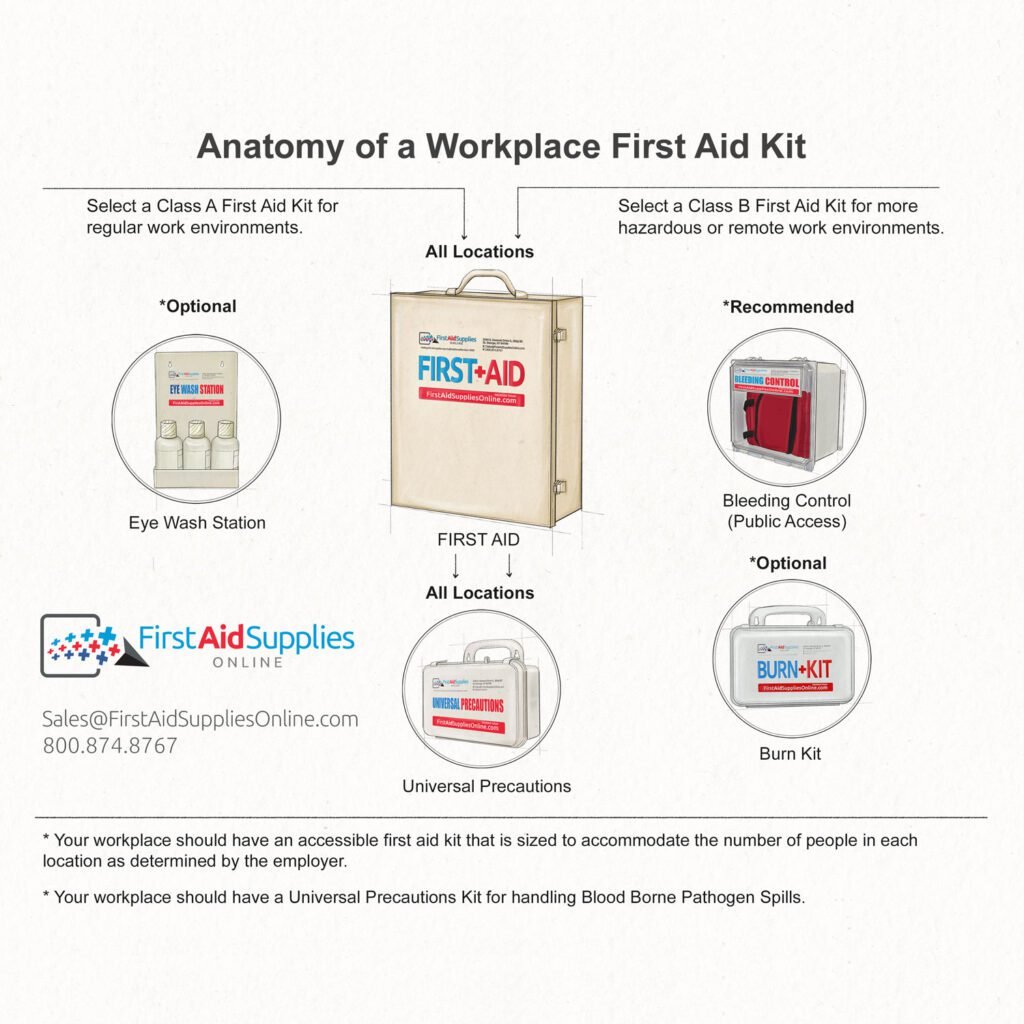
When it comes to safety, having the right first aid kit can make all the difference. But do you know what the ANSI first aid kit requirements are?
If you want to be sure your workplace or home is prepared for emergencies, understanding these standards is crucial. This isn’t just about ticking a box—it’s about protecting yourself and those around you when every second counts. Keep reading to discover exactly what your first aid kit needs to have and how meeting these requirements can give you real peace of mind.
Importance Of First Aid Kits
First aid kits are more than just boxes filled with medical supplies. They are essential tools that can make a real difference when accidents happen. Having a well-stocked, ANSI-compliant first aid kit ensures you are ready to provide immediate care, which can save lives and reduce the severity of injuries.
Role In Workplace Safety
Every workplace has its risks, no matter the size or industry. A properly equipped first aid kit allows employees to respond quickly to injuries before professional help arrives. This quick response can prevent minor injuries from becoming major problems.
Imagine a situation where a worker suffers a deep cut. Without the right supplies, stopping the bleeding and preventing infection becomes difficult. Your first aid kit gives you the tools to act confidently and effectively in such moments.
Legal Implications
Many regulations require workplaces to maintain first aid kits that meet ANSI standards. Failing to comply can lead to fines or legal action. But more importantly, it can put your employees at risk.
By ensuring your first aid kit meets these requirements, you show a commitment to safety and legal responsibility. Have you checked your kit lately to see if it meets current standards? Staying updated protects both your team and your business.
Ansi Standards Overview
Understanding ANSI standards is crucial if you want your first aid kit to meet safety and compliance guidelines. These standards set the minimum requirements for the contents and design of first aid kits used in workplaces and public settings. Knowing what ANSI expects helps you prepare a kit that truly supports emergency readiness.
History Of Ansi Standards
The American National Standards Institute (ANSI) started developing standards for workplace safety decades ago. Their goal was to create clear, consistent rules that businesses could follow to protect employees. Over time, ANSI’s first aid kit standards have evolved to reflect new medical knowledge and workplace risks.
ANSI’s standards didn’t come out of nowhere. They built on real-world experiences and feedback from safety experts. This means the requirements are practical and based on what actually works during emergencies.
Key Ansi Requirements
ANSI specifies what every compliant first aid kit must include to handle common injuries. This includes items like adhesive bandages, antiseptic wipes, burn treatments, and gloves. The list varies depending on the type of workplace and the number of employees.
Here are some critical points ANSI requires in your first aid kit:
- Contents must be sealed and sterile.This prevents contamination and infection.
- Items should be easy to identify and access.In an emergency, you don’t want to waste time searching.
- Kits must be regularly inspected and restocked.Using expired or missing supplies can cost lives.
- Labels need to be clear and durable.This helps anyone, even those without medical training, quickly find what they need.
Have you ever faced an emergency where you wished your first aid kit had something more? ANSI’s detailed requirements help you avoid that situation by guiding exactly what to add. Do you know if your current kit meets these standards?
Types Of First Aid Kits
First aid kits come in different types, each designed to meet specific needs and environments. Understanding these types helps you choose the right kit for your workplace or personal use. The ANSI (American National Standards Institute) sets clear requirements to ensure these kits provide effective care during emergencies.
Class A Kits
Class A kits are designed for common workplace injuries. They include supplies for treating minor cuts, scrapes, and burns. If your work environment has low to moderate risk, this type is usually sufficient.
Typical items in a Class A kit include:
- Adhesive bandages
- Antiseptic wipes
- Gauze pads and tape
- Scissors and tweezers
- Disposable gloves
Think about your daily activities—are you exposed to simple hazards or more serious risks? If your answer points to minor injuries, a Class A kit covers most of your needs.
Class B Kits
Class B kits are more comprehensive and meant for high-risk environments. These kits contain everything found in Class A kits plus additional items for more serious injuries. They are ideal for workplaces with heavy machinery, chemicals, or potential for severe accidents.
Here’s what you can expect in a Class B kit:
- Larger assortment of bandages and dressings
- Burn dressings
- Eye wash supplies
- Emergency blankets
- Resuscitation masks
Have you considered the worst-case scenarios at your worksite? A Class B kit ensures you’re prepared for those situations that go beyond minor cuts.

Credit: www.amazon.com
Essential Contents Of First Aid Kits
Knowing the essential contents of your ANSI first aid kit can make a real difference in an emergency. These kits are designed to meet specific safety standards, so having the right supplies ready can help you respond effectively and confidently. Let’s take a closer look at what you need to include.
Basic Supplies
Your first aid kit should always have a reliable set of basic supplies. These items handle most common injuries and are the foundation of any effective emergency response.
- Adhesive bandages:Various sizes for small cuts and scrapes.
- Sterile gauze pads:To cover and protect wounds.
- Adhesive tape:To secure bandages and dressings.
- Antiseptic wipes:To clean wounds and prevent infection.
- Scissors and tweezers:For cutting tape or removing debris.
- Disposable gloves:To maintain hygiene and protect yourself.
- CPR face shield:For safe rescue breathing.
- Elastic bandages:Useful for sprains and strains.
Have you ever tried to manage a bleeding wound without gloves or antiseptic? It quickly shows how vital these basics are—not just for the injured, but for your safety too.
Additional Supplies For Class B Kits
Class B kits require more comprehensive supplies because they are intended for higher-risk environments. These extras prepare you for more serious injuries.
- Burn dressings:Specially designed to cool and protect burn injuries.
- Eye wash solution:To flush out irritants or chemicals from the eyes.
- Triangular bandages:Useful for making slings or securing splints.
- Instant cold packs:To reduce swelling quickly.
- More extensive wound dressings:Larger pads for severe wounds.
- Rescue breathing barrier:Enhanced protection for CPR.
If your workplace or activity involves higher risks, think about what could go wrong. Would your current kit help you manage a serious burn or an eye injury? Adding these items could be lifesaving.
Maintaining First Aid Kits
Maintaining your ANSI first aid kit is more than just a routine task; it’s a vital part of ensuring safety and readiness in any environment. A well-maintained kit means you can respond quickly and effectively during an emergency. Neglecting this responsibility might leave you with expired supplies or missing essentials when you need them most.
Regular Inspections
Check your first aid kit regularly—at least once a month. Look for damaged, expired, or missing items. This helps you catch problems early before they affect your ability to provide first aid.
Don’t just glance over the kit; open it up and inspect each item carefully. Pay attention to expiration dates on medications, ointments, and sterile supplies. Replace anything that is out of date or showing signs of wear.
Ask yourself: Would you feel confident grabbing your kit right now in an emergency? If the answer is no, it’s time to inspect and restock.
Updating Contents
ANSI standards require specific items in first aid kits, but your environment might need extra supplies. Tailor your kit to your workplace or home risks and update it accordingly.
After an incident, check your kit immediately and replace any items you used. Don’t wait until your next scheduled inspection. This keeps your kit ready for the next emergency.
Keep a checklist handy to track what’s inside your kit. This makes updating faster and ensures nothing is overlooked. Have you ever found your first aid kit empty or incomplete? That moment is a clear sign to update.

Credit: www.safetycompany.com
Training For First Aid Response
Training for first aid response is a crucial part of meeting ANSI first aid kit requirements. It ensures that employees not only have access to the right supplies but also know how to use them effectively. Without proper training, even the best-equipped first aid kit can fall short in an emergency.
Employee Training Programs
Employee training programs should cover basic first aid skills like CPR, wound care, and how to handle choking incidents. Hands-on practice builds confidence and prepares your team to act quickly and correctly.
Consider scheduling regular refresher courses. Skills can fade over time, and staying up-to-date means your employees stay ready. You might be surprised how many workplaces overlook this ongoing training.
Have you checked if your current program addresses real workplace hazards? Tailoring training to your specific environment makes it more relevant and effective.
Emergency Response Procedures
Clear emergency response procedures help employees know exactly what to do during an injury or illness. This includes identifying who to contact, where the first aid kits are located, and how to report incidents properly.
Posting these procedures in visible areas can save precious seconds when panic sets in. It’s a simple step that reduces confusion and improves outcomes.
Think about running drills that simulate emergencies. This practice reveals weak spots in your response plan and helps your team improve coordination under pressure.
Benefits Of Compliance
Meeting ANSI first aid kit requirements isn’t just about ticking a box. It directly impacts the safety and well-being of everyone in your workplace. Beyond the obvious, compliance brings clear, practical benefits that affect daily operations and your bottom line.
Enhanced Safety
Having a first aid kit that meets ANSI standards means you are prepared for a variety of injuries. This readiness can reduce the severity of accidents and speed up recovery times. Imagine a scenario where a minor cut is treated immediately with the correct supplies, preventing infection and downtime.
Employees feel more secure knowing their safety is prioritized. This can increase focus and productivity because distractions caused by safety concerns decrease. Are your current first aid kits truly ready to handle common workplace injuries?
Avoiding Penalties
Non-compliance with ANSI requirements can lead to fines and legal troubles. Regulatory bodies regularly inspect workplaces, and failure to meet standards is often penalized. These penalties can be costly and damage your company’s reputation.
Keeping your kits up to date and properly stocked shows regulators you take safety seriously. This proactive approach reduces the risk of unexpected fines and interruptions. Could your business afford the financial hit and negative publicity from non-compliance?
Challenges In Compliance
Meeting ANSI first aid kit requirements can be tough for many workplaces. Rules change often. Kits must be stocked correctly and inspected regularly. Missing even one item can cause non-compliance. This creates stress for safety officers and managers. Understanding common challenges helps businesses stay prepared and safe.
Common Obstacles
- Confusing or unclear regulations cause mistakes.
- Different workplaces need different types of kits.
- Keeping kits stocked and checking supplies takes time.
- Training staff on kit use and maintenance is often overlooked.
- Budget limits affect the quality and quantity of supplies.
Solutions To Overcome Challenges
- Use simple checklists to track kit contents.
- Assign clear responsibility for kit inspection and restocking.
- Train employees regularly on first aid kit use.
- Choose kits that match your workplace hazards.
- Plan budgets to prioritize safety supplies.
Future Of First Aid Standards
The future of first aid standards is evolving to meet new health and safety challenges. Advances in technology and changing workplace environments drive updates to ANSI first aid kit requirements. These changes ensure first aid kits remain effective and reliable for emergency situations.
Safety experts and regulatory bodies continuously review and improve standards. They focus on making first aid supplies more accessible and comprehensive. Employers and employees benefit from kits that match modern risks and medical knowledge.
Emerging Trends
- Increased use of smart technology in first aid kits.
- Integration of mobile apps for first aid guidance.
- More focus on treatment for severe injuries and bleeding control.
- Eco-friendly and sustainable materials for first aid supplies.
- Customized kits tailored to specific industries or hazards.
Potential Updates
- Expanded list of required items based on new health data.
- Stricter rules for kit placement and accessibility at workplaces.
- Mandatory inclusion of items for dealing with allergic reactions.
- Regular updates to training requirements linked to kit contents.
- Clearer labeling and instructions to improve usability in emergencies.

Credit: www.ishn.com
Frequently Asked Questions
What Are The Ansi First Aid Kit Requirements?
ANSI first aid kit requirements set the minimum contents and standards for workplace kits. They ensure kits are well-stocked for common injuries and comply with safety regulations.
How Often Should Ansi First Aid Kits Be Inspected?
ANSI first aid kits should be inspected monthly. Regular inspections ensure supplies are complete, unexpired, and ready for emergencies.
What Items Must Be Included In An Ansi First Aid Kit?
An ANSI first aid kit must include bandages, antiseptics, gloves, and burn treatment supplies. Specific contents vary by workplace hazard levels.
Are Ansi First Aid Kits Mandatory For All Workplaces?
ANSI first aid kits are required in most workplaces per OSHA regulations. Compliance depends on workplace size and risk factors.
Conclusion
Meeting ANSI first aid kit requirements keeps workplaces safe and prepared. Proper supplies help handle injuries quickly and reduce risks. Check kits regularly to ensure items are complete and not expired. Train employees to use the kit properly for better emergency response.
Staying compliant with ANSI standards protects both workers and employers. Safety starts with having the right first aid tools on hand. Keep your kit updated and ready at all times.

I’m Abby Lu, a passionate home cook who loves simplifying everyday meals. At PlugChef.com, I share product reviews and cooking guides to help you find the best tools for your kitchen.
Related posts:
 What Type of Cooking Utensils are Safe: Expert Picks
 What Innovations Could Blenders Make: Unleashing Future Tech
 Smart Strategies to Organize a Small Kitchen: Maximize Space
 How to Organize a Kitchen Cabinet: Expert Tips & Tricks
 How to Organize Kitchen Drawers: Expert Tips and Tricks
 How to Organize a Corner Kitchen Cupboard: Expert Tips

