
When it comes to workplace safety, having the right first aid kit is not just helpful—it’s required by law. You might think any basic kit will do, but OSHA has specific rules that your first aid supplies must meet.
Understanding these requirements can protect your employees and keep your business compliant. If you want to avoid fines and ensure quick, effective responses to injuries, keep reading. This guide breaks down exactly what OSHA expects from your first aid kits and how you can easily meet those standards.
Your team’s safety depends on it.
Osha Regulations For First Aid Kits
OSHA regulations set clear rules about first aid kits in the workplace to ensure safety and readiness during emergencies. These rules help you decide what kind of kit you need based on your work environment and the risks involved. Knowing these regulations can save lives and reduce liability for your business.
Key Standards And Guidelines
OSHA’s main reference for first aid kits is found in 29 CFR 1910.151. This standard states that suitable first aid supplies must be readily available in the workplace. It doesn’t specify exact items but requires kits to be accessible and properly stocked.
Additionally, OSHA points to the American National Standards Institute (ANSI) Z308.1as a guideline for what a first aid kit should include. ANSI provides detailed lists of required items, such as adhesive bandages, antiseptic wipes, and burn treatment supplies.
Workplaces with specific hazards might need customized kits. For example, a construction site may require extra burn and eye wash materials, while an office might focus on basic wound care. Understanding these standards helps you tailor your first aid kits appropriately.
Importance Of Compliance
Failing to comply with OSHA’s first aid kit requirements can lead to serious consequences. You might face fines during inspections, but more importantly, you risk your employees’ health and safety. A well-stocked and accessible first aid kit can make a critical difference in an emergency.
Think about a time when you or a colleague needed quick medical help at work. Having the right supplies on hand can reduce injury severity and improve outcomes. Compliance isn’t just about avoiding penalties; it’s about being prepared to protect your team.
Are you confident your workplace first aid kits meet OSHA standards? Regularly checking and updating your kits keeps you compliant and ready for any situation. It’s a small step that can have a big impact on workplace safety.

Credit: www.proguardsafety.my
Components Of A Compliant First Aid Kit
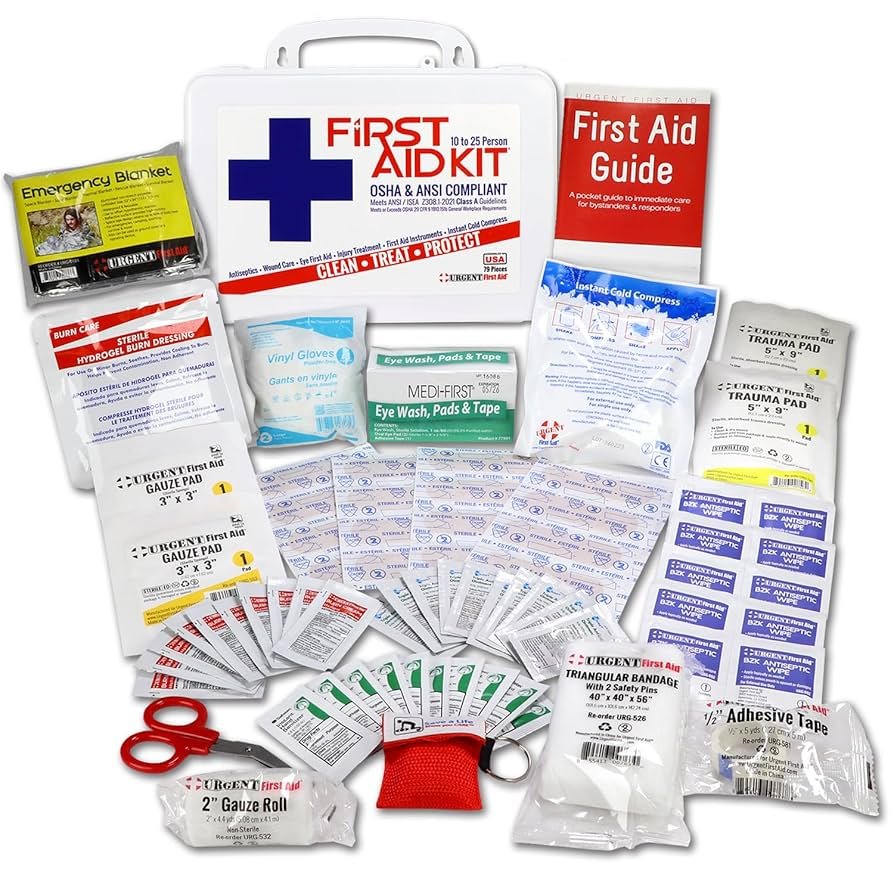
A compliant OSHA first aid kit must contain specific components. These items help treat common workplace injuries quickly. The contents vary based on workplace hazards and size. OSHA sets minimum requirements to ensure safety and readiness. Understanding these components helps keep your kit effective and ready for emergencies.
Basic Supplies Required
- Adhesive bandages of various sizes
- Sterile gauze pads for wound coverage
- Adhesive tape to secure dressings
- Antiseptic wipes to clean wounds
- Burn treatment supplies
- Scissors and tweezers for removing debris
- Disposable gloves to prevent infection
- Eye wash solution for rinsing eyes
- CPR face shield or mask
- Elastic bandages for sprains or strains
- Instructions for first aid procedures
Recommended Additions
- Cold packs to reduce swelling
- Triangular bandages for slings or padding
- Instant cold compresses
- Splints for immobilizing injured limbs
- Thermometer for checking body temperature
- Burn gel or ointment
- Alcohol pads for disinfecting tools
- Emergency blanket to prevent shock
- Finger splints for small injuries
- Eye pads for serious eye injuries
Workplace Specific Requirements
OSHA first aid kit requirements vary depending on the type of workplace. Each work setting has unique hazards that influence the kit’s contents. Understanding these workplace-specific needs ensures safety and compliance. OSHA sets clear standards for different environments. Employers must evaluate risks and equip their first aid kits accordingly.
High-risk Industries
Industries like construction, manufacturing, and mining face greater injury risks. First aid kits here need extra supplies for serious injuries. These kits often include:
- Burn dressings
- Eye wash solutions
- Trauma pads
- Additional bandages and antiseptics
- Splints for fractures
Regular checks and restocking are crucial. Kits must be easily accessible on site. OSHA requires employers to train workers on first aid use in these industries.
Office Environment Considerations
Office settings have lower injury risks but still need first aid kits. Kits should contain basic supplies for minor cuts and illnesses. Typical contents include:
- Adhesive bandages
- Antiseptic wipes
- Burn cream
- Disposable gloves
- CPR masks
Kits should be placed in common areas like break rooms. Keeping kits visible encourages quick response. Employers must ensure kits meet OSHA standards for office environments.
Maintaining And Inspecting First Aid Kits
Maintaining and inspecting your OSHA first aid kits is crucial for workplace safety. A well-stocked and properly maintained kit ensures you can respond quickly to injuries. Neglecting inspections can leave your kit incomplete or outdated, which might cost valuable time during emergencies.
Regular Inspections
Check your first aid kit at least once a month. Look for expired items, damaged packaging, or missing supplies. Pay special attention to items like bandages, antiseptics, and gloves—these often expire or degrade over time.
Keep a checklist near the kit to track inspections. This helps you spot trends, such as frequently used items, so you can adjust your stocking accordingly. Have you ever found your kit missing a critical item during an emergency? Regular checks prevent that situation.
Restocking Procedures
After each inspection or use, restock items immediately. Use a simple system to reorder supplies, such as maintaining a minimum quantity for each item. This avoids last-minute rushes to find replacements.
Create a clear inventory list inside the kit with item names, quantities, and expiration dates. This makes restocking easier for anyone responsible, even if they’re not familiar with the kit. How confident are you that your team can quickly restock the first aid kit when needed?
Training And Preparedness
Training and preparedness play a vital role in workplace safety. Having OSHA first aid kits is not enough without the right knowledge and readiness. Employees must know how to use these kits properly. Preparing for emergencies helps reduce risks and saves lives.
Employee Training Programs
Training programs teach employees how to handle injuries and emergencies. These sessions cover basic first aid skills and the correct use of first aid kits. Employees learn to identify common injuries and provide immediate care. Regular training ensures skills stay sharp and confident. It also helps workers understand OSHA requirements clearly.
Effective training includes:
- Hands-on practice with first aid tools
- Clear instructions on kit contents
- Steps for common workplace injuries
- Emergency communication protocols
Emergency Response Planning
Emergency response planning prepares teams for quick action. Plans outline roles and responsibilities during incidents. Knowing who leads and who assists speeds up the response time. Plans should include:
- Location of first aid kits
- Contact information for emergency services
- Procedures for different types of emergencies
- Regular drills to test readiness
These steps help create a safe and prepared workplace. Employees feel more secure and capable when emergencies happen.
Common Compliance Pitfalls
Failing to meet OSHA first aid kit requirements can cause serious issues. Many workplaces struggle with common compliance pitfalls that lead to fines or unsafe conditions. Understanding these pitfalls helps maintain safety and avoid costly mistakes.
Avoiding Common Mistakes
One common mistake is using kits that lack required items. OSHA sets clear standards on what each kit must contain. Another error is placing kits in hard-to-reach locations. Kits must be easily accessible in emergencies. Some employers forget to check expiration dates on supplies. Expired items lose effectiveness and violate rules. Training employees on kit use is often overlooked. Knowing how to use the kit improves response time and safety.
Ensuring Continuous Compliance
Regular inspections keep first aid kits fully stocked and functional. Create a checklist for routine reviews of each kit’s contents. Document all inspections to prove compliance during OSHA visits. Restock items immediately after use to avoid shortages. Assign responsibility to a specific person or team. Stay updated on OSHA changes to adjust kits as needed. Consistent maintenance helps avoid penalties and ensures readiness.
Resources For Compliance
Staying compliant with OSHA first aid kit requirements can be challenging. Access to the right resources simplifies this task. These resources provide clear guidelines and help maintain workplace safety. They guide you on what to include in your first aid kits and how to keep them updated.
Osha Resources
The official OSHA website offers comprehensive information on first aid kit standards. It includes detailed rules and regulations that workplaces must follow. OSHA provides fact sheets, checklists, and training materials. These tools ensure your first aid kits meet legal requirements and are ready for emergencies.
- OSHA Standard 1910.151 – Medical Services and First Aid
- Guidelines on first aid kit contents
- Training resources for workplace first aid
- Inspection and maintenance checklists
External Support And Guidance
Many organizations offer support beyond OSHA’s materials. Safety consultants and training providers can help tailor first aid kits to your workplace needs. First aid suppliers often provide kits that comply with OSHA standards. They also offer advice on replacing expired items and stocking supplies correctly.
- Certified safety consultants
- Professional first aid training courses
- First aid kit suppliers with compliance expertise
- Online forums and safety communities

Credit: www.proguardsafety.my

Credit: www.amazon.com
Frequently Asked Questions
What Are Osha First Aid Kit Requirements?
OSHA requires workplaces to provide first aid kits with essential supplies. Kits must be accessible, well-stocked, and suited to workplace hazards. Employers must regularly inspect and replenish kits to ensure readiness for emergencies.
How Often Should Osha First Aid Kits Be Inspected?
OSHA recommends inspecting first aid kits monthly. Regular checks ensure supplies are complete, unexpired, and usable. Frequent inspections help maintain kit effectiveness and compliance with safety regulations.
What Items Must Osha First Aid Kits Contain?
OSHA mandates kits include items like bandages, antiseptics, gloves, and burn treatment supplies. The contents should match workplace hazards and employee needs. Properly stocked kits enable prompt and effective first aid response.
Are Employers Responsible For Osha First Aid Kit Maintenance?
Yes, employers must maintain and replenish first aid kits. They ensure kits are accessible, stocked, and compliant with OSHA standards. Proper maintenance supports workplace safety and emergency preparedness.
Conclusion
Meeting OSHA first aid kit requirements keeps workplaces safe and ready. Proper kits help treat injuries quickly and reduce risks. Check kits regularly to ensure all items are stocked and unexpired. Train employees on kit locations and basic first aid steps.
Stay updated with OSHA rules to avoid fines and protect workers. Simple actions make a big difference in emergency readiness. Safety starts with being prepared and informed.

I’m Abby Lu, a passionate home cook who loves simplifying everyday meals. At PlugChef.com, I share product reviews and cooking guides to help you find the best tools for your kitchen.
Related posts:
 What Type of Cooking Utensils are Safe: Expert Picks
 What Innovations Could Blenders Make: Unleashing Future Tech
 Smart Strategies to Organize a Small Kitchen: Maximize Space
 How to Organize a Kitchen Cabinet: Expert Tips & Tricks
 How to Organize Kitchen Drawers: Expert Tips and Tricks
 How to Organize a Corner Kitchen Cupboard: Expert Tips

