
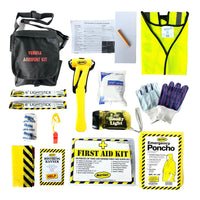
Imagine being in a car accident and not knowing what to do next. Would you have the right tools to help yourself or others?
Your car accident first aid kit can make all the difference in those critical moments. It’s not just about having a box of supplies—it’s about being prepared to act quickly and confidently when every second counts. You’ll discover exactly what your kit needs, why each item matters, and how being ready can save lives.
Keep reading to make sure you and your loved ones are truly protected on the road.
Importance Of A First Aid Kit
A first aid kit in your car isn’t just a box of supplies; it’s a lifeline during emergencies. Accidents happen without warning, and having the right tools at your fingertips can make all the difference. Knowing you can act immediately brings peace of mind every time you hit the road.
Immediate Response Saves Lives
Seconds matter when someone is injured in a car accident. A well-stocked first aid kit lets you provide quick care before professional help arrives. You can stop bleeding, clean wounds, and reduce the risk of infection right away.
Reduces Severity Of Injuries
Minor injuries can turn serious if left untreated. Using items like antiseptic wipes or bandages can prevent complications. Your prompt action might keep a small cut from becoming a major problem.
Boosts Confidence In Crisis
Knowing you have a first aid kit ready makes you feel prepared and in control. You’re less likely to panic and more likely to act calmly and effectively. This calmness can help others stay composed too.
Supports Others On The Road
You might not be the one injured; sometimes, it’s a fellow driver or passenger. Having a first aid kit means you can help strangers in need. Your preparedness could save a stranger’s life or ease their pain until help arrives.
Encourages Regular Safety Checks
Owning a first aid kit motivates you to regularly check your car’s safety equipment. This habit ensures your vehicle is always ready for emergencies. It’s a simple step that enhances overall safety for you and your passengers.
Have you checked your car’s first aid kit lately? What essential items do you think are missing? Taking a moment now could make a huge difference later.
Basic Supplies
Having a well-stocked car accident first aid kit can make a big difference in an emergency. Basic supplies are the foundation of your kit, allowing you to quickly handle minor injuries and stabilize more serious ones until help arrives. Knowing exactly what to include means you won’t waste precious time searching for things when every second counts.
Bandages And Dressings
Bandages and dressings are essential for controlling bleeding and protecting wounds from dirt. Include a variety of sizes, from small adhesive bandages for cuts to larger sterile dressings for deeper injuries. Having gauze pads can absorb blood and cushion wounds effectively.
Think about how you would use each type during a crash. Would you reach for a small bandage or need a bulky dressing? Preparing for different scenarios helps you stay calm and act fast.
Antiseptic Wipes
Antiseptic wipes kill germs and reduce the risk of infection in wounds. Pack individually wrapped wipes so you can clean injuries even if water isn’t available. They’re handy for scrapes and cuts, especially when you’re on the roadside.
Ask yourself: do you have enough wipes to treat multiple injuries? It’s better to have more than fewer, as you might need to clean several wounds or help others.
Adhesive Tape
Adhesive tape secures bandages and dressings in place, preventing contamination and speeding healing. Choose a tape that sticks well but is gentle on skin, especially if you or others have sensitive skin. A small roll can hold your entire kit together during treatment.
Consider the last time you tried to keep a bandage on a moving limb—did it stay put? Quality tape solves that problem and keeps your first aid kit reliable.
Emergency Tools
Emergency tools in your car accident first aid kit are essential for handling unexpected situations quickly and effectively. These tools help you address injuries, manage pain, and provide life-saving assistance before professional help arrives. Knowing how to use each tool can make a real difference in an emergency.
Scissors And Tweezers
Scissors are vital for cutting through clothing, seat belts, or bandages. Imagine being unable to reach a wound because of tangled fabric; scissors solve that instantly. Tweezers come in handy to remove small debris like glass or dirt from wounds, reducing the risk of infection.
Always keep these tools clean and sharp. Dull scissors or rusty tweezers can cause more harm than good. Have you checked your kit’s tools recently to ensure they’re in good condition?
Instant Cold Packs
Instant cold packs are a lifesaver for reducing swelling and numbing pain after an injury. You don’t need to freeze them beforehand—they activate with a simple squeeze, making them perfect for on-the-spot use. This quick relief helps control bruising and inflammation immediately.
Keep a few in your kit, especially if you travel long distances or frequently drive in risky conditions. Have you ever wished for something to ease your pain right after an accident?
Cpr Mask
A CPR mask protects you and the injured person during mouth-to-mouth resuscitation. It creates a barrier that prevents contact with bodily fluids, reducing infection risk. Knowing how to use a CPR mask can boost your confidence to act in critical moments.
Practice with your kit’s mask beforehand to get familiar with its use. Would you feel ready to perform CPR if someone’s life depended on it?

Credit: www.walmart.com
Medications And Treatments
Keeping the right medications and treatments in a car accident first aid kit is vital. These items help manage pain, prevent infection, and reduce allergic reactions. Having these on hand can ease discomfort and support quick care before medical help arrives.
Pain Relievers
Pain relievers reduce discomfort from injuries. Common types include:
- Acetaminophen (Tylenol) for mild to moderate pain
- Ibuprofen (Advil) for pain and swelling
- Aspirin for pain and to reduce inflammation
Always check for allergies and follow dosage instructions.
Burn Ointments
Burn ointments soothe and protect burned skin. They help prevent infection and speed healing. Look for ointments containing:
- Antibiotics like bacitracin or neomycin
- Aloe vera for cooling relief
- Petrolatum to keep skin moist
Apply gently on minor burns only. Seek medical help for serious burns.
Allergy Medications
Allergy medications control reactions from insect stings or dust. Include:
- Antihistamines like diphenhydramine (Benadryl)
- Non-drowsy options such as loratadine (Claritin)
- Epipen for severe allergic reactions, if prescribed
Use these medicines to reduce swelling and itching quickly.
Safety And Survival Gear
Safety and survival gear is essential in any car accident first aid kit. These items help protect you and others at the scene. They improve your chances of staying safe and getting help quickly. Prepare for low light, cold weather, and roadside hazards.
Flashlight And Batteries
A reliable flashlight is a must-have. It helps you see clearly in the dark or at night. Choose a compact, bright flashlight that fits easily in your kit. Always carry extra batteries to avoid running out of power. A flashlight also signals rescuers and alerts other drivers to your presence.
Emergency Blanket
An emergency blanket keeps you warm and prevents shock. It is lightweight and takes up little space. Use it to cover injured persons or yourself. The blanket reflects body heat and shields against wind and rain. Staying warm can save lives in cold or wet conditions.
Reflective Safety Vest
A reflective safety vest makes you visible on the road. It is vital during night or poor weather conditions. Wear the vest when outside your vehicle to reduce accident risks. Bright colors and reflective strips catch drivers’ attention. This simple gear greatly improves roadside safety.

Credit: www.alibaba.com
How To Customize Your Kit
Customizing a car accident first aid kit ensures it fits your unique situation. Every driver and passenger has different needs. Tailoring your kit helps you handle emergencies better. Focus on personal, family, and environmental factors. This makes your kit practical and useful.
Personal Needs
Consider your health conditions first. Include items for allergies or chronic illnesses. Pack extra medication if you take any daily. Add supplies like pain relievers or antiseptics you prefer. Think about your skill level in first aid. Add simple tools if you are a beginner. More advanced items suit those trained in first aid.
Family Considerations
Think about the ages in your car. Kids need smaller bandages and child-safe supplies. Include items for elderly family members too. Hearing aids batteries, glasses repair kits, or mobility aids help. Pack enough supplies for everyone in your car. Plan for pets if you travel with them. Add pet first aid items like bandages and antiseptic wipes.
Environmental Factors
Consider the climate where you usually drive. In cold areas, add heat packs and blankets. In hot climates, include extra water and sunblock. Think about road types and travel distances. Long trips need more supplies than short drives. Urban areas may need fewer items than remote locations. Tailor your kit to the environment for better safety.
Maintaining Your First Aid Kit
Maintaining your car accident first aid kit ensures it works well when needed. A well-kept kit saves time and can protect lives during emergencies. Regular care keeps supplies ready and reliable for any situation.
Regular Checks
Check your first aid kit every few months. Look for damaged or missing items. Make sure everything stays clean and dry. A neat and complete kit is easy to use quickly.
Replacing Expired Items
Medicines and supplies can expire or lose strength over time. Remove old bandages, ointments, and medications. Replace them with fresh, effective products. This keeps your kit safe and useful.
Adapting To New Needs
Update your kit based on changes in your health or family size. Add items for allergies or special conditions. Adjust supplies for different weather or travel plans. A personalized kit is more helpful in real emergencies.

Credit: www.amazon.com
Frequently Asked Questions
What Items Should Be In A Car Accident First Aid Kit?
A car accident first aid kit should include bandages, antiseptic wipes, gauze pads, adhesive tape, scissors, gloves, and a CPR mask. These essentials help treat minor injuries and control bleeding until professional help arrives.
How Can A First Aid Kit Help After A Car Accident?
A first aid kit provides immediate care for injuries, reducing pain and preventing infection. It enables quick response for cuts, burns, or shock, improving safety and comfort before emergency services reach the scene.
Where Should You Keep A Car Accident First Aid Kit?
Keep the first aid kit in an easily accessible location inside your vehicle, such as the glove compartment or under the front seat. This ensures you can quickly find it during an emergency without wasting time.
How Often Should You Check Your Car First Aid Kit?
Check your car first aid kit every six months to replace expired items and restock used supplies. Regular maintenance guarantees that the kit is ready and effective when you need it most.
Conclusion
A car accident first aid kit can save lives and reduce injuries. Keep one in your vehicle at all times. Check the kit regularly to replace used or expired items. Knowing basic first aid helps you act fast in emergencies.
Stay calm and prepared for unexpected situations. A simple kit can make a big difference on the road. Safety starts with being ready. Don’t wait until an accident happens to get your kit. Protect yourself and others by staying prepared today.

I’m Abby Lu, a passionate home cook who loves simplifying everyday meals. At PlugChef.com, I share product reviews and cooking guides to help you find the best tools for your kitchen.
Related posts:
 What Type of Cooking Utensils are Safe: Expert Picks
 What Innovations Could Blenders Make: Unleashing Future Tech
 Smart Strategies to Organize a Small Kitchen: Maximize Space
 How to Organize a Kitchen Cabinet: Expert Tips & Tricks
 How to Organize Kitchen Drawers: Expert Tips and Tricks
 How to Organize a Corner Kitchen Cupboard: Expert Tips

