
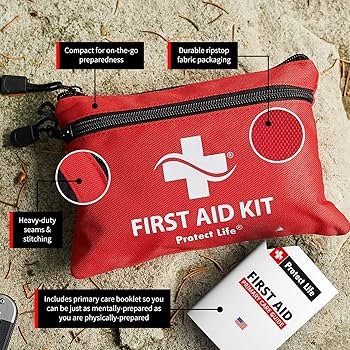
Imagine this: someone in your shop suddenly gets a small cut or burn. What do you do next?
Having a well-stocked first aid kit right at your fingertips can make all the difference. You want to be ready to handle minor injuries quickly and confidently, protecting your team and customers. You’ll discover exactly what your shop’s first aid kit needs, why each item matters, and how being prepared can save time—and even lives.
Keep reading to make sure your shop is safe and ready for anything.
Credit: unchartedsupplyco.com
Importance Of A First Aid Kit In Shops
Having a first aid kit in your shop is not just a good idea—it’s essential. Accidents can happen at any moment, whether it’s a small cut from handling products or a slip on a wet floor. Being prepared with a well-stocked first aid kit means you can act quickly and effectively.
Think about the last time you or someone around you got hurt. Did you have what you needed to help immediately? A first aid kit in your shop ensures you don’t have to scramble or waste precious time looking for supplies.
It’s not only about treating injuries; it’s about showing your customers and employees that their safety matters to you. This simple step can build trust and promote a safer working environment.
Immediate Response To Injuries
When an injury occurs, every second counts. Having a first aid kit within reach allows you to provide instant care, reducing the severity of the injury.
For instance, a quick application of a bandage or antiseptic can prevent infections and complications. You don’t want to wait for emergency services for minor injuries that can be handled on the spot.
Compliance With Safety Regulations
Many regions require shops to have a first aid kit as part of their health and safety regulations. Not having one can result in fines or even closure.
Keeping your first aid kit updated and visible can help you avoid legal issues. It also shows you are serious about workplace safety, which is crucial for your reputation.
Boosts Confidence Among Employees And Customers
When your staff knows that you care about their well-being, it creates a positive work atmosphere. They feel safer and more valued, which can improve productivity.
Customers also notice your commitment to safety. It might seem small, but having a first aid kit can make your shop stand out as a responsible and trustworthy place.
Reduces Downtime And Costs
Minor injuries can quickly escalate if not treated properly. This can lead to longer recovery times and more significant costs for your business.
By addressing injuries immediately, you reduce the chances of employees needing extended time off. This keeps your shop running smoothly and avoids unnecessary expenses.
Legal Requirements And Guidelines
Understanding the legal requirements and guidelines for first aid kits in your shop is crucial. These rules ensure safety for both employees and customers while protecting you from potential liabilities. Ignoring them can lead to fines or even more serious consequences.
Legal Obligations For First Aid Kits In Shops
Most countries have specific laws about the presence and contents of first aid kits in commercial spaces. You are usually required to have a properly stocked first aid kit accessible at all times. The exact requirements can vary depending on the size of your shop and the number of employees.
For example, in the UK, the Health and Safety (First-Aid) Regulations 1981 specify that employers must provide adequate first aid equipment and facilities. Are you aware of your local regulations? Checking official government websites can save you from costly oversights.
Essential Contents According To Guidelines
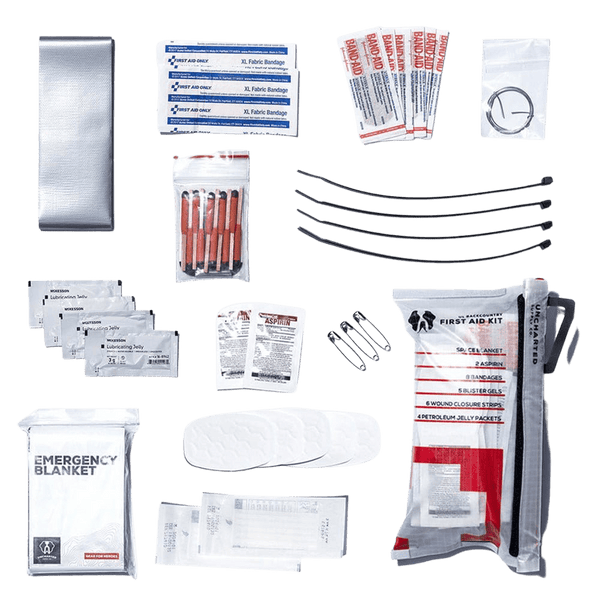
Regulations often detail the minimum contents your first aid kit should include. Common items are adhesive plasters, sterile dressings, adhesive tape, scissors, and disposable gloves. Some guidelines also recommend including a first aid manual or instruction leaflet.
Think about your shop’s risks—do you handle sharp tools or chemicals? You might need to add items like burn dressings or eye wash solutions. Customizing your kit not only meets legal standards but also prepares you for real emergencies.
Regular Inspection And Maintenance Requirements
It’s not enough to just buy a first aid kit and forget about it. Laws often require regular checks to ensure all items are present and in usable condition. Expired or used supplies must be replaced promptly to maintain readiness.
Setting a monthly reminder to inspect your kit can prevent last-minute scrambles during an emergency. You could even assign this task to a trusted employee to keep things consistent. How often do you check your safety equipment?
Record Keeping And Reporting
Some regulations ask you to keep records of first aid incidents and the maintenance of your first aid supplies. Documentation helps track patterns in accidents and demonstrates your compliance during inspections. It can also support your case if any legal issues arise.
Maintaining a simple logbook or digital record is a practical way to stay organized. Have you considered how this paperwork might improve your overall safety management?
Basic First Aid Kit Components
Every shop should have a reliable first aid kit ready for unexpected injuries. The basic components inside can make a big difference in handling minor wounds quickly and effectively. Knowing what to include helps you stay prepared and confident in emergencies.
Bandages And Dressings
Bandages and dressings protect cuts, scrapes, and burns from dirt and infection. Stock a variety of sizes, including adhesive bandages, gauze pads, and elastic bandages. You might find yourself needing a large sterile dressing for a deeper cut or a small strip for a paper cut.
Keep some waterproof options too, especially if your shop involves water or liquids. Having these handy means you can stop bleeding and keep the wound clean right away.
Antiseptics And Cleaning Supplies
Cleaning wounds properly prevents infections, which can turn a small injury into a serious problem. Include antiseptic wipes, hydrogen peroxide, or iodine solution in your kit. These help you clean the area around the wound quickly and safely.
Don’t forget cotton balls or swabs to apply these antiseptics gently. You might also want a small bottle of saline solution for rinsing debris out of eyes or wounds. How often do you check if your cleaning supplies are still effective?
Pain Relief Medications
Minor injuries can hurt, and having pain relief options in your first aid kit can ease discomfort immediately. Include over-the-counter painkillers such as ibuprofen or acetaminophen. These medications help reduce pain and inflammation, so your customer or employee feels better faster.
Always label the medicines clearly and check expiration dates regularly. You never want to reach for pain relief only to find it’s outdated or missing. What pain relief options would you want on hand if an accident happened right now?
Specialized Items For Shop Environments
Having a first aid kit tailored for a shop environment means including items that address the unique risks workers face daily. Ordinary bandages and antiseptics are essential, but specialized supplies can make the difference between a minor incident and a serious health issue. Think about the common injuries in your shop—burns, eye splashes, and cuts—and prepare accordingly.
Burn Treatment Supplies
Burns happen fast in shops, especially near hot equipment or chemicals. Your first aid kit should have burn dressings that cool and protect the skin immediately. Including sterile burn gels and non-stick burn pads helps reduce pain and prevents infections.
Have you ever noticed how a quick application of burn gel can stop a minor burn from worsening? Keeping these supplies accessible saves time and discomfort. Don’t forget to add gloves to prevent contamination while treating burns.
Eye Care Solutions
Eye injuries are common in workshops with dust, flying debris, or chemical splashes. Your first aid kit must include sterile saline solution or eye wash bottles to flush out irritants effectively. An eye cup or small irrigation device can make rinsing easier and more thorough.
Imagine how panic can increase if you don’t have proper eye wash supplies at hand during an emergency. Ready access to these items can protect vision and calm the injured person quickly. Adding eye pads and protective goggles to your kit is also smart for both treatment and prevention.
Wound Closure Strips
Small cuts often happen in shops, and some need more than just a bandage. Wound closure strips, or butterfly bandages, pull the skin edges together to speed healing and reduce scarring. They are easy to apply and can often prevent the need for stitches.
Think about the last time you cut yourself and struggled to keep the wound closed. Having wound closure strips in your first aid kit lets you manage cuts more effectively and confidently. Pair them with antiseptic wipes and adhesive tape to complete your wound care setup.
Tools And Equipment
A well-stocked first aid kit for a shop must include the right tools and equipment. These items help manage injuries quickly and safely. They assist in cutting, cleaning, and protecting wounds. Proper tools ensure effective first aid without causing more harm.
Scissors And Tweezers
Scissors are essential for cutting bandages, tape, or clothing. They must have blunt tips to avoid accidental cuts. Tweezers help remove small objects like glass or splinters from wounds. Both tools should be clean and rust-free for safe use.
Disposable Gloves
Disposable gloves protect both the injured person and the responder. They prevent contact with blood and other body fluids. Gloves reduce the risk of infection and cross-contamination. Always keep multiple pairs in the kit for repeated use.
Cpr Mask
A CPR mask allows safe mouth-to-mouth resuscitation. It creates a barrier between the rescuer and the patient. This mask helps maintain hygiene and reduces the risk of disease transmission. Include a mask with a one-way valve for better protection.
Maintaining And Restocking The Kit
Maintaining and restocking your shop’s first aid kit is essential to ensure it’s always ready when you need it most. A well-kept kit can make a real difference during emergencies, but only if the supplies inside are current and suitable. Regular attention to your kit helps you avoid unpleasant surprises and keeps your workplace safer for everyone.
Regular Inspections
Set a schedule to check your first aid kit at least once a month. During inspections, look for damaged packaging, missing items, and any signs of moisture or dirt. You want to be sure that everything is clean, sealed, and easy to find.
Think about how a quick inspection could save you precious time in an emergency. Have you ever found something missing when you needed it most? Catching these issues early prevents panic and confusion.
Replacing Expired Items
Medicines, ointments, and adhesive bandages have expiration dates that matter. Using expired products can reduce their effectiveness or even cause harm. Keep a list of expiry dates and replace items before they run out.
Make it a habit to toss out old supplies during your inspections. This simple step can prevent you from relying on useless or unsafe materials when someone’s health depends on your kit.
Updating Supplies According To Needs
Your shop’s risks may change over time, and so should your first aid kit. If you start working with new tools or materials, add items that address those specific hazards. For example, if you begin handling chemicals, include eye wash solutions and gloves.
Ask yourself what new injuries might happen in your current setup. Are you prepared for cuts, burns, or allergic reactions? Tailoring your kit to your shop’s unique needs keeps it practical and effective.
Training Employees For Emergency Situations
Training employees for emergency situations is vital for any shop. Proper training helps staff act quickly and confidently. It reduces panic and improves safety. Employees learn how to use the first aid kit properly. They also understand how to respond to different emergencies.
Well-trained employees can provide immediate help before medical professionals arrive. This can save lives and reduce injury severity. Training builds a safer workplace and boosts employee confidence. It also shows that the shop cares about everyone’s well-being.
Understanding Basic First Aid Skills
Employees should know basic first aid techniques. These include treating cuts, burns, and sprains. Knowing how to stop bleeding is important. Learning CPR can also be lifesaving. Simple skills make a big difference in emergencies.
Recognizing Different Types Of Emergencies
Training must cover various emergency scenarios. Fires, choking, and fainting are common examples. Employees learn signs to watch for. Recognizing emergencies early allows faster response. This prevents problems from getting worse.
Using The First Aid Kit Correctly
Employees need to know what items are in the first aid kit. They learn how to use each item safely. Proper use prevents infection and promotes healing. Training includes restocking the kit after use. This keeps it ready for the next emergency.
Conducting Regular Drills And Refresher Courses
Regular practice keeps skills sharp. Drills simulate real emergencies. They help employees feel more prepared. Refresher courses update knowledge and introduce new techniques. Consistent training maintains a safe shop environment.

Credit: www.amazon.com
Creating An Emergency Plan
Creating an emergency plan for your shop is essential to handle unexpected injuries or accidents effectively. Without a clear plan, even a well-stocked first aid kit can fall short in a crisis. You need a strategy that ensures quick action and clear roles for everyone involved.
Designating First Aid Responders
Identify team members who will take charge during a medical emergency. Choose people who are calm under pressure and preferably trained in first aid. Give them clear responsibilities, such as assessing injuries, administering aid, and calling for professional help if needed.
Make sure responders know where the first aid kit is located and how to use its contents. You might want to run simple drills so everyone feels confident in their role. Have you thought about who on your team stays calm and focused when things get chaotic?
Communication Protocols
Establish how your team will communicate during an emergency. Decide on signals or phrases everyone understands to avoid confusion. Use walkie-talkies, phones, or even loud verbal cues depending on your shop’s size and noise level.
Write down emergency contact numbers and post them near the first aid kit and workstations. Make sure every employee knows who to call—whether it’s a supervisor, emergency services, or a nearby medical facility. Clear communication can save precious minutes and lives.
Evacuation Procedures
Plan safe and quick evacuation routes for your shop. Mark exits clearly and keep pathways free of obstacles. During your emergency drills, practice moving injured persons safely and efficiently to a designated assembly area.
Think about special needs—how will you assist someone with mobility issues? Assign roles such as guiding others out or checking rooms to ensure no one is left behind. Your evacuation plan should be simple, accessible, and known to every employee.

Credit: www.safetykitsplus.com
Frequently Asked Questions
What Essential Items Should A Shop First Aid Kit Contain?
A shop first aid kit should include bandages, antiseptic wipes, adhesive tape, scissors, gloves, and a CPR mask. These items address common shop injuries like cuts, burns, and sprains quickly and effectively.
How Often Should A Shop First Aid Kit Be Checked?
Check your shop first aid kit monthly to ensure all supplies are stocked and unexpired. Regular checks keep the kit ready for emergencies and maintain workplace safety compliance.
Where Is The Best Place To Store A Shop First Aid Kit?
Store the first aid kit in a visible, easily accessible area near workstations. Clear signage helps employees find it quickly during an emergency, reducing response time and injury severity.
Who Should Be Responsible For Managing The First Aid Kit In A Shop?
Assign a trained employee or safety officer to manage the kit. This person ensures supplies are replenished, checks expiration dates, and maintains readiness for emergencies.
Conclusion
A first aid kit is a must-have for every shop. It helps treat small injuries fast. Keep it stocked and easy to find. Check supplies often to replace used items. Train your staff to use the kit well. Quick care can stop problems from growing.
Being prepared shows you care about safety. A simple kit can save time and pain. Don’t wait for accidents to happen. Prepare today for a safer shop tomorrow.

I’m Abby Lu, a passionate home cook who loves simplifying everyday meals. At PlugChef.com, I share product reviews and cooking guides to help you find the best tools for your kitchen.
Related posts:
 What Type of Cooking Utensils are Safe: Expert Picks
 What Innovations Could Blenders Make: Unleashing Future Tech
 Smart Strategies to Organize a Small Kitchen: Maximize Space
 How to Organize a Kitchen Cabinet: Expert Tips & Tricks
 How to Organize Kitchen Drawers: Expert Tips and Tricks
 How to Organize a Corner Kitchen Cupboard: Expert Tips

