
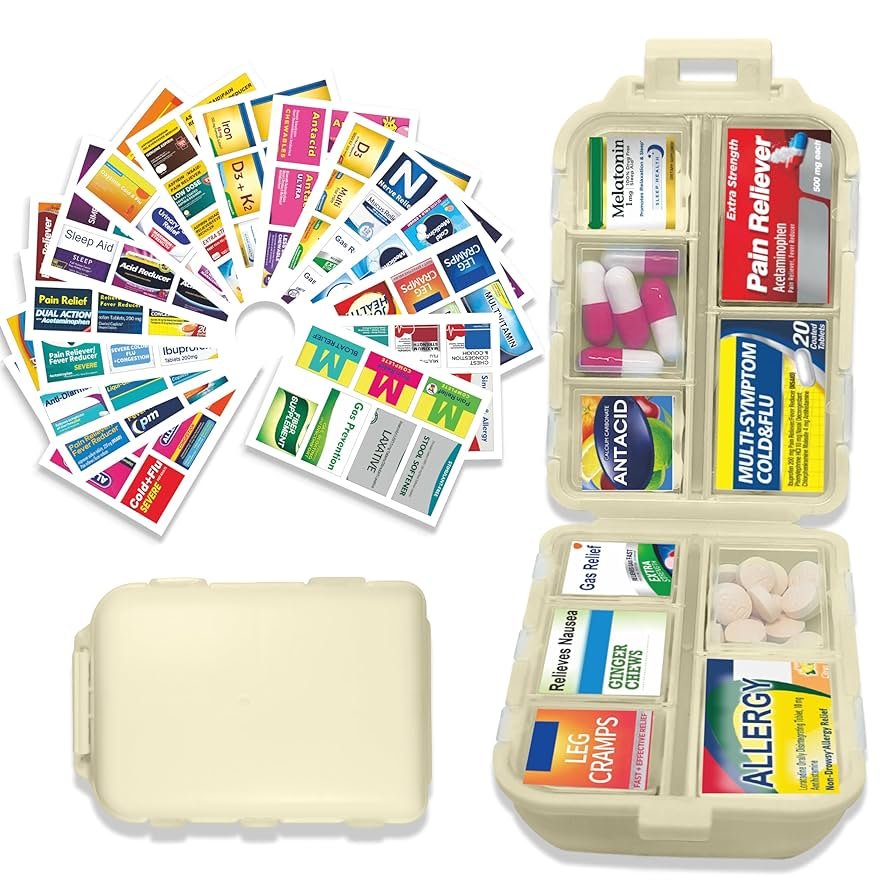
When an injury happens, every second counts. Having your first aid supplies organized and ready can make all the difference.
That’s where a tackle box for your first aid kit comes in. Imagine a sturdy, compact container that keeps everything neat, easy to find, and quick to grab when you need it most. You’ll discover why a tackle box might be the smartest choice for your first aid needs—and how it can help you stay prepared and calm in any emergency.
Ready to make your first aid kit more efficient? Let’s dive in.

Credit: www.mountainbuzz.com
Importance Of Organization In Emergencies
Emergencies demand quick action. Every second counts. Organization in a first aid kit can save precious time. A well-organized tackle box helps you find supplies fast. It reduces stress and confusion during critical moments.
Knowing where each item is placed allows swift response. It prevents fumbling and searching when someone needs help. Proper arrangement ensures all essentials are easy to access. This can improve care quality and outcomes.
Easy Identification Of Supplies
An organized tackle box separates items by type. Bandages, antiseptics, and tools each have their own place. Clear labels or compartments make finding items simple. This reduces mistakes and helps you act confidently.
Faster Response Time
Quick access to supplies speeds up treatment. Emergency situations often require immediate care. Organization avoids delays caused by digging through clutter. It enables you to treat injuries promptly and effectively.
Prevents Running Out Of Essentials
Keeping items sorted helps track supply levels. You can see what needs replacement easily. This avoids situations where critical items are missing. Regular checks keep your first aid kit ready at all times.
Maintains Cleanliness And Safety
Proper storage protects supplies from damage. It prevents contamination and spoilage. Organized kits keep everything dry and secure. This ensures all items remain safe to use.

Credit: www.amazon.in
Choosing The Right Tackle Box
Choosing the right tackle box for your first aid kit can make a big difference in how quickly and efficiently you respond to emergencies. The perfect box keeps your supplies organized, protected, and easy to find. Think about what you really need and how you’ll use the box before making a decision.
Size And Capacity Considerations
Start by assessing how many items you want to store. A small tackle box might be perfect for basic supplies like bandages and antiseptic wipes. But if you plan to include more advanced items such as scissors, gloves, or medications, look for a larger box with multiple compartments.
Remember, a bulky box can be hard to carry, especially if you need it on the go. Do you want something compact enough to fit in your backpack or car glove compartment? Choosing the right size helps you keep everything handy without feeling weighed down.
Material And Durability
The material of your tackle box affects how well it protects your supplies. Plastic boxes are lightweight and often waterproof, which keeps your first aid items safe from spills or rain. Metal boxes are tougher but heavier, offering strong protection against impacts.
Think about where you’ll use the box most. Will it stay indoors, or do you need something rugged enough for outdoor adventures? A durable box ensures your supplies don’t get damaged when you need them most.
Accessibility Features
Quick access can save crucial seconds during emergencies. Look for tackle boxes with clear, labeled compartments or removable trays. Transparent lids or sections help you spot what you need without digging through everything.
Consider how easy it is to open and close the box, especially if your hands are shaky or injured. Locks or secure latches are good, but they shouldn’t slow you down. Would adding color-coded sections or a checklist inside the lid help you stay organized?
Essential Items For Your First Aid Kit
A well-stocked first aid kit can make a big difference in emergencies. Knowing what to include helps you prepare for common injuries and health issues. Choose items that cover basic care, emergency needs, and personal health concerns. Organize everything in a tackle box for easy access and portability.
Basic Medical Supplies
- Adhesive bandages in various sizes
- Sterile gauze pads and adhesive tape
- Antiseptic wipes and antibiotic ointment
- Scissors and tweezers for precision tasks
- Disposable gloves to maintain hygiene
- Instant cold packs for swelling or bruises
- Elastic bandages for sprains or strains
Specialized Emergency Tools
- CPR face shield for safe resuscitation
- Thermometer to monitor body temperature
- Emergency blanket to prevent hypothermia
- First aid manual with clear instructions
- Medical scissors designed for cutting clothing
- Finger splints for immobilizing injuries
Personalized Health Items
- Prescription medications with clear labels
- Allergy relief medicine like antihistamines
- Inhalers or epinephrine auto-injectors
- Personal hygiene products like lip balm
- Extra pairs of contact lenses or glasses
- Special supplements or vitamins you use daily
Strategic Arrangement Of Supplies
Arranging your first aid supplies strategically in a tackle box is more than just neatness—it’s about efficiency and readiness. When emergencies happen, you want to reach the right item without wasting precious seconds. Thoughtful organization can make a big difference in how quickly and effectively you respond.
Categorizing By Use
Group your supplies based on their purpose. Keep wound care items like bandages, antiseptic wipes, and gauze together. Place pain relievers, allergy medicines, and other medications in a separate section.
This separation helps you find what you need instantly. Imagine needing a bandage but having to dig through pills first—frustrating, right? Clear categories reduce confusion and speed up your response.
Placement For Quick Access
Put the most commonly used supplies in the top compartments or outer trays of your tackle box. Items like adhesive tape, scissors, and gloves should be easy to grab without opening every section.
Think about what you reach for first during an emergency. You can even store duplicates in multiple spots if they’re critical. This way, you avoid fumbling and keep your focus where it belongs—on the person needing care.
Labeling And Identification
Labels are your best friend when organizing a tackle box first aid kit. Use clear, waterproof labels on each compartment or container inside the box.
Labels prevent mistakes and save time, especially when you’re stressed. Consider color-coding for different categories to make identification even faster. Have you ever tried finding a small item in a jumble? Labels solve that problem instantly.
Maintaining And Updating Your Kit
Keeping your tackle box first aid kit ready is vital for emergencies. Regular maintenance ensures you have the right supplies when needed. Updating the kit adapts it to changes and new health needs. This practice saves time and stress during urgent moments.
Regular Inventory Checks
Check your kit contents often to know what you have. Look for missing items or low supplies. Organize the kit to keep things visible and easy to find. Keep a checklist to track your inventory quickly. This habit avoids surprises during emergencies.
Replacing Expired Items
Many first aid supplies have expiration dates. Replace expired items immediately to keep your kit safe and effective. Common items to watch include medications, ointments, and sterile dressings. Dispose of old items carefully to prevent misuse. Staying current ensures your kit works well.
Adjusting To Seasonal Needs
Change your first aid kit based on the season or activities. Add items like sunscreen and insect repellent in summer. Include extra warm packs or allergy medicines in colder months. Tailor your kit for trips, sports, or specific health conditions. This adjustment improves your readiness for any situation.

Credit: foodstorageorganizer.com
Customizing For Specific Situations
Customizing a tackle box for a first aid kit makes it ready for many situations. Different environments and needs require different tools and supplies. A tailored kit helps respond quickly and effectively in emergencies. It keeps essential items organized and easy to find.
Outdoor And Adventure Preparedness
Outdoor activities bring unique risks. A first aid tackle box should include:
- Bandages and antiseptics for cuts and scrapes
- Insect bite relief and allergy medicine
- Blister pads and pain relievers
- Water purification tablets or small filters
- Emergency blanket and whistle
Compact and waterproof containers protect supplies from the elements. Carrying a well-stocked kit can prevent small injuries from becoming serious problems.
Home And Family Emergency Needs
Home first aid kits serve daily family safety. Include items for common injuries like burns, cuts, and falls. Useful supplies are:
- Thermometer and cold packs
- Child-safe medications and syringes
- Adhesive tape and sterile gauze
- CPR mask and scissors
- Allergy medications and emergency contacts list
Organize the tackle box for quick access. Keep it in a central, known location for all family members.
Travel And Mobility Considerations
Travel demands a portable and lightweight first aid kit. Focus on essential, multi-use items. These may include:
- Travel-sized antiseptic wipes and bandages
- Motion sickness tablets and painkillers
- Small scissors and tweezers
- Copy of prescriptions and medical info
- Reusable cold pack and hand sanitizer
Choose a tackle box that fits easily in a bag or backpack. Proper customization ensures readiness during trips or daily commutes.
Frequently Asked Questions
What Makes A Tackle Box Ideal For A First Aid Kit?
A tackle box is durable, compartmentalized, and portable. It keeps first aid supplies organized and easy to access in emergencies. Its adjustable compartments suit various medical items, making it a practical choice for first aid storage.
How Do I Organize A First Aid Kit In A Tackle Box?
Group items by type: bandages, antiseptics, tools, and medications. Use compartments to separate these groups. Label sections for quick identification. This method ensures fast access and efficient use during emergencies.
Can A Tackle Box Protect First Aid Supplies From Damage?
Yes, tackle boxes are designed to be sturdy and water-resistant. They shield supplies from moisture, dust, and impact. This protection helps maintain the effectiveness of first aid items over time.
What Size Tackle Box Is Best For A First Aid Kit?
Choose a medium-sized tackle box with multiple compartments. It offers enough space for essential supplies without being bulky. Size depends on your needs, but portability and organization are key factors.
Conclusion
A tackle box makes a first aid kit easy to carry and organize. It keeps supplies neat and ready for quick use. You can find different sizes to fit your needs. A well-packed tackle box helps during emergencies. It saves time and reduces stress.
Always check your kit and restock items as needed. Stay prepared and safe with a simple tackle box first aid kit.

I’m Abby Lu, a passionate home cook who loves simplifying everyday meals. At PlugChef.com, I share product reviews and cooking guides to help you find the best tools for your kitchen.
Related posts:
 What Type of Cooking Utensils are Safe: Expert Picks
 What Innovations Could Blenders Make: Unleashing Future Tech
 Smart Strategies to Organize a Small Kitchen: Maximize Space
 How to Organize a Kitchen Cabinet: Expert Tips & Tricks
 How to Organize Kitchen Drawers: Expert Tips and Tricks
 How to Organize a Corner Kitchen Cupboard: Expert Tips

