
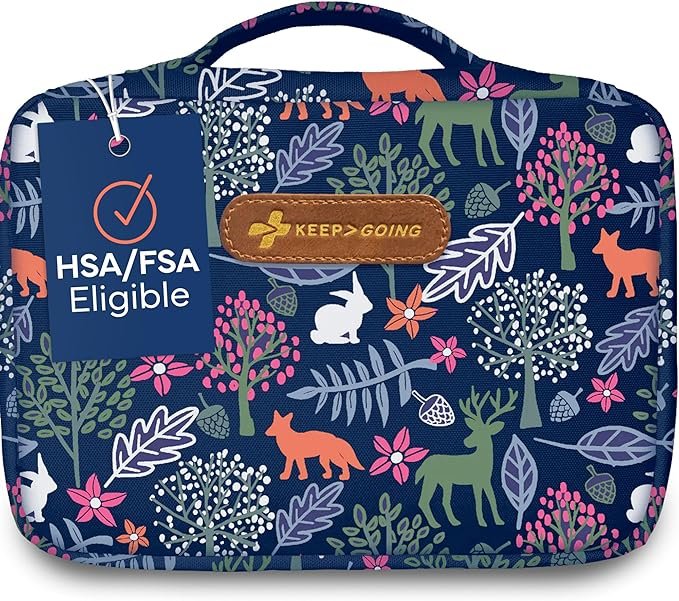
Imagine having the perfect first aid kit right when you need it most. Your “Keep Going First Aid Kit” is more than just a box of supplies—it’s your safety net in emergencies.
Whether you’re at home, on a hike, or traveling, this kit helps you handle surprises quickly and confidently. Ready to learn how to keep yourself and your loved ones protected? Keep reading to discover what makes a first aid kit essential and how to build one that keeps you moving forward, no matter what happens.

Credit: www.facebook.com
Key Components Of A First Aid Kit
Knowing what to keep in your first aid kit is crucial. The right components can make a real difference in how you handle injuries or emergencies. Each item plays a specific role, helping you act quickly and effectively when it matters most.
Bandages And Dressings
Bandages and dressings are your frontline defense against cuts and scrapes. They stop bleeding and protect wounds from dirt and germs. You should have a variety of sizes—from small adhesive bandages to larger gauze pads—to cover different types of injuries.
Think about your last minor injury. Did you have the right bandage to keep it clean? Having these ready can prevent infections and speed up healing.
Antiseptics And Cleansers
Cleaning a wound properly reduces the risk of infection. Antiseptics like alcohol wipes or hydrogen peroxide are essential for this task. They kill bacteria and help ensure your wound stays safe from harmful germs.
Consider how easy it is to overlook this step when you’re in a rush. Including antiseptics in your kit means you won’t skip it, even under pressure.
Pain Relief Medication
Pain relief medication helps you manage discomfort from injuries or sudden aches. Over-the-counter options like ibuprofen or acetaminophen are common choices. These medicines can help you stay calm and focused while you deal with an emergency.
Have you ever had a minor injury that hurt more than expected? Keeping pain relief on hand prepares you to handle pain quickly and comfortably.
Emergency Tools And Instruments
Tools like scissors, tweezers, and disposable gloves add practical support to your first aid efforts. Scissors help cut bandages or clothing, tweezers remove splinters, and gloves protect you and the injured person from germs. A small flashlight or CPR mask can also be lifesavers in serious situations.
Ask yourself: do you have the right tools ready, or would you struggle to perform even basic first aid? Equipping your kit with these instruments makes you ready for unexpected challenges.
Specialized Items For Various Emergencies
Every emergency is unique, and having a first aid kit tailored to specific situations makes all the difference. The Keep Going First Aid Kit includes specialized items designed to handle a variety of emergencies. This thoughtful preparation ensures you’re ready whether you’re deep in the wilderness, at home, or traveling abroad.
Outdoor And Wilderness Emergencies
When you’re far from help, your first aid kit needs to cover risks like insect bites, blisters, and cuts. The Keep Going First Aid Kit includes:
- Insect sting relief wipes and antihistamine cream to reduce swelling and itching
- Blister pads and moleskin to protect your feet during long hikes
- Water purification tablets in case clean water is scarce
- A compact emergency blanket to prevent hypothermia
Imagine hiking a remote trail and suddenly twisting your ankle. Having a sturdy elastic bandage and cold pack can ease pain and stabilize your injury until you get help.
Home And Urban Situations
Accidents at home or in the city are common and often unexpected. Your kit should include items that address burns, cuts, and minor electrical shocks. The Keep Going First Aid Kit offers:
- Burn gel packs for quick cooling and pain relief
- Sterile gauze and adhesive strips for wound care
- CPR face shield to assist with safe resuscitation
- Disposable gloves to keep you protected from infections
Have you ever dealt with a kitchen burn? Having burn gel immediately helps reduce damage and discomfort. It’s these small details that make your first aid kit truly helpful.
Travel And Adventure Needs
Traveling exposes you to new environments and sometimes unfamiliar health risks. The Keep Going First Aid Kit is packed with items suited for international travel and adventure sports, such as:
- Motion sickness tablets to ease nausea during long journeys
- Antiseptic wipes and antibiotic ointments to prevent infections
- Compact scissors and tweezers for removing splinters or ticks
- Emergency whistle to signal for help in crowded or remote areas
Think about your last trip—did you have everything you needed when a minor injury happened? This kit ensures you don’t have to rely on finding a pharmacy in an unfamiliar place.
Maintaining Your First Aid Kit
Keeping your first aid kit ready can make a real difference during emergencies. But just having one isn’t enough—you need to maintain it well. Regular attention ensures your supplies are fresh, complete, and easy to find when you need them most.
Regular Check-ups And Restocking
Check your first aid kit at least every three months. Look for expired items, damaged packaging, or anything that’s been used up. If you discover missing supplies like bandages or antiseptic wipes, add them back immediately.
Think about the last time you needed your kit—did you find everything quickly? If not, reorganize it to keep essentials accessible. Keeping a list inside the kit helps you track what’s running low and what needs replacing.
Storage Tips And Safety Precautions
Store your first aid kit in a cool, dry place away from direct sunlight. Heat and moisture can ruin medicines and adhesives quickly. Avoid places where kids can easily reach it without supervision.
Consider a clearly labeled, waterproof container to protect contents from spills or weather. You might also want to keep a smaller kit in your car or backpack for emergencies on the go. How easily can you grab your kit in a hurry?
Credit: ninelife.id
Training And Preparedness
Training and preparedness are the backbone of effective first aid. Having a Keep Going First Aid Kit is great, but knowing how to use it can save lives. Understanding basic skills and advanced techniques ensures you respond confidently in emergencies.
Basic First Aid Skills
Knowing simple first aid skills can make a huge difference. You should learn how to:
- Perform CPR
- Stop bleeding using pressure and bandages
- Treat minor burns and cuts
- Recognize signs of shock and respond accordingly
These skills don’t require medical training but do need practice. Have you ever hesitated because you weren’t sure what to do? Practicing these basics builds your confidence to act fast and correctly.
Advanced Emergency Response Techniques
Going beyond basics, advanced techniques prepare you for serious situations. This includes:
- Using an Automated External Defibrillator (AED)
- Managing fractures and spinal injuries
- Handling choking emergencies in adults and children
- Administering emergency medications like epinephrine
Learning these can turn a bystander into a lifesaver. Have you considered taking a certified first aid course? It can equip you with hands-on experience that reading alone can’t provide.
Choosing The Right First Aid Kit
Choosing the right first aid kit is essential for safety and quick response during emergencies. A good kit matches your lifestyle, environment, and health needs. It helps you handle minor injuries and prevents complications. Understanding your needs ensures you pick the best kit for your situation.
Evaluating Personal Needs
Think about your daily activities and potential risks. Consider your age, health conditions, and allergies. Include items for common injuries you may face. For example:
- Bandages for cuts and scrapes
- Antiseptic wipes to clean wounds
- Pain relief medication
- Allergy medicine if needed
Evaluate the number of people in your household or group. Larger groups need bigger kits with extra supplies. Also, consider your location. Outdoor enthusiasts may need more supplies for bites and stings.
Comparing Pre-made Kits Vs. Custom Kits
Pre-made kits are ready to use and cover basic needs. They are convenient and affordable. These kits suit general home or office use. They usually include common first aid items and instructions.
Custom kits allow you to add specific items. Perfect for special health conditions or unique environments. You control the quantity and type of supplies. This option may cost more and take time to assemble.
Both types have pros and cons. Choose based on your comfort, budget, and specific needs. A well-stocked kit saves time and stress during emergencies.

Credit: thedigitalhealthstore.com
Frequently Asked Questions
What Should Be Included In A Keep Going First Aid Kit?
A Keep Going First Aid Kit should include bandages, antiseptic wipes, adhesive tape, scissors, tweezers, pain relievers, and gloves. These essentials help treat minor injuries and prevent infections quickly and effectively.
How Often Should I Check My First Aid Kit Supplies?
You should check your first aid kit every 3 to 6 months. Replace expired or used items to ensure the kit is always ready for emergencies.
Can A Keep Going First Aid Kit Handle Serious Injuries?
No, this kit is designed for minor injuries and emergencies. For serious injuries, seek professional medical help immediately.
Where Is The Best Place To Store A First Aid Kit?
Store your first aid kit in an easily accessible, dry, and visible place. This ensures quick access during emergencies.
Conclusion
A Keep Going First Aid Kit helps you stay ready for small injuries. It fits in your bag or car, making help close by. Using simple tools, you can fix cuts or scrapes quickly. This kit saves time and pain when accidents happen.
Always check your kit and replace used items. Being prepared gives you peace of mind every day. Carrying a first aid kit is a smart choice for safety. Stay safe, stay prepared, and keep going strong.

I’m Abby Lu, a passionate home cook who loves simplifying everyday meals. At PlugChef.com, I share product reviews and cooking guides to help you find the best tools for your kitchen.
Related posts:
 What Type of Cooking Utensils are Safe: Expert Picks
 What Innovations Could Blenders Make: Unleashing Future Tech
 Smart Strategies to Organize a Small Kitchen: Maximize Space
 How to Organize a Kitchen Cabinet: Expert Tips & Tricks
 How to Organize Kitchen Drawers: Expert Tips and Tricks
 How to Organize a Corner Kitchen Cupboard: Expert Tips

