
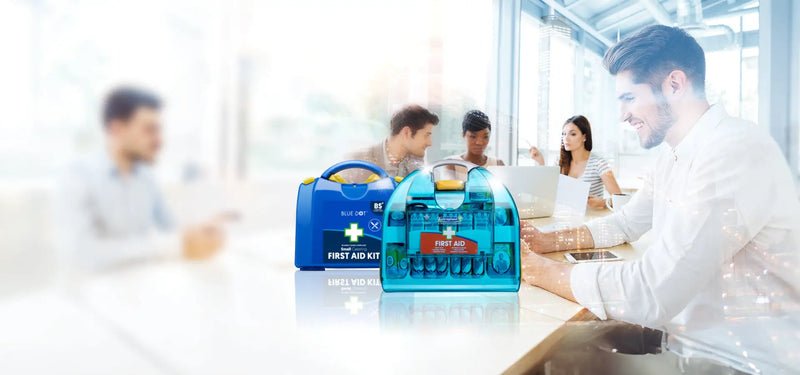
When it comes to safety, having a well-stocked first aid kit is just the beginning. But do you know if your first aid supplies are up to date and ready for any emergency?
Managing your first aid kit properly can make all the difference between quick recovery and prolonged harm. You’ll discover how First Aid Kit Management Services take the guesswork out of safety, ensuring your kit is always complete, compliant, and reliable.
Keep reading to learn how you can protect yourself, your team, and your space with smart, stress-free first aid management.
Credit: www.redcross.org
Importance Of First Aid Kits
First aid kits are more than just boxes with bandages and antiseptics. They are critical tools that can make the difference between a minor incident and a serious injury. Having a well-stocked and properly managed first aid kit means you’re prepared to act quickly and effectively when accidents happen.
Role In Workplace Safety
First aid kits play a key role in keeping your workplace safe. Quick access to medical supplies helps reduce the severity of injuries and can prevent complications. Imagine a situation where a small cut becomes infected simply because there was no antiseptic nearby.
By having first aid kits readily available and maintained, you empower your employees to take immediate action. This not only boosts confidence but also minimizes downtime caused by workplace injuries. Are you sure your workplace is truly prepared for emergencies?
Legal Requirements
Many regions have strict laws about first aid kits in workplaces. These laws specify what kind of supplies must be included and how often the kits should be checked. Ignoring these rules can lead to fines and put your business at risk.
Staying compliant means you protect both your employees and your organization. Regular inspections and restocking ensure that your first aid kits meet legal standards. Have you reviewed your first aid kit management policies recently to ensure compliance?
Components Of A First Aid Kit
A well-stocked first aid kit is essential for quick and effective response to injuries. Knowing its components helps maintain readiness. A first aid kit combines basic supplies and specialized equipment. Both types play key roles in handling common emergencies safely and efficiently.
Basic Supplies
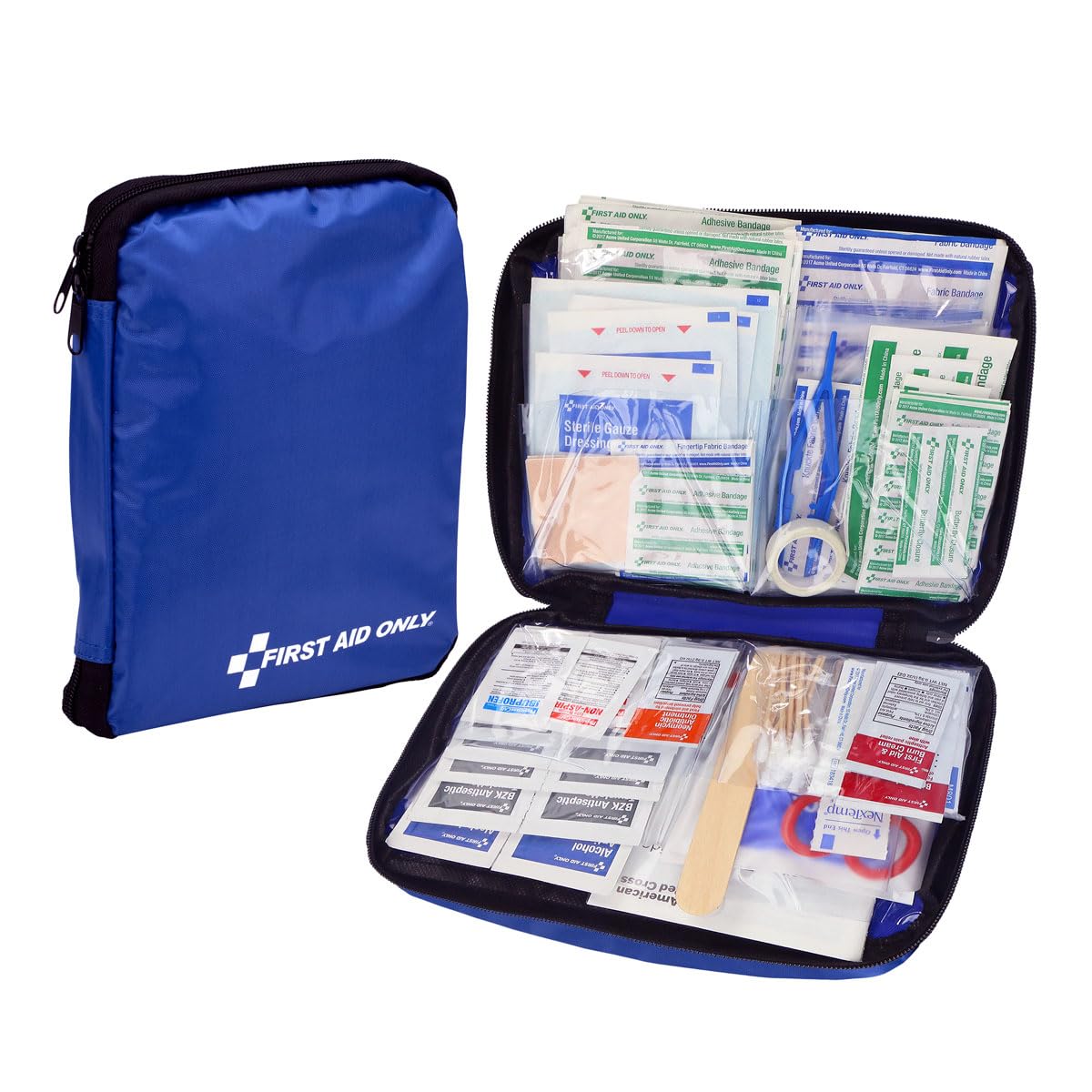
Basic supplies cover most minor injuries. These include items to clean wounds, stop bleeding, and protect skin. Common supplies are:
- Adhesive bandages in various sizes
- Sterile gauze pads
- Antiseptic wipes and ointments
- Medical tape
- Scissors and tweezers
- Disposable gloves
- Elastic bandages
- Instant cold packs
- CPR face shield
These items help control bleeding, prevent infection, and provide temporary care. They are essential for everyday injuries like cuts, scrapes, and bruises.
Specialized Equipment
Specialized equipment supports treatment of more serious injuries. These tools require some training to use properly. Examples include:
- Burn dressings and gel packs
- Splints for fractures
- Thermometer for checking fever
- Eye wash solution
- Resuscitation mask
- Finger splints
- Emergency blanket
Specialized equipment helps stabilize the injured until professional help arrives. It improves safety in workplaces and public areas. Regular checks keep these items ready and effective.
Regular Maintenance Strategies
Regular maintenance strategies keep first aid kits ready for any emergency. Well-maintained kits help save lives by providing the right supplies at the right time. Routine checks avoid missing or expired items. A solid maintenance plan improves safety and compliance.
Inventory Checks
Inventory checks ensure all necessary items are in the kit. Count each item and compare it with the checklist. Replace missing or used supplies immediately. Use a simple log to track inventory status. Frequent checks prevent shortages and keep the kit reliable.
Expiration Date Management
Expiration date management removes expired items before they become useless. Check labels carefully to identify expiration dates. Replace expired products with fresh ones without delay. Use a calendar or software to track expiry dates. This process guarantees all supplies work effectively during emergencies.
Training Staff For First Aid
Training staff for first aid is essential in any workplace or public environment. It ensures employees can act quickly and correctly during emergencies. Proper training builds confidence and improves safety for everyone. Well-prepared staff can reduce injury severity and save lives.
Skill Development
First aid skill development focuses on practical abilities. Staff learn how to:
- Perform CPR correctly
- Stop bleeding using pressure techniques
- Handle choking emergencies
- Use first aid equipment effectively
- Recognize signs of shock and other conditions
Hands-on practice sessions help staff retain these skills. Regular refreshers keep knowledge sharp and up-to-date.
Emergency Response Protocols
Training includes clear emergency response protocols. Staff learn step-by-step actions to take in crises. This includes:
- Assessing the scene safely
- Calling for professional medical help
- Providing appropriate first aid measures
- Communicating clearly with emergency responders
- Documenting incidents properly
Following protocols reduces confusion and speeds up help. Everyone knows their role during emergencies.
Choosing A Management Service
Choosing a first aid kit management service ensures safety and compliance. It helps keep your kits stocked and ready. Selecting the right provider can save time and reduce risks. Focus on quality, reliability, and cost to make the best choice.
Evaluating Providers
Check how long the provider has operated in the market. Look for certifications and compliance with safety standards. Read reviews and ask for client references. Confirm they offer regular inspections and restocking. Assess their response time for emergencies. Ensure they provide customized kits for your needs.
Cost Considerations
Compare prices of different providers carefully. Understand what services are included in the fee. Watch for hidden charges like delivery or emergency restocking. Balance cost with quality and service reliability. Consider long-term contracts versus pay-as-you-go plans. Choose a service that fits your budget without cutting corners.
Compliance With Safety Standards
Keeping your first aid kit management aligned with safety standards is not just about having supplies on hand. It’s about meeting specific rules that protect everyone in your space. Compliance ensures you’re ready for emergencies and that you avoid penalties from safety inspections.
Adhering To Regulations
Every workplace or public area has regulations you must follow for first aid readiness. These rules often specify what items your kit must include, how often you should check them, and where kits should be placed.
You might think a basic kit is enough, but missing even one required item can cause trouble during an inspection. For example, certain industries require specialized equipment like burn dressings or eye wash stations. Knowing the exact standards for your environment helps you prepare correctly.
Have you ever wondered if your current setup meets local safety laws? Checking this regularly prevents surprises and keeps your first aid kit truly useful.
Documentation Practices
Good documentation is key to proving your compliance with safety standards. Keeping records of what’s in your first aid kits, when items are replaced, and who conducted inspections can save you stress later.
Simple logs or digital tracking systems work well to document these details. They show that you’re proactive and responsible, which can be crucial during audits or after an incident.
Think about how easy it would be to find a missing item or confirm your kit’s status with clear records. Would your current documentation help you do that quickly?
Technology In First Aid Management
Technology has transformed first aid kit management. It makes the process faster and more accurate. Companies and organizations can keep track of supplies easily. This helps ensure kits are always stocked and ready for emergencies.
Smart tools help monitor kit contents in real time. They reduce human errors and save time. Technology also supports compliance with safety regulations. It makes first aid management more reliable and efficient.
Digital Tracking Systems
Digital tracking systems use software to monitor first aid kits. Each item is logged with its expiry date and quantity. Managers can check stock levels from any device. This prevents running out of essential supplies.
These systems provide detailed reports on kit usage. They help identify which items need restocking or replacement. Digital records simplify audits and inspections. They save effort and improve accuracy.
Automated Alerts
Automated alerts notify managers about low or expired items. Notifications can come via email or mobile apps. This ensures timely restocking and prevents expired products in kits.
Alerts reduce the risk of missing critical supplies during emergencies. They help maintain compliance with health and safety standards. Automated reminders keep first aid kits in optimal condition at all times.
Credit: www.nbcnews.com
Benefits Of Professional Services
Choosing professional first aid kit management services offers many advantages. These services ensure your kits are always stocked and compliant with safety rules. They help prevent emergencies and reduce risks at work or home. Trusting experts saves time and effort, letting you focus on daily tasks.
Expertise And Efficiency
Professionals know the exact items needed for different environments. They check expiry dates and replace used or damaged supplies. Regular inspections keep kits ready for emergencies. Experts follow health and safety laws strictly. This reduces errors and keeps your workplace safe.
Peace Of Mind
Knowing your first aid kits are managed by experts brings calm. You can trust kits will work when needed. No worries about missing or expired items. It shows care for employees, visitors, and family members. Peace of mind helps everyone feel safer and more secure.

Credit: www.instagram.com
Frequently Asked Questions
What Are First Aid Kit Management Services?
First aid kit management services ensure kits are well-stocked, compliant, and ready for emergencies. They monitor supplies and replace expired items regularly.
Why Is First Aid Kit Management Important?
Proper management reduces response time during emergencies. It ensures safety compliance and prevents shortages of essential medical supplies.
How Often Should First Aid Kits Be Inspected?
First aid kits should be inspected monthly or quarterly. Regular checks maintain readiness and compliance with safety regulations.
What Items Are Included In A First Aid Kit Management Service?
Services typically include bandages, antiseptics, gloves, dressings, and emergency medications. They customize kits based on workplace needs.
Conclusion
Managing first aid kits keeps your workplace safe and prepared. Regular checks ensure supplies are fresh and complete. Trained staff can respond quickly in emergencies. A well-maintained kit reduces risks and saves lives. Simple steps make a big difference every day.
Trustworthy services handle the details for you. Stay ready, stay safe, and protect everyone around.

I’m Abby Lu, a passionate home cook who loves simplifying everyday meals. At PlugChef.com, I share product reviews and cooking guides to help you find the best tools for your kitchen.
Related posts:
 What Type of Cooking Utensils are Safe: Expert Picks
 What Innovations Could Blenders Make: Unleashing Future Tech
 Smart Strategies to Organize a Small Kitchen: Maximize Space
 How to Organize a Kitchen Cabinet: Expert Tips & Tricks
 How to Organize Kitchen Drawers: Expert Tips and Tricks
 How to Organize a Corner Kitchen Cupboard: Expert Tips

