
Imagine reaching for your first aid kit in an emergency, only to find it empty. How would you feel?
Frustrated, unprepared, maybe even scared. Your first aid kit bag is supposed to be your safety net, but an empty one leaves you vulnerable when you need help the most. You’ll discover why having an empty first aid kit bag is a bigger risk than you think and what you must do right now to make sure your kit is always ready to protect you and your loved ones.
Keep reading—your safety depends on it.
Importance Of A Well-stocked First Aid Kit
A well-stocked first aid kit is not just a box of supplies; it’s your first line of defense in emergencies. Having the right items ready can make a significant difference when accidents happen unexpectedly. You never know when you might need to act quickly to help yourself or someone else.
Think about a moment when you or someone close to you got hurt. Would you feel confident reaching for a first aid kit that’s missing key items? That’s why ensuring your kit is fully stocked is crucial—it prepares you to handle minor injuries and potentially save lives.
Essential Items To Include In Your First Aid Kit
Every first aid kit should have basic supplies that cover a wide range of injuries. These include adhesive bandages, antiseptic wipes, sterile gauze pads, tweezers, scissors, and medical tape. Don’t forget pain relievers and allergy medication, which can be vital in certain situations.
- Adhesive bandages of various sizes
- Antiseptic wipes and creams
- Sterile gauze and cotton balls
- Medical tape and scissors
- Tweezers for splinters
- Pain relievers like ibuprofen or acetaminophen
- Allergy medicine such as antihistamines
How A Complete First Aid Kit Enhances Safety
When your first aid kit has everything you need, you reduce the risk of infections and complications. Quick treatment can stop minor injuries from becoming serious. Having proper tools also boosts your confidence to act calmly during stressful moments.
Imagine being on a hike and someone twists an ankle. Without the right supplies, you might feel helpless. But with a well-stocked kit, you can provide immediate support and pain relief, which can prevent further injury.
Why Regularly Checking And Restocking Your Kit Matters
Items in a first aid kit can expire or get used up without you noticing. Checking your kit regularly ensures that everything is in good condition and ready to use. It’s easy to forget this step until you face an emergency and find crucial supplies missing.
Set a reminder to review your kit every few months. Replace expired medications and replenish used items promptly. This small habit can make a big difference when you need help the most.
Choosing The Right First Aid Bag
Choosing the right first aid bag is essential for quick and easy access to supplies. The bag should be practical and fit your needs perfectly. Consider how and where you will use it. A good bag keeps everything organized and easy to find. It must be sturdy to protect your items during emergencies.
Size And Capacity
Pick a bag size that suits your environment. Small bags work well for cars or backpacks. Larger bags fit better for workplaces or homes. The bag should hold all necessary items without being too bulky. Think about future additions to your kit too.
Material And Durability
Choose strong, water-resistant materials to protect contents. Nylon and polyester are common choices. Look for bags with reinforced stitching and sturdy zippers. Durability matters if you carry the bag outdoors or in rough conditions.
Organization And Compartments
A well-organized bag saves time during emergencies. Separate pockets and compartments keep supplies sorted. Clear sections or mesh pockets make items visible. Adjustable dividers help customize the space for your needs.
Portability And Comfort
Consider how easy the bag is to carry. Lightweight bags reduce strain during travel. Shoulder straps or handles add convenience. Compact designs fit into backpacks or car trunks without hassle.
Visibility And Color
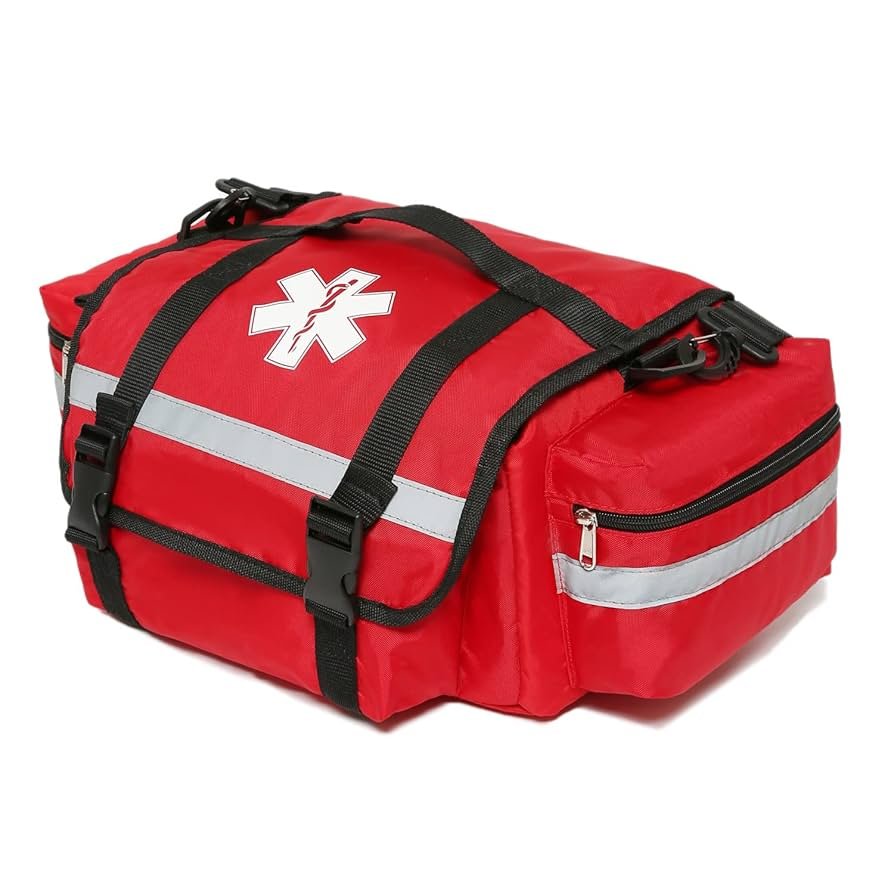
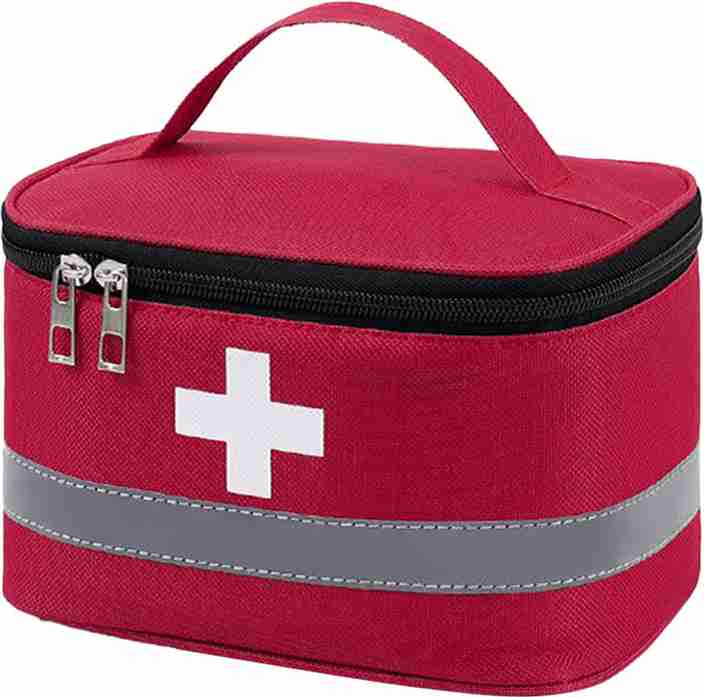
Bright colors like red or orange stand out in emergencies. Reflective strips improve visibility in low light. Choose colors that help locate the bag quickly. This can save precious seconds in critical moments.
Key Items To Include
Preparing an empty first aid kit bag means including the right items. These essentials help handle common injuries and emergencies quickly. Every item has a clear purpose. Pack smart and be ready.
Bandages And Dressings
Bandages protect wounds from dirt and germs. Use different sizes for small cuts or large scrapes. Dressings absorb blood and keep wounds clean. Include:
- Adhesive bandages (various sizes)
- Sterile gauze pads
- Elastic bandages for sprains
- Non-stick wound dressings
- Medical tape to secure dressings
Antiseptics And Disinfectants
These stop infection by killing germs. Use them to clean wounds before bandaging. Common choices include:
- Antiseptic wipes
- Hydrogen peroxide solution
- Alcohol pads
- Antibacterial ointments
Pain Relief Medications
Minor injuries often cause pain. Pain relief medicines help ease discomfort. Keep these on hand:
- Acetaminophen (Tylenol)
- Ibuprofen (Advil)
- Aspirin (check age restrictions)
Tools And Instruments
First aid tools make treatment easier and safer. Essential tools include:
- Scissors for cutting bandages
- Tweezers to remove splinters
- Disposable gloves for hygiene
- Thermometer to check fever
- Safety pins to secure bandages

Credit: www.amazon.com
Personalizing Your Kit
Personalizing your first aid kit bag empty allows you to create a ready-to-go solution that fits your unique needs. Off-the-shelf kits are a good start, but they rarely cover everything your situation demands. Tailoring your kit ensures you have the right tools and supplies exactly when you need them.
Special Needs Considerations
Think about any medical conditions you or your family members have. Do you need extra allergy medication, inhalers, or blood sugar testing strips? Adding these specific items can make a huge difference in an emergency.
Don’t forget to include clear instructions or notes for emergency responders. This can help avoid confusion and speed up proper treatment. Have you ever been in a situation where responders weren’t aware of your allergies or medications?
Also, consider the age and physical abilities of those who will use the kit. For example, children might need smaller bandages or pediatric doses of medicine. Including these details keeps your kit practical and effective.
Family And Pet Additions
Your family’s needs extend beyond just people. Pets are often overlooked in first aid kits, but they need care too. Adding pet-specific items like flea treatment, a muzzle, or a pet first aid guide can prepare you better.
Make a checklist of family members and their individual needs. From kids to elderly relatives, each might require different supplies. Having these on hand saves precious time and stress.
Think about what emergencies your family faces most often. Do you live in a rural area with more insect bites? Or maybe you have a child with asthma? Customizing your kit with these realities in mind makes it truly useful.
Where To Buy Supplies Quickly
Running out of supplies in your first aid kit can happen at any time, and knowing where to buy replacements quickly is crucial. Whether you’re dealing with a minor scrape or preparing for an emergency, access to the right items fast can make all the difference. Here’s where you can find what you need without delay.
Local Pharmacies
Local pharmacies are often the fastest and most convenient option. They usually stock essential first aid items like bandages, antiseptics, and pain relievers. Have you noticed how some pharmacies now offer 24-hour service? This can be a lifesaver if you need supplies late at night.
Besides convenience, pharmacists can offer advice on which products suit your needs best. This personal touch can help you avoid buying unnecessary items. Plus, you get your supplies immediately—no waiting or shipping fees.
Online Retailers
Online stores offer a vast selection of first aid supplies, often at competitive prices. You can find specialized items that local stores might not carry. But how quickly can you really get your order? Many retailers offer same-day or next-day shipping options if you act fast.
Shopping online lets you compare products easily and read customer reviews. This helps you make informed choices without leaving home. Just be sure to check delivery times before making your purchase, especially if you need items urgently.
Emergency Supply Stores
Emergency supply stores focus on preparedness gear, including comprehensive first aid kits and refill supplies. These stores can be a treasure trove if you want to build a more robust kit. Have you ever browsed one and found items you didn’t even know you needed?
Many emergency supply stores also offer expert advice on choosing the right products for different scenarios. While they might not be as widespread as pharmacies, some have physical locations and online shops. This dual availability can help you get supplies either instantly or delivered quickly.
Tips For Efficient Restocking
Efficient restocking keeps your first aid kit ready for emergencies. It saves time and stress during critical moments. Follow simple practices to maintain supplies without hassle. Organized restocking improves safety and confidence.
Creating A Checklist
A checklist helps track all essential items. Write down every item the kit needs. Include bandages, antiseptics, scissors, gloves, and medicines. Update the list as items change or expire.
Keep the checklist near your first aid kit. Use it every time you restock. Tick off items as you add them. This reduces the chance of missing supplies.
Regular Inventory Checks
Schedule frequent checks to review your kit’s contents. Look for expired or used items. Replace any missing or damaged supplies immediately.
Set a reminder to check your kit monthly or quarterly. Regular checks ensure readiness in emergencies. It also helps avoid buying unnecessary items.
Maintaining Your First Aid Kit
Maintaining your first aid kit is essential for safety and readiness. A well-kept kit ensures you can handle emergencies quickly. Regular checks keep supplies fresh and organized. This helps avoid surprises during urgent moments. Simple maintenance steps improve your kit’s reliability and usefulness.
Expiration Date Monitoring
Check all items for expiration dates regularly. Medicines, ointments, and sterile supplies lose effectiveness over time. Remove expired items immediately to avoid risks. Replace them with new, unexpired products. Keep a list of expiration dates for easy tracking. Mark your calendar for monthly or quarterly reviews.
Seasonal Adjustments
Adjust your first aid kit based on the season and activities. Include sunscreen and insect repellent in summer kits. Add extra bandages and warm packs during cold months. Tailor supplies for outdoor adventures or sports events. Seasonal updates keep your kit relevant and practical. Store the kit in a cool, dry place to protect items year-round.
Credit: www.flipkart.com
Safety Tips For Usage
Using an empty first aid kit bag safely is essential. It ensures quick access to supplies during emergencies. Knowing how to handle and maintain the bag prevents damage and loss. Safety starts with proper care and understanding of the kit’s role. Following simple tips keeps the kit ready and effective.
Proper Handling Techniques
- Keep the bag clean and dry to avoid damage.
- Store the bag in a cool, accessible place.
- Check zippers and compartments regularly for smooth use.
- Do not overload the bag to keep it light and portable.
- Label the bag clearly for easy identification.
- Replace worn or broken parts immediately.
- Make sure the bag is easy to open quickly.
Training And Workshops
Learn how to use the first aid kit bag through training. Hands-on practice builds confidence and speed in emergencies. Workshops teach correct packing and organizing of supplies. Training helps users understand what items to carry. It also explains how to update the kit regularly. Everyone in the household or workplace should attend these sessions. Being prepared saves time and improves safety.

Credit: www.mercadolibre.com.mx
Frequently Asked Questions
Why Are My First Aid Kit Bags Empty?
First aid kit bags may be empty due to neglect or lack of restocking. Regularly check supplies and replace used or expired items to stay prepared for emergencies.
How Often Should I Refill My First Aid Kit Bag?
Refill your first aid kit bag every 3 to 6 months. Check for expired or used items and replace them promptly to ensure readiness.
What Essential Items Should A First Aid Kit Contain?
A first aid kit should include bandages, antiseptic wipes, adhesive tape, scissors, gloves, pain relievers, and a CPR mask. Customize based on specific needs or activities.
Can An Empty First Aid Bag Be Dangerous?
Yes, an empty first aid bag can delay emergency treatment. Having no supplies means you cannot address injuries effectively when needed.
Conclusion
Empty first aid kit bags can cause serious trouble during emergencies. Always check your kit often. Replace used or expired items quickly. Keep essential supplies like bandages, antiseptics, and scissors ready. A well-stocked first aid kit helps you act fast.
It gives you peace of mind and safety. Don’t wait for accidents to happen. Prepare your kit today and stay safe. Small steps can save lives. Remember, being ready matters the most.

I’m Abby Lu, a passionate home cook who loves simplifying everyday meals. At PlugChef.com, I share product reviews and cooking guides to help you find the best tools for your kitchen.
Related posts:
 What Type of Cooking Utensils are Safe: Expert Picks
 What Innovations Could Blenders Make: Unleashing Future Tech
 Smart Strategies to Organize a Small Kitchen: Maximize Space
 How to Organize a Kitchen Cabinet: Expert Tips & Tricks
 How to Organize Kitchen Drawers: Expert Tips and Tricks
 How to Organize a Corner Kitchen Cupboard: Expert Tips

