
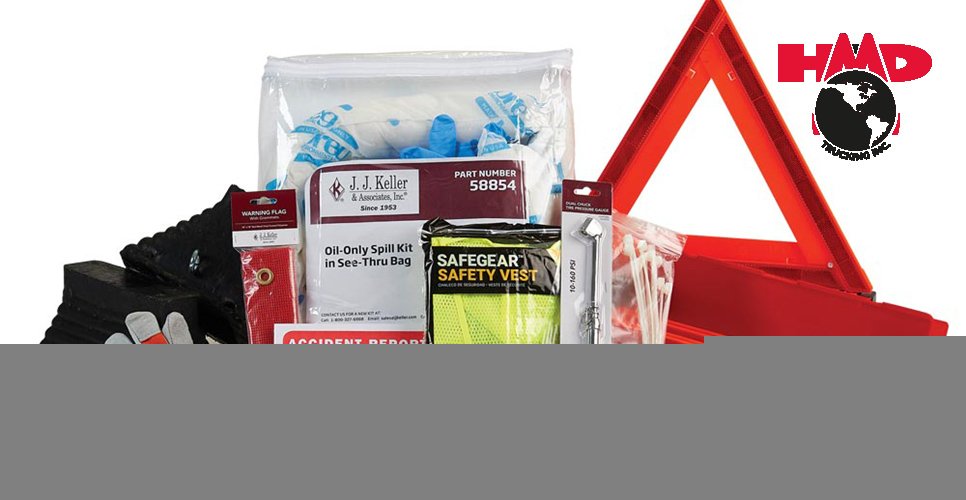
Imagine being miles away from help when a small injury suddenly becomes a big problem. If you’re a truck driver, having a reliable first aid kit isn’t just smart—it’s essential.
Your safety on the road depends on how prepared you are for unexpected moments. You’ll discover exactly what your first aid kit should have, why each item matters, and how being ready can protect you in critical situations. Keep reading to make sure you’re never caught off guard again.
Importance Of First Aid Kits For Truck Drivers
Truck drivers face many health and safety challenges on the road. Having a first aid kit in the truck is essential. It helps handle minor injuries quickly and can prevent serious health issues. First aid kits provide peace of mind during long trips.
Accidents and injuries can happen anytime. A well-stocked first aid kit allows drivers to treat cuts, burns, or scrapes immediately. This reduces the risk of infection and keeps drivers safe until professional help arrives.
Quick Response To Emergencies
First aid kits enable fast action during emergencies. Treating wounds or injuries early can stop the problem from worsening. This is crucial in remote areas where medical help may be far away.
Compliance With Safety Regulations
Many countries require trucks to carry first aid kits. Following these rules avoids fines and legal trouble. It shows a commitment to safety and professionalism.
Promotes Driver Confidence
Knowing a first aid kit is within reach helps drivers feel secure. It reduces anxiety about potential accidents or health issues. Confidence improves focus and driving performance.
Supports Health During Long Trips
Long hours on the road can cause fatigue and minor health problems. First aid kits help manage headaches, muscle pain, or cold symptoms. This support helps drivers stay healthy and alert.
Key Components Of A First Aid Kit
A well-stocked first aid kit is vital for truck drivers. It provides quick help during injuries or emergencies on the road. Knowing the key components ensures drivers are ready for common medical situations. Each part of the kit plays a unique role in safety and health.
Basic Medical Supplies
- Adhesive bandages of various sizes for small cuts
- Sterile gauze pads to cover larger wounds
- Antiseptic wipes to clean wounds and prevent infection
- Medical tape to secure bandages in place
- Disposable gloves to protect both the patient and the helper
- Scissors and tweezers for cutting tape and removing debris
- Pain relief tablets like ibuprofen or acetaminophen
- Burn cream for minor burns and skin irritation
Emergency Tools And Equipment
- CPR face shield or mask for safe resuscitation
- Instant cold packs to reduce swelling and pain
- Elastic bandages for sprains and strains
- Thermometer to check body temperature
- Emergency blanket to keep warm in cold weather
- Flashlight with extra batteries for night use
- Whistle to signal for help if stranded
Safety And Survival Items
- Reflective vest for high visibility on roads
- Road flares or LED warning lights to alert other drivers
- Multi-tool or pocket knife for various tasks
- Water bottle to stay hydrated during emergencies
- Non-perishable snacks for energy
- Notepad and pen to record important information
Customizing Your First Aid Kit
Customizing a first aid kit is essential for truck drivers. Each driver faces unique risks and challenges on the road. A well-tailored kit ensures readiness for common injuries and emergencies. It saves time and increases safety during unexpected situations.
Assessing Individual Needs
Start by thinking about your personal health conditions. Include items for allergies, chronic illnesses, or specific injuries you may encounter. Consider adding:
- Extra medications or prescriptions
- Special bandages or supports
- Tools for minor repairs or adjustments
Customize your kit to fit your comfort and medical requirements. A personalized kit helps you respond quickly and effectively.
Considering Route And Environment
Different routes bring different risks. Long highway drives differ from mountainous or rural areas. Weather conditions and road types affect your first aid needs. Prepare for:
- Cold weather: include heat packs and warm blankets
- Hot climates: pack extra water and sunburn relief
- Remote areas: add more supplies for longer waits
- Heavy traffic zones: include items for quick wound care
Adjust your kit based on where you drive most often. This helps you handle emergencies specific to your environment.

Credit: www.amazon.com
Maintaining Your First Aid Kit
Maintaining your first aid kit is vital for truck drivers. A well-kept kit ensures quick help during emergencies. Neglected kits may lack essential supplies or contain expired items. Regular care keeps the kit ready and reliable at all times.
Regular Checks And Updates
Inspect your first aid kit at least once a month. Check each item for expiration dates and damage. Replace used or expired supplies immediately. Keep a checklist of all items for easy tracking. Add items specific to your needs or routes. Staying updated prevents surprises during an emergency.
Proper Storage Techniques
Store the first aid kit in a dry, cool place inside the truck. Avoid direct sunlight or extreme temperatures. Use a sturdy, waterproof container to protect contents. Keep the kit easily accessible for quick use. Label the kit clearly to find it fast. Proper storage extends the life of your supplies and keeps them safe.
Training For Emergency Situations
Training for emergency situations is crucial for truck drivers. It helps them respond quickly and effectively during accidents or health crises. Proper training reduces panic and increases the chance of saving lives. Every driver should know how to use their first aid kit confidently. Practical skills build readiness for real roadside emergencies.
Basic First Aid Skills
Truck drivers need to learn simple first aid skills. These include treating cuts, burns, and bruises. Knowing how to stop bleeding is vital. Drivers should practice CPR and choking rescue techniques. Understanding how to handle shock and fractures is helpful. Regular training refreshes these skills and builds confidence.
Handling Roadside Emergencies
Roadside emergencies require calm and clear actions. Training teaches drivers to secure the scene to avoid more accidents. They learn to use warning triangles and emergency lights properly. Drivers must know how to check injured persons safely. Calling emergency services quickly and giving clear information is key. Practice scenarios improve decision-making under stress.

Credit: www.walmart.com
Legal Requirements And Regulations
Truck drivers must carry a first aid kit that meets specific legal rules. These rules protect drivers and others on the road. Knowing these laws helps avoid fines and keeps everyone safe. The contents and standards of first aid kits can vary. Different regions and countries have their own rules about what to include. Understanding these legal requirements is important for every truck driver.
Compliance With Transportation Laws
Transportation laws require truck drivers to have a first aid kit at all times. The kit must contain certain items like bandages, antiseptics, and gloves. These items help handle minor injuries quickly. Authorities may inspect the kit during roadside checks. Missing or expired items can lead to penalties or fines. Drivers should check their kits regularly to ensure full compliance.
Regulations differ by state or country but often follow similar safety standards. Some laws specify the size and type of first aid kits. Others detail the minimum number of supplies needed. Trucking companies usually provide kits that meet these rules. Drivers should also know their local laws before starting a trip.
International Travel Considerations
Truck drivers crossing borders face extra rules for first aid kits. Different countries have unique requirements for kit contents. Some nations require additional items like burn dressings or emergency blankets. Language barriers can make it hard to understand these rules. Drivers must research and prepare kits that meet each country’s standards.
Customs and border agents may check first aid kits during inspections. Having a compliant kit helps avoid delays and fines. Drivers should carry documentation proving their kit meets legal standards. This is especially important on long international routes. Proper preparation ensures safety and smooth travel across borders.
Additional Safety Tips For Truck Drivers
Truck drivers face unique challenges on the road every day. Staying safe goes beyond carrying a first aid kit. Extra safety tips help prevent accidents and handle emergencies better. These tips support health and communication, critical for long trips.
Staying Alert And Healthy
Fatigue is a major risk for truck drivers. Regular breaks improve focus and reduce accidents. Drinking water and eating healthy snacks keep energy levels steady. Exercise stretches help avoid stiffness and improve blood flow. Adequate sleep before trips sharpens alertness. Avoiding alcohol and drugs keeps the mind clear. Mental health matters, too. Stress management techniques can improve reaction time and decision-making.
Emergency Communication Devices
Reliable communication tools are essential. A fully charged mobile phone must be within reach. Two-way radios help in areas with poor cell signal. GPS devices assist in navigation and locating help quickly. Emergency beacons can alert rescue teams in severe situations. Regularly check batteries and device functionality. Knowing how to use these devices saves time during crises. Always keep contact numbers for emergency services handy.

Credit: www.facebook.com
Frequently Asked Questions
What Essential Items Belong In A Truck Driver’s First Aid Kit?
A truck driver’s first aid kit should include bandages, antiseptic wipes, adhesive tape, pain relievers, scissors, and gloves. These items help treat minor injuries quickly, ensuring safety on the road.
How Often Should Truck Drivers Check Their First Aid Kits?
Truck drivers should inspect their first aid kits monthly. Regular checks ensure supplies are complete, unexpired, and ready for emergencies during long hauls.
Can A First Aid Kit Prevent Serious Road Injuries?
Yes, a well-stocked first aid kit can minimize injury severity. Immediate care helps prevent infections and stabilizes conditions until professional help arrives.
Are There Special First Aid Items For Truck Drivers?
Truck drivers should include burn cream, insect repellent, and a thermal blanket. These address common roadside emergencies unique to long-distance driving.
Conclusion
A first aid kit is a must for every truck driver. It helps treat small injuries fast. Carrying one keeps drivers safe on the road. Check your kit often and replace used items. Simple tools can prevent bigger health problems.
Being ready means less worry during trips. Stay prepared, stay safe, and drive with confidence.

I’m Abby Lu, a passionate home cook who loves simplifying everyday meals. At PlugChef.com, I share product reviews and cooking guides to help you find the best tools for your kitchen.
Related posts:
 What Type of Cooking Utensils are Safe: Expert Picks
 What Innovations Could Blenders Make: Unleashing Future Tech
 Smart Strategies to Organize a Small Kitchen: Maximize Space
 How to Organize a Kitchen Cabinet: Expert Tips & Tricks
 How to Organize Kitchen Drawers: Expert Tips and Tricks
 How to Organize a Corner Kitchen Cupboard: Expert Tips

