
When it comes to workplace safety, having the right first aid kit is not just a good idea—it’s a must. If you’re responsible for keeping your team safe, you need to know exactly what the Ansi Class B First Aid Kit requirements are.
This isn’t about guessing or hoping you have the right supplies; it’s about making sure your kit is fully stocked and compliant so you can handle emergencies quickly and confidently. You’ll discover everything you need to meet these standards and keep your workplace prepared for whatever happens.
Ready to make sure your first aid kit is up to the mark? Let’s dive in.
Credit: certifiedsafetymfg.com
Ansi Class B Kit Overview
The ANSI Class B First Aid Kit is designed to provide more comprehensive medical supplies than basic kits. It prepares you for a wider range of injuries that might happen in the workplace or other settings. Understanding what makes up an ANSI Class B kit helps you ensure safety and readiness.
These kits go beyond minor cuts and scrapes. They include items that can handle moderate injuries and emergencies requiring quick response. Have you ever wondered if your current first aid kit covers enough ground for unexpected situations?
Contents Of An Ansi Class B Kit
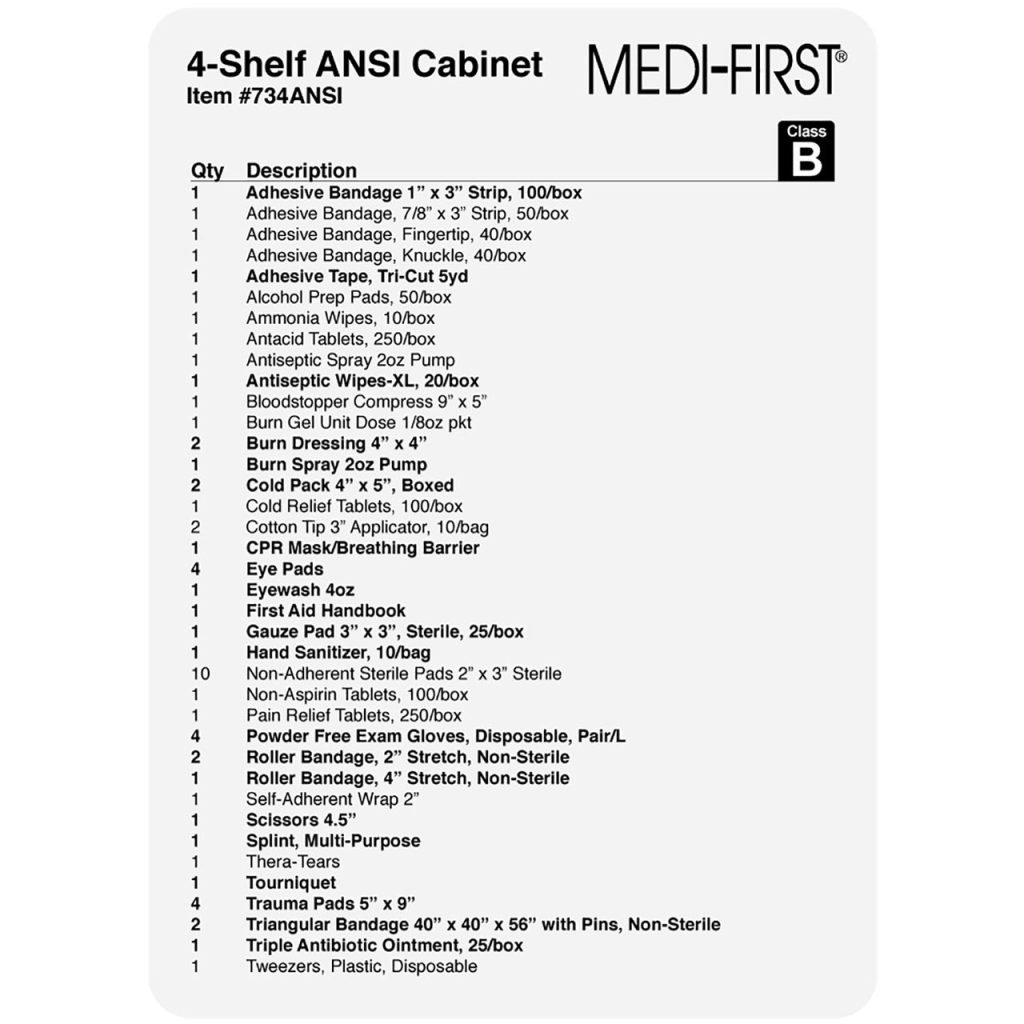
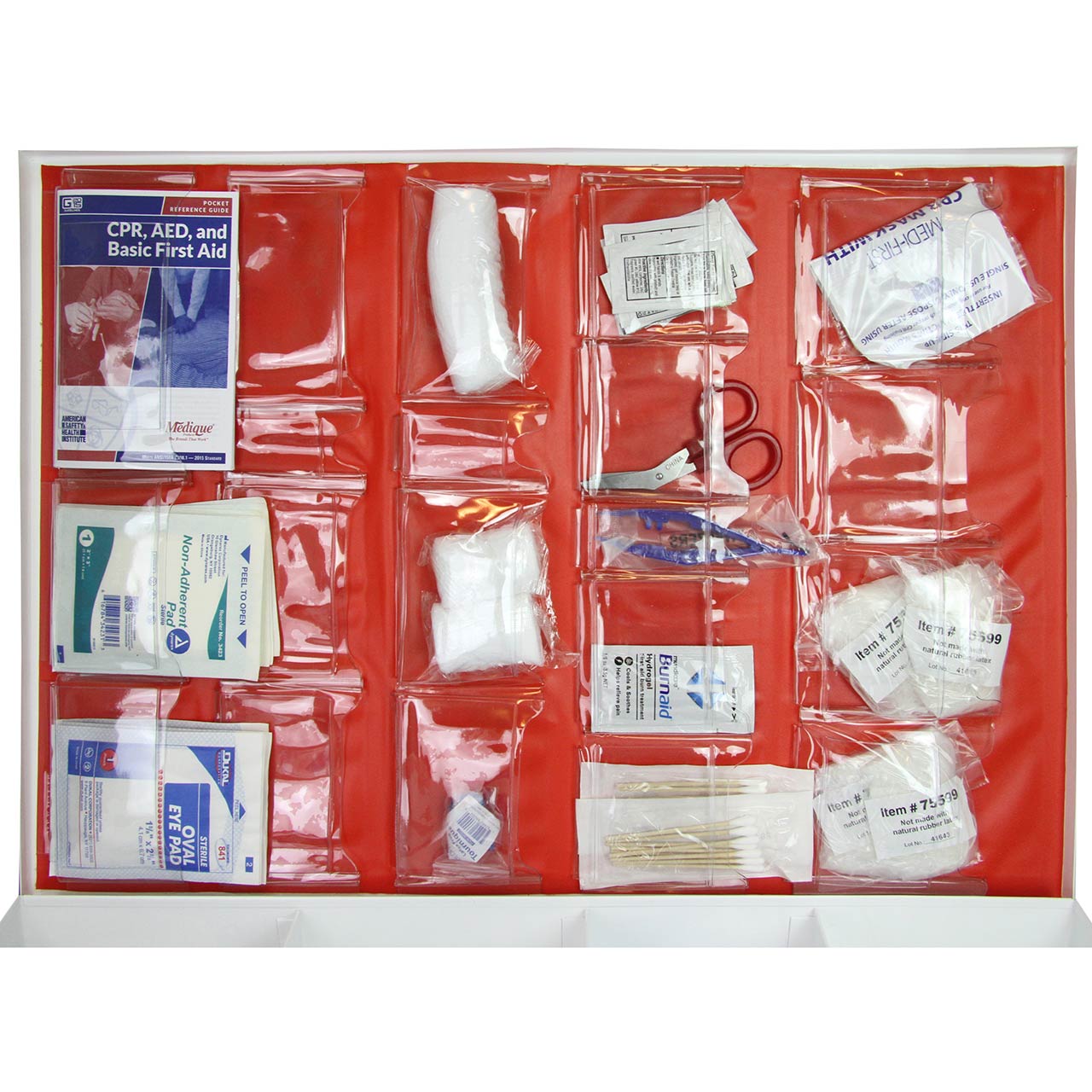
An ANSI Class B kit typically contains a variety of supplies to treat different types of wounds and injuries. You will find:
- Adhesive bandages in multiple sizes
- Sterile gauze pads and rolls
- Antiseptic wipes and solutions
- Elastic bandages for sprains
- Burn treatment supplies
- Eye wash and eye pads
- Medical tape and scissors
- CPR face shields or masks
These items are carefully selected to meet the needs identified by ANSI standards for medium-risk environments.
Who Needs An Ansi Class B Kit?
Workplaces with moderate hazards, like construction sites, manufacturing plants, or warehouses, usually require an ANSI Class B kit. If your environment involves handling machinery or materials that can cause serious injuries, this kit is essential.
Even if you don’t work in an industrial setting, having a Class B kit can be a smart move for your home or vehicle. It prepares you better for emergencies than a basic first aid kit.
How To Maintain Your Ansi Class B Kit
Keeping your first aid kit ready means checking it regularly. Look for expired items and replace them immediately. Make sure the kit is stored in an accessible place where everyone knows its location.
Think about how often you review your kit’s contents. Does your current setup get this kind of attention? Regular maintenance can save crucial minutes during an emergency.
Essential Components
Ansi Class B first aid kits must include specific items to meet safety standards. These essential components ensure proper care during emergencies. Each category serves a unique purpose to treat injuries effectively. Understanding these parts helps keep the kit ready and useful.
Bandages And Dressings
Bandages and dressings cover wounds to stop bleeding and prevent infection. The kit should have various sizes and types for different injuries. Common items include:
- Adhesive bandages (small and large)
- Gauze pads
- Roller bandages
- Sterile dressings
- Burn dressings
Antiseptics And Ointments
Antiseptics clean wounds and kill germs. Ointments help soothe and protect skin. The kit must include:
- Antiseptic wipes
- Antibacterial cream
- Burn ointment
- Eye wash solution
Tools And Instruments
Tools make first aid easier and safer. The kit should have:
- Scissors for cutting bandages
- Tweezers for removing debris
- Disposable gloves
- Thermometer
- Safety pins
Personal Protective Equipment
Protecting yourself is vital while giving aid. Personal protective equipment includes:
- Face masks
- Gloves (non-latex preferred)
- CPR face shield or mask
- Eye protection
Regulatory Standards
Understanding the regulatory standards behind ANSI Class B first aid kits is crucial for maintaining workplace safety and compliance. These standards define what your kit must contain and how it should be maintained. Knowing the exact requirements helps you avoid penalties and ensures that you’re prepared for emergencies.
Ansi Standards
ANSI (American National Standards Institute) sets the official criteria for first aid kits, including Class B kits. These kits are designed for workplaces with moderate risk, such as warehouses or manufacturing facilities.
The ANSI Class B kit must include a broader range of supplies than Class A kits, such as:
- Adhesive bandages of various sizes
- Burn dressings
- Eye wash solutions
- Elastic bandages
- Cold packs
Every item should be clearly labeled and easy to access. If you’ve ever rushed to find a bandage and ended up fumbling through clutter, you know how important organization is.
Osha Guidelines
The Occupational Safety and Health Administration (OSHA) enforces rules that complement ANSI standards. OSHA requires employers to provide first aid supplies that match the hazards present in the workplace.
OSHA does not specify exact items but insists your kit must be adequate and readily available. This means your Class B kit must be stocked according to ANSI standards or better.
Think about your own workspace—do you have enough supplies for potential injuries? OSHA’s focus is on practical readiness, not just ticking a box.
Compliance Strategies
Maintaining ANSI Class B First Aid Kit compliance requires clear strategies. These strategies help ensure kits are ready and meet safety standards. Consistent effort prevents penalties and promotes workplace safety. Focus lies on inspections, training, and proper record-keeping.
Regular Inspections
Conduct inspections often to check kit contents and condition. Replace expired or used items immediately. Use a checklist to verify all required supplies are present. Schedule inspections monthly or after each use. Keep kits clean and accessible at all times.
Training And Education
Train employees on first aid kit use and contents. Teach how to recognize when supplies need restocking. Offer refresher courses to keep skills sharp. Include basic first aid knowledge relevant to the workplace. Well-informed staff can respond quickly and correctly in emergencies.
Documentation Practices
Keep detailed records of inspections and training sessions. Document any supply replacements or kit updates. Use logs to track compliance over time. Store records securely and make them easy to access. Proper documentation supports safety audits and regulatory reviews.
Common Mistakes
Understanding the common mistakes related to ANSI Class B first aid kit requirements can save you from costly oversights. Many people think having a kit is enough, but the contents and upkeep matter just as much. Let’s look at some frequent errors that might be putting your safety at risk.
Inadequate Supplies
One of the biggest issues is not stocking enough supplies. A Class B kit has specific minimum requirements, and missing items can leave you unprepared. Think about this: if you only have a few bandages but face multiple injuries, how will you handle it?
It’s important to check the list carefully and add items that meet your workplace’s size and risk level. Don’t assume a generic kit covers all your needs. Your safety depends on having the right tools ready when you need them.
Lack Of Maintenance
Many kits gather dust and expire unnoticed. Supplies like antiseptics and gloves have expiration dates, and damaged items lose their effectiveness. Have you ever opened a kit only to find unusable or missing supplies? That’s exactly what you want to avoid.
Regular inspection and restocking are critical. Setting a monthly or quarterly reminder can help keep your kit ready. It’s a small effort that makes a big difference in an emergency.
Ignoring Updates
ANSI standards and workplace safety guidelines change over time. Ignoring these updates means your kit might not comply anymore. Have you checked if your kit meets the latest Class B requirements recently?
Staying informed ensures your kit is always up-to-date with the latest safety practices. Reach out to safety organizations or suppliers to verify your kit’s compliance. This attention to detail protects you and those around you.
Credit: rescue-essentials.com
Benefits Of Compliance
Meeting the ANSI Class B first aid kit requirements is more than just ticking a box. It directly impacts how safe your workplace is, how protected your business remains legally, and how smoothly your operations run. Understanding these benefits can help you see why compliance is worth your time and effort.
Enhanced Safety
Having a properly stocked Class B first aid kit means you’re ready to handle injuries that could happen in a moderate-risk workplace. Quick access to the right supplies reduces the severity of injuries and can prevent complications.
You might not realize how much safer employees feel when they know first aid materials are available. This peace of mind can encourage everyone to work more confidently and carefully.
Legal Protection
Following ANSI Class B guidelines helps you meet OSHA regulations, which lowers your risk of fines or legal trouble. It shows that you take workplace safety seriously and care about employee well-being.
Imagine facing an inspection—being prepared with compliant first aid kits can save you from costly penalties and improve your company’s reputation. Would you want to risk losing business over something avoidable?
Increased Productivity
When injuries are managed promptly, workers spend less time away from their tasks and recover faster. This keeps your team operating at a steady pace without frequent disruptions.
Investing in compliance isn’t just about avoiding problems—it also helps maintain smooth workflows and meet deadlines. How much more could your team achieve with fewer interruptions?
Credit: firstaidsuppliesonline.com
Frequently Asked Questions
What Items Are Required In An Ansi Class B First Aid Kit?
An ANSI Class B first aid kit must include wound care, burn treatment, eye care, and CPR supplies. It typically contains bandages, antiseptics, gloves, scissors, and a first aid guide. These items ensure readiness for moderate to severe workplace injuries.
How Does Ansi Class B Differ From Class A Kits?
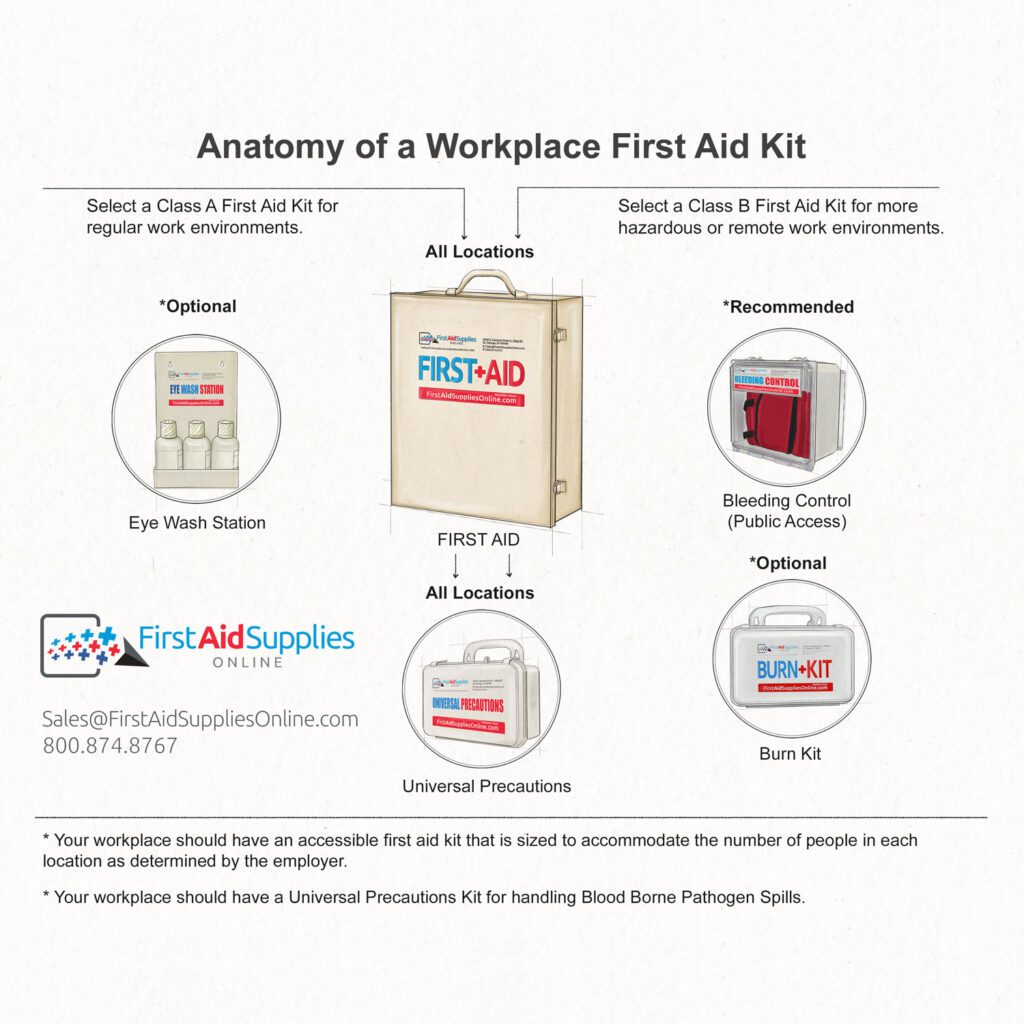
Class B kits are designed for larger or higher-risk workplaces. They contain more supplies and cater to more serious injuries than Class A kits. Class A kits suit smaller, low-risk environments, while Class B meets stricter safety standards.
Who Regulates Ansi Class B First Aid Kit Requirements?
The American National Standards Institute (ANSI) sets the standards for Class B first aid kits. They collaborate with the Occupational Safety and Health Administration (OSHA) to ensure workplace safety compliance through these kits.
How Often Should Ansi Class B Kits Be Inspected?
ANSI Class B first aid kits should be inspected monthly. Regular checks ensure all supplies are present, unexpired, and ready for use. This maintains compliance and effective emergency response readiness.
Conclusion
Ansi Class B first aid kits keep workplaces safe and prepared. They include essential items for treating common injuries quickly. Following these requirements helps meet safety rules and avoid fines. Check your kit often to replace used or expired supplies.
A well-stocked first aid kit means faster help in emergencies. Stay ready, protect workers, and support a safer work environment every day.

I’m Abby Lu, a passionate home cook who loves simplifying everyday meals. At PlugChef.com, I share product reviews and cooking guides to help you find the best tools for your kitchen.
Related posts:
 What Type of Cooking Utensils are Safe: Expert Picks
 What Innovations Could Blenders Make: Unleashing Future Tech
 Smart Strategies to Organize a Small Kitchen: Maximize Space
 How to Organize a Kitchen Cabinet: Expert Tips & Tricks
 How to Organize Kitchen Drawers: Expert Tips and Tricks
 How to Organize a Corner Kitchen Cupboard: Expert Tips

