
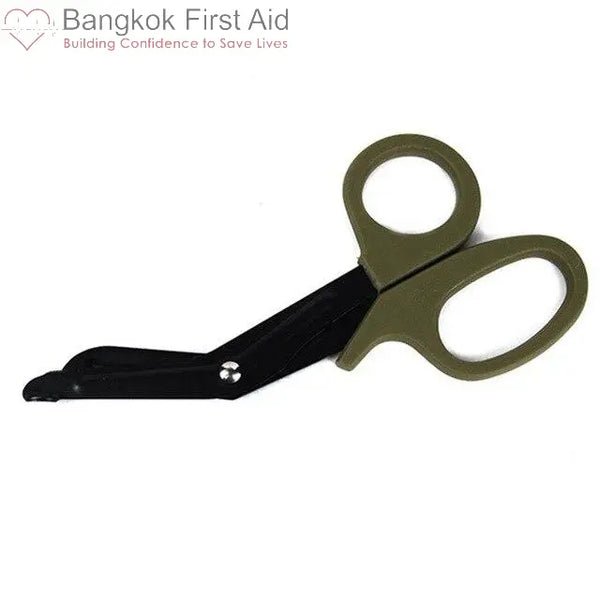
When you think about your first aid kit, you probably picture bandages, antiseptics, and maybe some pain relievers. But have you ever wondered why there’s a pair of scissors included?
Those small blades might seem simple, but they play a crucial role when you’re dealing with an emergency. Knowing exactly how and why to use scissors in your first aid kit can make a big difference in how quickly and effectively you handle injuries.
Keep reading to discover the surprising ways these scissors can help you stay prepared and safe.
Cutting Bandages
Cutting bandages is one of the essential uses of scissors in a first aid kit. Having the right pair of scissors allows you to quickly and safely trim bandages to the size you need. This helps in applying dressings properly without causing extra pain or discomfort.
Choosing The Right Scissors For Bandages
Not all scissors are suitable for cutting bandages. You need scissors that are sharp enough to cut through fabric and adhesive materials smoothly. Trauma shears or bandage scissors, with their angled blades, are designed to cut without hurting the skin underneath.
How To Cut Bandages Safely
Place the bandage flat on a clean surface or hold it taut while cutting. Use short, controlled cuts rather than long, sweeping ones to avoid fraying the edges. This keeps the bandage neat and easier to apply, reducing the chance of it coming loose.
Tips To Avoid Contamination
Make sure your scissors are clean before cutting bandages. After use, sterilize them with alcohol or boiling water if possible. This prevents germs from transferring to the wound, which could cause infection.
Why Precision Matters When Cutting Bandages
Cutting bandages too large or too small can affect healing. A bandage that’s too big may bunch up, causing discomfort, while one that’s too small might not cover the wound entirely. Have you ever struggled with a bandage that just wouldn’t stay in place? Properly cut bandages solve this problem.
Practical Uses Beyond Bandages
Scissors in your first aid kit also help cut tape, clothing, or gauze in emergencies. Being prepared with scissors that can handle multiple materials saves time and stress. What other small tools in your kit have proven unexpectedly useful?
Trimming Gauze
Trimming gauze is an important task in first aid care. Gauze often comes in large sheets or rolls. Cutting it to the right size helps treat wounds better. Scissors in a first aid kit make this easy and precise.
Properly trimmed gauze fits wounds perfectly. This prevents excess material from causing discomfort or slipping off. It also helps keep the wound clean and protected. Using scissors ensures clean cuts and avoids frayed edges.
Why Trim Gauze Accurately?
Accurate gauze size ensures better wound coverage. Too large can waste supplies and be bulky. Too small might not cover the wound fully. Trimming helps apply just the right amount.
How Scissors Help In Trimming Gauze
- Cut gauze cleanly without fraying edges
- Adjust size quickly to fit wound shapes
- Make precise cuts for better dressing application
- Prevent contamination by using clean blades
Tips For Trimming Gauze Safely
- Use first aid scissors only for gauze
- Keep scissors clean and disinfected
- Cut slowly to maintain control
- Trim gauze in a clean environment
Removing Clothing
Removing clothing quickly and safely is a critical task in many first aid situations. Scissors in a first aid kit are designed specifically for this purpose. They help cut through fabric without causing further injury to the patient.
Why You Need Scissors To Remove Clothing
Sometimes, clothing can block access to wounds or injuries that need immediate attention. Trying to pull off tight or delicate clothing by hand might cause more pain or damage. Scissors allow you to cut around the injured area carefully and create space to treat wounds properly.
Using Scissors Without Hurting The Patient
Special first aid scissors usually have blunt tips to prevent cutting the skin accidentally. When cutting clothing, slide the scissors gently under the fabric, keeping the blade away from the skin. This technique protects the patient and lets you work faster under pressure.
Types Of Clothing You Might Need To Cut
- Thick jackets or coats that can’t be removed easily
- Tight-fitting shirts or pants stuck on a swollen limb
- Clothing with buttons or zippers that slow down access to injuries
Have you ever struggled to remove a jacket from someone with an arm injury? Scissors can save precious time and reduce discomfort.
Preparing The Area Before Cutting
Before cutting, make sure the patient is as comfortable as possible. Check for any medical devices or jewelry that might get caught. Cutting around these items carefully can prevent additional complications.

Credit: www.amazon.com
Opening Packaging
Opening packaging may seem like a simple task, but in an emergency, it can be surprisingly difficult. Scissors in a first aid kit are designed to help you quickly and safely access supplies without causing damage or delay. Having the right tool to cut through tough plastic or fabric packaging can make a real difference when every second counts.
Why Scissors Are Essential For Opening Packaging
Many first aid supplies come sealed in plastic or foil packs that are hard to open by hand. Scissors allow you to cut through these materials cleanly and efficiently. This reduces frustration and speeds up your ability to provide care.
Imagine trying to tear open a sterile bandage packet with your fingers while someone needs immediate attention. The struggle can waste precious time and increase stress. Scissors eliminate this problem by offering a quick, clean cut.
Choosing The Right Scissors For Your First Aid Kit
Not all scissors are created equal when it comes to opening packaging. Look for scissors with sharp, strong blades that can easily slice through plastic and fabric. Blunt or flimsy scissors might struggle or even cause injury.
Many people overlook the importance of size and grip. A pair that fits comfortably in your hand and offers good control will help you work faster. Keep your scissors easily accessible within your kit for immediate use.
Tips For Safely Using Scissors To Open First Aid Packaging
- Hold the package steady on a flat surface to avoid slips.
- Cut away from your body to prevent accidental cuts.
- Use slow, controlled cuts if the packaging is tough or thick.
- Dispose of sharp plastic edges carefully to avoid injury.
Have you ever struggled with packaging that seemed impossible to open? Keeping a reliable pair of scissors in your first aid kit can turn that frustration into confidence. It’s a simple addition that can help you act faster and safer in emergencies.
Creating Splints
Creating splints is a crucial skill during emergencies, and scissors play an essential role in this process. They help you quickly cut materials to the right size, making it easier to stabilize an injured limb. Without scissors, you might struggle to prepare the items needed to immobilize a fracture or sprain effectively.
Choosing The Right Material For Splints
You need to select materials that are sturdy yet comfortable for the injured person. Scissors allow you to cut cloth, bandages, or even cardboard into strips that fit perfectly around the injury.
Think about what you have in your first aid kit or nearby. Are the bandages too long or short? Scissors give you control to adjust lengths precisely, avoiding loose or overly tight splints that could cause more harm.
Cutting Bandages And Tape To Secure The Splint
Once the splint material is ready, securing it is the next step. Scissors help you trim adhesive tape or bandages neatly, preventing them from bunching up or peeling off.
Have you ever had tape that sticks to itself or folds awkwardly? Clean cuts make wrapping easier and more effective. This can be critical when time is short and the injured person is in pain.
Adapting Splints For Different Injury Types
Different injuries need different splint shapes and sizes. Scissors help you customize the splint to fit fingers, wrists, or larger limbs perfectly.
For example, a finger splint might require smaller, more precise cuts, while a leg splint needs longer, straighter edges. Having scissors on hand means you can adapt quickly and provide better support.
Crafting Sling Supports
Crafting sling supports is a crucial skill in first aid that often depends on having the right tools—like scissors. Scissors in your first aid kit help you quickly and safely cut fabric or bandages to create a sling. This makes it easier to immobilize and support an injured arm or shoulder, reducing pain and preventing further damage.
Choosing The Right Material For Your Sling
Using scissors, you can cut a triangular bandage, a piece of cloth, or even a sturdy piece of clothing to craft a sling. The material should be soft but strong enough to hold the injured limb securely. Have you ever realized how a simple t-shirt can turn into an effective sling in an emergency?
Cutting Clean Edges For Comfort And Safety
Scissors help you create neat edges on the fabric to prevent fraying and irritation. Sharp, clean cuts mean the sling won’t unravel quickly, keeping your support reliable. Imagine trying to tie a sling with jagged or uneven fabric—it just won’t hold up well, right?
Adjusting Sling Size To Fit The Injured Person
With scissors, you can tailor the sling’s size to fit the person’s body perfectly. This customization ensures the arm is supported at the right angle and height, which is key to comfort and healing. Have you noticed how a poorly sized sling can make the injury worse or uncomfortable?
Making Quick Repairs Or Modifications
Sometimes, you might need to fix or adjust a sling on the spot. Scissors allow you to trim excess fabric or cut new strips for extra support. This flexibility can be a game-changer when you’re dealing with unexpected situations.
Precision Tasks
Scissors in a first aid kit are vital for precision tasks. They help handle delicate situations with care and accuracy. Using scissors allows responders to act swiftly without causing more harm.
Removing Foreign Objects
Scissors help in carefully cutting around foreign objects stuck in clothes or bandages. They allow the removal of fabric without pulling on the object. This reduces pain and prevents further injury during treatment.
Cutting Tape
Medical tape needs to be cut cleanly for proper bandaging. Scissors provide neat, straight cuts that make tape easier to apply. This ensures wounds stay covered securely and stay protected from dirt and germs.
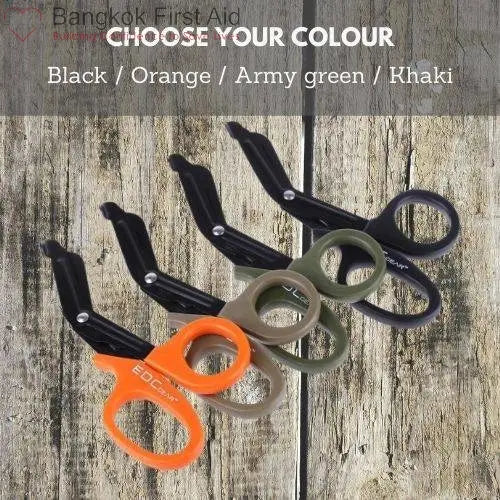
Credit: bangkokfirstaid.com

Credit: www.ebay.ca
Frequently Asked Questions
What Are Scissors Used For In A First Aid Kit?
Scissors in a first aid kit are used to cut bandages, clothing, and tape quickly. They help access wounds safely and efficiently during emergencies.
Why Are Scissors Essential In Emergency First Aid?
Scissors allow precise cutting of dressings and clothing to expose injuries. They save time and prevent further harm during urgent medical care.
Can First Aid Scissors Cut Tough Materials?
Yes, first aid scissors are designed to cut through fabric, gauze, and sometimes thin plastic. This makes them versatile for various emergency needs.
How To Choose The Best Scissors For A First Aid Kit?
Select scissors with sharp, durable blades and a blunt tip for safety. They should be compact, easy to handle, and rust-resistant.
Conclusion
Scissors in a first aid kit help cut bandages and clothes fast. They make treating injuries easier and safer. Having scissors ready saves time during emergencies. Always keep them sharp and clean. Knowing their use can improve your first aid skills.
Small tools like scissors can make a big difference. Keep your kit complete and be prepared. Safety starts with simple tools.

I’m Abby Lu, a passionate home cook who loves simplifying everyday meals. At PlugChef.com, I share product reviews and cooking guides to help you find the best tools for your kitchen.
Related posts:
 What Type of Cooking Utensils are Safe: Expert Picks
 What Innovations Could Blenders Make: Unleashing Future Tech
 Smart Strategies to Organize a Small Kitchen: Maximize Space
 How to Organize a Kitchen Cabinet: Expert Tips & Tricks
 How to Organize Kitchen Drawers: Expert Tips and Tricks
 How to Organize a Corner Kitchen Cupboard: Expert Tips

