
Imagine having the power to save a life during an emergency. As someone working with a nonprofit, you know how important it is to be prepared.
But buying first aid kits can be costly, and budgets are often tight. What if you could get these essential kits for free? You’ll discover exactly how to access free first aid kits for your nonprofit. Keep reading, because your team’s safety could depend on what you learn here.
Importance Of First Aid Kits
First aid kits are more than just boxes filled with bandages and ointments. They are vital tools that empower you and your nonprofit to respond quickly and effectively during unexpected health emergencies. Having access to a well-stocked first aid kit can make a real difference in the minutes before professional medical help arrives.
Role In Emergency Situations
Emergencies often happen without warning. A first aid kit helps you act immediately, which can prevent minor injuries from worsening.
Imagine a community event where someone trips and scrapes their knee. Without a first aid kit, the injury might become infected or cause unnecessary pain. With one, you can clean and cover the wound right away, reducing risks.
First aid kits also include tools to handle more serious situations, like controlling bleeding or performing CPR. Your readiness can save lives and reduce the severity of injuries.
Impact On Community Health
Nonprofits play a key role in supporting community wellness. Providing free first aid kits helps promote a culture of safety and preparedness.
When people have access to first aid supplies, they feel more confident in handling emergencies. This confidence encourages quicker action, which improves overall health outcomes.
Plus, distributing first aid kits shows your community that you care about their well-being. This simple gesture can build trust and inspire others to take safety seriously too.
Challenges Faced By Nonprofits
Nonprofits face many challenges in providing essential services to their communities. Limited resources and complex logistics often make it hard to meet urgent needs. These struggles impact their ability to supply basic items like first aid kits.
Financial Constraints
Money is tight for most nonprofits. Budgets often cover only core programs. Buying first aid kits can seem less urgent. Costs for quality supplies add up quickly. Fundraising may not always cover these extras. This limits the ability to keep staff and volunteers safe.
Accessibility Issues
Finding reliable sources for first aid kits is not easy. Some areas have fewer suppliers or higher prices. Shipping delays and costs add to the burden. Nonprofits in rural or remote locations face even more hurdles. These factors slow down getting kits to those who need them most.
Sources Of Free First Aid Kits
Finding free first aid kits can help nonprofits save money and stay prepared. Several sources offer these kits at no cost. Each option has unique benefits and requirements. Knowing where to find them makes it easier to keep your team safe and ready.
Government Programs
Many local and national government agencies provide free first aid kits. These programs aim to improve public safety and health. Nonprofits often qualify for these resources. Applying usually requires filling out a simple form. Some programs also offer training on how to use the kits.
Charitable Organizations
Charities focused on health and safety donate first aid kits. They support nonprofits that serve communities in need. These organizations often distribute kits during special campaigns or events. Contacting local charities can lead to valuable partnerships. Some charities also offer advice on first aid best practices.
Corporate Donations
Many companies donate first aid kits as part of their social responsibility. Businesses in healthcare, pharmaceuticals, and safety equipment often contribute. Nonprofits can request donations through corporate giving programs. These gifts help improve community health and safety. Corporations may also provide ongoing support or sponsorships.

Credit: www.whitneystrong.org
How To Apply For Free Kits
Applying for free first aid kits can be a straightforward process if you know where to start and what information to prepare. Many organizations offer these kits to nonprofits, but they require specific details to ensure the kits go to groups that truly need them. Understanding the application process and eligibility criteria helps you save time and increases your chances of receiving support.
Application Process
Begin by visiting the website of the organization providing the free kits. Most have an online application form that asks for basic information about your nonprofit, such as your mission, number of volunteers, and the community you serve.
Gather documents like your nonprofit’s registration certificate and a brief description of your programs. These show your legitimacy and help reviewers understand your needs better.
Some applications may ask for a contact person’s details, so choose someone who can respond quickly if the organization needs more information. After submission, keep an eye on your email for updates or additional requests.
Eligibility Criteria
Eligibility varies depending on the provider, but common requirements include being a registered nonprofit or charity. Some programs focus specifically on groups working with vulnerable populations such as children, seniors, or disaster relief.
Check if there’s a limit on how many kits you can request or if the kits are reserved for nonprofits in certain regions. Meeting these criteria is crucial before applying to avoid delays or rejection.
Have you considered how your nonprofit’s mission aligns with the goals of these first aid kit programs? Understanding this connection can help you tailor your application to highlight why your group deserves the support.
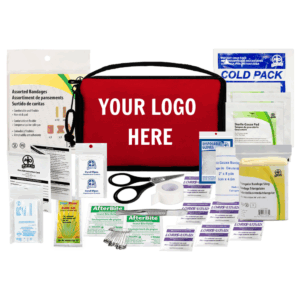
Essential Components Of A First Aid Kit
A well-stocked first aid kit is crucial for nonprofits to handle minor injuries quickly. It helps provide immediate care and prevents small problems from becoming serious. Knowing the essential components of a first aid kit ensures readiness in emergencies.
Every kit should contain basic medical supplies and emergency tools. These items work together to treat wounds, burns, and other injuries safely. Proper selection of supplies improves the ability to respond effectively.
Basic Medical Supplies
- Adhesive bandages in various sizes for small cuts
- Sterile gauze pads to cover larger wounds
- Antiseptic wipes for cleaning wounds to prevent infection
- Adhesive tape to secure dressings and bandages
- Disposable gloves to protect both caregiver and injured person
- Scissors for cutting tape, gauze, or clothing
- Tweezers to remove splinters or debris from wounds
- Elastic bandages for sprains or strains
- Instant cold packs to reduce swelling and pain
Emergency Tools
- CPR face shield or mask for safe resuscitation
- Thermometer to check for fever or monitor condition
- Emergency blanket to prevent shock and keep warm
- Flashlight with extra batteries for visibility in low light
- First aid manual or instruction booklet for guidance
- Whistle to signal for help if needed
- Elastic tourniquet to control heavy bleeding
- Splints to immobilize broken bones or sprains
Credit: www.firstaidcanada.com
Training And Education
Training and education are essential for nonprofits receiving free first aid kits. These kits provide tools, but knowledge empowers safe and effective use. Proper training ensures staff and volunteers can respond quickly to emergencies. This reduces risks and improves outcomes for those in need.
Importance Of First Aid Training
First aid training teaches basic life-saving skills. It builds confidence to handle injuries and sudden illnesses. Trained individuals can identify hazards and act calmly. This training lowers the chance of worsening injuries. It also supports a safer environment for everyone involved.
Resources For Nonprofits
Many organizations offer free or low-cost first aid training. These resources help nonprofits train teams without large expenses. Some options include:
- Online courses with video demonstrations
- Community workshops led by certified instructors
- Printable guides and manuals for quick reference
- Partnerships with local health agencies for onsite training
Using these resources, nonprofits can enhance their emergency readiness. Training maximizes the value of free first aid kits and strengthens community support.
Success Stories
Success stories highlight the real benefits of free first aid kits for nonprofits. These stories show how simple tools can save lives and improve health outcomes. They inspire other organizations to take action and equip themselves. Sharing these successes builds trust and encourages community support.
Real-life Examples
One nonprofit used free first aid kits during a community event. A child fell and scraped their knee badly. Thanks to the kit, volunteers cleaned and dressed the wound quickly. This prevented infection and eased the child’s pain. The family praised the group for being prepared.
Another group distributed kits in remote areas. Many residents lacked access to medical help. After receiving kits, people felt safer during emergencies. Some treated minor injuries right away without waiting for a clinic visit. This reduced health problems and hospital visits.
Impact On Communities
Free first aid kits help communities stay healthy and safe. They empower people to act fast in emergencies. This lowers the risk of complications from injuries or illness. Communities become stronger as members support each other.
Health education often comes with the kits. Nonprofits teach basic first aid skills alongside distribution. This knowledge spreads quickly and improves overall safety. People gain confidence to help friends and neighbors in need.
Future Opportunities
The future holds many opportunities for nonprofits to access free first aid kits. These chances can help organizations improve safety and readiness. By exploring new paths, nonprofits can better serve their communities. Growth and innovation play key roles in this progress.
Expanding Resources
Nonprofits can find more partners offering free first aid kits. Donations and grants from health organizations may increase. Communities can work together to share supplies and knowledge. Local businesses might contribute kits to support nonprofit events. This expansion helps nonprofits stay prepared in emergencies.
Innovative Solutions
Technology can make first aid kits smarter and easier to use. Apps can guide users through emergency steps quickly. Kits with built-in sensors can track supplies and send alerts. Virtual training programs can teach volunteers first aid skills. These solutions improve the impact of free first aid kits.

Credit: www.firstaidforfree.com
Frequently Asked Questions
What Nonprofits Qualify For Free First Aid Kits?
Nonprofits with community service missions often qualify. Eligibility depends on the provider’s criteria and nonprofit status verification. Check specific program guidelines for accurate qualification details.
How To Apply For Free First Aid Kits?
Visit the provider’s website and fill out their application form. Submit proof of nonprofit status. Follow instructions carefully for faster approval and delivery.
What Items Are Included In Free First Aid Kits?
Kits usually contain bandages, antiseptic wipes, gloves, and basic medical supplies. Contents vary by provider but cover essential first aid needs for emergencies.
Can Nonprofits Reorder Free First Aid Kits?
Many programs allow reorder requests once initial kits run low. Reordering policies vary, so contact the supplier to understand their specific terms and conditions.
Conclusion
Free first aid kits help nonprofits stay ready for emergencies. They offer safety and peace of mind without extra cost. Nonprofits can focus on their mission while being prepared. Simple steps make it easy to get these kits. Everyone benefits when organizations are safe and ready.
Act now to support your cause with essential first aid supplies. Safety matters, and these kits make it possible.

I’m Abby Lu, a passionate home cook who loves simplifying everyday meals. At PlugChef.com, I share product reviews and cooking guides to help you find the best tools for your kitchen.
Related posts:
 What Type of Cooking Utensils are Safe: Expert Picks
 What Innovations Could Blenders Make: Unleashing Future Tech
 Smart Strategies to Organize a Small Kitchen: Maximize Space
 How to Organize a Kitchen Cabinet: Expert Tips & Tricks
 How to Organize Kitchen Drawers: Expert Tips and Tricks
 How to Organize a Corner Kitchen Cupboard: Expert Tips

