
When you take your hunting dog out into the wild, their safety is as important as your own. Accidents can happen anytime—cuts, scrapes, or even insect bites—and being prepared can make all the difference.
You need a first aid kit that’s ready to handle these emergencies quickly and effectively. You’ll discover the essential items your hunting dog’s first aid kit must have. Knowing exactly what to pack will give you peace of mind and keep your loyal companion safe no matter where the hunt takes you.
Keep reading to learn how to build the perfect first aid kit for your hunting dog.

Credit: www.dogworxgear.com
Basic First Aid Supplies
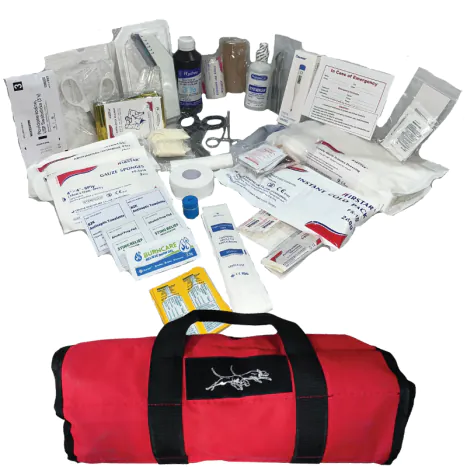
Basic first aid supplies are essential for every hunting dog first aid kit. These items help treat minor injuries quickly. Prompt care can prevent infections and ease pain. Always keep these supplies ready before heading outdoors.
Choosing the right basic supplies ensures you can handle small cuts, scrapes, or wounds. These tools support your dog’s health and safety during hunting trips. Proper first aid helps your dog recover faster and stay active.
Bandages And Gauze
Bandages protect wounds from dirt and germs. Gauze pads absorb blood and keep wounds clean. Use gauze to cover cuts before wrapping with bandages. Choose bandages that fit your dog’s size comfortably. Elastic or self-adhesive bandages work well to hold gauze in place.
Antiseptic Wipes
Antiseptic wipes clean wounds and kill bacteria. They reduce the risk of infection after injuries. Use wipes gently to avoid hurting your dog. Keep antiseptic wipes sealed to stay fresh and effective. They are easy to carry and quick to use outdoors.
Medical Tape
Medical tape secures gauze and bandages firmly. It keeps dressings from slipping during movement. Choose tape that sticks well but removes easily without pain. Waterproof tape is ideal for wet conditions. Always carry enough tape to manage multiple injuries.
Tools For Emergency Situations
Having the right tools in a hunting dog first aid kit is crucial. These items help manage injuries quickly and reduce risks. Tools for emergency situations prepare you to act fast. They assist with minor wounds, temperature checks, and parasite removal. Each tool has a specific role to support your dog’s health.
Tweezers And Scissors
Tweezers remove small objects like splinters or thorns. They help clean wounds by pulling out debris carefully. Scissors cut bandages, tape, or fur around the injury. Sharp scissors make precise cuts without hurting your dog. Both tools keep the wound clean and ready for treatment.
Thermometer
A thermometer checks your dog’s body temperature. It detects fever or hypothermia early. Use a digital thermometer for fast and accurate readings. Knowing the temperature guides you on whether to seek vet care. It’s important for spotting illness during or after the hunt.
Tick Remover
Ticks carry diseases and can harm your dog. A tick remover helps pull ticks out safely and fully. It avoids squeezing the tick’s body, lowering infection risk. Use it carefully to remove ticks stuck in your dog’s fur. Check your dog thoroughly after every outdoor trip.
Medications And Treatments
Having the right medications and treatments in your hunting dog first aid kit can make a huge difference during emergencies. These items help you manage pain, allergic reactions, and infections quickly, preventing minor issues from turning serious. Being prepared means you can act confidently and keep your dog safe in the wild.
Pain Relief
Dogs can’t tell you when they’re hurting, so carrying safe pain relief options is crucial. Over-the-counter human painkillers like ibuprofen or acetaminophen are toxic to dogs, so avoid them entirely.
Instead, ask your vet about canine-specific pain medications such as carprofen or meloxicam. Having these on hand can ease your dog’s discomfort after injuries or strenuous activity. Remember, never give medication without veterinary advice.
Antihistamines
Allergic reactions to insect bites, plants, or even food can happen unexpectedly during a hunt. Antihistamines like diphenhydramine (Benadryl) can help reduce swelling, itching, and hives quickly.
Make sure you know the correct dosage for your dog’s weight before heading out. Carrying antihistamines is like having a first line of defense against sudden allergic emergencies that could escalate fast.
Antibiotic Ointment
Scratches, cuts, or insect bites are common on hunting trips. Applying an antibiotic ointment such as Neosporin stops infections before they start.
Keep a small tube in your kit and use it to clean wounds after rinsing with clean water. This simple step can prevent painful infections that might require vet visits later.

Credit: www.rayallen.com
Hydration And Nutrition
Keeping your hunting dog well-hydrated and properly fueled is essential during any outdoor adventure. Dehydration and lack of energy can quickly turn a fun day into a risky one. Having the right items in your first aid kit focused on hydration and nutrition can make all the difference.
Electrolyte Solutions
Electrolytes help replace essential minerals lost through sweat, especially during long hunts or hot weather. Pack a small bottle of dog-safe electrolyte solution or powder you can mix with water. These solutions prevent dehydration and help maintain muscle function.
Have you noticed your dog panting heavily or slowing down during your outings? Offering an electrolyte drink can boost their stamina and recovery faster than plain water alone. Avoid human sports drinks, as many contain ingredients harmful to dogs.
Energy Snacks
Energy snacks give your dog the fuel needed to keep up the pace. Include high-protein treats, like dehydrated meat strips or specially formulated dog energy bars. These snacks provide a quick burst of energy without upsetting your dog’s stomach.
Think about your own energy needs on a long day outside—your dog needs a similar boost. Keep these snacks easily accessible in your kit, so you can offer them during breaks. Watching your dog perk up after a snack shows how crucial proper nutrition is during hunting trips.
Protection Against Weather
Protecting your hunting dog from harsh weather is vital for their safety and comfort. Weather conditions can quickly cause injuries or stress during outdoor activities. A well-prepared first aid kit includes items that shield your dog from heat, cold, rain, and rough terrain. These tools help prevent paw damage, overheating, and other weather-related problems.
Paw Wax
Paw wax forms a protective layer on your dog’s paw pads. It guards against hot surfaces, cold snow, ice, and rough ground. Applying paw wax before a hunt can reduce the risk of cuts and burns. It also helps stop salt and chemicals from irritating paws in winter.
Use paw wax regularly to keep pads soft and healthy. It acts like a barrier that shields against moisture and debris. Carry a small container in your first aid kit for easy touch-ups during long trips.
Cooling Vest
A cooling vest helps your dog stay cool in hot weather. It uses evaporative cooling to lower body temperature quickly. Wearing a cooling vest reduces the chance of heatstroke and exhaustion.
Choose a vest that fits well and is lightweight. Wet the vest before your hunt and let it dry in the air for effective cooling. This simple tool can make a big difference on warm days.
Documentation And Identification
Keeping proper documentation and identification for your hunting dog is as crucial as having the right medical supplies. In emergencies, quick access to accurate information can save precious time and even your dog’s life. You want to be prepared with everything ready, so no details get overlooked when it matters most.
Medical Records
Carry a concise, up-to-date medical record for your dog in your first aid kit. Include vaccination dates, any allergies, ongoing medications, and previous injuries or surgeries.
Having this information at hand helps vets or emergency responders make informed decisions fast. Imagine being in a remote area and needing to describe your dog’s health history—having a printed record prevents confusion and delays.
Keep the records waterproof and easy to read. A laminated card or a small folder works well for this purpose.
Emergency Contacts
List important phone numbers clearly in your first aid kit. Include your vet’s office, a nearby emergency animal hospital, and a trusted contact who can assist if you’re unavailable.
Think about adding contacts for local wildlife authorities or hunting partners who know the area. Emergencies often happen far from home, so local knowledge can be invaluable.
Write these contacts on a durable card and keep a digital copy on your phone too. This way, you won’t lose access even if one source fails.
Training And Preparedness
Having a hunting dog first aid kit is just the start of being prepared. Knowing how to use the items in your kit can make all the difference when seconds count. Training and preparedness build your confidence and ensure your dog gets the care they need immediately.
First Aid Courses
Taking a first aid course focused on dogs gives you hands-on experience. You learn how to recognize common hunting injuries like cuts, bites, or heatstroke. These courses teach you how to stop bleeding, bandage wounds, and perform CPR safely.
Imagine spotting your dog limping after a rough trail. Would you know how to check for fractures or swelling? A first aid course prepares you to act quickly rather than panic. Many local vets or outdoor organizations offer these classes.
Regular Kit Checks
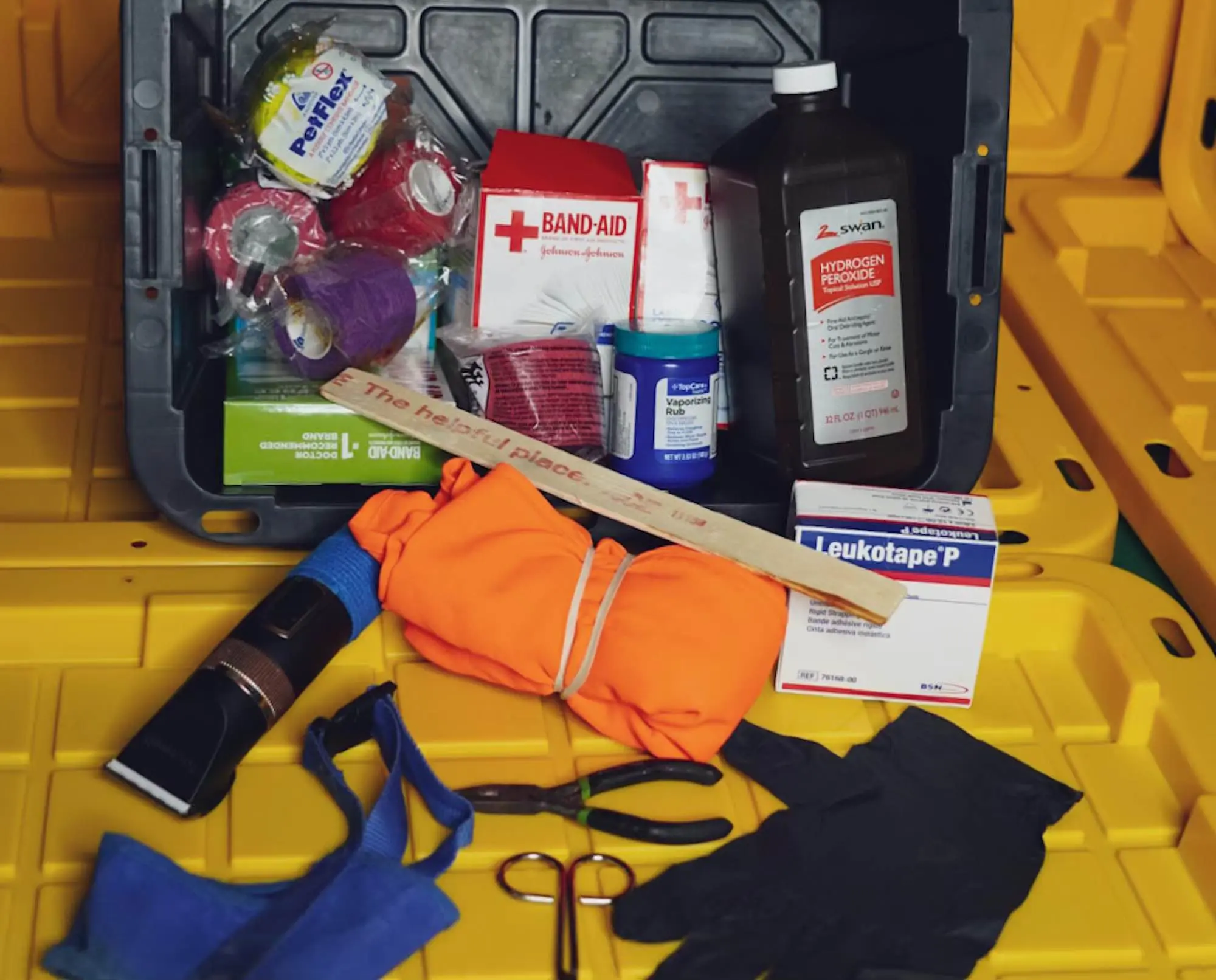
Your first aid kit is only useful if it’s complete and items aren’t expired. Make it a habit to check your kit before each hunting trip. Replace used or outdated supplies right away.
- Check bandages and gauze for damage or moisture.
- Ensure antiseptics and medications haven’t expired.
- Test tools like scissors and tweezers for functionality.
What good is a first aid kit if the glue sticks won’t stick or the scissors are dull? Regular checks keep you ready for any emergency. Keeping a checklist can help you stay organized and confident in your preparedness.
Credit: projectupland.com
Frequently Asked Questions
What Essential Items Should Be In A Hunting Dog First Aid Kit?
A hunting dog first aid kit must include bandages, antiseptic wipes, tweezers, gauze, scissors, and styptic powder. These items help treat wounds, stop bleeding, and prevent infections during outdoor emergencies.
How Do I Treat A Hunting Dog’s Wound In The Field?
Clean the wound with antiseptic wipes, apply sterile gauze, and secure with a bandage. Avoid using human medications unless advised by a vet. Seek professional care if bleeding or injury is severe.
Why Carry A First Aid Kit Specifically For Hunting Dogs?
Hunting dogs face unique risks like cuts, insect bites, and paw injuries. A specialized kit ensures quick, effective care tailored to their needs, improving recovery chances during hunting trips.
How Often Should I Check And Restock My Dog’s First Aid Kit?
Check your hunting dog’s first aid kit before every trip. Replace used or expired items immediately to ensure readiness. Regular maintenance keeps supplies effective and avoids surprises in emergencies.
Conclusion
A well-stocked first aid kit keeps your hunting dog safe. Treat small injuries quickly to avoid bigger problems. Regularly check and refill your kit before each trip. Knowing what to include helps you stay prepared in the wild. Your dog depends on you for care and protection.
Stay ready, stay safe, and enjoy hunting together.

I’m Abby Lu, a passionate home cook who loves simplifying everyday meals. At PlugChef.com, I share product reviews and cooking guides to help you find the best tools for your kitchen.
Related posts:
 What Type of Cooking Utensils are Safe: Expert Picks
 What Innovations Could Blenders Make: Unleashing Future Tech
 Smart Strategies to Organize a Small Kitchen: Maximize Space
 How to Organize a Kitchen Cabinet: Expert Tips & Tricks
 How to Organize Kitchen Drawers: Expert Tips and Tricks
 How to Organize a Corner Kitchen Cupboard: Expert Tips

