
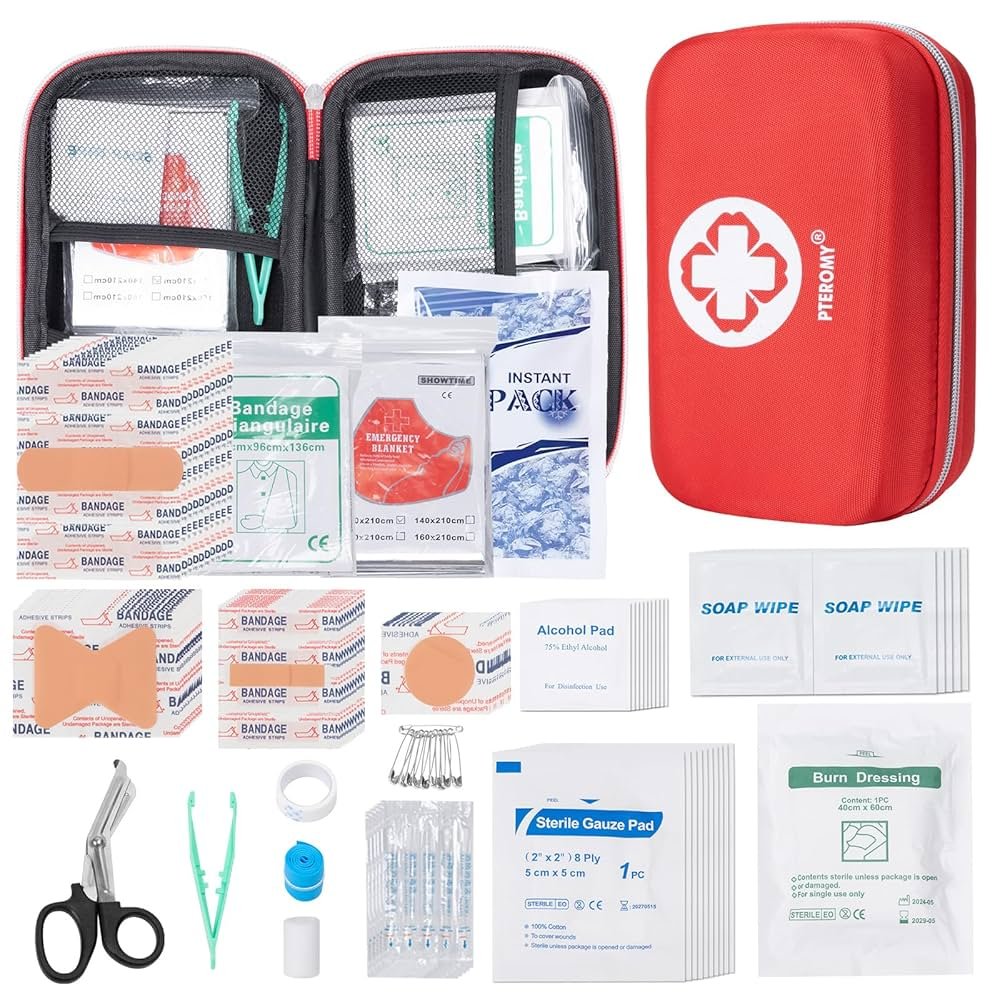
When you’re traveling, unexpected bumps and scrapes can happen anytime. Having a well-packed first aid kit travel bag can be a real lifesaver.
It’s not just about being prepared—it’s about keeping you and your loved ones safe and stress-free. Imagine knowing that whatever happens, you have the right supplies right at your fingertips. Ready to discover how to choose the perfect first aid kit travel bag and what essentials it should hold?
Keep reading, because your next trip deserves peace of mind.

Credit: www.ebay.ca
Importance Of A First Aid Kit
A first aid kit is essential for travel safety. It helps handle minor injuries instantly. Having one nearby can prevent small problems from becoming serious. It also provides peace of mind during trips.
Travel brings unexpected risks. Cuts, burns, or insect bites can happen anytime. A first aid kit travel bag keeps supplies organized and ready. It ensures quick access to needed items in emergencies.
Immediate Response To Injuries
Quick treatment reduces pain and infection risk. A first aid kit has bandages, antiseptics, and pain relievers. Using these supplies right away helps wounds heal faster. It avoids complications from delayed care.
Preparedness For Medical Emergencies
Not all places have easy medical help. Travel may take you far from hospitals or clinics. A first aid kit provides basic tools to manage emergencies. It supports victims until professional help arrives.
Convenience And Organization
Travel bags keep all first aid items in one place. This prevents loss and confusion during urgent moments. It saves time searching for supplies. Organized kits make first aid simple and efficient.
Peace Of Mind For Travelers
Knowing you can treat injuries builds confidence. Travelers feel safer and more relaxed. This allows better focus on enjoying the trip. A first aid kit is a small item with big benefits.

Credit: www.amazon.ca
Choosing The Right Travel Bag
Choosing the right travel bag for your first aid kit is key to staying prepared. The bag must hold all your essentials while fitting your travel style. Size and durability are important factors. A good bag offers easy access and protects contents from damage. Consider how often you travel and where you go. The right bag makes first aid simple and stress-free.
Size And Portability
The bag size should match your travel needs. Small bags work well for short trips or day hikes. Larger bags suit longer journeys or group travel. Portability is crucial. Look for lightweight bags that fit in your backpack or carry-on. Compact designs save space and keep your kit organized. Easy to carry means you will bring it everywhere.
Material And Durability
Strong materials protect your kit from wear and tear. Choose water-resistant fabrics to keep supplies dry. Nylon and polyester are common choices. Check for reinforced seams and sturdy zippers. Durable bags last longer and handle rough conditions. A tough bag ensures your first aid items stay safe.
Essential Items For First Aid Kits
A well-stocked first aid kit travel bag is vital for any trip. It ensures quick care for minor injuries and common health issues. Packing the right items can make a big difference in handling emergencies calmly and effectively.
Essential items cover wound care, medications, and useful tools. Each category plays a key role in providing proper first aid support during travel. Organizing these items carefully helps you find what you need fast.
Wound Care Supplies
- Adhesive bandages of various sizes for cuts and scrapes
- Sterile gauze pads to cover larger wounds
- Antiseptic wipes or solution to clean wounds
- Medical tape to secure dressings
- Elastic bandages for sprains and strains
- Disposable gloves to keep hands clean and avoid infection
Medications And Treatments
- Pain relievers such as ibuprofen or acetaminophen
- Antihistamines for allergic reactions
- Antacid tablets for upset stomach
- Hydrocortisone cream to reduce itching and skin irritation
- Cold packs for swelling and bruises
- Oral rehydration salts to prevent dehydration
Tools And Instruments
- Small scissors for cutting tape and gauze
- Tweezers to remove splinters or debris
- Thermometer to check body temperature
- Safety pins for securing bandages or slings
- CPR face shield for safe resuscitation
- Flashlight with extra batteries for visibility

Credit: www.amazon.ca
Customizing Your Kit
Customizing your first aid kit travel bag makes it more useful and ready for any situation. Every traveler has unique needs and faces different challenges. A one-size-fits-all kit often misses important items. Tailoring your kit can save time and reduce stress during emergencies. It also ensures you carry only what you need, keeping your kit light and easy to carry.
Personal Health Needs
Include items based on your health history and conditions. Think about allergies, medications, and chronic illnesses. Pack extra supplies for daily medicines and any special treatments. Consider items like:
- Prescription medications
- Allergy relief tablets or epinephrine
- Glucose tablets for diabetics
- Inhalers for asthma
- Personal hygiene products
Also, add tools that help monitor your health, such as a thermometer or blood pressure monitor. These small additions make your kit ready for your specific needs.
Destination-specific Items
Think about where you are traveling. Different places pose different risks and challenges. Include items that suit the climate, terrain, and local health concerns. For example:
- Insect repellent for tropical areas
- Sunscreen for sunny destinations
- Water purification tablets for remote trips
- Anti-diarrheal medicine for places with different food
- Snake bite kit for wilderness travel
Research the destination’s health risks and local medical facilities. This helps you choose the right tools and supplies. Customizing based on location keeps you safer and more confident on your journey.
Organizing Your Travel First Aid Kit
Organizing your travel first aid kit is key to quick and easy access during emergencies. A well-organized kit saves time and reduces stress. It helps you find the right item instantly. Keep your kit compact but complete for any situation. Proper organization also prevents damage to supplies.
Efficient Packing Tips
Choose a sturdy travel bag with multiple compartments. Use small clear bags to separate items by type. Pack essentials like bandages and antiseptics in easy-to-reach spots. Avoid overpacking to keep the kit lightweight. Include only what you need for your trip. Check expiration dates before packing.
Labeling And Accessibility
Label each compartment or bag with its contents. Use simple words or icons for quick recognition. Keep frequently used items at the top or front. Arrange items so they don’t shift during travel. Make sure the kit opens fully for easy access. Regularly review and update labels as needed.
Safety Tips For Using A First Aid Kit
Using a first aid kit during travel requires care and knowledge. Safety comes first to avoid worsening injuries or causing infections. Knowing how and when to use the kit protects both the injured and the helper. Practice and preparation help you stay calm in emergencies.
Knowing When To Use
Recognize situations that need first aid, such as cuts, burns, or sprains. Minor injuries like small cuts or insect bites can be treated immediately. For serious injuries, call for professional help right away.
- Stop bleeding with pressure on wounds
- Clean small wounds to prevent infection
- Use bandages for support and protection
- Do not use the kit for severe trauma or breathing problems
Knowing when to act quickly can reduce risks and improve recovery.
Basic First Aid Skills
Learn simple skills to handle common injuries. Practice cleaning wounds, applying bandages, and using antiseptics. Understand how to check breathing and pulse. Keep calm and speak clearly to the injured person.
- Wear gloves to protect yourself
- Use antiseptic wipes on wounds
- Secure bandages without cutting off circulation
- Keep the injured person comfortable and still
Regularly update your knowledge and kit contents. Training boosts confidence and ensures safe aid during travel emergencies.
Maintaining And Restocking Your Kit
Keeping your first aid kit travel bag ready can make a big difference during emergencies. Regular maintenance ensures that you won’t find yourself with empty supplies or outdated medicine when you need them most. It’s a simple habit that can save time and stress on the road.
Regular Checks
Make it a habit to check your first aid kit every few months. Look over each item carefully to see if anything is missing or damaged. This quick review helps you spot gaps before they become a problem.
Ask yourself: Are all bandages sealed and intact? Is the antiseptic still usable? Even small tears in packaging can affect the effectiveness of the supplies inside.
Keep a checklist handy, so you don’t miss anything during your inspection. It’s easier to stay organized and confident that your kit is complete.
Replacing Expired Items
Expired medicine and supplies can lose their effectiveness or even become unsafe. Check the expiration dates on items like pain relievers, ointments, and antiseptic wipes.
Throw away anything that’s out of date, and replace it with fresh items. You don’t want to rely on an expired cream or pill in a critical moment.
Did you know some items like sterile gloves and bandages don’t have strict expiration dates but can degrade over time? Replace these annually to stay safe.
Taking time to restock your kit also gives you a chance to add new items based on your recent travel experiences. Have you encountered a situation where a certain supply would have been handy?
Frequently Asked Questions
What Should A First Aid Kit Travel Bag Contain?
A first aid kit travel bag should include bandages, antiseptic wipes, adhesive tape, pain relievers, scissors, tweezers, and allergy medicine. These items help handle minor injuries and emergencies during travel quickly and effectively.
How To Choose The Best First Aid Kit Travel Bag?
Choose a travel bag that is compact, lightweight, and durable. It should have organized compartments for easy access. Consider the destination and travel duration to pack essential medical supplies accordingly.
Can I Carry A First Aid Kit In Hand Luggage?
Yes, you can carry a first aid kit in hand luggage. Ensure all liquids meet airline regulations and pack sharp objects like scissors safely. This keeps you prepared for emergencies during your flight.
How Often Should I Update My Travel First Aid Kit?
Update your travel first aid kit every six months or after each trip. Check expiration dates on medicines and replace used or outdated items. This ensures your kit remains effective and ready for use.
Conclusion
A first aid kit travel bag keeps you safe on the go. It holds all the essential items you might need. Carrying one helps you act fast during small injuries. It fits easily in your backpack or suitcase. Staying prepared gives you peace of mind.
Travel safely and stay ready for any mishap. A simple kit can make a big difference. Don’t leave home without it.

I’m Abby Lu, a passionate home cook who loves simplifying everyday meals. At PlugChef.com, I share product reviews and cooking guides to help you find the best tools for your kitchen.
Related posts:
 What Type of Cooking Utensils are Safe: Expert Picks
 What Innovations Could Blenders Make: Unleashing Future Tech
 Smart Strategies to Organize a Small Kitchen: Maximize Space
 How to Organize a Kitchen Cabinet: Expert Tips & Tricks
 How to Organize Kitchen Drawers: Expert Tips and Tricks
 How to Organize a Corner Kitchen Cupboard: Expert Tips

