
Imagine facing an emergency where every second counts, and you need to stop severe bleeding fast. Do you have the right tools ready?
A first aid kit with a tourniquet could be the lifesaver you never thought you’d need. This kit isn’t just about bandages and antiseptics; it’s about giving you the power to act confidently when it matters most. Keep reading to discover why this essential addition to your first aid supplies could make all the difference for you and your loved ones.
Credit: www.asatechmed.com
Importance Of A First Aid Kit
A well-stocked first aid kit is more than just a box of supplies. It’s your first line of defense in a medical emergency. Having a kit with a tourniquet can make a critical difference, especially in serious bleeding situations.
Emergency Preparedness
Are you ready if an accident happens right in front of you? A first aid kit with a tourniquet prepares you for unexpected injuries that require quick action. It’s not just about minor cuts; severe bleeding can be life-threatening and needs immediate control.
Keeping a kit within easy reach at home, in your car, or at work means you won’t waste precious minutes searching for supplies. It gives you confidence to act fast and effectively. You might even save a life before professional help arrives.
Immediate Response
When seconds count, your response can change the outcome. A first aid kit with a tourniquet allows you to stop heavy bleeding quickly. Have you thought about how you would handle a deep wound on your own or someone else?
Simple items like bandages and antiseptics are helpful, but a tourniquet is essential for controlling severe blood loss. It can stabilize the injured person and prevent shock, buying time until emergency services arrive.
Knowing how to use your first aid kit effectively turns panic into action. Training yourself to apply a tourniquet properly ensures you are ready to face real emergencies with calm and skill.
Components Of A First Aid Kit
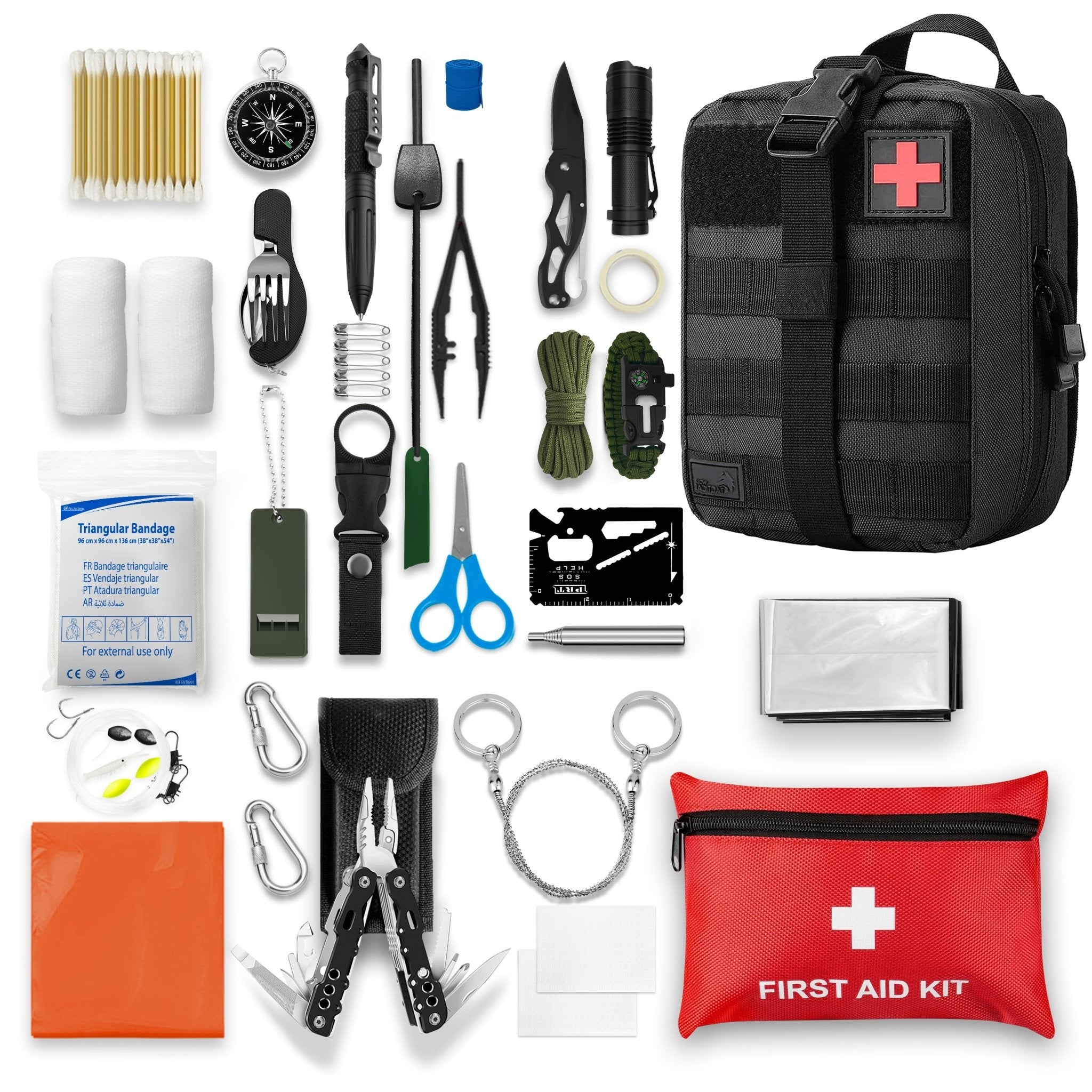
Knowing the components of a first aid kit helps you prepare better for emergencies. A well-stocked kit can make a big difference when every second counts. You want to ensure it covers both common injuries and more serious situations, including severe bleeding control.
Basic Medical Supplies
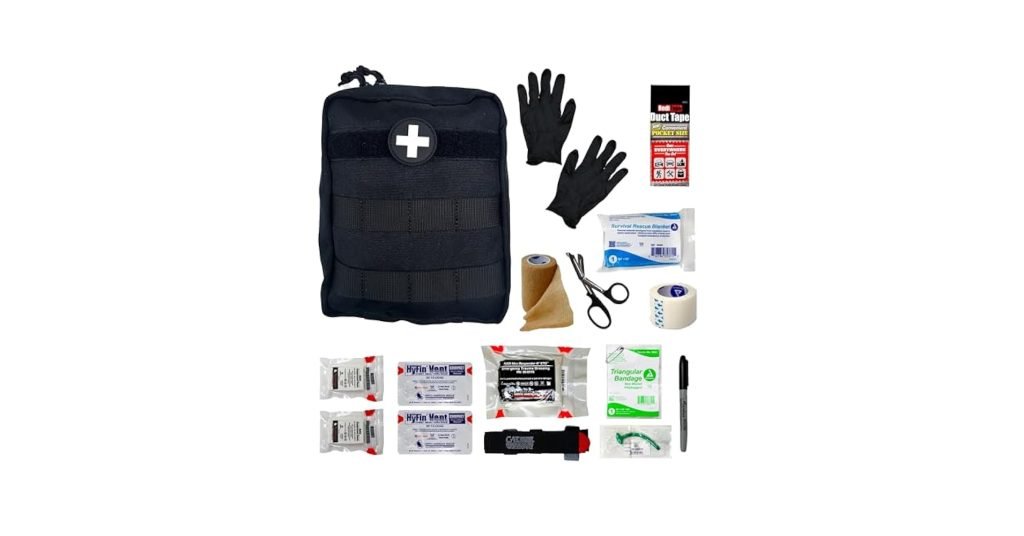
Basic supplies are the foundation of any first aid kit. Think about items like adhesive bandages, gauze pads, and antiseptic wipes. These help treat minor cuts, scrapes, and prevent infections quickly.
Other essentials include:
- Sterile gloves to protect you and the injured person
- Medical tape for securing dressings
- Scissors and tweezers for removing debris or cutting bandages
- Elastic bandages to support sprains or strains
Have you ever struggled to find a clean surface to treat a wound? Carrying sterile dressings and wipes can solve that problem instantly.
Specialized Equipment
Specialized items prepare you for more serious emergencies. A tourniquet is one critical tool for controlling heavy bleeding, especially from limb injuries. It’s not just for professionals; knowing how to use one can save a life.
Other specialized gear includes:
- CPR face shield or mask for safe resuscitation
- Instant cold packs to reduce swelling
- Burn dressings designed to soothe and protect burns
- Emergency blanket to prevent shock and hypothermia
Do you have a plan for severe bleeding before help arrives? Adding a tourniquet and knowing when to apply it gives you an edge in critical moments.
Role Of Tourniquets In First Aid
Tourniquets play a vital role in first aid by controlling severe bleeding. They help save lives during emergencies where blood loss is rapid and intense. Proper use of a tourniquet can prevent shock and improve survival chances. Understanding when and how to apply a tourniquet is essential for effective first aid response.
Stopping Severe Bleeding
Tourniquets stop blood flow to injured limbs quickly. They compress blood vessels, cutting off circulation to the wound. This action slows down or stops heavy bleeding. Prompt application reduces the risk of death from blood loss. Tourniquets work best on limbs with deep cuts or wounds.
Situations Requiring Tourniquets
- Severe limb injuries with heavy bleeding
- Crush injuries where pressure dressings fail
- Amputations or partial amputations
- Accidents in remote areas with delayed medical help
- Mass casualty events needing quick bleeding control
Tourniquets should only be used when direct pressure cannot stop bleeding. Proper training ensures safe and effective use. Always check for signs of circulation beyond the tourniquet.
Types Of Tourniquets
Tourniquets are vital tools in any first aid kit, especially when severe bleeding needs immediate control. Understanding the different types can help you decide which one suits your needs best. Let’s look closely at the main categories of tourniquets you might encounter or want to include in your kit.
Commercial Tourniquets
Commercial tourniquets are designed specifically for emergency use and are widely trusted by medical professionals and first responders. They often come with features like a windlass rod for tightening and a secure locking mechanism to maintain pressure.
Popular brands, such as the CAT (Combat Application Tourniquet) and SOF-T, offer reliable performance and ease of use. These tourniquets are lightweight and compact, making them easy to carry with your first aid supplies. Have you ever wondered why paramedics prefer these over improvised options? Their consistent pressure and quick application can save lives.
Improvised Tourniquets
Improvised tourniquets are made from materials you have on hand, such as belts, scarves, or strips of cloth. While not ideal, they can be lifesavers in situations where commercial tourniquets are unavailable.
However, applying an improvised tourniquet requires caution. It must be tight enough to stop blood flow but not so tight that it causes unnecessary damage. Have you practiced making one? Knowing how to create an effective improvised tourniquet could make a critical difference in an emergency.
Choosing The Right Tourniquet
Choosing the right tourniquet is crucial if you want to be prepared for emergencies. A poorly selected tourniquet can do more harm than good, so understanding what makes one effective is key. Let’s look at important features that help you pick the best option for your first aid kit.
Material And Design
The material of a tourniquet affects both its durability and comfort. Look for strong, tear-resistant fabrics like nylon that won’t snap under pressure.
Design also matters. Some tourniquets use a windlass system, which allows precise tightening and secure locking. Others use Velcro straps, which are faster but may slip if not applied correctly.
Have you ever struggled with a tourniquet that felt flimsy or painful? Choosing one with padding can reduce discomfort during use. This matters because a painful tourniquet might discourage proper application, which can be dangerous.
Ease Of Use
In an emergency, every second counts. You want a tourniquet that’s simple and quick to apply, even if you’re under stress.
Look for clear instructions printed on the device or included in your kit. Visual cues help you avoid mistakes when you have no time to think.
Practice using your tourniquet before you need it. This builds confidence and muscle memory. Have you ever tried to apply a device without practice? It’s much harder than it seems.
Consider the size and weight too. A bulky tourniquet might be tough to carry on you daily. Compact and lightweight options fit easily into any first aid kit without adding bulk.

Credit: www.amazon.com
Proper Use Of Tourniquets
Tourniquets play a vital role in controlling severe bleeding. Using them correctly can save lives in emergencies. Improper use may cause harm or reduce their effectiveness. Understanding proper techniques and risks is essential for safe application.
Application Techniques
Place the tourniquet 2-3 inches above the wound. Avoid placing it over joints like elbows or knees. Tighten the tourniquet until bleeding stops completely. Secure the device to prevent loosening. Note the time of application for medical personnel. Never remove the tourniquet once applied; wait for professional help.
Precautions And Risks
- Tourniquets can cause tissue damage if left on too long.
- Applying too loosely may not stop the bleeding.
- Use only when direct pressure fails to control severe bleeding.
- Incorrect placement can worsen injury or cause nerve damage.
- Monitor the injured person for signs of shock or pain.
Maintaining Your First Aid Kit
Maintaining your first aid kit is crucial for its effectiveness during emergencies. A well-kept kit ensures you have the right tools ready at all times. Regular care prevents expired or damaged items from compromising safety. This is especially important for kits with tourniquets, as these are vital for controlling severe bleeding quickly. Keep your kit organized and complete to face any situation confidently.
Regular Checks
Check your first aid kit every month. Look for any damaged or used items. Make sure the tourniquet is in good condition and works properly. Test the tourniquet buckle and strap for strength. Replace any broken or worn parts immediately. Keep the kit clean and dry to avoid damage. Mark a calendar reminder to help you keep track.
Updating Supplies
Replace expired bandages, antiseptics, and medications on time. Keep extra gloves and sterile pads in stock. Add new items based on your specific needs or changes in health advice. Review the tourniquet’s instructions to stay updated on correct use. Store the kit in an easy-to-reach place, away from children. A fresh and complete kit can save lives during emergencies.
Training For Effective Use
Knowing how to use a first aid kit with a tourniquet is more than just owning the right gear. Proper training can make all the difference between an effective response and a missed opportunity to save a life. You need to be confident and quick, and that comes from hands-on learning and real experience.
First Aid Courses
Signing up for a first aid course that covers tourniquet use is a smart move. These courses teach you the right steps to take under pressure. They don’t just show you how to apply a tourniquet—they explain when and why it’s necessary.
Many courses include:
- Recognizing severe bleeding
- Safe application techniques
- Understanding tourniquet placement and timing
Think about it: Have you ever been in a situation where hesitation could cost precious time? Training helps you act decisively.
Hands-on Practice
Reading about tourniquets isn’t enough. You must practice to build muscle memory. Handling the equipment in a controlled setting prepares you for real emergencies.
During practice sessions, focus on:
- Proper tightening without causing unnecessary pain
- Correct placement above the injury site
- Knowing how to check if bleeding has stopped
Try practicing with a partner or using a training dummy. It’s surprising how much easier it is to remain calm when you’ve done it before. What’s holding you back from getting that hands-on experience?
Real-life Success Stories
Real-life stories show the true value of having a first aid kit with a tourniquet ready. These accounts prove that quick action and the right tools can make the difference between life and death. Understanding these stories helps you see why being prepared matters so much.
Saved Lives
One emergency responder shared how a tourniquet stopped severe bleeding after a car accident. The quick use of the tourniquet bought crucial time before medical help arrived.
Another story comes from a hiker who used their first aid kit with a tourniquet to control a deep leg wound caused by a fall. Their calm and immediate response prevented the injury from becoming fatal.
Have you ever thought about how having the right tools could change an emergency for you or someone close to you?
Lessons Learned
Many survivors highlight the importance of knowing how to properly apply a tourniquet. Simply having one isn’t enough; practice and confidence are key.
Some cases showed that delays in using a tourniquet led to worse outcomes. This teaches the value of acting fast and decisively in emergencies.
People also stress the need to regularly check and update your first aid kit. A worn or expired tourniquet can fail when you need it most.
What steps can you take today to ensure your first aid kit is ready and you know how to use every item inside?

Credit: chinahopson.en.made-in-china.com
Frequently Asked Questions
What Is A First Aid Kit With A Tourniquet?
A first aid kit with a tourniquet includes essential medical supplies plus a tourniquet. It is designed to control severe bleeding quickly, especially in emergencies or traumatic injuries.
How Do You Use A Tourniquet In First Aid?
Place the tourniquet 2-3 inches above the wound. Tighten it until bleeding stops. Note the time applied for medical personnel.
Why Include A Tourniquet In A First Aid Kit?
Tourniquets save lives by stopping severe bleeding. They are vital in emergencies where direct pressure fails. Including one ensures preparedness for serious injuries.
Can Anyone Safely Apply A Tourniquet?
Yes, with basic training or guidance. Applying a tourniquet properly can prevent life-threatening blood loss. However, improper use can cause harm, so learn correct techniques.
Conclusion
A first aid kit with a tourniquet saves lives in emergencies. It stops heavy bleeding quickly and helps prevent serious injury. Always keep one nearby at home, work, or in your car. Knowing how to use a tourniquet is important for safety.
Stay prepared and stay safe with the right first aid tools. Don’t wait for accidents to happen—be ready today. Safety starts with simple steps and good choices.

I’m Abby Lu, a passionate home cook who loves simplifying everyday meals. At PlugChef.com, I share product reviews and cooking guides to help you find the best tools for your kitchen.
Related posts:
 What Type of Cooking Utensils are Safe: Expert Picks
 What Innovations Could Blenders Make: Unleashing Future Tech
 Smart Strategies to Organize a Small Kitchen: Maximize Space
 How to Organize a Kitchen Cabinet: Expert Tips & Tricks
 How to Organize Kitchen Drawers: Expert Tips and Tricks
 How to Organize a Corner Kitchen Cupboard: Expert Tips

