
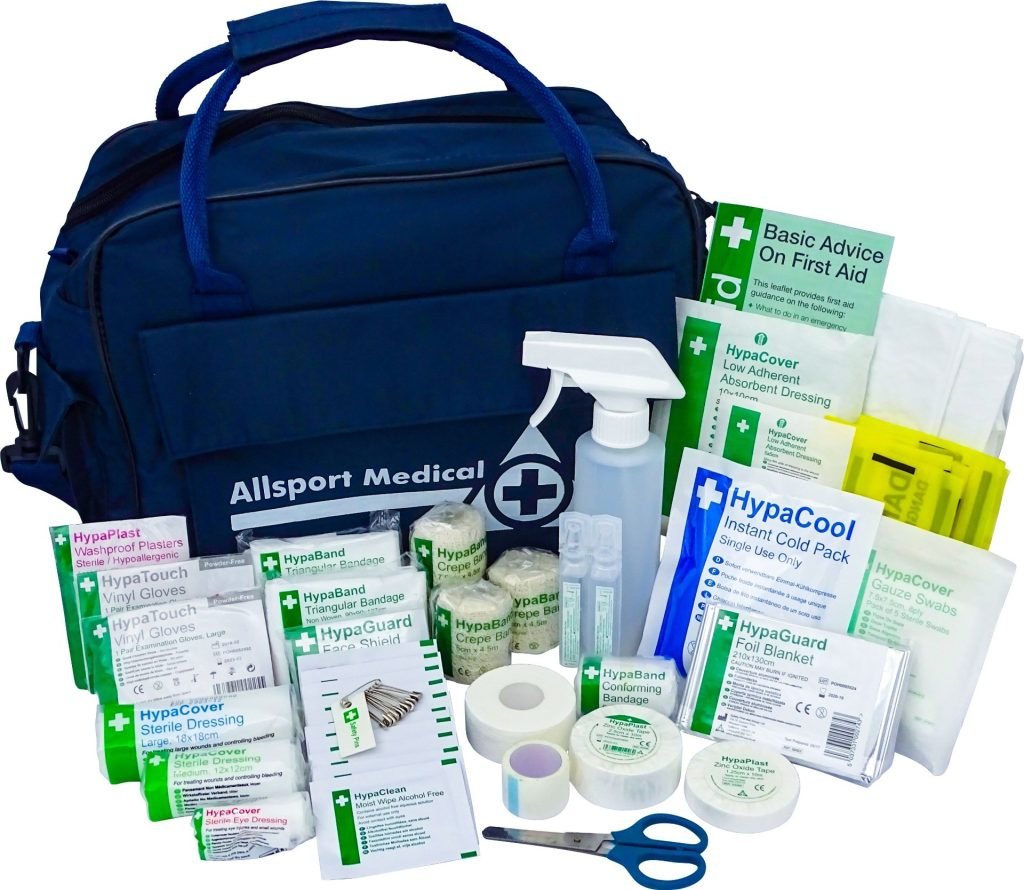
When you step onto the football field, safety should be your top priority. Injuries can happen anytime, and being prepared with the right first aid kit can make all the difference.
Imagine having everything you need right at your fingertips to handle cuts, sprains, or bruises quickly and confidently. This guide will help you put together the perfect first aid kit for football, so you can protect yourself and your teammates every time you play.
Keep reading to discover what essentials you must have and why they matter for your game-day safety.

Credit: www.zafety.co.uk
Essential First Aid Supplies
Having the right first aid supplies on hand during a football game can make a huge difference. Injuries happen fast, and being prepared lets you act quickly to reduce pain and prevent complications. Your first aid kit should be stocked with essentials that cover the most common football injuries.
Bandages And Dressings
Bandages and dressings are the backbone of any first aid kit. They help stop bleeding, protect wounds from dirt, and support injured limbs. You want a variety of sizes, including adhesive bandages for small cuts and larger sterile dressings for deeper wounds.
Elastic bandages are also crucial for wrapping sprains or strains. They provide compression and reduce swelling, which can speed up recovery. Have you ever tried playing through a sprained ankle without proper support? It’s not just painful—it can make the injury worse.
Antiseptic Solutions
Cleaning wounds quickly is essential to prevent infections. Antiseptic solutions like iodine or alcohol wipes kill germs on the skin and around injuries. Carry small bottles or wipes that are easy to access during the fast pace of a game.
Don’t forget to include antibiotic ointments as well. After cleaning, a thin layer of ointment can protect the wound and promote faster healing. What would happen if you skipped this step? Even minor cuts can become infected, sidelining players unnecessarily.
Cold Packs
Cold packs are lifesavers for managing bumps, bruises, and sprains on the field. Applying cold reduces swelling and numbs pain, giving immediate relief. Keep instant cold packs in your kit—they activate without refrigeration and are ready when you need them most.
Reusable gel packs are another option if you have access to a freezer nearby. Just remember that timing matters: apply cold packs for 15-20 minutes, then give the skin a break. How often do you see players ignoring swelling until it’s too late? Cold packs help you act fast to avoid that.
Injury Prevention Tools
Injuries on the football field can happen in a blink of an eye. Having the right injury prevention tools in your first aid kit can make a big difference in keeping you safe and in the game. These tools don’t just treat injuries—they help stop them before they start.
Supportive Braces
Supportive braces stabilize joints like knees, ankles, and wrists, which are vulnerable during intense play. Wearing a brace can reduce the risk of sprains and strains by providing extra support where you need it most. If you’ve ever twisted an ankle, you know how quickly a brace can help you bounce back.
When choosing braces, look for ones with adjustable straps and breathable material. They should fit snugly but never cut off circulation. Do you know which joints you stress the most during your game?
Protective Pads
Protective pads shield your body parts from direct hits and hard falls. Common pads include shoulder pads, thigh pads, and knee pads. These can absorb impact and prevent bruises or fractures that might otherwise bench you for weeks.
Always check your pads for cracks or worn-out foam before practice or a match. A damaged pad won’t protect you properly and could give you a false sense of security. Have you checked your equipment lately to make sure it’s game-ready?
Compression Wraps
Compression wraps help control swelling and support injured muscles or joints immediately after a hit. They also improve blood flow, which speeds up recovery and reduces pain. Packing a few wraps in your kit can be a game-changer when quick action is needed.
Learning how tight to wrap is key—too loose won’t help, too tight can cause numbness. Next time you get a minor twist or strain, try using a compression wrap and notice how much better you feel. What’s your experience with using compression wraps on the field?
Emergency Response Equipment
Having the right emergency response equipment in your football first aid kit can make all the difference during a critical moment on the field. These tools aren’t just items; they’re lifesavers that help you act quickly and confidently. Knowing what to include and how to use it ensures you’re prepared for unexpected situations.
Cpr Mask
A CPR mask is essential for protecting both the rescuer and the injured player during mouth-to-mouth resuscitation. It creates a barrier that reduces the risk of infection while allowing you to provide effective breaths. Keep it accessible and practice using it so you don’t hesitate when seconds count.
Automated External Defibrillator (aed)
An AED can restore a normal heart rhythm in someone experiencing sudden cardiac arrest. This device is designed for use by non-medical people, with clear voice instructions guiding you through the process. Having an AED nearby during football games can be a game-changer—literally saving a life.
Emergency Contact Information
Quick access to emergency contact information is crucial when every second matters. Include phone numbers for local emergency services, team medical staff, and the players’ emergency contacts. Make sure this information is visible and easy to find in your first aid kit to speed up communication during an emergency.
Pain Relief Options
Pain relief is vital in any football first aid kit. Immediate treatment helps players recover faster. It also reduces the risk of worsening injuries.
Choosing the right pain relief option depends on the injury type and player needs. A variety of products can help manage pain effectively. These include sprays, oral medicines, and creams.
Pain Relieving Sprays
Pain relieving sprays provide quick cooling or warming effects. They work by numbing the injured area temporarily. This eases pain and swelling after impacts or strains.
- Easy to apply on the field
- Fast-acting relief
- Non-greasy and dries quickly
Ideal for muscle soreness or minor bruises. Always check for allergies before use.
Oral Pain Relievers
Oral pain relievers reduce pain and inflammation from within the body. Common options include acetaminophen and ibuprofen. They help with moderate pain and swelling.
- Useful for deeper or widespread pain
- Dosage must follow package instructions
- Not suitable for all players, especially children
Keep oral pain relievers in your first aid kit for serious injuries.
Topical Analgesics
Topical analgesics are creams, gels, or ointments applied directly to the skin. They help relieve muscle aches and joint pain. Ingredients often include menthol or capsaicin.
- Targeted pain relief at the injury site
- Can be used before or after activity
- May cause mild skin irritation in some users
Perfect for treating strains or mild sprains on the sidelines.
Hydration And Nutrition
Hydration and nutrition play a vital role in football first aid kits. They help players recover quickly and maintain energy. Proper fluids and snacks prevent fatigue and cramps during the match. Including these items ensures players stay strong and focused on the field.
Electrolyte Solutions
Electrolyte solutions replace lost salts and minerals after heavy sweating. They keep the body’s balance and prevent dehydration. Sports drinks or electrolyte powders work well for quick absorption. Carry small packets or bottles in the first aid kit for easy use.
Energy Bars
Energy bars provide fast fuel during breaks or after injuries. They contain carbohydrates, proteins, and fats for sustained energy. Choose bars with natural ingredients and low sugar. Pack a few bars for quick recovery and to boost stamina.
Hydration Packs
Hydration packs offer hands-free fluid supply during practice or games. They allow players to drink water or electrolyte drinks without stopping. Lightweight and easy to carry, hydration packs keep players hydrated on the move. Include them in the kit for convenient fluid intake.

Credit: www.steroplast.co.uk
Training For First Aid
Knowing what’s inside your first aid kit is just the beginning. Training for first aid equips you with the skills to act confidently and effectively during a football injury. It’s not only about having supplies but also understanding how to use them correctly when every second counts.
Basic First Aid Training
Basic first aid training teaches you how to handle common football injuries like sprains, cuts, and bruises. You’ll learn how to clean wounds, apply bandages, and recognize signs of more serious problems such as concussions. This hands-on knowledge turns your first aid kit from a box of supplies into a lifesaving tool.
Have you ever hesitated because you weren’t sure what to do? Basic training removes that doubt and puts you in control.
Cpr Certification
CPR certification is essential for anyone involved in football. Cardiac emergencies, though rare, can happen suddenly on the field. Knowing how to perform CPR can keep a player alive until professional help arrives.
Imagine the difference you could make by mastering chest compressions and rescue breathing. It’s a skill that stays with you for life and can be applied in countless emergency situations.
Aed Operation
Automated External Defibrillators (AEDs) are vital in cases of sudden cardiac arrest. Training in AED operation teaches you how to use this device safely and effectively. The device gives clear voice instructions, but practice builds the confidence to act quickly.
Do you know where the nearest AED is at your football field? Being prepared to use one can mean the difference between tragedy and survival.

Credit: www.amazon.ae
Frequently Asked Questions
What Essential Items Are In A Football First Aid Kit?
A football first aid kit includes bandages, antiseptic wipes, ice packs, pain relievers, and adhesive tape. These items help treat cuts, bruises, sprains, and minor injuries quickly on the field.
How Often Should A Football First Aid Kit Be Checked?
Check your football first aid kit before every game or practice session. Regular checks ensure all supplies are stocked, unexpired, and ready for immediate use during emergencies.
Can A Football First Aid Kit Prevent Serious Injuries?
While a first aid kit cannot prevent injuries, it provides immediate care to reduce severity. Quick treatment can minimize pain, swelling, and complications until professional help arrives.
Where Should A Football First Aid Kit Be Stored?
Store the first aid kit in an easily accessible and visible location. Coaches, players, and staff should know its exact place for quick access during games or training.
Conclusion
A good first aid kit keeps players safe on the field. It helps treat cuts, bruises, and sprains quickly. Always check your kit before every match or practice. Keep it easy to reach for fast use. Knowing what’s inside can help you act fast.
Safety matters as much as skill in football. Prepare well and enjoy the game with peace of mind. A simple kit can make a big difference. Stay ready and keep your team protected.

I’m Abby Lu, a passionate home cook who loves simplifying everyday meals. At PlugChef.com, I share product reviews and cooking guides to help you find the best tools for your kitchen.
Related posts:
 What Type of Cooking Utensils are Safe: Expert Picks
 What Innovations Could Blenders Make: Unleashing Future Tech
 Smart Strategies to Organize a Small Kitchen: Maximize Space
 How to Organize a Kitchen Cabinet: Expert Tips & Tricks
 How to Organize Kitchen Drawers: Expert Tips and Tricks
 How to Organize a Corner Kitchen Cupboard: Expert Tips

