
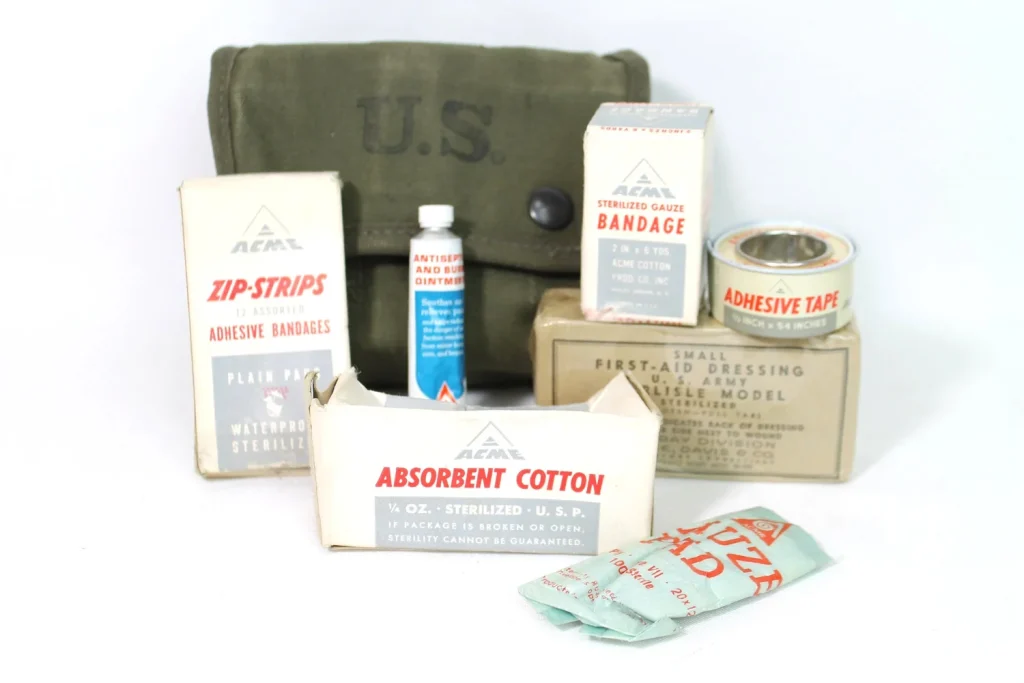
Imagine holding a piece of history that saved lives during one of the most intense times in the world—World War 2. The World War 2 First Aid Kit was more than just a box of medical supplies; it was a lifeline for soldiers facing danger every day.
If you’ve ever wondered what was inside these kits and how they helped people survive, you’re about to discover something fascinating. This isn’t just about history—it’s about understanding the tools that made a real difference when it mattered most. Keep reading, and you’ll see why the World War 2 First Aid Kit still captures attention today.
Origins Of The First Aid Kit
The origins of the first aid kit trace back to a time when immediate medical care could mean the difference between life and death. It emerged as a crucial tool during World War 2, shaped by the urgent need to treat injuries quickly on the battlefield. Understanding how the first aid kit was developed helps you appreciate its practical design and essential contents today.
Development During Wartime
World War 2 pushed the development of first aid kits to new levels. Soldiers faced harsh conditions where medical help was often far away. This created a demand for portable, easy-to-use kits that could handle common battlefield injuries.
Military doctors and medics worked closely with engineers to design kits that included bandages, antiseptics, and painkillers. The goal was to make sure every soldier could carry life-saving supplies. Imagine being in a situation where every second counts—would you want to rely on a bulky or incomplete kit?
Influence Of Military Needs
The military shaped the first aid kit’s content based on real needs seen in combat. For example, tourniquets became standard to stop heavy bleeding quickly. There was also a focus on lightweight and durable packaging to survive tough environments.
This practical approach meant the kits didn’t just hold random medical items but tools tested for effectiveness under pressure. Think about your own emergency preparedness—do your supplies reflect what you truly need in a crisis?
Components Of The Kit
The World War 2 first aid kit held essential items for immediate medical care. Every component had a purpose to treat wounds quickly on the battlefield. The kit combined medical supplies and tools to handle various injuries.
Medical Supplies
- Sterile gauze pads for covering wounds
- Adhesive bandages to protect cuts and scrapes
- Antiseptic ointments to prevent infections
- Alcohol swabs for cleaning wounds
- Pain relief tablets to reduce discomfort
- Burn dressings for heat injuries
- Medical tape to secure bandages
- Sutures for stitching deep cuts
Tools And Equipment
- Scissors for cutting bandages and clothing
- Tweezers to remove debris from wounds
- Safety pins to fasten bandages
- Thermometer to check body temperature
- Splints for immobilizing broken bones
- Small flashlight for low-light conditions
- Tourniquet to control severe bleeding
Medicinal Items
The World War 2 first aid kit was a vital tool for soldiers on the battlefield. It contained essential medicinal items that helped save lives and reduce suffering. These items focused on pain relief and infection prevention. Each was carefully chosen for its effectiveness and ease of use under harsh conditions.
Pain Management
Pain relief was crucial for wounded soldiers. The kits often included:
- Aspirin tablets to reduce pain and fever
- Morphine injections for severe pain control
- Codeine as a milder painkiller option
- Alcohol wipes to clean wounds and numb pain
These medicines helped soldiers stay conscious and stable until proper medical help arrived.
Infection Control
Preventing infection was a top priority in the kit. Common items included:
- Iodine solution to disinfect wounds
- Antiseptic powders and creams to stop bacteria growth
- Sterile gauze and bandages to cover injuries
- Sulfa drugs, an early antibiotic to fight infections
These components reduced the risk of dangerous infections spreading in harsh war environments.
Credit: www.gettyimages.co.uk
Bandages And Dressings
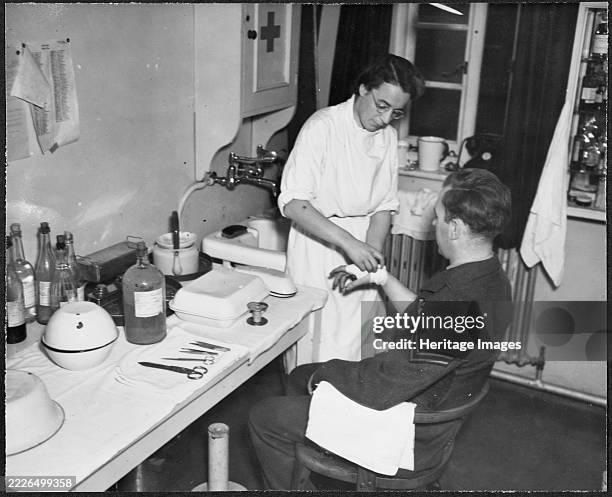
Bandages and dressings were essential components of World War 2 first aid kits. Soldiers needed reliable materials to stop bleeding and protect wounds quickly. These supplies helped prevent infection and made battlefield care possible. Understanding the types of bandages and how to apply them was critical for survival.
Types Of Bandages
- Gauze Rolls:Thin, woven strips used for wrapping wounds tightly.
- Elastic Bandages:Stretchy bandages that provide support and compression.
- Triangular Bandages:Large cloths folded into triangles, used for slings or padding.
- Adhesive Dressings:Small pads with sticky backs for minor cuts.
- Pressure Bandages:Designed to apply firm pressure and control bleeding.
Application Techniques
Proper application of bandages ensured wounds stayed clean and bleeding stopped fast. First, clean the wound if possible. Next, place a sterile dressing over the injury. Wrap the bandage firmly but not too tight to avoid cutting off circulation. Secure bandages with clips or knots. Check for signs of poor blood flow like numbness or color change. Adjust as needed. In emergencies, triangular bandages created slings to immobilize injured limbs. Elastic bandages helped reduce swelling and gave extra support. Knowing these simple techniques saved many lives during the war.
Tools For Survival
The World War 2 first aid kit was more than just a medical pack; it was a lifeline packed with essential tools that could make the difference between survival and tragedy. These kits were designed to be compact yet versatile, equipping soldiers with instruments that could serve multiple purposes in the chaos of battle. Understanding these tools helps you appreciate how every item was chosen with survival in mind.
Multi-purpose Instruments
One standout feature of these kits was the inclusion of multi-purpose instruments. A typical example is the folding pocket knife, which could be used for cutting bandages, preparing food, or even self-defense. Soldiers often relied on such tools not just to treat wounds but to handle everyday survival tasks.
Another key instrument was the wire saw, a small but deadly tool. It allowed soldiers to cut through wood or plastic to build shelters or traps. Can you imagine carrying a tool light enough to fit in your pocket but strong enough to cut branches for shelter?
Emergency Tools
Emergency tools in the kit went beyond medical supplies to include items like small flashlights or signaling mirrors. These helped soldiers signal for help or navigate in low light conditions. Imagine being in a dark forest, injured, and needing a way to catch attention without shouting—these tools were invaluable.
Additionally, items such as tourniquets and triangular bandages doubled as emergency slings or even makeshift splints. This shows how every piece had to serve more than one purpose to save space and weight. Have you ever considered how much thought goes into packing something that needs to be ready for any emergency?

Credit: www.warstore14.com
Psychological Impact
The psychological impact of a World War 2 first aid kit went beyond just physical healing. Having these kits available offered soldiers a vital sense of control and reassurance amid chaos. This psychological boost often made the difference between hope and despair on the battlefield.
Comfort And Morale
Seeing a first aid kit close by could instantly lift a soldier’s spirit. It symbolized care and readiness, reminding them that help was within reach. This comfort helped reduce panic and kept morale steady during intense moments.
Imagine being injured and knowing your comrades have the tools to help you recover. That knowledge alone can calm fear and encourage resilience. It’s a simple reminder that you’re not alone in facing danger.
Preparedness In Crisis
Carrying a first aid kit meant you were ready to act quickly. This readiness gave soldiers confidence in their own ability to manage emergencies. It turned uncertainty into a clear plan of action.
How often do you think about your own readiness for unexpected situations? Having the right tools on hand can change your mindset from helpless to empowered. The World War 2 first aid kit wasn’t just about medicine; it was about mental preparedness too.
Legacy And Modern Influence
The World War 2 first aid kit left a lasting mark on medical care. Its design and contents influenced how first aid kits evolved over time. The lessons learned from battlefield medicine shaped modern emergency response tools. These kits taught the importance of quick, effective treatment under pressure.
Many features from World War 2 kits are still used today. They set a standard for what essentials to include. The focus was on portability and practicality, which remains vital for modern kits. Understanding this legacy helps us appreciate how far first aid has come.
Adaptations Over Time
World War 2 kits were compact and focused on trauma care. Over time, kits adapted to new medical knowledge and materials. Modern kits now include items for burns, allergic reactions, and CPR. Packaging became lighter and more durable for easier carrying.
- Improved bandages and wound dressings replaced older materials
- Antiseptics evolved to fight a broader range of infections
- More specialized tools like tourniquets were added
- Instructions became clearer for non-medical users
These changes reflect a shift from battlefield use to everyday emergencies. The core idea stays the same: fast help saves lives.
Impact On Contemporary First Aid
Modern first aid kits owe much to their World War 2 predecessors. Many principles of organization and content selection come from that era. The emphasis on essential, easy-to-use items guides current kit designs. Emergency responders and civilians benefit from this legacy every day.
First aid training also grew from wartime experiences. Teaching simple, effective techniques became a priority worldwide. This helped reduce deaths and complications from injuries in many settings.
In short, the World War 2 first aid kit shaped the tools and knowledge we rely on today. Its influence extends beyond history books into practical safety and care.

Credit: www.facebook.com
Frequently Asked Questions
What Items Were Essential In A World War 2 First Aid Kit?
A World War 2 first aid kit typically included bandages, antiseptics, pain relievers, tourniquets, scissors, and gauze. These items were crucial for treating wounds and preventing infections on the battlefield quickly and effectively.
How Did World War 2 First Aid Kits Impact Soldier Survival?
First aid kits in World War 2 saved countless lives by providing immediate care. Quick wound treatment reduced infection risks and stabilized injured soldiers until professional medical help arrived.
Were World War 2 First Aid Kits Standardized Across Armies?
Yes, many armies standardized their first aid kits to ensure uniformity. Standardization helped soldiers easily recognize and use supplies, improving emergency response efficiency during combat situations.
How Did World War 2 First Aid Kits Evolve Over Time?
First aid kits evolved by including improved antiseptics and more compact designs. Advances reflected lessons learned from battlefield injuries and aimed to enhance portability and effectiveness.
Conclusion
World War 2 first aid kits saved many lives during tough times. They held essential tools to treat wounds quickly. Today, these kits remind us how important basic care is. Preparing a simple first aid kit can help in emergencies.
Knowing what was inside helps us learn about history and medicine. Keeping some supplies ready can protect you and your loved ones. Small actions often make a big difference in crises. History teaches valuable lessons about safety and care.

I’m Abby Lu, a passionate home cook who loves simplifying everyday meals. At PlugChef.com, I share product reviews and cooking guides to help you find the best tools for your kitchen.
Related posts:
 What Type of Cooking Utensils are Safe: Expert Picks
 What Innovations Could Blenders Make: Unleashing Future Tech
 Smart Strategies to Organize a Small Kitchen: Maximize Space
 How to Organize a Kitchen Cabinet: Expert Tips & Tricks
 How to Organize Kitchen Drawers: Expert Tips and Tricks
 How to Organize a Corner Kitchen Cupboard: Expert Tips

