
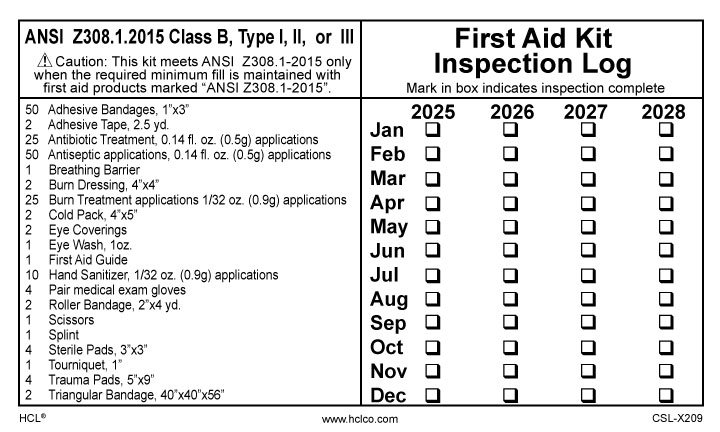
When was the last time you checked your first aid kit? You might think it’s ready for any emergency, but missing or expired items can turn a simple situation into a crisis.
Your safety—and the safety of those around you—depends on having a well-stocked, up-to-date first aid kit. This checklist will guide you step-by-step to inspect your kit thoroughly, making sure you’re prepared when it matters most. Keep reading to discover how a quick inspection could save a life.
Credit: www.etsy.com
Importance Of Regular Inspections
Regular inspections of your first aid kit are essential to ensure it functions properly during an emergency. Kits can become outdated, supplies may run low, or items might get damaged without you noticing. Keeping your first aid kit in top condition can make a real difference when every second counts.
Ensuring Supplies Are Complete And Unexpired
Checking your kit regularly helps you spot missing or expired items. Expired bandages or medications might not work as intended, putting you at risk. Have you ever grabbed a bandage only to find it dried out or unusable? That’s exactly why regular checks matter.
Maintaining Readiness For Any Situation
Emergencies don’t announce themselves. Your kit needs to be ready whenever you need it. Inspecting it often ensures you can respond quickly and confidently, without scrambling to find replacements or missing tools.
Preventing Waste And Saving Money
Keeping track of what’s inside your kit helps you avoid buying duplicates or unnecessary items. You’ll only replace what’s needed, which saves money over time. Have you ever bought items you already had, just because you didn’t check?
Building Confidence And Peace Of Mind
Knowing your first aid kit is stocked and ready gives you peace of mind. You feel more secure handling minor injuries or helping others. This confidence can reduce panic and improve your response in stressful moments.

Credit: www.sgworldusa.com
Components Of A First Aid Kit
Knowing what should be inside your first aid kit is crucial for effective emergency response. The components can vary depending on your environment, but some essentials must always be there. Understanding these items helps you keep your kit ready and reliable whenever you need it.
Basic Supplies
Basic supplies cover the essentials that handle most minor injuries and common emergencies. These include:
- Adhesive bandages:Various sizes to cover small cuts and blisters.
- Sterile gauze pads:To cover and protect larger wounds.
- Adhesive tape:Keeps gauze and bandages securely in place.
- Antiseptic wipes:Clean wounds to prevent infection.
- Scissors and tweezers:Cut tape or remove splinters and debris.
- Disposable gloves:Protect yourself and others from contamination.
These basics are your toolkit for most scrapes and cuts. Have you checked if your kit has all these right now?
Specialized Items
Specialized items prepare you for less common but serious situations. They include:
- Instant cold packs:Reduce swelling from sprains or bruises.
- CPR face shield or mask:Safely assist someone who isn’t breathing.
- Burn cream or gel:Treat minor burns quickly to reduce pain and damage.
- Thermal blanket:Prevent shock by keeping a person warm.
- Elastic bandages:Support sprained joints and control swelling.
Adding these items depends on your lifestyle and risks. Think about your environment—does your kit reflect the emergencies you might face?
Frequency Of Inspections
Regularly inspecting your first aid kit is crucial to ensure it’s always ready when you need it most. The frequency of these inspections can make a big difference in how effective your kit is during emergencies. Let’s look at how often you should check your supplies and what to focus on during these inspections.
Monthly Checks
Monthly checks help you catch expired or missing items before they become a problem. Set a reminder each month to open your kit and scan through the contents.
- Check expiration dates on medications and ointments.
- Look for damaged packaging or opened containers.
- Verify that essential items like bandages and gloves are fully stocked.
Think about the last time you needed a bandage quickly—wouldn’t you want to be sure your kit had one ready? These quick monthly reviews keep your kit functional without taking much time.
Annual Evaluations
Once a year, take a deeper dive into your first aid kit’s overall condition and contents. This thorough review is your chance to update supplies and replace outdated materials.
- Replace any expired medications or creams, even if they appear unused.
- Assess whether your kit meets your current needs—have you added new activities that require specific supplies?
- Clean and reorganize the kit to ensure easy access during emergencies.
Consider if your lifestyle or family situation has changed in the past year. Adjusting your kit accordingly ensures you’re always prepared for what’s most relevant to you.

Credit: www.youtube.com
Checklist For Inspection
Regular inspection keeps your first aid kit ready to use. Check the kit often to avoid missing or unusable items. A simple checklist helps ensure safety and quick response in emergencies.
Expiration Dates
Check every item for expiration dates. Expired supplies may not work properly. Replace medicines, ointments, and sterile items before they expire. Use a marker to write the date when you add new items.
Condition Of Supplies
Look for damaged or opened packaging. Torn bandages or broken tools can cause infection. Make sure all items are clean and dry. Replace anything that looks worn or dirty.
Completeness Of Kit
Count all supplies to ensure nothing is missing. Use a checklist of essential items like bandages, antiseptics, scissors, and gloves. Restock items that run low or are used up. Keep the kit organized for quick access.
Restocking Protocols
Restocking your first aid kit is more than just refilling empty spots. It’s about keeping every item ready and reliable when you need it most. A clear protocol can help you manage supplies efficiently and avoid last-minute scrambles during emergencies.
Prioritizing Critical Supplies
Focus on the essentials first. Items like bandages, antiseptic wipes, and pain relief medications should never run low. These supplies address the most common injuries and can make a big difference in urgent situations.
Check your kit for items that expire quickly or get used up fast. For example, if you notice your adhesive bandages disappear faster than other supplies, keep extra on hand specifically for those. Prioritize restocking those high-demand items before less critical ones.
Ask yourself: If you could only grab a few things from your kit in an emergency, what would they be? Those are the items you want to always have fully stocked.
Handling Outdated Items
Expired supplies can be useless or even harmful. Regularly inspect dates on medications, ointments, and sterile dressings. Remove anything that is past its expiration to avoid relying on ineffective products.
Instead of waiting for a full kit check, get into the habit of quickly scanning expiration dates every time you use an item. This simple step prevents outdated supplies from piling up unnoticed.
Think about this: How often do you replace your first aid kit contents? Setting a schedule, like every six months, can keep your kit fresh and trustworthy.
Storage And Accessibility
Proper storage and easy accessibility are crucial for your first aid kit to serve its purpose effectively. If you can’t find or reach the kit quickly during an emergency, its value drops significantly. Ensuring your kit is stored in the right spot and can be accessed without hassle can make all the difference when seconds count.
Optimal Locations
Choose a location where everyone in your home or workplace knows the first aid kit is kept. Common spots include the kitchen, bathroom, or a central hallway. These areas are frequented often, making it easier to spot and remember.
Avoid hiding the kit in places that are hard to reach or rarely visited, like high shelves or locked cabinets. Think about where accidents are most likely to happen—near the workshop, garage, or play area, for example. Placing your kit close to these zones saves precious time.
Ease Of Access
Your first aid kit should be accessible to all, including children and elderly family members if appropriate. Keep it at a height that everyone can reach without strain. If you store it in a cabinet, use clear labels and avoid locks unless necessary for safety reasons.
Have you ever struggled to open a kit because it was tightly sealed or packed too full? Keep the contents organized and easy to grab. Using a transparent box or pouch helps you quickly identify what you need without rummaging through everything.
Training For Effective Use
Training is a crucial part of ensuring your first aid kit is not just a box of supplies but a real lifesaver. Without proper knowledge, even the best-equipped kit can be useless in an emergency. You need to focus on teaching your team how to confidently use each item and act swiftly when seconds count.
Educating Employees
Start by providing clear, hands-on training sessions tailored to your workplace’s specific risks. Show your employees exactly what each item in the first aid kit is for and how to use it correctly. This builds confidence and reduces hesitation during real emergencies.
Break down complex procedures into simple steps. For example, teach the correct way to apply a bandage or use an antiseptic wipe. Ask yourself: do your team members feel ready to handle a situation calmly and correctly?
Simulated Emergency Drills
Practice makes perfect. Organize regular drills that mimic real-life emergencies so employees can apply their training in a controlled setting. These drills reveal any gaps in knowledge or kit contents before a real crisis hits.
Use realistic scenarios to engage your team and encourage quick decision-making. After each drill, discuss what went well and what could improve. This feedback loop sharpens skills and deepens understanding of first aid kit use.
Legal And Compliance Considerations
Maintaining a first aid kit is not just about safety. It also involves legal and compliance responsibilities. Proper inspection ensures the kit meets all rules and standards. This protects your workplace and people.
Regulatory Requirements
Different regions have laws about first aid kits. These laws state what items must be included. They also require regular checks and restocking. Missing or expired items can lead to fines or penalties.
Employers must know the legal rules for their location. This helps avoid legal trouble and ensures readiness for emergencies.
Industry Standards
Industry standards provide guidelines for first aid kits. These standards come from health and safety organizations. They suggest what supplies are essential for specific work environments.
Following these standards improves kit effectiveness. It also shows commitment to worker safety. Common standards include:
- ANSI/ISEA Z308.1 in the United States
- OSHA regulations for workplace safety
- Sector-specific guidelines, like construction or healthcare
Frequently Asked Questions
How Often Should I Inspect My First Aid Kit?
Inspect your first aid kit monthly to ensure all items are present and unexpired. Regular checks help maintain readiness for emergencies and prevent using outdated supplies.
What Items Should I Check During First Aid Kit Inspection?
Check bandages, antiseptics, gloves, scissors, and medications. Also inspect for damage, cleanliness, and expiry dates to keep your kit fully functional and safe.
Why Is A First Aid Kit Inspection Checklist Important?
A checklist ensures thorough and consistent inspections. It helps identify missing or expired items, guaranteeing your kit is ready when emergencies occur.
Can I Customize A First Aid Kit Inspection Checklist?
Yes, customize it based on your environment and specific needs. Include items relevant to your workplace, home, or outdoor activities for better preparedness.
Conclusion
Regularly checking your first aid kit keeps it ready for emergencies. Replace used or expired items quickly to stay prepared. A well-stocked kit helps you act fast and stay safe. Simple inspections can save lives and reduce panic. Don’t wait for an accident to find out what’s missing.
Keep your kit clean and organized for easy access. Small steps today mean big help tomorrow. Stay alert, stay ready.

I’m Abby Lu, a passionate home cook who loves simplifying everyday meals. At PlugChef.com, I share product reviews and cooking guides to help you find the best tools for your kitchen.
Related posts:
 What Type of Cooking Utensils are Safe: Expert Picks
 What Innovations Could Blenders Make: Unleashing Future Tech
 Smart Strategies to Organize a Small Kitchen: Maximize Space
 How to Organize a Kitchen Cabinet: Expert Tips & Tricks
 How to Organize Kitchen Drawers: Expert Tips and Tricks
 How to Organize a Corner Kitchen Cupboard: Expert Tips

