
You never know when a small accident or sudden illness might happen in your dorm room. Having a first aid kit ready can save you from panic and help you handle minor injuries quickly.
Imagine getting a cut or headache and finding everything you need right at your fingertips. You’ll discover exactly what to include in your dorm room first aid kit and why each item matters. Keep reading to make sure you’re prepared for whatever comes your way.
Essential Supplies
A well-stocked first aid kit is vital for any dorm room. It helps handle minor injuries quickly and safely. Essential supplies form the foundation of this kit. They ensure readiness for common cuts, scrapes, and infections. Keep these items organized and easily accessible.
Bandages And Gauze
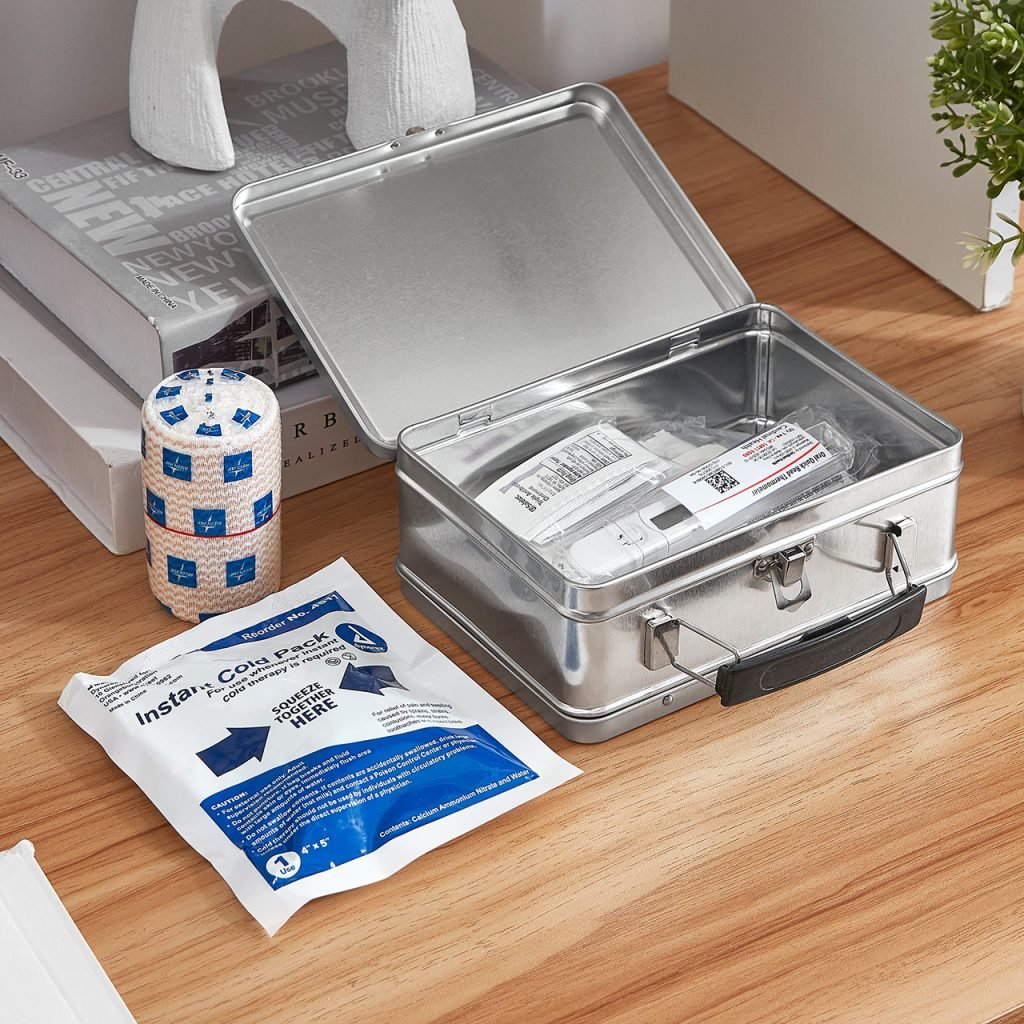
Bandages and gauze protect wounds from dirt and germs. They stop bleeding and support healing. Include various sizes to cover different injuries. Adhesive bandages fit small cuts and scrapes. Sterile gauze pads handle larger wounds and absorb fluids. Medical tape secures gauze in place without slipping. Elastic bandages help wrap sprains or strains. These supplies prevent infection and promote faster recovery.
Antiseptic Wipes
Antiseptic wipes clean wounds by killing germs on the skin. They reduce the risk of infection right after injury. Use them before applying bandages or gauze. Choose wipes with mild ingredients to avoid irritation. Keep plenty of antiseptic wipes in your kit. They are handy for quick cleaning of cuts and scrapes. Always check the expiration date to ensure effectiveness.

Credit: www.amazon.com
Medications
Having a well-stocked medication section in your dorm room first aid kit can make a big difference during those unexpected moments of discomfort. You won’t always have time to rush to a pharmacy, especially during late-night study sessions or busy weekends. Keeping essential medications handy helps you tackle minor health issues quickly and keeps you focused on what matters.
Pain Relievers
Pain relievers are a must-have for every dorm first aid kit. Whether it’s a headache from stress or muscle soreness after a long day, these medications offer quick relief. Common options include:
- Acetaminophen (Tylenol):Great for reducing fever and relieving mild to moderate pain.
- Ibuprofen (Advil, Motrin):Helps with inflammation, muscle aches, and cramps.
- Aspirin:Useful for pain and inflammation, but be cautious if you have allergies or certain medical conditions.
Have you ever ignored a headache only to find it worsening? Keeping these pain relievers accessible can save you from days of discomfort.
Cold And Allergy Medicine
Colds and allergies can strike at any time, especially in shared dorm spaces where germs spread quickly. Having cold and allergy medications ready means you won’t have to miss class or social events.
- Antihistamines:Medications like loratadine (Claritin) or diphenhydramine (Benadryl) help control allergy symptoms such as sneezing, itching, and runny nose.
- Decongestants:These relieve nasal congestion, making it easier to breathe, especially during allergy season or a cold.
- Cough suppressants and throat lozenges:Useful for soothing persistent coughs and sore throats.
Think about how frustrating it feels to have a runny nose during an important presentation. Wouldn’t it be easier to manage symptoms with a few simple medications on hand?
Tools And Instruments
Every dorm room first aid kit needs essential tools and instruments. These items help treat minor injuries quickly and safely. Small tools can make a big difference in handling cuts, scrapes, or checking for fever. Choosing the right tools ensures readiness for common health issues.
Tweezers And Scissors
Tweezers are perfect for removing splinters or small debris from the skin. Look for tweezers with a pointed tip for better precision. Scissors help cut bandages, tape, or clothing during emergencies. Choose scissors with a blunt tip to avoid accidental cuts. Both tools should be clean and rust-free for safety.
Thermometer
A thermometer checks body temperature fast and accurately. Digital thermometers are easy to use and read. Keep one handy to spot fever early. Fever can signal infection or illness, so quick action is important. Store the thermometer in a clean case to avoid contamination.

Credit: www.dormco.com
Emergency Contacts
Emergency contacts are a vital part of any dorm room first aid kit. Quick access to these numbers can save precious time during an emergency. Keep a list of important contacts visible and easy to reach. This list helps you stay calm and act fast when help is needed.
Local Health Services
Include phone numbers of nearby hospitals and urgent care centers. Note the address and directions to these facilities. It is helpful to have contacts for local clinics and pharmacies as well. These services provide quick medical help for injuries or sudden sickness.
- Emergency room phone number
- Nearest urgent care center
- Local pharmacy contact
- Poison control center
Campus Security
Campus security is often the first to respond in emergencies on campus. Save their phone number for quick contact. They can provide immediate assistance and alert other emergency services. Many campuses have a dedicated emergency hotline or app.
- Campus security office phone
- Emergency hotline or app
- Residence hall security contact
Storage And Organization
Keeping a first aid kit tidy in a dorm room saves time and reduces stress. Good storage and organization ensure quick access to needed items. It also protects supplies from damage or loss in a small space. Smart choices in containers and labeling help maintain order. A well-organized kit fits easily into limited dorm room areas.
Compact Containers
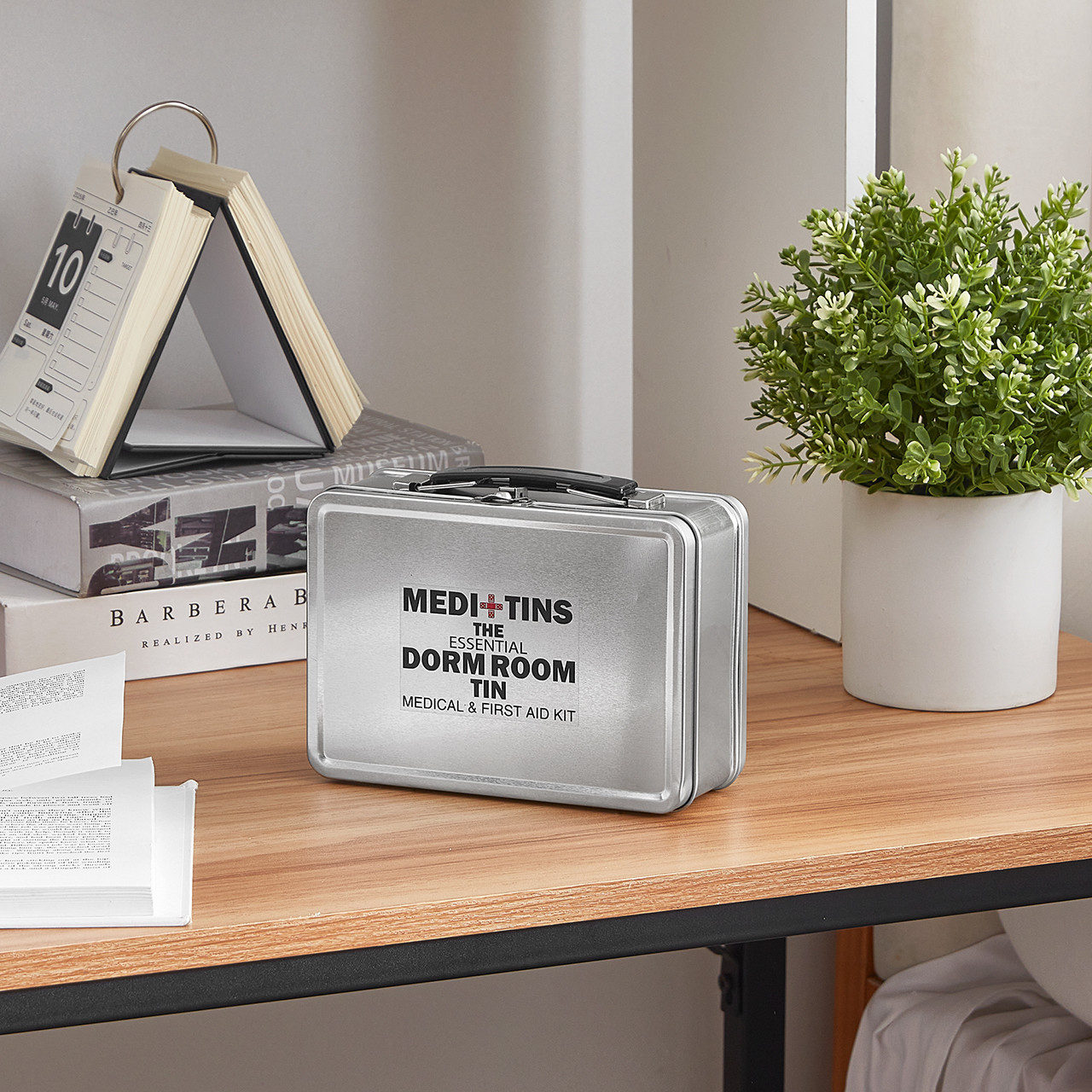
Choose small, sturdy containers to hold first aid items. Compact boxes or pouches fit well on shelves or under beds. Clear containers let you see contents without opening them. Use containers with compartments to separate bandages, ointments, and tools. This prevents items from mixing and makes finding things faster.
Labeling Items
Labeling each container or section boosts organization. Use simple words or pictures for easy reading. Labels help identify items quickly during emergencies. You can write labels on stickers or use a marker. Keep labels neat and visible to avoid confusion. This system keeps your kit orderly and ready to use.
Credit: www.dormco.com
Frequently Asked Questions
What Essential Items Should A Dorm Room First Aid Kit Have?
A dorm first aid kit should include bandages, antiseptic wipes, pain relievers, tweezers, and adhesive tape. Also add allergy medicine, thermometer, and instant cold packs for common emergencies.
How Often Should I Check My Dorm First Aid Supplies?
Check your dorm first aid kit every 3 to 6 months. Replace expired medicines and used items to keep it effective and ready for emergencies.
Can A Dorm First Aid Kit Handle Serious Injuries?
A dorm first aid kit is designed for minor injuries only. For serious wounds or emergencies, seek professional medical help immediately.
Should I Customize My Dorm First Aid Kit?
Yes, customize your dorm kit based on personal health needs. Include prescription medications, allergy treatments, and any special care items you require.
Conclusion
A well-stocked first aid kit keeps you ready for small injuries. It helps treat cuts, burns, and headaches quickly. Staying safe in your dorm means having supplies close. Check your kit often and replace used items. Simple care can prevent bigger problems later.
Keep your health a priority every day. Being prepared brings peace of mind and safety. Your dorm room first aid kit is a smart choice.

I’m Abby Lu, a passionate home cook who loves simplifying everyday meals. At PlugChef.com, I share product reviews and cooking guides to help you find the best tools for your kitchen.
Related posts:
 What Type of Cooking Utensils are Safe: Expert Picks
 What Innovations Could Blenders Make: Unleashing Future Tech
 Smart Strategies to Organize a Small Kitchen: Maximize Space
 How to Organize a Kitchen Cabinet: Expert Tips & Tricks
 How to Organize Kitchen Drawers: Expert Tips and Tricks
 How to Organize a Corner Kitchen Cupboard: Expert Tips

