
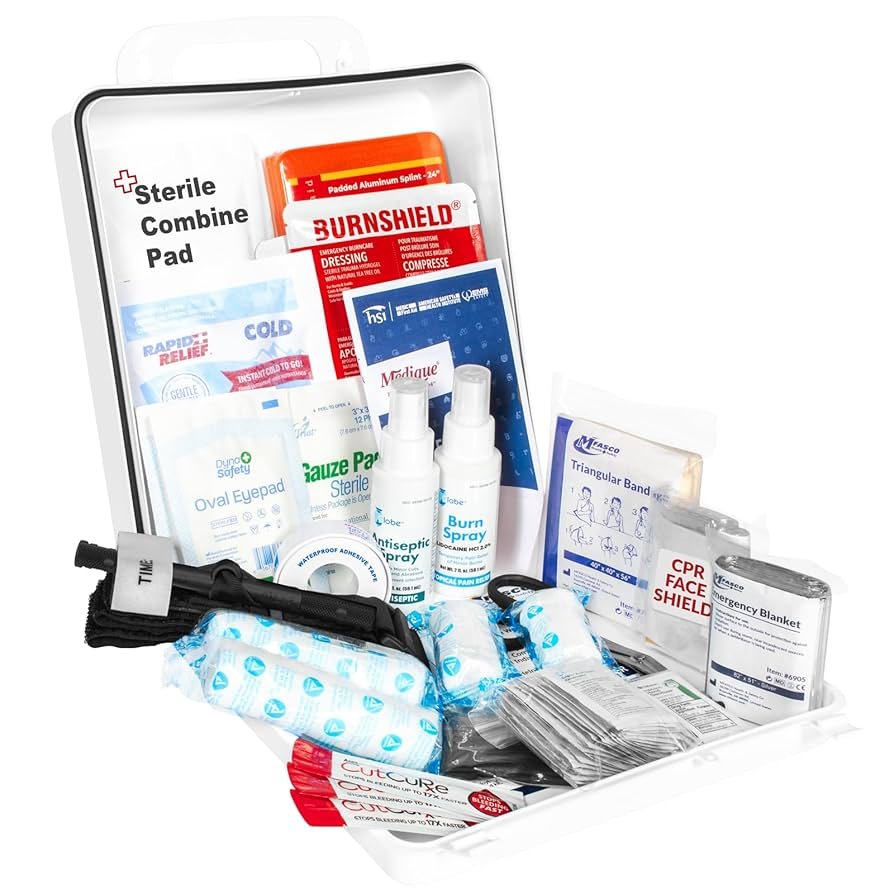
When an accident happens, every second counts—and having the right first aid kit can make all the difference. If you’re responsible for safety at your workplace or want to be prepared for emergencies, a Class B First Aid Kit is designed just for you.
It’s packed with essential supplies to handle a wide range of injuries quickly and effectively. You’ll discover why a Class B kit is the smart choice for your safety needs and how it can protect you and those around you when it matters most.
Keep reading to learn how to stay ready for any situation.
Importance Of First Aid Kits
First aid kits play a vital role in handling injuries quickly. They provide necessary supplies to treat minor wounds and prevent infections. Having a Class B First Aid Kit ensures readiness for more serious injuries that may happen in the workplace. These kits help reduce the impact of accidents and can save lives.
Workplace Safety Essentials
A Class B First Aid Kit contains items suited for larger workplaces. It includes bandages, antiseptics, gloves, and emergency tools. These supplies help treat cuts, burns, and sprains immediately. Quick response can prevent complications and keep workers safe. Employers must keep these kits accessible and well-stocked. This shows care for employee health and safety.
Legal Requirements And Regulations
Many countries require workplaces to have first aid kits by law. Regulations often specify the type and size of kits needed. Class B First Aid Kits meet standards for medium to large workplaces. Employers must follow these rules to avoid fines and penalties. Compliance also protects workers and boosts workplace morale. Regular checks ensure kits remain complete and usable.
Components Of A Class B First Aid Kit
The components of a Class B First Aid Kit cover a wide range of medical needs. These kits are designed for workplaces and environments with moderate risk. They include supplies to treat common injuries and respond to emergencies effectively. Understanding the contents helps prepare better for accidents and health issues.
Basic Medical Supplies
- Adhesive bandages in various sizes
- Sterile gauze pads and dressings
- Medical tape for securing dressings
- Antiseptic wipes and solutions
- Elastic bandages for sprains
- Disposable gloves for hygiene
- Scissors and tweezers
- Instant cold packs for swelling
Advanced Emergency Items
- CPR face shield or mask
- Burn treatment dressings
- Eye wash solution and eye pads
- Triangular bandages for slings
- Emergency blanket for shock
- Finger splints for fractures
- Resuscitation bag or mask
Specialized Equipment
- Tourniquet for severe bleeding
- Chest seals for penetrating injuries
- Pulse oximeter to check oxygen levels
- Burn gel or hydrogel dressings
- Thermometer for fever monitoring
- Medical adhesive remover wipes
- First aid manual or instruction guide
Choosing The Right First Aid Kit
Choosing the right Class B First Aid Kit goes beyond just picking a standard box of supplies. It requires understanding your specific environment and the types of injuries that could happen there. The right kit ensures quick, effective responses to emergencies, potentially saving lives and reducing downtime.
Assessing Workplace Risks
Start by identifying the common hazards in your workplace. Are there sharp tools, chemicals, or heavy machinery in use? Each risk factor changes the kind of first aid supplies you’ll need.
For example, a woodworking shop might need more burn and cut treatment items, while a chemical lab requires antidotes and eye wash solutions. Think about past incidents—what injuries have actually occurred? This real data helps you focus on what’s truly necessary.
Ask yourself: What’s the worst injury that could happen here? Preparing for that scenario is key to choosing the right kit.
Customizing Based On Industry Needs
Your industry determines the contents of your Class B First Aid Kit. Construction sites, manufacturing plants, and offices all have different requirements. A one-size-fits-all kit might leave you missing critical supplies.
Custom kits can include items like trauma dressings, splints, or eye protection tailored to your daily operations. Some industries might also require compliance with specific regulations—make sure your kit meets those standards.
Consider consulting with your safety officer or health professionals to fine-tune your kit. Have you checked if your current kit covers all possible emergencies unique to your work?
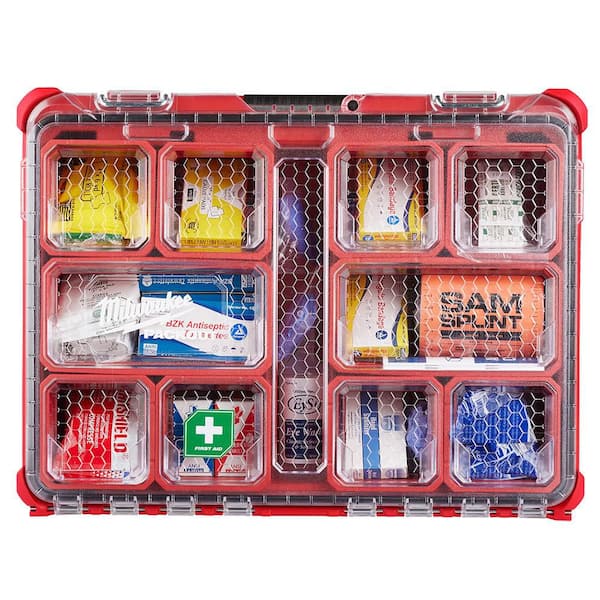
Credit: www.homedepot.com
Maintaining Your First Aid Kit
Keeping your Class B First Aid Kit ready means more than just having it on hand. It requires regular care and attention to ensure every item is usable when emergencies happen. Neglecting maintenance can leave you unprepared at critical moments.
Regular Inspections
Check your first aid kit at least once a month. Look for expired items, damaged packaging, or anything missing. This simple habit prevents surprises when you need supplies fast.
Set a reminder on your phone or calendar to make inspections routine. Use a checklist to track what’s inside and its condition. You might be surprised how often small items go unnoticed until they’re needed.
Replenishing Used Supplies
After any incident, replace the items you used immediately. Don’t wait until your next scheduled inspection. This ensures your kit stays fully stocked and ready.
Keep a small stash of common supplies separately—bandages, antiseptic wipes, gloves—so you can refill quickly. Think about what your team or family might use most and prioritize those items.
Training Employees
Make sure everyone knows where the kit is and how to use it properly. Training reduces panic and mistakes during emergencies. Even basic knowledge can save lives.
Hold short refresher sessions every few months. Encourage questions and hands-on practice with the kit contents. When people understand the tools, they feel more confident stepping in to help.
Benefits Of Class B Kits
Class B First Aid Kits offer several important benefits for workplaces and public areas. These kits provide more supplies than basic kits, making them useful for handling various injuries. They help ensure safety and readiness during emergencies.
Enhanced Safety Measures
Class B kits contain a wider range of medical items. This variety helps treat different types of injuries quickly. Having these kits on-site reduces the risk of complications from untreated wounds. They support a safer environment for everyone present.
Quick Response In Emergencies
Fast action can save lives. Class B kits allow workers and bystanders to respond immediately to accidents. Their organized layout helps find needed supplies without delay. This rapid response can reduce the severity of injuries and improve recovery time.
Compliance With Health Standards
Many industries require specific first aid kits by law. Class B kits meet these regulations for medium-risk workplaces. Using them helps businesses avoid fines and legal issues. It also shows a commitment to employee health and safety.
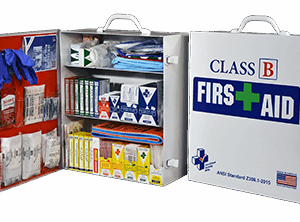
Credit: certifiedsafetymfg.com
Implementing First Aid Protocols
Implementing first aid protocols with a Class B First Aid Kit is more than just having supplies on hand. It’s about creating a clear, practiced system that ensures quick and effective action during emergencies. This approach can save lives and reduce injury severity when every second counts.
Emergency Response Plans
Your emergency response plan should clearly outline the steps to take when an incident occurs. Identify who is responsible for using the Class B First Aid Kit and how to access it quickly. Make sure everyone knows where the kit is located and what it contains.
Think about the specific risks in your environment. Is it a construction site, office, or school? Tailor your plan to address those risks effectively. For example, if chemical burns are a concern, ensure your kit includes burn dressings and your plan highlights immediate rinsing procedures.
Training And Drills
Having a Class B First Aid Kit means little if no one knows how to use it properly. Regular training sessions help your team understand how to apply first aid techniques confidently. Hands-on practice during drills improves response times and reduces panic.
Try scheduling drills that simulate real-life scenarios. This can reveal gaps in your plan or kit contents. Ask yourself: Are your people ready to act under pressure, or would they hesitate? Training turns theory into action.
Documentation And Reporting
After any first aid incident, documenting what happened is crucial. Keep detailed records of the injury, the aid given, and the outcome. This information helps improve future response plans and meets legal requirements.
Encourage your team to report even minor injuries. Sometimes small issues signal larger safety problems. Accurate reports can prompt changes that prevent future accidents, making your workplace safer for everyone.

Credit: www.amazon.com
Frequently Asked Questions
What Is Included In A Class B First Aid Kit?
A Class B First Aid Kit contains supplies for treating moderate injuries. Items include bandages, gauze, antiseptics, gloves, and burn care products. It is suitable for workplaces with moderate risk, ensuring readiness for cuts, burns, and minor wounds.
Where Should A Class B First Aid Kit Be Used?
Class B First Aid Kits are ideal for industrial sites, construction areas, and warehouses. They fit workplaces with moderate injury risks, providing essential supplies for quick and effective treatment of common workplace injuries.
How Often Should A Class B First Aid Kit Be Checked?
Check your Class B First Aid Kit monthly to ensure all items are present and in good condition. Replace expired or used supplies promptly to maintain readiness for emergencies.
Can A Class B First Aid Kit Be Customized?
Yes, many Class B First Aid Kits can be customized. You can add specific items to meet your workplace’s unique hazards or comply with local regulations.
Conclusion
A Class B First Aid Kit keeps essential supplies ready for many injuries. It suits workplaces and places with moderate risks. This kit helps treat cuts, burns, and minor wounds quickly. Keeping one nearby means faster care and less worry.
Check the kit often to replace used or expired items. Being prepared can make a big difference during emergencies. Safety starts with having the right tools close at hand. Choose a Class B kit to stay ready and confident.

I’m Abby Lu, a passionate home cook who loves simplifying everyday meals. At PlugChef.com, I share product reviews and cooking guides to help you find the best tools for your kitchen.
Related posts:
 What Type of Cooking Utensils are Safe: Expert Picks
 What Innovations Could Blenders Make: Unleashing Future Tech
 Smart Strategies to Organize a Small Kitchen: Maximize Space
 How to Organize a Kitchen Cabinet: Expert Tips & Tricks
 How to Organize Kitchen Drawers: Expert Tips and Tricks
 How to Organize a Corner Kitchen Cupboard: Expert Tips

