
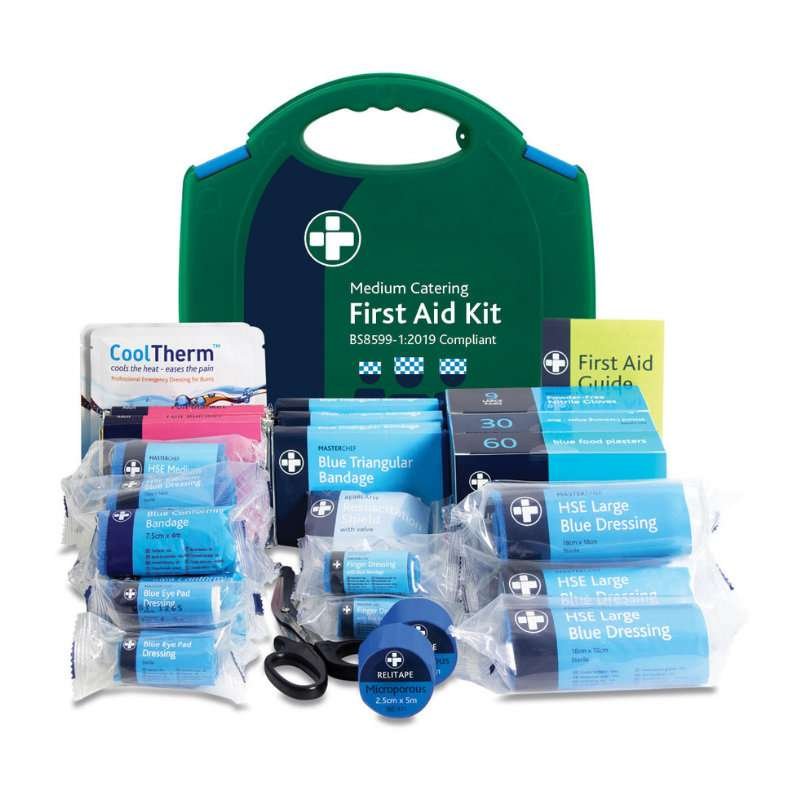
Running a restaurant means navigating a high-risk environment where lacerations, thermal burns, slip-and-fall injuries, and allergic reactions are far from rare. In 2026, OSHA penalties for non-compliant first aid provisions reach up to $17,000 per willful violation, while local health departments regularly cite inadequate first aid kits as a top 5 food service code violation. A properly stocked, accessible first aid kit doesn’t just keep you compliant — it reduces the risk of minor injuries escalating to costly workers’ compensation claims, and ensures your team can respond confidently when seconds count. This essential safety checklist covers all 2026 restaurant first aid kit requirements, from mandatory regulatory rules to specialized supplies for kitchen-specific hazards, so you can avoid fines and keep your staff and customers safe.
2026 Legal & Compliance Rules for Restaurant First Aid Kits
Understanding current first aid regulations is the first step to building a compliant, effective kit. These rules are designed to minimize injury severity and protect both employees and customers, and ignoring them can lead to steep fines, temporary closure, or increased liability in the event of an incident.
Federal & State Mandates
Under federal OSHA guidelines OSHA’s official workplace first aid guidance, first aid kits must be accessible within 3 minutes of any work area, with contents tailored to the specific hazards of the worksite — a rule that applies directly to high-risk restaurant environments where burns and lacerations can escalate in seconds. While OSHA does not publish a universal mandatory item list for food service, it requires kits to include supplies adequate for treating common workplace injuries, plus compliance with the Bloodborne Pathogens standard (29 CFR 1910.1030), which mandates nitrile gloves and proper sharps and contaminated waste disposal containers.
Many U.S. states, including California, New York, and Illinois, have additional requirements for food service first aid kits, including specific burn care supplies, eye wash provisions, and mandatory anaphylaxis response tools. Local health departments enforce these rules during routine inspections, so always confirm your region’s specific requirements with your local regulatory office to avoid unexpected citations. A common mistake we see in restaurant inspections is assuming federal OSHA rules are the only standard, only to fail a local health inspection for missing state-mandated items.
Required Training & Documentation Standards
Having a kit is only half of compliance — your team needs to know how to use it. OSHA requires at least one staff member with current first aid/CPR certification on every shift for restaurants with 10 or more employees, with certification renewed every 2 years per American Red Cross guidelines. All staff, even uncertified employees, must receive annual 15-minute training on the kit’s location, how to report injuries, and basic first aid for cuts, burns, and choking.
You are also required to maintain detailed first aid incident logs for all on-site treatments, including the date, injury type, treatment administered, and employee or customer name. These logs must be kept for 5 years and presented during OSHA or health department inspections. Failing to maintain these records is one of the most common reasons restaurants receive preventable first aid-related citations.
Mandatory Core Kit Components (With 2026 Guidelines)
A well-organized kit tailored to restaurant-specific hazards will cut down on response time during busy shifts. All supplies should be stored in a durable, water-resistant case, with high-use items placed in easy-to-reach external pockets.
Basic Wound Care Supplies
These items address the most common restaurant injuries: lacerations from knives, broken glass, and kitchen equipment.
- Assorted adhesive bandages (fingertip, knuckle, and standard 1×3 inch sizes, minimum 20 of each)
- Sterile 4×4 inch gauze pads (minimum 10)
- Non-adherent dressings for wounds that stick to standard gauze
- 1-inch adhesive tape roll
- Antiseptic wipes (alcohol-free to avoid stinging open wounds, minimum 20 packets)
- Single-use antibiotic ointment packets (10 count)
- Sterile saline solution for wound rinsing
Burn Treatment Essentials
Burns are the second most common restaurant injury, often caused by hot oil, steam, and contact with hot surfaces.
- 2 sterile 15×15 cm burn gel dressings for second-degree burns
- Non-stick sterile burn pads
- Aloe vera gel packets (single-use, 10 count)
- Antiseptic burn cream packets Note: Avoid cotton balls for burn care, as loose fibers stick to damaged skin and increase infection risk.
Eye & Chemical Exposure Gear
Kitchen accidents often involve splashes of hot liquid, cleaning chemicals, and food particles in the eye.
- 2 bottles of 100ml sterile saline eye wash solution
- Sterile eye pads and eye cups
- If your restaurant uses industrial degreasers or citrus-based cleaning chemicals, you must also comply with ANSI Z358.1 ANSI Z358.1 eyewash station requirements for emergency eyewash units, which are required to deliver flushing fluid for a full 15 minutes to treat chemical splashes.
CPR & Life Support Tools
Cardiac emergencies can affect both staff and customers, regardless of age or health status.
- Pocket CPR mask with a one-way valve for safe rescue breaths
- Disposable nitrile gloves (non-latex for allergy safety, minimum 10 pairs)
- Trauma shears for cutting clothing away from injury sites
- Pocket-sized first aid quick reference guide
Personal Protective Equipment (PPE)
- Nitrile gloves (minimum 20 pairs, stored separately from other supplies to avoid contamination)
- CPR face shield
- Disposable face masks (for treating bleeding injuries to reduce exposure to bloodborne pathogens)

Specialized Supplies for High-Risk Restaurant Hazards
Core kit components address most minor injuries, but restaurant-specific risks require additional specialized supplies to avoid life-threatening incidents.
Allergy & Anaphylaxis Response Kits
Food allergies affect 32 million Americans, and accidental exposure to allergens like nuts, shellfish, and dairy is a leading cause of restaurant-related medical emergencies. While not required in all states, adding these low-cost supplies can prevent fatal reactions:
- 2 epinephrine auto-injectors (EpiPens, stored per manufacturer temperature guidelines)
- 10 packets of 25mg diphenhydramine (antihistamine for mild allergic reactions)
- A printed list of all staff and known regular customers with severe allergies, including their trigger ingredients
- A clear protocol for calling 911 and contacting emergency contacts after anaphylaxis treatment
Slip, Trip & Fall Injury Supplies
Slips are the leading cause of restaurant workplace injuries, per OSHA data, often resulting in sprains, fractures, and head trauma. Add these items to your kit:
- 2 elastic bandages (4 inch width) for sprains and strains
- 4 instant cold packs (no refrigeration required) for swelling and pain relief
- 1 triangular bandage for makeshift slings or splints
- 1 instant reusable heat pack for muscle strains
Kit Maintenance & Inspection Protocols
A poorly maintained kit is as good as no kit at all. Outdated, damaged, or missing supplies will fail you when you need them most, and can lead to compliance violations during inspections.
Weekly, Monthly & Annual Check Schedules
- Weekly quick checks: Verify the kit is unlocked, unobstructed, and in its designated location. Count high-use items (bandages, gloves, antiseptic wipes) to confirm no supplies have been used without restocking.
- Monthly full audits: Check all expiry dates for medications, creams, and sterile supplies. Restock any used or damaged items, update emergency contact lists, and inspect PPE for tears or degradation.
- **Annual full review: Review your kit against the latest local and state requirements, replace the kit case if it shows signs of wear, and confirm all staff first aid certifications are up to date.
Restocking Best Practices
Restock the kit immediately after any use, even if only one item is taken. Keep a 20% overstock of high-use supplies (bandages, gloves, antiseptic wipes) in a sealed large airtight storage tote next to the main kit to avoid delays waiting for shipments. Assign a specific shift manager as the kit maintenance lead to eliminate confusion over who is responsible for inspections and restocking.
Expired medications and contaminated supplies should be disposed of per local hazardous waste rules, not thrown in regular trash, to avoid environmental and safety risks.
Staff Training & Emergency Drills
Even the best-stocked first aid kit will be ineffective if staff don’t know how to use it. Regular training builds confidence and reduces response time during real emergencies.
Certification Requirements
OSHA requires at least one certified first aider on every shift for restaurants with 10 or more employees, with certification renewed every 2 years. Certification courses cover CPR, wound care, choking response, and how to use all kit supplies. For restaurants with high customer traffic, consider requiring all front-of-house staff to hold basic first aid certification to reduce liability for customer injuries.
Scenario-Specific Practice Drills
Run quarterly drills that simulate real restaurant emergencies to build muscle memory for your team. Time how long it takes staff to retrieve the kit and administer initial care, with a target response time of under 2 minutes. Common drill scenarios include:
- Kitchen burn from hot oil splash
- Customer anaphylactic reaction to a food allergen
- Slip and fall injury in the dining area
- Employee laceration from a kitchen knife After each drill, review what went well and identify gaps in your response protocol to improve for next time.
Optimal Placement & Accessibility
A first aid kit that is hard to find or access during an emergency violates OSHA rules and puts lives at risk. Placement should be strategic, visible, and free of obstacles at all times.
Strategic Kit Locations for Every Zone
OSHA requires kits to be accessible within 3 minutes of any work area, so most restaurants need multiple kits for larger spaces:
- Main kitchen prep area, mounted on a wall at eye level, away from heat sources (to prevent supply degradation)
- Server station near the dining area for fast access to customer injuries
- Staff break room for easy access during shift changes
- Bar area (if applicable) for broken glass and laceration injuries common in beverage service For multi-floor restaurants, place a separate kit on each floor to meet accessibility requirements.
Signage & Accessibility Best Practices
Use ANSI Z535-compliant high-contrast red/white first aid signs, mounted 60 inches above the floor at eye level. Include text in the primary languages spoken by your staff (e.g., add Spanish text "Botiquín de Primeros Auxilios" for Spanish-speaking teams) to ensure all employees can locate the kit quickly during a crisis. Never store kits in locked cabinets without a quick-release mechanism, or behind heavy doors or obstacles that block access during busy shifts.
 Mounted at eye level near prep stations, this kit meets all 2026 OSHA accessibility requirements.
Image source: www.papeterieatlas.com
Mounted at eye level near prep stations, this kit meets all 2026 OSHA accessibility requirements.
Image source: www.papeterieatlas.com
Integrating Technology for Simplified Compliance
2026 restaurant management tools make it easier than ever to stay on top of first aid compliance and reduce administrative work for your team.
- Shared digital checklists: Use a shared Google Sheet or dedicated first aid app (like the American Red Cross First Aid app) to track supply counts, expiry dates, and inspection logs. All shift managers can edit the checklist in real time to eliminate miscommunication about kit status.
- Automated alerts: Set calendar reminders for monthly inspections, certification renewals, and expiry date checks to avoid missing critical updates. Many modern restaurant POS systems, including Toast and Square, have built-in first aid audit tools that send automated alerts for low supplies and upcoming inspections.
- Incident logging apps: Use a free incident logging app to record first aid treatments in real time, eliminating the need for paper logs and ensuring you stay compliant with OSHA record-keeping rules.
Frequently Asked Questions
Do restaurants need a separate first aid kit for the kitchen and dining area?
Yes, if your kitchen and dining area are more than 3 minutes apart, OSHA requires a separate kit for each zone to meet accessibility rules. High-volume restaurants with multiple prep stations may also benefit from small supplemental kits in high-risk areas like the grill line or salad station.
Can I store first aid supplies in a locked cabinet?
No, unless the cabinet uses a quick-release break-glass lock that can be opened in seconds during an emergency. Locked cabinets that require a key or code violate OSHA accessibility requirements and can delay care during a crisis.
Are restaurants required to have an AED on site?
While not mandated for all restaurants, OSHA recommends AEDs for establishments with 50 or more employees, and many local health departments require them for high-volume restaurants. If you install an AED, mount it in a visible, accessible location separate from the first aid kit, and perform monthly checks to ensure it is functional.
How often do first aid certifications need to be renewed?
All first aid/CPR certifications expire every 2 years, per American Red Cross and OSHA guidelines. Mark certification expiration dates on your team’s shared calendar and schedule renewal training at least 1 month before expiry to avoid gaps in coverage.
Final Compliance Checklist & Next Steps
Meeting restaurant first aid kit requirements is a non-negotiable part of running a safe, compliant food service operation. From stocking burn-specific supplies and anaphylaxis response tools to training staff on proper use and storing kits in accessible, visible locations, every step of this checklist reduces risk for your team and your business. A common mistake we see in routine inspections is failing to update kits after use or letting certifications lapse — small oversights that lead to big penalties when an emergency strikes.
Take 10 minutes this week to audit your current kit against this checklist, assign a shift manager as the kit maintenance lead, and schedule a first aid training session if your team’s certifications are expired. For more food service safety and operations resources, browse our full library of restaurant safety guides to keep your business running smoothly and safely.
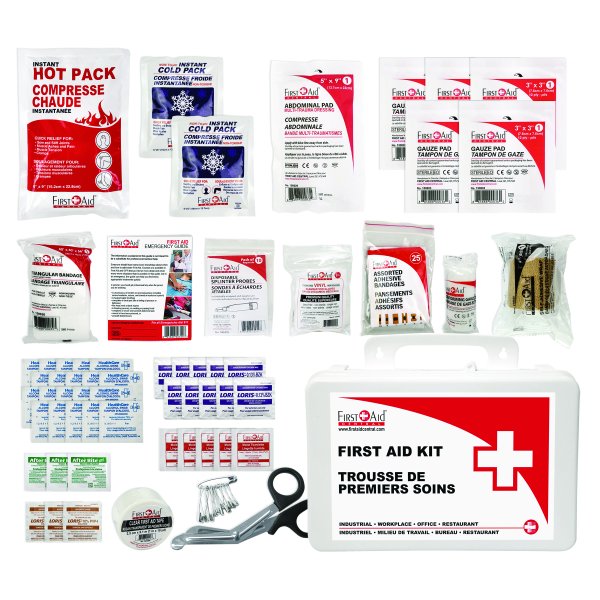 Compartmentalized storage cuts down on response time during peak kitchen hours.
Image source: www.hbiop.com
Proper compartmentalized storage isn’t just useful for first aid kits — it also streamlines organization for other high-priority restaurant supplies, from dry goods storage containers for allergen-free ingredients to knife storage solutions that reduce laceration risks from misplaced sharp tools. For teams looking to sort small first aid overstock like bandages and ointment packets, our divided storage bins fit perfectly on kit shelves, while small airtight canisters keep moisture-sensitive supplies like burn gel and sterile saline effective between inspections.
Staying on top of these requirements doesn’t have to be overwhelming — a 10-minute weekly check and annual staff refresher are all it takes to keep your kit compliant, your team safe, and your restaurant running without unexpected interruptions from preventable injuries.
Compartmentalized storage cuts down on response time during peak kitchen hours.
Image source: www.hbiop.com
Proper compartmentalized storage isn’t just useful for first aid kits — it also streamlines organization for other high-priority restaurant supplies, from dry goods storage containers for allergen-free ingredients to knife storage solutions that reduce laceration risks from misplaced sharp tools. For teams looking to sort small first aid overstock like bandages and ointment packets, our divided storage bins fit perfectly on kit shelves, while small airtight canisters keep moisture-sensitive supplies like burn gel and sterile saline effective between inspections.
Staying on top of these requirements doesn’t have to be overwhelming — a 10-minute weekly check and annual staff refresher are all it takes to keep your kit compliant, your team safe, and your restaurant running without unexpected interruptions from preventable injuries.

I’m Abby Lu, a passionate home cook who loves simplifying everyday meals. At PlugChef.com, I share product reviews and cooking guides to help you find the best tools for your kitchen.
Related posts:
 How Does a Certified Organic Kitchen Clean Dishware Efficiently?
 How to Decorate With Wire Baskets: Chic and Creative Ideas
 Kitchen Organization Tips for Meal Prep: Boost Efficiency
 Dollar Tree Kitchen Organization Hacks: Budget-Friendly Tips
 Slate Kitchen Appliances With White Cabinets: Style Upgrade
 Small Electrical Appliances: Maximize Your Home Efficiency

