
Are you wondering if your first aid kit can be paid for with pre-tax Health Savings Account (HSA) funds? As of 2026, first aid kits are widely HSA eligible, but confusion over IRS rules leads many shoppers to either overpay for ineligible bundled kits or miss out on thousands in lifetime tax savings by not using their HSA for qualified medical supplies.
This guide cuts through the noise with up-to-date, IRS-aligned guidance on what first aid kits and supplies qualify, how to avoid common shopping pitfalls, and how to maximize your HSA’s triple tax advantage for emergency preparedness. Whether you’re stocking a household kit, a car emergency tote, or a travel-friendly pack, you’ll learn exactly how to make smart, eligible purchases that protect both your health and your wallet.
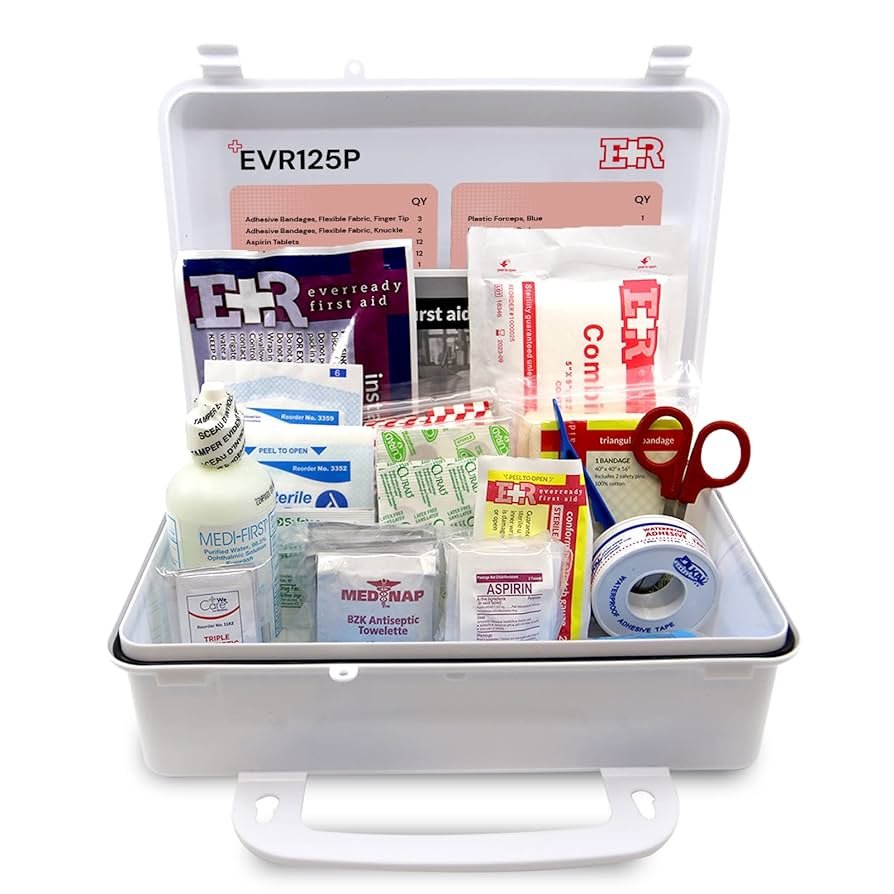
 A standard household first aid kit with all IRS-qualified medical supplies
Image source: www.amazon.com
A standard household first aid kit with all IRS-qualified medical supplies
Image source: www.amazon.com
2026 IRS Rules for HSA-Eligible First Aid Kits
Eligibility for HSA first aid kits is governed by the IRS, which defines qualified medical expenses as costs incurred to treat or prevent a specific medical condition. You can review the full, up-to-date criteria in official IRS HSA eligibility guidelines, but most standard first aid kits qualify as long as their primary contents meet three core requirements:
| Eligibility Criterion | Details | Example of Qualifying Item | Example of Non-Qualifying Item |
|---|---|---|---|
| Primary Medical Purpose | Item must be intended to treat, prevent, or diagnose a specific medical condition, not general wellness or cosmetic use | Sterile gauze for wound care | Decorative body glitter with no medical use |
| FDA Recognition | Supplies should be FDA-cleared or recognized as safe and effective for their intended medical use | FDA-approved adhesive bandages | Uncapped herbal supplements with no FDA medical recognition |
| Direct Medical Use | Item must be used directly in the provision of medical care, not for secondary or recreational use | CPR face shield for emergency resuscitation | Hiking whistle included in a kit with no other medical supplies |
A common mistake shoppers make is assuming any kit labeled "first aid" is automatically eligible. Kits bundled with non-eligible items (like general wellness supplements, cosmetic supplies, or recreational gear) may only be partially eligible, or not eligible at all. If a kit includes both eligible and non-eligible items, you can only use HSA funds for the portion of the cost corresponding to the qualified medical supplies, and you will need to keep a detailed receipt to calculate that split for tax records.
For evidence-based recommendations on what supplies to include in a well-stocked first aid kit, refer to CDC emergency preparedness guidance, which outlines core supplies for household, car, and travel use.
Exactly What Belongs in an HSA-Eligible First Aid Kit
Not all first aid kits are created equal, and the contents will vary based on your intended use case. Below is a breakdown of core eligible supplies to include, organized by category, for a standard household kit that meets IRS guidelines:
Core Wound Care Supplies
These are the most basic, universally eligible items for minor injuries:
- 20+ assorted adhesive bandages (various sizes)
- 10 4×4 sterile gauze pads
- 1 roll of medical adhesive tape
- 20 antiseptic wipes or alcohol prep pads
- 10 antibiotic ointment packets
- Sterile tweezers (for splinters, ticks)
- 2 pairs of disposable nitrile gloves
- 4 burn gel packets for minor burns
Over-the-Counter Medications
As of 2026, all over-the-counter (OTC) medications are fully HSA eligible without a prescription, per updated IRS rules following the 2020 CARES Act. Eligible items to include:
- 20-count pain relievers (ibuprofen, acetaminophen)
- Antihistamines for allergic reactions
- Anti-diarrheal medication
- Antacids for digestive discomfort
- Any prescription medications you or your household members require regularly
Emergency and Trauma Supplies
For more serious injuries or emergencies, these eligible supplies add critical functionality:
- 1 elastic compression bandage (for sprains, strains)
- 1 triangular bandage (for slings, tourniquets)
- 1 CPR face shield or mask
- 2 instant cold packs
- 1 emergency blanket (for hypothermia, shock)
- 1 instant heat pack (for muscle strains)
- 1 finger splint
What to Skip to Ensure Full Eligibility
To avoid partial or full denial of your HSA claim, avoid including non-eligible items in your kit, such as:
- General wellness supplements (e.g., vitamin D gummies, herbal sleep aids without FDA medical recognition)
- Cosmetic supplies with no medical function (e.g., scented lip balm, decorative body glitter)
- Recreational gear (e.g., hiking whistles, multi-tools not intended for medical use)
- Sunscreen (unless it is broad-spectrum SPF 15+ and recommended by a doctor for a specific medical condition like lupus)
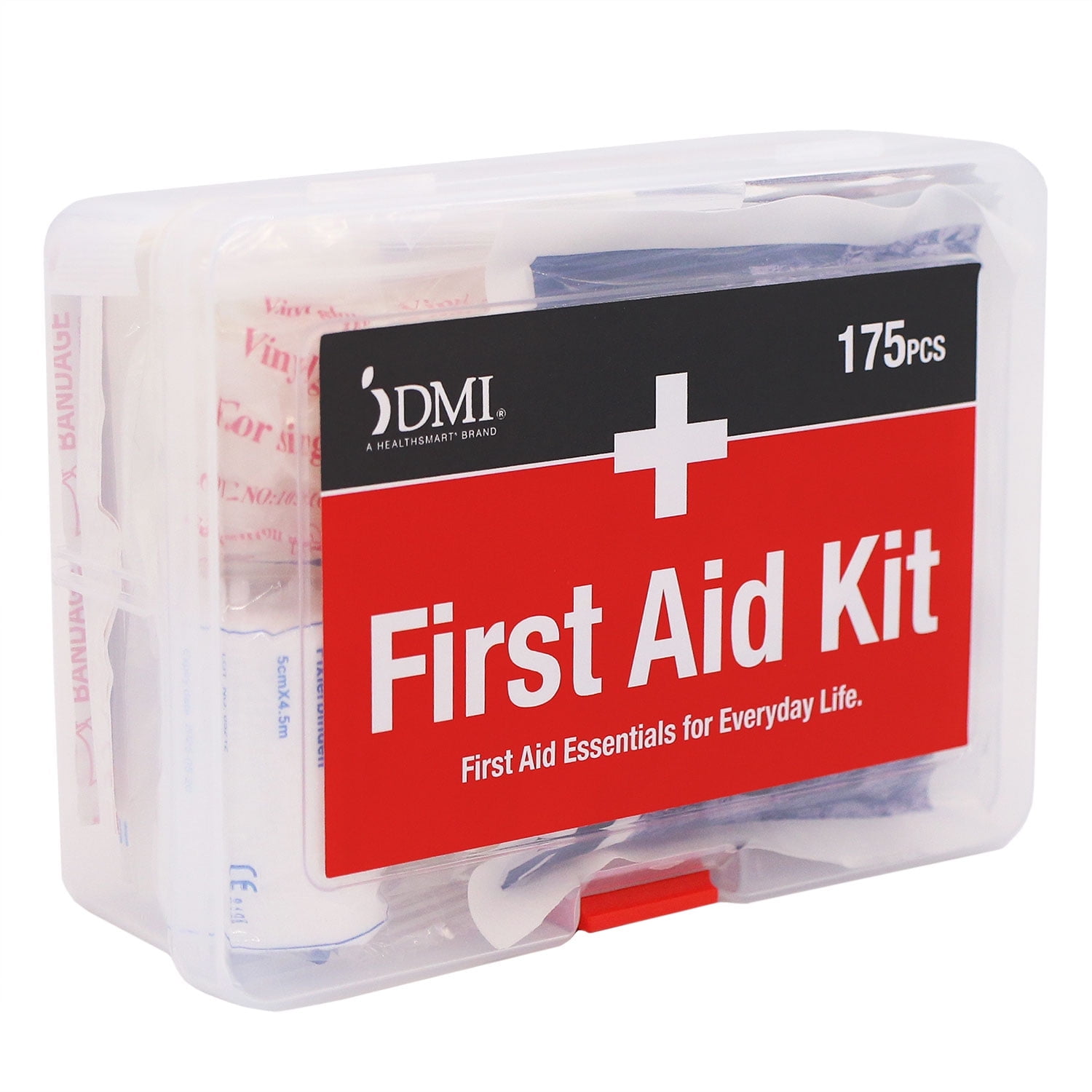 Portable 175-piece kit ideal for home, car, or travel use
Image source: www.walmart.com
Portable 175-piece kit ideal for home, car, or travel use
Image source: www.walmart.com
Smart Shopping Strategies to Maximize Your HSA Savings
Buying an HSA-eligible first aid kit doesn’t have to be complicated. Follow these steps to avoid costly mistakes and get the most value from your pre-tax dollars:
Verify Eligibility Before You Checkout
- Look for explicit "HSA eligible" labeling on the product page or packaging. Reputable medical supply retailers will clearly mark eligible kits.
- Cross-check the full contents list against the IRS criteria outlined above to confirm no non-eligible items are included.
- If the kit is bundled with non-eligible items, calculate the eligible portion of the cost before purchasing, and keep the full receipt for your HSA provider’s records.
Choose the Right Kit for Your Use Case
Different environments require different supplies, so pick a kit tailored to where you’ll use it most:
- Household kits: Opt for a 100+ piece kit stored in a central, accessible location, with supplies for common cuts, burns, and allergic reactions.
- Car kits: Choose a compact, durable kit with trauma supplies, cold packs, and an emergency blanket, kept in your glovebox or trunk for roadside emergencies.
- Workplace kits: If required for your job, ensure the kit meets OSHA standards for your industry, and includes burn care and eye wash supplies if applicable.
- Travel kits: Pick a TSA-approved compact kit with motion sickness medication, anti-diarrheals, and blister care for long trips.
Avoid Common Costly Mistakes
A common error shoppers make is prioritizing price over quality: the cheapest kits often include expired supplies or low-quality materials that fail when you need them most. Always check expiration dates on all perishable items (medications, ointments, antiseptics) before purchasing, and set a 6-month reminder to inspect and replenish your kit.
Another frequent misstep is buying a non-refillable kit: once you use supplies, you’ll need to replace them to stay prepared. Opt for kits with modular compartments and available refill packs to save money long-term. For light-sensitive supplies like antibiotic ointment or eye drops, store them in sealed glass storage to prevent degradation from UV exposure. To keep your kit organized for fast access during emergencies, use modular compartment storage to separate wound care supplies, medications, and tools by category.
If you keep a portable first aid kit in your car or commute bag, store it in a portable storage tote that won’t slide around under seats or in the trunk. For large families or home workshops that need bulk trauma supplies, keep extra gauze, elastic bandages, and cold packs in oversized storage bins to keep them dry and organized. A compact kit for your gym bag or work backpack can hold personal medications and blister pads in small lightweight containers to save space and keep supplies clean. For long-term emergency supply caches (for severe weather, power outages, or remote trips), store unopened medical supplies in airtight bulk storage to prevent moisture damage and extend shelf life. If you include pet first aid supplies in your home kit, store them separately from human medical supplies in heavy-duty sealed bins to avoid cross-contamination.
Keep Detailed Records for HSA Audits
The IRS can audit HSA expenses up to 3 years after you file your tax return, so keep all receipts for first aid kit purchases, refill packs, and individual medical supplies in a dedicated digital or physical folder. If you pay out-of-pocket for an eligible kit, submit the receipt to your HSA provider for reimbursement at any time.
 TSA-approved compact kit perfect for gym bags, backpacks, or car storage
Image source: www.amazon.com
TSA-approved compact kit perfect for gym bags, backpacks, or car storage
Image source: www.amazon.com
How to Track and Maximize Your HSA Tax Savings
HSAs offer a unique triple tax advantage that makes them one of the most powerful savings tools available for medical expenses:
- Contributions are tax-deductible on your federal and state tax return (if your state imposes income tax).
- Any interest or investment growth in your HSA is completely tax-free.
- Withdrawals for qualified medical expenses, including eligible first aid kits and supplies, are 100% tax-free.
For context, if you purchase a $50 eligible first aid kit and fall into the 22% federal and 5% state tax bracket, using HSA funds saves you $13.50 in taxes that you would have paid if you used after-tax dollars. Over time, these savings add up, especially if you replenish supplies annually.
To maximize your savings:
- Use your HSA debit card for eligible purchases to avoid out-of-pocket costs entirely.
- If you pay out of pocket, submit receipts for reimbursement as soon as possible to take advantage of the tax savings.
- Review your HSA provider’s eligible expense list annually, as minor rule updates can occur year over year.
- Remember that refill packs for first aid kits are also HSA eligible as long as they contain only qualified medical supplies, so you don’t need to pay out of pocket for replacements.
Frequently Asked Questions
Are all pre-assembled first aid kits HSA eligible?
No. Only kits whose primary contents are intended to treat or prevent a specific medical condition qualify for HSA reimbursement. Kits that include non-eligible items like general wellness supplements, cosmetic supplies, or recreational gear may only be partially eligible, or not eligible at all. Always verify the kit’s full contents against official IRS HSA eligibility guidelines before purchasing to avoid denied claims.
Can I use HSA funds for a first aid kit that includes over-the-counter pain relievers?
Yes. As of 2026, all over-the-counter medications, including pain relievers, antihistamines, anti-diarrheals, and antacids, are fully HSA eligible without a prescription, per current IRS rules.
Are first aid kit refill packs HSA eligible?
Yes, as long as the refill pack contains only eligible medical supplies (bandages, ointments, gauze, etc.). If the refill pack includes non-eligible items, only the portion of the cost corresponding to qualified supplies can be paid for with HSA funds.
Can I use my HSA for a pet first aid kit?
No. HSA funds can only be used for human medical expenses. Pet first aid supplies are not eligible for HSA reimbursement, even if they are identical to human medical supplies.
What if my HSA provider denies a first aid kit purchase?
First, confirm that the kit does not include non-eligible items that would invalidate the claim. If you believe the denial is an error, submit a copy of your receipt and a full list of the kit’s eligible contents to your HSA provider for review. Keep all documentation for your records in case of an audit.
Final Thoughts
A first aid kit is one of the simplest, most high-value eligible expenses you can purchase with your HSA. Not only does it keep you prepared for minor injuries, burns, and allergic reactions, but using pre-tax HSA funds gives you an immediate discount equal to your marginal tax rate on the purchase cost.
By following current 2026 IRS guidelines, verifying kit contents before you buy, and keeping organized records of your purchases, you can avoid denied claims and maximize your long-term tax savings. A well-stocked, eligible first aid kit is a small investment that delivers big returns for your health and your wallet.
If you’re updating your home emergency preparedness plan this year, check out our seasonal home guides for tips on stocking all your essential emergency supplies.

I’m Abby Lu, a passionate home cook who loves simplifying everyday meals. At PlugChef.com, I share product reviews and cooking guides to help you find the best tools for your kitchen.
Related posts:
 How Does a Certified Organic Kitchen Clean Dishware Efficiently?
 How to Decorate With Wire Baskets: Chic and Creative Ideas
 Kitchen Organization Tips for Meal Prep: Boost Efficiency
 Dollar Tree Kitchen Organization Hacks: Budget-Friendly Tips
 Slate Kitchen Appliances With White Cabinets: Style Upgrade
 Small Electrical Appliances: Maximize Your Home Efficiency

