
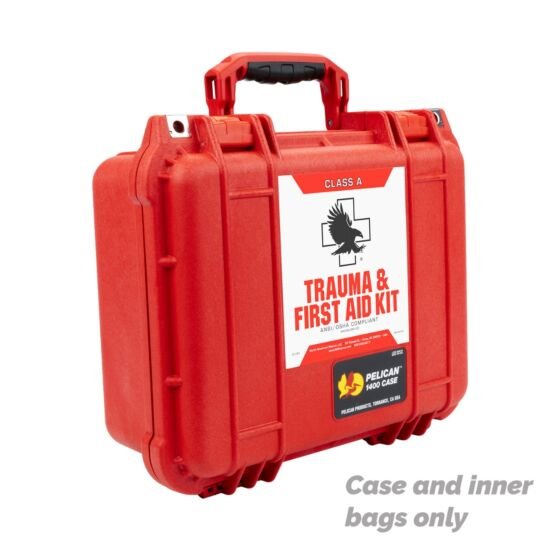
According to the U.S. Centers for Disease Control and Prevention, unintentional injuries are a leading cause of death for Americans under 44, with more than 24 million emergency department visits annually for preventable incidents like cuts, burns, and falls. While professional medical care is critical for severe injuries, immediate first aid can reduce recovery time, prevent infections, and even save lives — but only if your supplies are protected, organized, and easy to access.
Most people focus entirely on what goes inside their first aid kit, ignoring the case that holds it. A cheap, unsealed bin or drawstring bag offers zero protection against damage, contamination, or disorganization, rendering even the best-stocked kit useless when you need it most. The right case for your first aid kit is not just a container: it is a core piece of safety gear that can make the difference between a minor incident and a serious emergency.
This guide breaks down everything you need to know to choose, stock, and maintain a first aid kit case that fits your lifestyle, meets safety requirements, and gives you peace of mind no matter where life takes you.
Why a Dedicated First Aid Kit Case Is Non-Negotiable
A purpose-built first aid kit case does far more than hold supplies. It is the foundation of an effective emergency response strategy, with three critical functions that generic storage options cannot match.
Protects Sterile Supplies From Damage and Contamination
A cheap, unsealed plastic bin or drawstring bag offers zero protection against moisture, dust, and impact. Sterile gauze pads, adhesive bandages, and antiseptic wipes can become contaminated or degrade quickly when exposed to humidity, extreme temperatures, or rough handling. In practice, we’ve seen far too many kits rendered useless after being stored in a damp garage or tossed around in a car trunk, with sterile dressings ruined before they’re ever needed. A hard-shell, water-resistant case with a sealed lid keeps these critical supplies sterile and effective for years, even in harsh conditions.
Enables Fast Response in High-Stress Emergencies
In an emergency, every second counts. The American College of Surgeons recommends applying direct pressure to severe bleeding within 3 minutes of injury to reduce the risk of fatal blood loss. A disorganized kit stuffed in a random drawer forces you to rummage through tangled supplies while someone is injured, wasting precious time. A purpose-built first aid case with labeled compartments lets you grab exactly what you need in seconds, so you can focus on care instead of searching for supplies. A common mistake many people make is overstuffing their case so the lid won’t close, which makes it impossible to transport quickly during an outdoor emergency or car accident.
Meets Safety and Compliance Requirements for Workplaces and Public Spaces
For worksites, the Occupational Safety and Health Administration (OSHA) requires first aid kits that meet ANSI/ISEA Z308.1 standards, which include specific requirements for case durability, water resistance, and content completeness to ensure readiness for industrial accidents, chemical exposures, and heavy equipment injuries. A soft, unsealed bag does not meet these requirements, so investing in a compliant, hard-shell case is not just a good idea for workplaces — it is a legal requirement in many settings.
Key Features to Prioritize When Choosing a First Aid Kit Case
Not all first aid cases are built equal. When shopping for a new case, prioritize these features to ensure it will hold up to real-world use and keep your supplies ready when you need them.
Durability and Weather Resistance
Look for cases made from high-impact polycarbonate or heavy-duty nylon with reinforced corners, as these materials resist cracks and breaks if dropped or crushed. For outdoor, vehicle, or marine use, opt for a case with an IPX6 or higher water-resistance rating, which will keep supplies dry even if submerged briefly or exposed to heavy rain. Avoid thin, flexible plastic cases, which break easily and offer no protection against punctures.
Organization and Accessibility
The best first aid cases have labeled, separate compartments for different supply types: wound care, medications, tools, and emergency documentation. Clear-lidded compartments let you scan for supplies at a glance, without fumbling with zippers or latches during high-stress moments. If your chosen case lacks built-in dividers, small reusable compartmentalized storage works perfectly for separating medications, tools, and wound care supplies, so you never have to hunt for tweezers or antiseptic wipes when every second counts.
 Credit: www.amazon.com
A sealed, impact-resistant case keeps supplies dry and protected from dust, moisture, and rough handling during transport or storage.
Credit: www.amazon.com
A sealed, impact-resistant case keeps supplies dry and protected from dust, moisture, and rough handling during transport or storage.
Portability and Size Compatibility
Choose a case size that fits your intended use: a compact 8×5 inch case works for travel or a small apartment, while a larger 12×9 inch case is ideal for homes, vehicles, or workplaces. For hiking or backcountry trips, look for a lightweight case with molle attachment straps that can fasten to a backpack. For vehicle storage, opt for a slim, hard-shell case that fits under a seat or in a trunk without taking up valuable cargo space.
Compliance With Recognized Safety Standards
If you are buying a case for a workplace, school, or public space, confirm it meets ANSI/ISEA Z308.1 standards for first aid kit construction. These standards test for impact resistance, water resistance, and the ability to keep supplies sterile in dusty or dirty environments. Look for a label or product description that explicitly states compliance with these standards to avoid buying a case that fails inspection.
Essential Supplies to Store In Your First Aid Kit Case
Your case is only as useful as the supplies inside it. Stock your case with these core items, organized by compartment for fast access, and customize based on your household’s specific needs.
Basic Wound Care Supplies
These items treat the most common minor injuries:
- Adhesive bandages in multiple sizes for small cuts and scrapes
- Sterile gauze pads (2×2 and 4×4 inch) for larger wounds
- Adhesive medical tape to secure gauze and dressings
- Antiseptic wipes and antibiotic ointment to clean wounds and prevent infection
- Elastic bandages and cold packs to treat sprains, strains, and bruises
Medical Tools and Safety Gear
These tools let you treat injuries safely and effectively:
- Sharp, blunt-tip scissors for cutting clothing, tape, or gauze (opt for a sharp, reliable pair like the ones recommended in our guide to reliable affordable cutlery to avoid struggling with dull, flimsy options during an emergency)
- Fine-tip tweezers for removing splinters, ticks, and debris from wounds
- Disposable nitrile gloves to protect yourself and the injured person from contamination
- A CPR face shield with a one-way valve for emergency resuscitation
- A digital thermometer to check for fever
Medications and Topical Treatments
Keep these items in a separate, labeled waterproof pouch inside your case:
- Over-the-counter pain relievers (ibuprofen and acetaminophen)
- Antihistamines for allergic reactions and insect bites
- Hydrocortisone cream for itchy rashes and skin irritation
- Burn gel and sterile burn dressings for minor thermal burns
- Any household-specific prescription medications (e.g., asthma inhalers, epinephrine auto-injectors) stored in their original labeled packaging
Emergency Documentation and Contact Information
Store a printed, laminated card in a clear sleeve inside your case with:
- Local emergency numbers (911, poison control, local urgent care)
- Your household doctor’s contact information
- A list of household members’ allergies, chronic conditions, and current medications
- Contact information for two out-of-area emergency contacts in case local phone lines are down during a widespread emergency
Custom Add-Ons For Your Lifestyle
Tailor your case to your routine by adding supplies for your specific activities:
- For hikers: blister treatment kits, snake bite kits, and water purification tablets
- For parents: children’s fever reducers, teething gel, and pediatric dosing charts
- For pet owners: styptic powder for nail cuts and a basic pet first aid guide
- For coastal residents: seasickness medication and jellyfish sting treatment
Specialized First Aid Kit Cases for Unique Use Cases
Different environments require different case features to keep supplies safe and accessible. Choose a case built for your primary use case to get the most value from your investment.
Home First Aid Cases
For household use, opt for a medium-sized case with multiple compartments that can be stored in a kitchen cabinet, hall closet, or laundry room for quick access during cooking accidents, falls, or minor burns. A case with a clear lid lets you spot missing supplies at a glance during your monthly checks. You can store it alongside your durable glass storage containers for easy access in the kitchen, where most household injuries occur.
Vehicle First Aid Cases
A compact, impact-resistant case fits easily in your car’s trunk or under the front seat, alongside a large lidded storage container for emergency drinking water and non-perishable snacks in case of roadside breakdowns or severe weather. Look for a case with a non-slip base to keep it from sliding around during sudden stops or accidents.
Workplace First Aid Cases
As noted earlier, workplace cases must meet OSHA and ANSI/ISEA standards for durability and content completeness. Opt for a hard-shell case with a wall-mounted bracket for easy access, and label it clearly with a first aid symbol so all employees know where to find it. For industrial settings, choose a case with a sealed lid to keep out dust and chemical fumes.
Outdoor and Remote Adventure Cases
For hiking, camping, or backcountry trips, opt for a lightweight, waterproof case that fits in a standard backpack, next to your small portion storage containers for trail mix and high-energy snacks for long days on the trail. Look for a case with a carabiner clip so you can attach it to the outside of your pack for fast access without digging through your gear.
 Credit: rescue-essentials.com
Marine-grade cases feature IPX7 water resistance and secure mounting points to stay in place on boats or near waterfronts.
Credit: rescue-essentials.com
Marine-grade cases feature IPX7 water resistance and secure mounting points to stay in place on boats or near waterfronts.
Marine and Waterfront Cases
For boating, fishing, or living near the water, invest in a marine-grade case with IPX7 water resistance, meaning it can be submerged in up to 1 meter of water for 30 minutes without leaking. These cases also have secure mounting points to keep them from sliding off boat decks or docks, and often include floatation features so they will not sink if dropped overboard.
DIY First Aid Kit Case vs. Pre-Made: Trade-Offs To Consider
When building your first aid kit, you can either assemble a custom DIY case or buy a pre-made, compliant kit. Both options have clear benefits and drawbacks, depending on your needs and budget.
Pros and Cons of DIY Cases
Building your own case lets you customize every detail to your household’s specific needs, from adding prescription medications to choosing compartments that fit your preferred brand of bandages. It can also be more budget-friendly if you already have a suitable case on hand. However, DIY kits come with significant risks: it is easy to forget critical supplies, and most people do not know the ANSI/ISEA minimum requirements for workplace or public use cases. DIY kits also require you to track expiration dates and replace supplies yourself, which can lead to outdated or missing items if you do not set regular reminders.
Pros and Cons of Pre-Made Cases
Pre-made cases come fully stocked with compliant, high-quality supplies that meet ANSI/ISEA standards, and are organized and labeled for fast access. They are ideal for workplaces, vehicles, or anyone who wants a no-fuss, ready-to-use option. The main drawback is cost: pre-made compliant kits can cost 2–3 times more than a DIY equivalent, and you may end up with supplies you do not need for your specific lifestyle. For households with unique medical needs (e.g., severe allergies, diabetes, pet owners), a pre-made kit will almost always require customization anyway.
How to Maintain Your First Aid Kit Case for Lifelong Readiness
Even the highest-quality first aid case and supplies will fail if you do not maintain them regularly. Follow this simple schedule to keep your kit ready for any emergency:
Monthly Quick Checks
Once a month, open your case and do a 2-minute scan for:
- Missing or used supplies that need to be replaced
- Visible damage to the case, such as cracks, broken latches, or degraded seals
- Expired medications or ointments that need to be thrown away Store your case in a cool, dry place out of direct sunlight, which can degrade plastic and medications over time. If you have young children, store the case out of their reach but in a location accessible to all adults in the household.
Six-Month Deep Restocks and Inspections
Every 6 months, do a full restock of your case:
- Remove all supplies and wipe down the interior of the case with a disinfectant wipe to remove dust and debris
- Check the expiration date on every medication, ointment, and sterile supply, and replace any items that are past their use-by date
- Restock any missing supplies, and update your emergency contact list if your doctor’s information or household members’ medical needs have changed
- Test any electronic tools (e.g., thermometers, flashlights) to make sure they work properly, and replace batteries as needed
Proper Storage To Extend Case and Supply Lifespan
Avoid storing your first aid case in extreme temperatures: do not leave it in a hot car trunk in the summer or an unheated garage in the winter, as extreme heat and cold can degrade medications, adhesive bandages, and plastic case components. For marine or outdoor cases, rinse the exterior with fresh water after exposure to saltwater or dirt to prevent corrosion and grime buildup.
Frequently Asked Questions
What makes a first aid kit case better than a generic storage bin?
A purpose-built first aid kit case is designed with features that generic bins lack: sealed lids to keep supplies sterile, labeled compartments for fast access, impact resistance to protect contents during falls or transport, and often compliance with safety standards for workplace or public use. Generic bins offer no protection against moisture, dust, or damage, and their unorganized interiors make finding supplies during an emergency slow and frustrating.
Do I need a waterproof first aid kit case for my vehicle?
Yes, a waterproof or water-resistant case is highly recommended for vehicle storage. Extreme temperature shifts, spilled drinks, and even rain from open windows can expose your supplies to moisture, which degrades sterile dressings, medications, and adhesive bandages. A hard-shell, sealed case also protects supplies from being crushed under cargo or damaged in the event of a car accident.
How often should I replace my first aid kit case itself?
Inspect your case for cracks, broken latches, or degraded seals every 6 months during your deep restock. A damaged case that can’t seal properly will expose your supplies to contamination, so replace it immediately if you notice any signs of wear. High-quality hard-shell cases can last 5–10 years with proper care, while soft fabric cases may need replacement every 2–3 years with frequent use.
Can I pack prescription medications in my first aid kit case?
Yes, but store them in a separate, clearly labeled waterproof pouch inside the case to avoid cross-contamination with other supplies. Check expiration dates every 3 months, and replace any medications past their use-by date. If you have family members with severe allergies or chronic conditions, keep a printed list of their prescriptions and emergency contact information in a sealed sleeve inside the case for first responders.
Conclusion
A first aid kit is only as effective as the case that holds it. A durable, organized, purpose-built case protects your sterile supplies from damage and contamination, lets you access what you need in seconds during an emergency, and ensures your kit meets safety requirements for workplaces, vehicles, and outdoor adventures. It is a low-cost, high-impact piece of safety gear that can reduce recovery time, prevent infections, and even save lives when accidents happen.
Don’t wait for an emergency to reveal the gaps in your preparedness. This week, inspect your current first aid kit case for cracks, expired supplies, or poor organization, and invest in a durable, compliant option that fits your lifestyle. For more step-by-step guidance to build a full household emergency plan, including how to coordinate first aid kits with other critical safety gear, browse our emergency preparedness guides for up-to-date, actionable advice.
 Credit: www.amazon.com
Clear-lidded cases let you scan for needed supplies at a glance, without fumbling with zippers or latches during high-stress moments. Most home first aid kits fall out of readiness within 12 months of being stocked, with expired medications, used supplies, and missing items rendering them useless when you need them most. A durable, well-organized case eliminates this problem by making monthly and six-month inspections fast and intuitive, so you can spot gaps and replace expired supplies in minutes, not hours.
Credit: www.amazon.com
Clear-lidded cases let you scan for needed supplies at a glance, without fumbling with zippers or latches during high-stress moments. Most home first aid kits fall out of readiness within 12 months of being stocked, with expired medications, used supplies, and missing items rendering them useless when you need them most. A durable, well-organized case eliminates this problem by making monthly and six-month inspections fast and intuitive, so you can spot gaps and replace expired supplies in minutes, not hours.
Pro Tips for Packing Your First Aid Kit Case for Fast Access
Even the highest-quality case will slow you down if supplies are packed randomly. Follow these simple, field-tested rules to organize your case for speed and reliability during high-stress moments:
- Place high-use items (adhesive bandages, antiseptic wipes, disposable gloves) in the top, easiest-to-reach compartment so you don’t have to dig through the entire case for common supplies during minor injuries.
- Store medications and topical treatments in a separate, labeled waterproof compartmentalized pouch to avoid cross-contamination with wound care supplies, and to keep them dry if the case is exposed to moisture or extreme temperatures.
- Keep a small pair of trauma shears in an external mesh pocket for fast access to cut clothing, tape, or gauze without opening the main compartment during emergencies.
- Avoid overstuffing compartments: leave 10-15% empty space so you can quickly grab items without disturbing the rest of the supplies or fumbling with latches under pressure.
- Label every compartment with large, easy-to-read text (or use color-coded pouches) so even untrained family members or bystanders can find critical supplies in an emergency if you are unable to direct them.

I’m Abby Lu, a passionate home cook who loves simplifying everyday meals. At PlugChef.com, I share product reviews and cooking guides to help you find the best tools for your kitchen.
Related posts:
 Is Nylon Cooking Utensils Safe? Unveiling the Truth
 Is Bamboo Good for Cooking Utensils: Discover the Benefits
 Can You Cut Raw Meat on a Wood Cutting Board Safely?
 Harbor Freight First Aid Kit: Essential Safety Gear for Emergencies
 First Aid Kit Supplies Refills: Essential Items You Must Restock
 10 Person First Aid Kit: Essential Gear for Emergencies

