
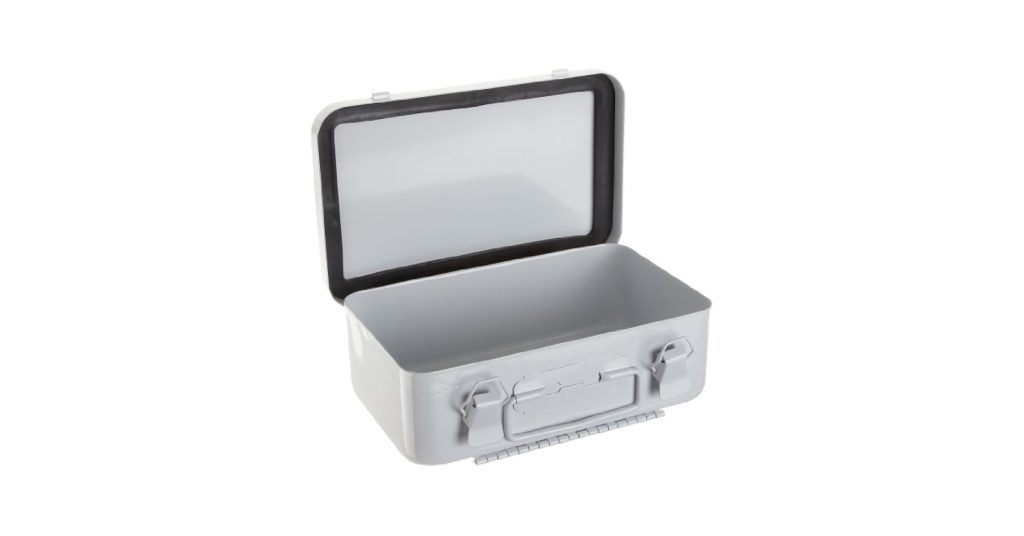
When it comes to safety, having the right first aid kit can make all the difference. Imagine facing a minor injury or emergency and reaching for a box that’s flimsy or worn out.
Would you trust it to protect your health? That’s where a Metal First Aid Kit Box steps in. It’s not just a container—it’s your reliable partner in every unexpected moment. You’ll discover why choosing a metal box can keep your supplies safe, organized, and ready when you need them most.
Ready to find out how this simple upgrade can boost your peace of mind? Keep reading.

Credit: www.amazon.com
Importance Of A Metal First Aid Kit Box
A Metal First Aid Kit Box is more than just a container—it’s a reliable guardian for your medical supplies. Its sturdy build ensures your first aid items stay safe and ready for use whenever you need them. Understanding why a metal box matters can change how you approach safety at home, work, or on the go.
Durability That Protects Your Supplies
Metal boxes withstand drops, impacts, and rough handling better than plastic or fabric cases. This means your bandages, ointments, and tools remain intact and uncontaminated. Have you ever opened a kit only to find crushed or dirty supplies? A metal box prevents that frustration.
Resistance To Environmental Damage
Metal first aid kits resist water, dust, and extreme temperatures more effectively. This protection keeps your medical items dry and usable, even in harsh conditions. Think about outdoor trips or workplaces with dust and moisture—would your current kit survive?
Easy To Clean And Maintain
Unlike other materials, metal boxes are simple to wipe down and disinfect. This helps prevent germs from building up on the kit itself, adding a layer of hygiene. When was the last time you cleaned your first aid kit? A metal box makes it quick and hassle-free.
Visibility And Organization
Many metal kits come with clear labels and compartments inside. This helps you find what you need fast during emergencies. Imagine the difference between fumbling through a messy kit and grabbing the right item within seconds.
Long-term Cost Efficiency
While metal kits might cost a bit more initially, their durability saves money over time. You won’t need to replace damaged boxes or spoiled supplies as often. Isn’t it worth investing once to avoid repeated expenses later?

Credit: www.amazon.com
Durability And Longevity
Choosing the right first aid kit box means thinking beyond just looks or size. Durability and longevity are what truly protect your supplies and give you peace of mind when emergencies strike. A metal first aid kit box stands out because it offers solid protection that plastic or fabric cases often can’t match.
Strong Material That Withstands Impact
Metal first aid kit boxes are made from materials like steel or aluminum, which resist dents and cracks. This means your supplies stay safe even if the box is dropped or knocked around. I’ve seen plastic kits break after a simple fall, but metal boxes stayed intact, keeping everything inside secure.
Resistance To Weather And Corrosion
Exposure to moisture can ruin first aid supplies quickly. Metal boxes often come with rust-resistant coatings that help them survive damp environments. Whether you keep your kit in the garage or take it outdoors, a metal box can protect your items from water damage far better than most alternatives.
Long-term Cost Efficiency
Investing in a metal first aid kit box might seem pricier upfront, but it pays off over time. You won’t need to replace the box frequently due to wear and tear. Plus, by keeping your supplies in good condition, you avoid the cost of spoiled or damaged medical items.
Easy To Clean And Maintain
Metal boxes are simple to wipe down and disinfect, which keeps them hygienic and ready for use. This is especially important if your kit is used in environments where dirt or germs are common. You can maintain your box easily with just a damp cloth and mild cleaner.
Think about your current first aid storage. Does it protect your supplies as well as a metal box would? Durability and longevity should be at the top of your list to ensure your first aid kit is always ready when you need it most.
Safety Features
The Metal First Aid Kit Box offers robust safety features that protect the contents and users. It is designed to withstand tough environments while keeping medical supplies secure and clean.
Strong construction ensures durability and resistance to damage. The metal box prevents the kit from breaking or bending in emergencies.
Durable Locking Mechanism
The box includes a sturdy lock to keep supplies safe and prevent accidental opening. This feature protects against unauthorized access and spills.
Water-resistant Seal
A tight seal around the lid keeps water and dust out. This helps maintain the sterility of bandages and medicines inside.
Clear Labeling
Bright, clear labels on the box make it easy to find quickly. Labels include first aid symbols for fast recognition.
Compact And Portable Design
The metal box is small but spacious enough for essential supplies. Its lightweight design allows easy carrying to any location.
Essential Contents
A Metal First Aid Kit Box is only as useful as the items inside it. Knowing what essentials to keep can make all the difference during an emergency. The right contents help you act quickly and confidently, whether you’re at home, work, or on the go.
Bandages And Dressings
Bandages and dressings are your first line of defense against cuts and scrapes. Stock your kit with adhesive bandages in various sizes to cover small wounds. Include sterile gauze pads and adhesive tape to handle larger injuries and control bleeding effectively.
Elastic bandages come in handy for sprains and strains. Have a few triangular bandages ready—they can serve as slings or tourniquets when needed. Think about the types of injuries likely in your environment and tailor your supplies accordingly.
Antiseptics And Ointments
Cleaning a wound properly prevents infection and speeds up healing. Include antiseptic wipes or solutions like iodine or alcohol swabs. These help you quickly disinfect cuts and abrasions.
Adding antibiotic ointments protects wounds from bacteria and reduces the risk of infection. Don’t forget to check expiration dates regularly—expired antiseptics lose effectiveness. Have you ever faced a situation where a clean wound turned infected? Proper antiseptics can stop that from happening.
Medical Tools And Instruments
Having the right tools can simplify first aid tasks. A pair of scissors for cutting bandages and tweezers for removing splinters are must-haves. Include disposable gloves to protect both you and the injured person from germs.
Thermometers help you monitor fevers, while safety pins can secure bandages quickly. A digital pulse oximeter might seem advanced, but it’s invaluable if someone struggles to breathe. What tools would you find most useful in your daily routine?
Emergency Medications
Keep a small selection of over-the-counter medications for common ailments. Pain relievers like ibuprofen or acetaminophen ease discomfort and reduce inflammation. Antihistamines can be lifesavers for allergic reactions.
Don’t forget to add any personal medications you or your family may need. Always label these clearly to avoid confusion in a stressful situation. How prepared are you to manage pain or allergies before professional help arrives?
Portability And Accessibility
Portability and accessibility are key features of a metal first aid kit box. It must be easy to carry and reach quickly during emergencies. The design should support fast access to essential medical supplies without any delay.
A metal first aid kit box offers durability and strength while remaining lightweight. Its compact size fits in various places like vehicles, offices, or homes. This makes it handy for use anytime and anywhere.
Compact And Lightweight Design
The metal first aid kit box is small and light. It fits easily into backpacks, car trunks, or shelves. Carrying it does not add much weight, which is important during emergencies.
Easy-to-grip Handles
Most metal first aid boxes come with strong handles. These handles allow quick grabbing and carrying. They help move the kit fast to the needed spot.
Clear Labeling For Quick Identification
Labels on the metal box make it easy to spot. Bright colors and clear signs guide users to the kit in seconds. No time wasted searching during an emergency.
Secure Yet Quick-open Latches
The box has latches that keep the contents safe. They prevent accidental opening and protect supplies. At the same time, these latches open quickly when needed.
Weather-resistant Construction
Metal boxes resist water, dust, and damage. This protects the first aid items inside. Accessibility is maintained even in tough weather conditions.

Credit: www.ebay.com
Best Practices For Usage
Using a metal first aid kit box effectively can make a big difference during an emergency. It’s not just about having one, but knowing how to keep it ready, accessible, and stocked with the right supplies. Let’s look at some best practices that help you get the most out of your metal first aid kit box.
Keep Your Kit Easily Accessible And Visible
Your first aid kit won’t help if you can’t find it quickly. Store your metal box in a place everyone in your home or workplace knows about. Avoid hiding it in cluttered cupboards or high shelves.
Think about placing it in a central location like the kitchen or near the main entrance. Clear labeling on the box also helps during stressful moments. Have you checked recently if everyone knows where to find it?
Regularly Inspect And Restock Supplies
Check your kit at least once every three months. Look for expired medications, used items, or anything damaged. A metal box is durable, but the contents need your attention.
Keep a checklist inside the kit to track what you have and what’s missing. Having the right supplies can save crucial minutes when you need them most.
Customize Contents Based On Your Needs
Think about who will use the kit and for what types of emergencies. For example, families with young children might add child-specific medications or bandages. Outdoor workers might include insect bite treatments and sunscreen.
Adding personal items makes your kit more effective. What specific risks or conditions do you face that your kit should address?
Maintain Cleanliness And Dryness
Metal boxes protect contents from dust and moisture better than plastic, but don’t rely on that alone. Wipe the exterior regularly and keep the box dry. Moisture inside can ruin bandages and medications.
Consider adding small silica gel packets to absorb humidity. This simple step extends the life of your supplies and keeps them ready for use.
Train Your Household Or Team On Usage
A well-stocked kit is useless if no one knows how to use it. Spend time showing family members or coworkers what’s inside and how to use key items. Practice basic first aid skills together.
Confidence in handling minor injuries can prevent panic and reduce injury severity. When was the last time you refreshed your first aid knowledge?
Comparing Metal To Plastic Kits
Choosing between a metal first aid kit box and a plastic one can impact how well your supplies stay protected and how easy it is to carry them. Both materials have their strengths, but understanding their differences helps you pick the right kit for your needs. Let’s look at how metal and plastic boxes compare in key areas like durability, weight, and maintenance.
Durability And Protection
Metal kits are known for their toughness. They withstand drops, impacts, and rough handling better than plastic boxes. If you work in environments where your kit might get knocked around, metal offers superior protection for your medical supplies.
Plastic kits can crack or break under heavy pressure. However, they resist rust and corrosion, which metal boxes may struggle with if not properly cared for. So, if moisture is a concern, plastic might hold an edge.
Weight And Portability
Metal first aid boxes tend to be heavier. This extra weight can slow you down if you need to move quickly or carry your kit for long periods. Think about whether you’ll be carrying your kit often or just keeping it stationary.
Plastic kits are lightweight and easier to carry around. This makes them a popular choice for outdoor activities like hiking or camping, where every ounce counts.
Maintenance And Longevity
Metal kits require a bit more care to avoid rust and dents. Cleaning them regularly and keeping them dry will extend their lifespan. But if you do maintain them well, metal boxes can last for many years.
Plastic kits need less maintenance but can become brittle over time, especially if exposed to sunlight frequently. They may need replacing sooner than metal boxes in tough conditions.
Cost And Value
| Material | Average Cost | Longevity | Suitability |
|---|---|---|---|
| Metal | Higher | Long-lasting with care | Heavy-duty use, industrial sites |
| Plastic | Lower | Moderate, may degrade | Light use, outdoor activities |
Does spending more upfront on a metal box make sense if it means fewer replacements? Or would you rather save money and swap out plastic kits more often? Consider how often you’ll use your kit and where it will be stored.
Appearance And Customization
Metal kits often look more professional and sturdy, which can be important in workplaces. They can also be painted or labeled easily for clear identification.
Plastic kits come in various colors and styles, making it simple to find one that matches your preferences or stands out in a crowd. This can help in emergencies when you need to find your kit fast.
Maintenance And Restocking Tips
Keeping your metal first aid kit box in top shape is essential for quick and effective emergency responses. Regular maintenance and timely restocking ensure that you never run out of critical supplies when you need them most. Here are some practical tips to help you maintain and restock your kit efficiently.
Regular Inspection Of Contents
Check your first aid kit at least once every three months. Look for expired items, damaged packaging, or supplies that are running low. You might be surprised how often people forget to replace used or outdated items.
Keep a checklist inside the box to track what you have and what needs replacement. This small habit saves you time and stress during emergencies.
Cleaning And Caring For The Metal Box
Wipe the metal box regularly with a damp cloth to remove dust and dirt. Avoid using harsh chemicals that can damage the metal surface or cause rust. If you notice any rust spots, gently sand them and apply a rust-resistant paint or coating.
Keeping the box clean not only prolongs its life but also ensures a professional and hygienic look, especially in workplaces or public areas.
Organizing Supplies For Easy Access
Arrange items logically inside the box so you can grab what you need quickly. Use small containers or compartments to separate types of supplies like bandages, antiseptics, and tools. This reduces search time and frustration during an emergency.
Have you ever fumbled through a cluttered kit? Organizing your supplies better can make a huge difference in those critical moments.
Restocking After Use
Make it a habit to restock immediately after using any item. Leaving the kit incomplete can create dangerous delays in future emergencies. Keep extra supplies stored nearby to refill the kit quickly.
Consider setting reminders on your phone or calendar to check and restock your kit regularly. This simple step helps maintain readiness without relying on memory alone.
Tracking Expiration Dates
Many first aid items like ointments and antiseptics have expiration dates. Expired products can lose effectiveness or become unsafe. Label each item with its purchase date and expiration date for easy monitoring.
Using a spreadsheet or an app for tracking these dates can simplify the process, especially if you manage multiple kits.
Choosing The Right Metal Kit
Choosing the right metal first aid kit box is more than just picking a container. It’s about matching your needs with the right size, features, and price. This ensures your kit stays organized, accessible, and ready for any emergency.
Size And Capacity
Think about where you will keep your metal first aid kit and how many people it should serve. A small kit might be perfect for personal use or a car, but larger kits work better for workplaces or family homes. You want enough space to store essentials without the kit becoming bulky or hard to carry.
Consider items you already have and those you might add later. Does the kit have compartments or trays to keep supplies organized? A well-sized kit helps you find what you need quickly when seconds count.
Customizable Options
Look for metal kits that allow you to customize the interior. Removable trays, adjustable dividers, and extra pockets let you arrange supplies the way you prefer. This flexibility means you can tailor the kit to your specific emergencies, whether it’s cuts, burns, or allergies.
Some kits even offer labeling options or built-in mounting brackets for easy wall storage. Have you thought about how you want to access your supplies during a crisis? Customization can make that process smoother and faster.
Budget Considerations
Metal first aid kits come in a range of prices, so it’s important to balance quality and cost. Cheaper kits might save money upfront but could lack durability or space. Investing a bit more often means better protection and longer use.
Think about what you really need and compare features versus price. Are you paying for extras you won’t use? Or missing out on critical features to save a few dollars? Your budget should support a kit that meets your safety needs without breaking the bank.
Real-life Scenarios
Metal first aid kit boxes prove their worth in many real-life situations. They protect essential medical supplies and keep them ready for use. Their sturdy build withstands rough conditions and frequent handling. The metal case also helps keep contents clean and organized. Here are some examples where these kits make a real difference.
Workplace Injuries
Construction sites and factories are full of hazards. Workers often face cuts, scrapes, or burns. A metal first aid kit box offers quick access to bandages, antiseptics, and burn creams. Its tough exterior resists damage from dust and impacts. It stays reliable in noisy, busy environments.
Outdoor Adventures
Hikers, campers, and hunters carry metal first aid kits for safety. Nature trips can cause insect bites, blisters, or sprains. The metal box keeps supplies dry and secure, even in rain. Its compact size fits easily in backpacks or vehicles. Help is always within reach in remote areas.
Emergency Car Kits
Car accidents or roadside breakdowns can cause injuries. A metal first aid kit in the car provides immediate care tools. It resists heat and cold inside the vehicle. Items like gauze, gloves, and scissors stay intact. Drivers and passengers get quick treatment before help arrives.
Home Safety
At home, accidents can happen anytime. A metal first aid kit box keeps first aid essentials safe from kids and pets. It organizes supplies in one place for fast use. The durable case protects contents from moisture and dust. Families stay prepared for cuts, burns, or falls.
Frequently Asked Questions
What Are The Benefits Of A Metal First Aid Kit Box?
A metal first aid kit box is durable, rust-resistant, and offers excellent protection. It keeps supplies safe from damage and moisture. Its sturdy build ensures long-term use, making it ideal for workplaces, homes, and outdoor activities. Metal kits also provide a professional appearance.
How Do Metal First Aid Kit Boxes Improve Safety?
Metal boxes securely store medical supplies, reducing contamination risk. They are easy to clean and maintain hygiene. Their robust design prevents accidental damage or loss of important items. This ensures quick access to reliable first aid tools during emergencies.
What Items Fit Best In A Metal First Aid Kit Box?
A metal kit typically holds bandages, antiseptics, scissors, tweezers, gloves, and pain relievers. It can also store burn creams, adhesive tapes, and instant cold packs. The box’s compartments help organize these essentials efficiently for fast retrieval.
Are Metal First Aid Kits Suitable For Outdoor Use?
Yes, metal kits are highly suitable for outdoor use due to their toughness. They withstand harsh conditions like rain and dust. Their sealed design protects contents from moisture and dirt, making them reliable for camping, hiking, and sports events.
Conclusion
A metal first aid kit box keeps supplies safe and organized. It lasts longer than plastic and protects items from damage. Easy to carry and sturdy, it fits well in homes, cars, or workplaces. Always keep it stocked and ready for emergencies.
Quick access to first aid can help save lives. Choose a metal box for durability and peace of mind. Safety starts with being prepared. Simple steps make a big difference.

I’m Abby Lu, a passionate home cook who loves simplifying everyday meals. At PlugChef.com, I share product reviews and cooking guides to help you find the best tools for your kitchen.
Related posts:
 What Type of Cooking Utensils are Safe: Expert Picks
 What Innovations Could Blenders Make: Unleashing Future Tech
 Smart Strategies to Organize a Small Kitchen: Maximize Space
 How to Organize a Kitchen Cabinet: Expert Tips & Tricks
 How to Organize Kitchen Drawers: Expert Tips and Tricks
 How to Organize a Corner Kitchen Cupboard: Expert Tips

