
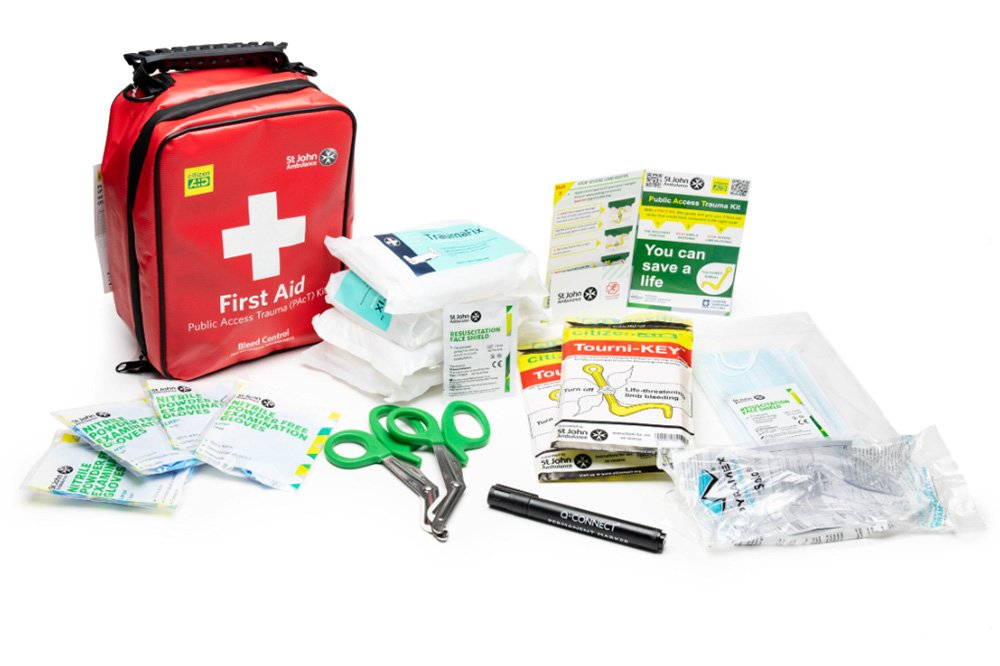
Have you ever stopped to check the expiration date on your first aid kit? You might think it’s just a box of supplies that’s always ready when you need it.
But what if some items inside have lost their effectiveness over time? Knowing whether your first aid kit expires could make a big difference in an emergency. Keep reading to find out why this matters to your safety and how to make sure your kit is always ready to help you when it counts.

Credit: www.facebook.com
Shelf Life Of First Aid Kits
First aid kits do not last forever. The shelf life depends on the items inside. Some supplies lose effectiveness over time. Others can become unsafe to use. Knowing the shelf life helps keep your kit ready for emergencies.
Each item in the kit has its own expiry date. Bandages, antiseptics, and medications all vary. Proper storage also affects how long supplies last. Heat, moisture, and sunlight can shorten shelf life.
Shelf Life Of Common First Aid Items
- Bandages and Gauze:Usually last 3 to 5 years if stored dry.
- Antiseptic Wipes and Solutions:Expire within 2 to 3 years.
- Adhesive Tape:Can last up to 5 years but may become brittle.
- Pain Relief Medications:Typically expire 1 to 3 years after manufacturing.
- Creams and Ointments:Usually expire after 1 to 2 years.
- CPR Masks and Gloves:Last about 5 years but check packaging.
How To Check Expiry Dates
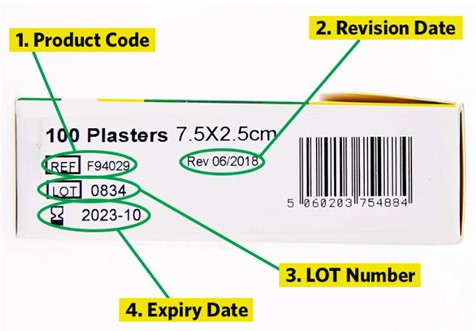
Look for printed dates on each item or packaging. Expiry dates often say “Use by” or “Best before.” If no date is visible, assume the item is old and replace it. Keep a log of when you bought or replaced supplies.
Tips To Extend Shelf Life
- Store kits in a cool, dry place.
- Avoid direct sunlight and humidity.
- Seal items tightly after use.
- Check your kit every 6 months.
- Replace expired or damaged items immediately.

Credit: www.instagram.com
Components With Expiration Dates
Many parts of a first aid kit have expiration dates. These dates show how long items stay safe and effective. Using expired components can reduce their ability to help in emergencies. It is important to check these dates often. Replace items that are past their expiration.
Medications And Ointments
Medications and ointments lose strength over time. Expired medicines may not work well or could cause harm. Check the labels for expiration dates. Common items like pain relievers, antibiotic creams, and antiseptics often have these dates. Store them in a cool, dry place to keep them effective longer.
Bandages And Dressings
Bandages and dressings can also expire. Their adhesive may weaken, making them less sticky. Sterile dressings can lose sterility after the expiration date. Using non-sterile dressings can cause infections. Check packaging for expiry dates and damage before use. Replace any bandages that look worn or sticky less.
Sterile Solutions
Sterile solutions include items like saline or antiseptic liquids. These solutions have expiration dates to ensure safety. After expiry, they can become contaminated or lose effectiveness. Using old sterile solutions can risk infection. Always check the date and replace them as needed.
Signs Of Expired Materials
Recognizing signs of expired materials in your first aid kit is crucial for ensuring it works when you need it most. Expired items might not only lose effectiveness but could also pose risks. Paying attention to subtle changes can save you from relying on supplies that won’t perform as expected.
Color Changes
One of the easiest signs to spot is a change in color. Medications or ointments that have darkened, faded, or developed spots indicate they may be past their prime. Even bandages or gauze that appear yellowed or stained might no longer be sterile or safe to use.
Have you ever opened a cream only to find it looking off-colored? That’s a clear warning to replace it immediately.
Texture Alterations
Texture shifts often reveal more than the eye can see. Powders clumping together, creams becoming dry or watery, and adhesive strips losing their stickiness all suggest expiration. These changes mean the product’s integrity is compromised, reducing its reliability during emergencies.
Try pressing a bandage or squeezing a tube—does it feel different than when you first bought it? If yes, it’s time to update your kit.
Packaging Integrity
Check the packaging carefully for any damage. Cracked tubes, broken seals, or torn wrappers can let in bacteria or moisture, causing products to expire prematurely. Even if the item looks fine, compromised packaging can render it unsafe.
Ask yourself: Would I trust this item if it were the only thing available in an emergency? If the answer is no, replace it.
Risks Of Using Expired Items
Using expired items from your first aid kit might seem harmless, but it carries real risks that can affect your health and safety. These items lose their effectiveness over time, and some can even cause harm instead of healing. Understanding these dangers helps you keep your first aid kit reliable when you need it most.
Reduced Efficacy
Expired first aid supplies often don’t work as well as fresh ones. For example, antiseptic wipes may no longer kill germs effectively, leaving wounds vulnerable to infection.
Medications like pain relievers or antibiotic ointments can weaken, offering less relief or protection. Imagine relying on a bandage that doesn’t stick properly because its adhesive has dried out—this can delay healing or cause more injury.
Do you really want to risk using something that might fail when you’re in an emergency?
Potential Health Hazards
Some expired items can pose direct health risks. For instance, expired creams or ointments may grow bacteria or fungi, increasing the chance of infection rather than preventing it.
Using outdated medications can lead to unexpected side effects or allergic reactions. In worst cases, applying spoiled products to wounds can worsen your condition.
Think about the last time you checked your first aid kit—are you sure none of the items have passed their expiry date? Taking a moment now to replace those expired supplies can save you from serious trouble later.
Proper Storage Techniques
Proper storage techniques play a crucial role in maintaining the effectiveness of your first aid kit. Even the best supplies can lose their reliability if they are not stored correctly. You might think just tossing your kit in a drawer is fine, but small adjustments can make a big difference in emergencies.
Temperature Control
Extreme temperatures can damage many first aid items, such as ointments, creams, and adhesive bandages. High heat can cause medications to break down, while freezing temperatures may ruin liquids and gels. Keep your kit in a cool, stable place—ideally between 59°F and 77°F (15°C to 25°C).
Have you ever noticed how some creams separate or change color after sitting in the sun? That’s a sign the product has lost its potency. Avoid storing your kit in places like a car glove compartment or near heating vents where temperatures fluctuate widely.
Humidity Management
Moisture is another enemy of first aid supplies. High humidity can cause bandages and gauze to become damp, leading to mold or bacterial growth. It can also damage packaging, making items unusable when you need them most.
Store your kit in a dry area, away from bathrooms or kitchens where humidity tends to be higher. Using airtight containers or resealable plastic bags inside your kit can help protect contents from moisture. Do you check your kit periodically to ensure nothing feels damp or sticky?
Regular Maintenance And Checks
Regular maintenance and checks keep a first aid kit ready for emergencies. Over time, supplies can expire, get used, or become damaged. Checking the kit often ensures it has everything needed and that all items work properly. This simple practice helps avoid surprises during a critical moment. It also extends the life of the kit and ensures safety.
Scheduled Inspections
Set a regular date to inspect the first aid kit. Monthly or quarterly checks work well. During inspections, look for expired medicines and supplies. Check for broken packaging or missing items. Replace any used or damaged materials right away. Keep a checklist to track inspections and actions taken. This habit keeps the kit reliable and up to date.
Inventory Rotation
Rotate items in the kit to use older supplies first. This prevents products from sitting unused until they expire. Move new supplies to the back and older ones to the front. Use items before they reach their expiration date. This method helps maintain a fresh and ready-to-use kit. It also reduces waste and saves money.
Updating Your First Aid Kit
Updating your first aid kit is not just about keeping it full; it’s about ensuring every item is safe and effective when you need it most. Over time, supplies can lose their reliability or become outdated. Regularly checking your kit helps you stay prepared for emergencies and avoid surprises when seconds count.
Replacing Expired Items
Expired items in your first aid kit can be risky. Medicines, ointments, and sterile supplies may no longer work as intended. Have you ever reached for a bandage only to find it dried out or a pain reliever past its date? That’s why it’s crucial to go through your kit every six months and toss out anything past its expiration.
Keep a checklist of expiration dates for common items like antiseptic wipes, adhesive bandages, and medications. This small habit saves you from relying on ineffective supplies during an emergency.
Adding New Supplies
Your first aid needs can change over time. Maybe you started a new hobby like hiking or have kids now who need different care. Adding new supplies tailored to your current lifestyle ensures your kit stays relevant.
Consider adding items like allergy medication if you’ve developed sensitivities or extra dressings if you’re more active outdoors. Ask yourself: Are you prepared for the most likely injuries or health issues you might face today?
Updating your kit with fresh supplies also includes adding useful tools such as a digital thermometer, tweezers, or even a small flashlight. These additions can make a big difference in handling unexpected situations calmly and efficiently.
Credit: www.sja.org.uk
Recommendations For First Aid Kit Purchases
Choosing the right first aid kit is important for safety and preparedness. Not all kits are the same. Some contain essential items, while others may lack key supplies. Understanding what to look for helps ensure the kit will be useful during emergencies.
Choosing Reputable Brands
Select brands with a strong reputation in health and safety. Trusted brands follow strict quality standards. Their kits often include reliable, tested materials. Look for certifications or approvals from health organizations. This helps avoid expired or low-quality products. A good brand stands behind its products with warranties or customer support.
Evaluating Kit Contents
Check the contents carefully before buying. The kit should include:
- Bandages of different sizes
- Sterile gauze pads and adhesive tape
- Antiseptic wipes and ointments
- Scissors and tweezers
- Disposable gloves
- Instructions for basic first aid
Look for items with clear expiration dates. Avoid kits with many expired products. Consider the kit’s size and purpose. Travel kits differ from home or workplace kits. Choose a kit that fits your specific needs and environment.
Frequently Asked Questions
Do First Aid Kits Have Expiration Dates?
Yes, many first aid kit items expire. Medications and ointments typically have expiry dates. Check your kit regularly to ensure safety and effectiveness.
How Often Should I Replace First Aid Supplies?
Replace expired or used items immediately. Generally, review your kit every 6 to 12 months to maintain readiness and safety.
What Happens If I Use Expired First Aid Products?
Expired products may lose effectiveness or cause irritation. Using them can reduce treatment success, so always use fresh supplies for best care.
Can I Use Expired Bandages And Gauze?
Bandages and gauze usually don’t expire but check packaging for damage. Sterility can be compromised over time, so replace if packaging is torn.
Conclusion
First aid kits do expire, and that can affect their usefulness. Check your kit regularly for expired or damaged items. Replace anything that is old or worn out. A fresh kit ensures you are ready for emergencies. Don’t wait until you need it to find out it’s not working.
Staying prepared means staying safe. Keep your first aid kit updated and ready to help. Small checks today can make a big difference tomorrow.

I’m Abby Lu, a passionate home cook who loves simplifying everyday meals. At PlugChef.com, I share product reviews and cooking guides to help you find the best tools for your kitchen.
Related posts:
 What Type of Cooking Utensils are Safe: Expert Picks
 What Innovations Could Blenders Make: Unleashing Future Tech
 Smart Strategies to Organize a Small Kitchen: Maximize Space
 How to Organize a Kitchen Cabinet: Expert Tips & Tricks
 How to Organize Kitchen Drawers: Expert Tips and Tricks
 How to Organize a Corner Kitchen Cupboard: Expert Tips

