
When you’re on the road, emergencies can happen without warning. Having the right first aid kit in your vehicle isn’t just smart—it can make all the difference in a critical moment.
But how do you know which kit truly meets safety standards? That’s where OSHA approved first aid kits come in. These kits are designed to give you the confidence that you’re prepared for unexpected injuries while driving. Keep reading to discover why choosing an OSHA approved first aid kit for your vehicle is a decision you won’t regret—and how it can protect you and your loved ones when it matters most.
Credit: www.ebay.com
Importance Of First Aid Kits In Vehicles
First aid kits are essential for every vehicle. They provide quick help during accidents or sudden injuries. Having an OSHA approved first aid kit ensures the supplies meet safety standards. This readiness can make a big difference in emergencies on the road.
Road accidents can happen anytime. Immediate care reduces the risk of serious harm. A well-stocked first aid kit helps manage wounds, burns, or shocks right away. It supports safe and fast treatment before professional help arrives.
Quick Response To Injuries
A first aid kit in your vehicle allows fast treatment. You can stop bleeding, clean wounds, and protect injuries. Acting quickly lowers the chance of infections or complications. Speedy care often improves recovery outcomes.
Compliance With Safety Regulations
OSHA approved kits meet workplace safety rules. Many companies require these kits in vehicles. Compliance avoids fines and legal issues. It also shows a commitment to safety and responsibility.
Peace Of Mind For Drivers And Passengers
Knowing a first aid kit is available brings comfort. Drivers feel safer on long trips or remote areas. Passengers trust the driver is prepared for emergencies. This peace of mind helps reduce anxiety during travel.
Preparedness For Unexpected Situations
Accidents and injuries are unpredictable. First aid kits prepare you for all types of emergencies. They contain essential items like bandages, antiseptics, and gloves. Being ready saves time and helps manage crisis calmly.

Credit: www.amazon.com
Osha Regulations For First Aid Kits
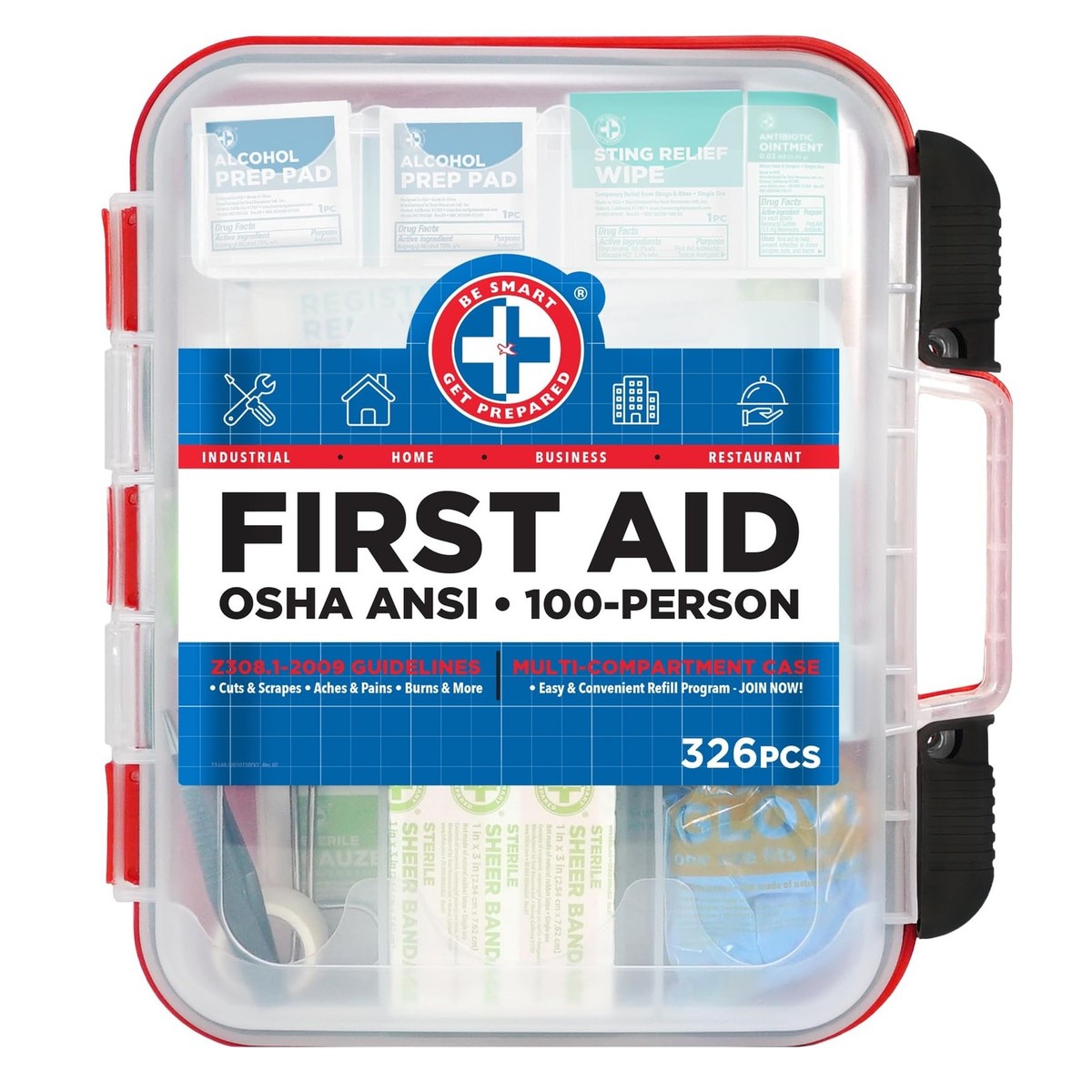
OSHA regulations set clear rules for first aid kits in vehicles. These rules ensure kits have essential supplies for emergencies. Employers must follow these standards to keep workers safe on the road. Compliance helps reduce risks from injuries or accidents during travel.
Understanding OSHA’s requirements helps pick the right first aid kit. The kit should meet specific content and accessibility rules. Proper maintenance and clear labeling are also part of OSHA’s guidelines. Meeting these rules prepares vehicles for quick and effective emergency response.
Osha Standards For Vehicle First Aid Kits
OSHA requires first aid kits to match the type of work and hazards. Kits must contain items that treat common injuries on the road. The kit contents should follow the guidelines in OSHA standard 29 CFR 1910.151.
- Bandages in various sizes
- Antiseptic wipes
- Adhesive tape
- Burn treatment supplies
- Scissors and tweezers
The kit must be easy to reach and clearly marked.
Placement And Accessibility Rules
First aid kits must be stored in a visible and accessible spot. Drivers and workers should reach the kit quickly during emergencies. Kits inside vehicles should be secured to avoid damage or loss. OSHA emphasizes easy access to prevent delays in treatment.
Maintenance And Inspection Requirements
Regular checks keep first aid kits ready and stocked. Expired or used items must be replaced immediately. OSHA recommends inspecting kits monthly or after every use. Proper maintenance ensures all supplies work effectively during emergencies.
Key Components Of An Osha Approved Kit
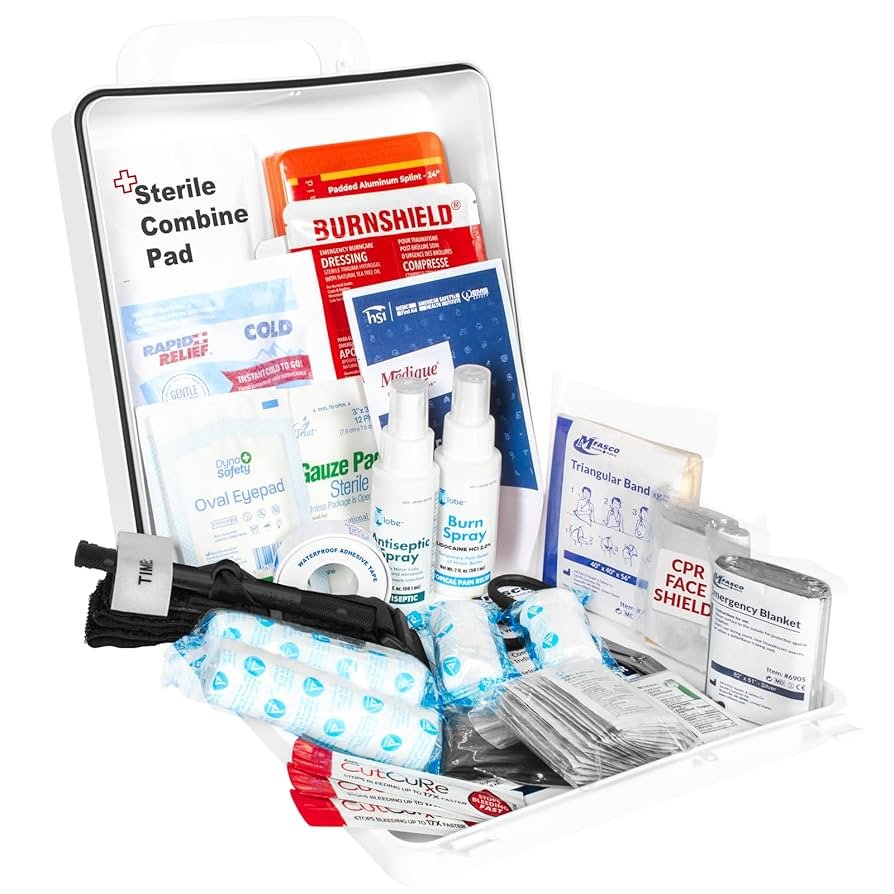
An OSHA approved first aid kit for vehicles must contain specific items. These items help provide quick medical care during emergencies. The kit’s components are designed to address common injuries and protect the user.
Understanding the key components helps ensure your kit meets safety standards. Each part plays a vital role in effective first aid response. Below are the essential elements that OSHA requires.
Basic Medical Supplies
- Adhesive bandages of various sizes
- Sterile gauze pads for wound coverage
- Adhesive tape to secure dressings
- Antiseptic wipes to clean wounds
- Elastic bandages for sprains or strains
- Scissors and tweezers for cutting and removing debris
Emergency Equipment
- CPR face shield or mask for safe resuscitation
- Instant cold packs to reduce swelling
- Emergency blanket to prevent shock and keep warm
- Eye wash solution for flushing out irritants
- Burn treatment supplies to soothe minor burns
Personal Protective Gear
- Disposable gloves to prevent infection
- Face masks to protect against airborne germs
- Protective eyewear to shield eyes from splashes
- Hand sanitizer for quick cleaning of hands
Choosing The Right First Aid Kit For Your Vehicle
Choosing the right first aid kit for your vehicle ensures safety during emergencies. It helps you respond quickly to injuries on the road. Not all kits fit every vehicle type or need. Consider several factors to pick the best kit.
Assessing Vehicle Needs
Think about the type of vehicle you drive. A small car needs a compact kit with basic supplies. Larger vehicles like trucks or RVs require kits with more items. Consider the kit’s size and storage space in your vehicle. Check for essential items like bandages, antiseptics, and gloves. Make sure the kit meets OSHA standards for quality and content.
Considering Passenger Capacity
Count the number of passengers usually in your vehicle. More passengers mean higher chances of injuries or health issues. Choose a kit that covers multiple people. Look for kits labeled for family use or group size. Extra supplies like burn cream and splints can be helpful. Keep the kit accessible to everyone in the vehicle.
Evaluating Environmental Factors
Think about the places you drive most. Urban areas may require different supplies than rural or off-road settings. Hot climates may need more water and cooling items. Cold climates call for warming packs and frostbite care. Include supplies for common local hazards like insect bites or allergies. Adjust your kit contents based on seasonal changes and travel routes.
Maintaining Your First Aid Kit
Keeping your OSHA approved first aid kit in good shape is essential. It ensures readiness for any emergency on the road. Regular care helps prevent surprises when you need the kit most.
Simple actions keep the kit useful and compliant with safety standards. Check the supplies often and replace items as needed. Adjust the kit to match changing seasons and travel conditions.
Regular Inspections
Check your first aid kit every month. Look for missing or damaged items. Make sure all supplies are clean and sealed. Confirm the kit is stored in an easy-to-reach spot in your vehicle. Regular checks help catch problems early.
Replacing Expired Items
Expired supplies lose their effectiveness. Review expiration dates on bandages, ointments, and medications. Replace any item past its date. Keep a list of items to buy next time. Fresh supplies provide the best care during emergencies.
Updating For Seasonal Changes
Adjust your kit to fit the season. In winter, include items like hand warmers or extra blankets. Summer kits might need sunscreen or insect repellent. Update your supplies based on weather and travel plans. Seasonal readiness improves safety on the road.
Training For Effective Use
Proper training is essential for using OSHA approved first aid kits in vehicles. Knowing the tools and how to apply them saves time and lives during emergencies. Training builds confidence and ensures quick, correct action.
First Aid Basics
Start with simple first aid skills. Learn how to clean and dress wounds properly. Understand how to stop bleeding and treat minor burns. Know when to call for professional help. These basics create a strong foundation for emergency care.
Emergency Response Techniques
Learn how to assess the scene safely before helping. Practice checking a person’s breathing and pulse. Understand how to perform CPR correctly. Know how to use items like bandages, gloves, and antiseptics from the first aid kit. These techniques improve response effectiveness.
Practicing Scenario Drills
Practice real-life emergency situations regularly. Simulate injuries such as cuts, burns, or choking. Role-playing helps remember steps and reduce panic. Group drills build teamwork and speed. Repetition makes responses automatic and more efficient.
Benefits Of Osha Approved Kits
OSHA approved first aid kits for vehicles offer key benefits that ensure safety and compliance. These kits meet strict federal standards designed for workplace emergencies. Their contents are reliable, organized, and ready to use in accidents or injuries on the road. Having an OSHA approved kit reduces response time during emergencies. This quick access can help prevent minor injuries from becoming serious. Each kit undergoes quality checks, ensuring all supplies are safe and effective.
Compliance With Safety Regulations
OSHA approved kits meet federal safety rules. They help businesses avoid fines and legal issues. Being compliant shows commitment to worker safety. It also builds trust with employees and customers.
Complete And Organized Supplies
These kits contain all essential items for common injuries. Bandages, antiseptics, gloves, and more come in one place. The organized layout helps find items quickly in emergencies. This saves valuable time during first aid treatment.
Durability And Portability
Vehicle first aid kits are made to last. They resist water, dust, and impact. Compact designs fit easily in cars, trucks, and vans. This portability ensures they are always within reach.
Easy To Use For Everyone
Instructions inside each kit guide users step-by-step. Clear labels and simple tools make first aid easier. Even non-medical people feel confident handling minor injuries. This accessibility improves overall safety on the road.
Encourages Quick Emergency Response
Having the right kit reduces hesitation during accidents. Immediate treatment lowers risks of infection and complications. Fast response can save lives and improve recovery times.

Credit: www.amazon.com
Frequently Asked Questions
What Items Are Included In Osha Approved Vehicle First Aid Kits?
OSHA approved kits contain bandages, antiseptics, gloves, scissors, and adhesive tape. They meet specific safety standards for workplace emergencies. These kits are compact and designed for quick access during vehicle incidents.
Why Are Osha Approved First Aid Kits Essential For Vehicles?
They ensure immediate treatment of injuries in accidents or emergencies. OSHA kits comply with legal safety requirements, reducing workplace liability. Having one improves safety and readiness on the road.
How Often Should Osha First Aid Kits Be Checked In Vehicles?
Check kits monthly to replace expired or used items. Regular inspections keep supplies fresh and ready for emergencies. Proper maintenance ensures compliance and effective first aid response.
Can Osha First Aid Kits Be Customized For Vehicle Needs?
Yes, kits can be tailored with additional supplies like burn cream or trauma pads. Customization depends on vehicle type and workplace hazards. Ensure modifications still meet OSHA standards.
Conclusion
Keeping an OSHA approved first aid kit in your vehicle is smart and safe. It helps you handle small injuries quickly on the road. These kits meet strict safety rules to give you the right tools. Everyone driving should have one ready and easy to reach.
Stay prepared for emergencies and protect yourself and others. Simple steps like this can make a big difference in tough situations. Don’t wait—make sure your vehicle’s first aid kit meets OSHA standards today. Safety starts with being ready.

I’m Abby Lu, a passionate home cook who loves simplifying everyday meals. At PlugChef.com, I share product reviews and cooking guides to help you find the best tools for your kitchen.
Related posts:
 What Type of Cooking Utensils are Safe: Expert Picks
 What Innovations Could Blenders Make: Unleashing Future Tech
 Smart Strategies to Organize a Small Kitchen: Maximize Space
 How to Organize a Kitchen Cabinet: Expert Tips & Tricks
 How to Organize Kitchen Drawers: Expert Tips and Tricks
 How to Organize a Corner Kitchen Cupboard: Expert Tips

