
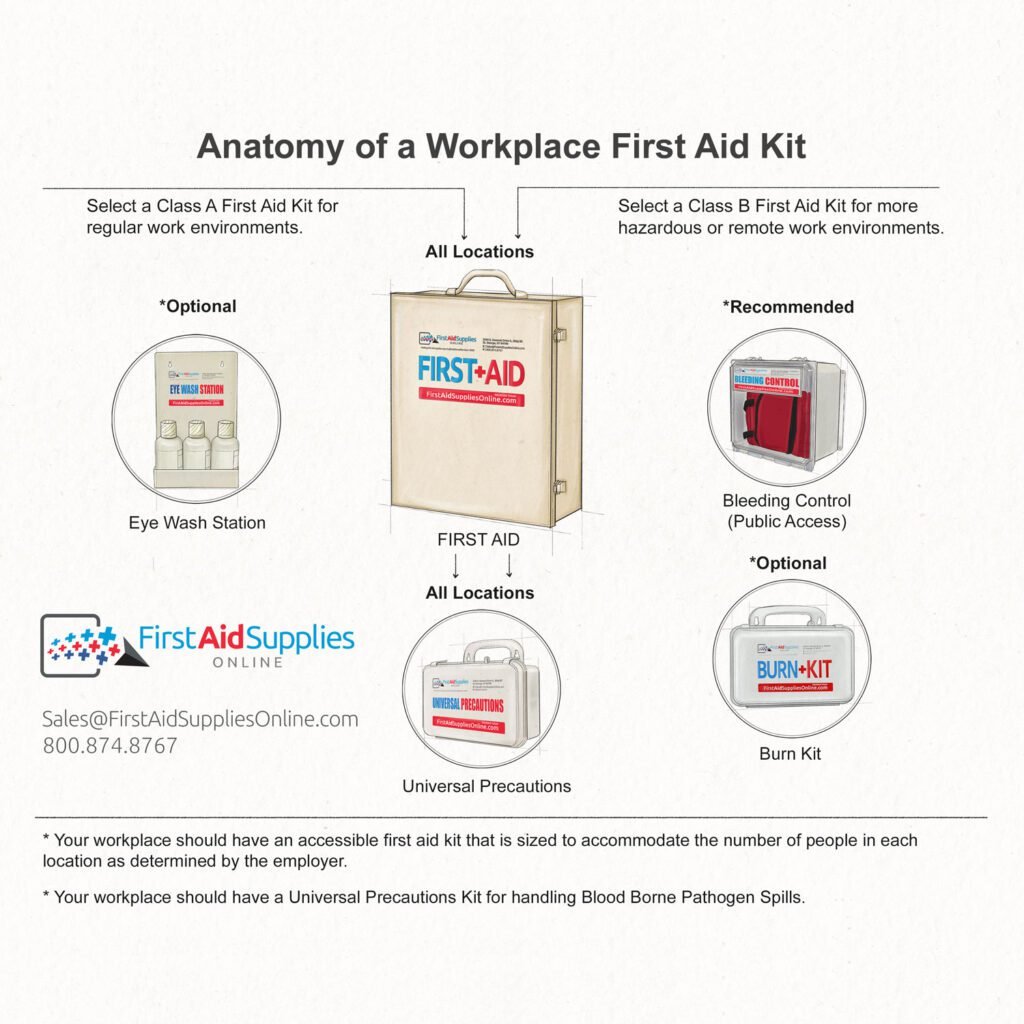
When it comes to keeping your workplace safe, having a proper first aid kit is not just a good idea—it’s a must. But do you know exactly what your first aid kit at work needs to have?
Missing crucial items can cost precious time and put your team at risk during an emergency. You’ll discover the essential requirements for a workplace first aid kit that meets safety standards and keeps everyone protected. Don’t wait until it’s too late—make sure your kit is ready to handle any situation.
Keep reading to find out what you absolutely need to include.

Credit: www.adamstarpntool.com
Legal Obligations
Understanding your legal obligations regarding first aid kits at work is crucial. These rules are not just about compliance—they ensure safety and readiness in emergencies. Knowing what the law requires helps you create a safer environment for everyone.
Regulations And Standards
Different countries and regions have specific laws about first aid provisions at the workplace. For example, the Occupational Safety and Health Administration (OSHA) in the U.S. sets clear standards for what must be included in a first aid kit. These regulations often dictate the minimum contents and the accessibility of the kits.
Beyond national laws, industry-specific standards may apply. Construction sites, factories, or offices might each require different first aid supplies based on the risks involved. Are you aware of the exact regulations that apply to your workplace? Checking this can prevent costly penalties and improve safety.
Employer Responsibilities
As an employer, you must ensure that first aid kits are adequately stocked and easily accessible at all times. This means regular checks and timely replenishment of supplies. Neglecting this duty can lead to serious consequences during emergencies.
Training your staff on how to use the first aid kit is equally important. A kit is only useful if people know how to act quickly and effectively. Have you provided clear instructions or training sessions to your team about first aid readiness?
Basic First Aid Kit Contents
A well-stocked first aid kit is essential for any workplace. Knowing exactly what to keep inside can save time and reduce panic during an emergency. Your kit should cover a range of common injuries, making it ready for unexpected situations.
Bandages And Dressings
Bandages and dressings form the backbone of a first aid kit. Include adhesive bandages in multiple sizes to cover small cuts and blisters quickly. Sterile gauze pads help control bleeding from larger wounds and keep them clean.
Don’t forget elastic bandages to support sprains or hold dressings in place. A triangular bandage is versatile—it can be used as a sling or to secure splints. Having a variety of these items ensures you’re prepared for different types of injuries.
Antiseptics And Ointments
Cleaning wounds properly prevents infection, so your kit must have antiseptics like alcohol wipes or antiseptic solutions. These help disinfect injuries before applying dressings. You can add antibiotic ointments to speed up healing and reduce the risk of infection.
Consider including burn creams or gels if your workplace involves heat or chemicals. These items might seem small, but they play a crucial role in proper wound care. Have you ever tried treating a cut without antiseptic? The difference in healing is noticeable.
Medical Tools And Equipment
Basic medical tools increase your first aid kit’s effectiveness. Tweezers come in handy for removing splinters or debris from wounds. Scissors are essential for cutting bandages or clothing when necessary.
Include disposable gloves to protect yourself and others from infections. A digital thermometer can help monitor fever in injured coworkers. Small tools like these often make the difference between a quick fix and a prolonged problem.
Specialized Items For Workplace Hazards
Workplaces have unique dangers that need special first aid supplies. A basic first aid kit may not cover all risks. Specialized items protect workers from specific injuries. These supplies help handle emergencies fast and correctly.
Each workplace should assess its hazards and equip first aid kits accordingly. This ensures readiness for any incident. Focus on chemical exposure, burns, and eye injuries. These are common workplace risks needing targeted care.
Chemical Exposure Supplies
Chemicals can cause serious harm to skin and eyes. First aid kits must include:
- Eye wash solutions to rinse chemicals from eyes
- Emergency showers for large chemical spills on the body
- Neutralizing agents specific to chemicals used at work
- Protective gloves to prevent further contact
- Absorbent pads to contain spills quickly
These supplies reduce injury severity and prevent long-term damage.
Burn Treatment Materials
Burns require quick and careful treatment. Include these in your kit:
- Burn dressings that cool and protect the wound
- Non-stick sterile pads to cover burns without pain
- Hydrogel packs to soothe and hydrate burn areas
- Scissors and tweezers for safe dressing application
Proper burn care lowers infection risk and speeds healing.
Eye Injury Solutions
Eye injuries can cause permanent damage. Equip kits with:
- Eye pads and shields to protect injured eyes
- Saline solution for gentle eye cleaning
- Disposable cups for eye irrigation
- Instructions for safe eye injury management
Immediate care preserves vision and reduces complications.
Personal Protective Equipment
Personal Protective Equipment (PPE) is a crucial part of any workplace first aid kit. It acts as a barrier between you and potential hazards during an emergency. Having the right PPE ready can protect you from infections and injuries while providing aid effectively.
Gloves And Masks
Gloves and masks are essential to prevent direct contact with blood, bodily fluids, or harmful substances. Nitrile or latex gloves offer good protection and come in different sizes to ensure a snug fit. Masks, especially surgical or N95 types, help reduce the risk of inhaling airborne pathogens.
Think about the last time you had to assist someone with a cut. Did you hesitate because you lacked gloves or a mask? Without them, you could expose yourself to infections like hepatitis or COVID-19. Always keep multiple pairs of gloves and a few masks in your first aid kit to cover different scenarios.
Protective Clothing
Protective clothing like aprons or gowns shields your body and clothes from contamination. These are particularly important in workplaces handling chemicals or biological materials. Lightweight, disposable options are convenient and prevent cross-contamination.
Ask yourself: could your clothing handle a sudden spill or splash during first aid? If not, adding protective gowns to your kit is a smart move. They help maintain hygiene and ensure you stay safe while helping others.
Training And Access
Ensuring your workplace first aid kit is effective involves more than just having the right supplies. Training and access play a crucial role in making sure that any emergency situation is handled quickly and correctly. Your team needs to know how to use the kit, and everyone must be able to reach it without delay.
Employee Training Programs
Regular training sessions help employees feel confident during emergencies. These programs should cover basic first aid skills like treating cuts, burns, and performing CPR.
Hands-on practice is key. When I attended a first aid workshop, it made me realize how much easier it is to act calmly when you’ve practiced before.
Think about your team’s schedule and find a time for training that won’t disrupt work. Also, refresher courses every six months keep skills sharp.
Easy Accessibility
A first aid kit is useless if it’s locked away or hard to find. Place kits in visible, commonly used areas like break rooms, near workstations, or reception.
Label the kit clearly and add signs pointing to its location. This saves precious seconds when someone needs help fast.
Consider the size of your workplace. Larger spaces might need multiple kits. Ask yourself: could someone unfamiliar with the area find the kit quickly?
Regular Maintenance And Inspection
Regular maintenance and inspection of your workplace first aid kit is essential to ensure it is always ready when you need it. Without routine checks, vital supplies may expire or run out, leaving you unprepared in an emergency. Taking a few moments to review your kit can make a significant difference in safety and response time.
Inventory Management
Keeping track of every item in your first aid kit helps you avoid surprises. You should create a checklist of supplies and update it regularly to identify what needs replenishing. This can be as simple as a printed list inside the kit, so anyone can quickly see what’s missing or running low.
Think about how often your team uses the kit. If you run a busy workshop, restocking might be needed more frequently than in a quiet office. Assigning someone responsible for this task ensures accountability and consistent upkeep.
Expiry Date Checks
Expired items like ointments, bandages, and medications lose their effectiveness and can even cause harm. Checking expiry dates should be a non-negotiable part of your inspection routine. Mark your calendar or set reminders to review these dates at least quarterly.
Have you ever grabbed a bandage only to find it dried out or a pain relief spray that no longer works? These small details matter when seconds count. Proper disposal of expired items and timely replacement maintains your kit’s reliability and safety.
Emergency Contact Information
Emergency contact information is vital in every workplace first aid kit. It ensures quick access to help during injuries or sudden health issues. Clear and updated contacts can save precious time and lives. This information must be easy to find and understand for all employees.
Local Emergency Services
Include phone numbers for local emergency services in the first aid kit. This typically covers:
- Fire department
- Police
- Ambulance or medical emergency
These numbers differ by area. Check and update them regularly. Having local contacts ready helps responders arrive faster.
Company Contact Protocols
List internal contacts who must be informed during an emergency. Include:
- Immediate supervisor
- Safety officer or first aid coordinator
- Human resources or emergency response team
Specify how to notify each contact. Use clear instructions for phone calls or messages. This keeps communication organized and efficient during a crisis.

Credit: www.instagram.com

Credit: www.firstresponsefirstaid.co.uk
Frequently Asked Questions
What Are The Essential Items In A Work First Aid Kit?
A work first aid kit must include bandages, antiseptic wipes, adhesive tape, scissors, gloves, and burn dressings. These items handle common injuries and prevent infection effectively.
How Often Should Workplace First Aid Kits Be Checked?
Workplace first aid kits should be inspected monthly. Regular checks ensure supplies are stocked and items are within expiration dates for readiness during emergencies.
Who Is Responsible For Maintaining The First Aid Kit At Work?
Employers are responsible for maintaining the workplace first aid kit. They must ensure kits are accessible, fully stocked, and meet legal safety requirements.
Are There Legal Requirements For First Aid Kits At Work?
Yes, many countries mandate specific first aid kit contents and placement. Compliance ensures workplace safety and meets occupational health regulations.
Conclusion
A well-stocked first aid kit keeps everyone safe at work. It helps treat minor injuries quickly and prevents bigger problems. Knowing what to include meets legal rules and protects your team. Check the kit often to replace used or expired items.
Train staff to use the kit correctly for best results. A simple step that makes a big difference in emergencies. Safety starts with being prepared and ready to act.

I’m Abby Lu, a passionate home cook who loves simplifying everyday meals. At PlugChef.com, I share product reviews and cooking guides to help you find the best tools for your kitchen.
Related posts:
 What Type of Cooking Utensils are Safe: Expert Picks
 What Innovations Could Blenders Make: Unleashing Future Tech
 Smart Strategies to Organize a Small Kitchen: Maximize Space
 How to Organize a Kitchen Cabinet: Expert Tips & Tricks
 How to Organize Kitchen Drawers: Expert Tips and Tricks
 How to Organize a Corner Kitchen Cupboard: Expert Tips

