
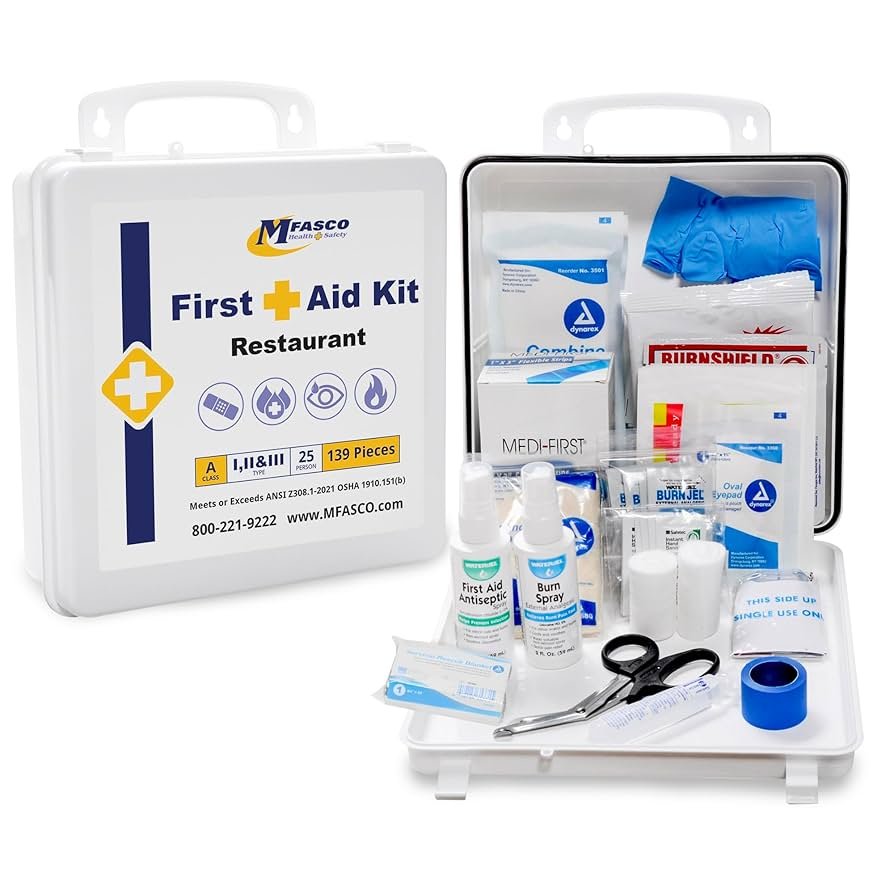
Imagine a busy day at your restaurant when suddenly, someone gets a cut or a burn. What do you do next?
Having a well-stocked first aid kit for your restaurant isn’t just a good idea—it’s essential. You want to be ready to handle accidents quickly and keep your staff and customers safe. You’ll discover exactly what your first aid kit needs and how it can protect your business when unexpected injuries happen.
Keep reading to make sure you’re prepared for anything.
Importance Of Safety In Restaurants
Safety in restaurants isn’t just a box to check; it’s the foundation that keeps your business running smoothly and your reputation intact. A well-prepared first aid kit plays a crucial role in this. You never know when a small injury could escalate without proper care nearby.
Protecting Employees And Customers
Your staff and customers are the heart of your restaurant. Injuries like cuts, burns, or slips can happen anytime in a busy kitchen or dining area. Having a first aid kit ready means you can treat minor injuries immediately, preventing them from turning into bigger problems.
Imagine a cook slicing their finger during a rush hour. If you have the right supplies on hand, you can stop the bleeding fast and get them back to work safely. This quick response not only helps the injured person but also keeps the workflow steady and customers happy.
Compliance With Health Regulations
Health regulations often require restaurants to maintain a first aid kit on the premises. Failing to comply can lead to fines or even temporary closures, which hurt your business and your credibility. But beyond legal reasons, having these kits shows you care about safety.
Regularly checking and restocking your first aid supplies ensures you meet these standards consistently. Are you confident your current kit is up to date and fully equipped? This simple step can save you from unexpected troubles during inspections.

Credit: www.amazon.com
Basic Components Of A First Aid Kit
A well-stocked first aid kit is vital in any restaurant. It helps handle minor injuries quickly and safely. Knowing the basic components ensures the kit is ready for any small emergency. These components focus on stopping bleeding, preventing infection, and protecting wounds.
Bandages And Dressings
Bandages and dressings protect cuts and scrapes. They stop bleeding and keep dirt out. Common items include:
- Adhesive bandages (various sizes)
- Sterile gauze pads
- Elastic bandages
- Non-stick dressings
- Medical tape
These items help cover wounds and reduce the risk of infection. Elastic bandages also support sprains and strains.
Antiseptics And Disinfectants
Antiseptics clean wounds and kill germs. Using them lowers the chance of infection. Common antiseptics include:
- Alcohol wipes
- Hydrogen peroxide
- Antiseptic creams or ointments
- Iodine solution
Disinfectants clean the skin or surfaces before treatment. They keep the first aid process safe and hygienic. These supplies are essential for restaurant safety.
Specialized Equipment For Kitchens
Kitchens in restaurants are busy places where accidents can happen quickly. Having the right first aid kit with specialized equipment is crucial for handling common kitchen injuries. You need supplies that can address burns, cuts, and other injuries specific to food preparation areas.
Burn Treatment Supplies
Burns are one of the most frequent injuries in a restaurant kitchen. Your first aid kit should include burn dressings that cool and protect the skin immediately. Look for items like hydrogel burn pads and sterile gauze to cover burns without sticking to the wound.
Cool running water is often the first step in treating burns, but having specialized burn dressings speeds up relief and reduces pain. Aloe vera gel or burn relief spray can also soothe the skin and prevent infections. Remember, not all burns require a hospital visit—proper on-site treatment can make a big difference.
Cut And Laceration Care
Sharp knives and slicers increase the risk of cuts in your kitchen. Your first aid kit must include antiseptic wipes, sterile adhesive bandages, and butterfly closures for small to medium cuts. These supplies help stop bleeding quickly and protect the wound from dirt and germs.
For deeper cuts, sterile gauze pads and medical tape are essential to control bleeding before professional care is available. Having disposable gloves in the kit ensures you can treat wounds hygienically. How prepared are you to handle a sudden cut during a busy dinner rush?

Credit: www.ebay.com
Emergency Response Tools
Emergency response tools are vital in any restaurant first aid kit. These tools help staff act quickly during medical emergencies. Fast action can save lives and reduce injury severity.
Having the right equipment on hand means the team can provide immediate care. This readiness improves safety for both employees and customers. Restaurants should include essential emergency tools to handle serious situations effectively.
Cpr Masks And Gloves
CPR masks protect rescuers during mouth-to-mouth resuscitation. They create a barrier to reduce infection risk. Gloves protect hands from blood and body fluids. Both items ensure hygiene and safety during CPR.
CPR masks are easy to use and should be accessible. Gloves should be disposable and available in various sizes. These tools give confidence to responders and improve the chance of survival.
Defibrillators
Defibrillators restore normal heart rhythm after cardiac arrest. Automated External Defibrillators (AEDs) are simple to operate. They provide clear voice instructions for users.
Having an AED in a restaurant can save lives. Quick use within minutes increases survival rates greatly. Staff should know AED location and basic operation steps. Regular maintenance ensures the device works when needed.
Training And Preparedness
Training and preparedness form the backbone of an effective first aid response in any restaurant. It’s not enough to have a well-stocked first aid kit; your team must know how to use it swiftly and correctly. This ensures that when an accident happens, the impact can be minimized, and your staff and customers stay safe.
Staff Training Programs
Investing in staff training programs equips your team with the knowledge and confidence to handle emergencies. These programs should cover basic first aid skills, such as treating burns, cuts, and choking incidents—common in busy kitchens.
Interactive sessions work best. When I attended a hands-on workshop, I realized how easy it is to forget theory without practice. Role-playing scenarios help staff remember steps clearly and act without hesitation.
Consider regular refresher courses too. Skills can fade, and staying updated with the latest guidelines keeps your team ready. Ask yourself: does every team member know where the first aid kit is and how to use each item?
Regular Safety Drills
Regular safety drills keep preparedness alive and visible. Scheduling monthly or quarterly drills lets your staff practice real-time responses without panic. It also highlights any gaps in your current first aid setup or training.
During drills, simulate common restaurant injuries like slipping or cuts from sharp tools. This hands-on experience builds muscle memory, so your team reacts quickly when it counts. You might be surprised how drills improve communication and calmness during actual emergencies.
Tracking drill outcomes helps you improve your safety protocols over time. Are your drills too theoretical? Are staff hesitant or confused? Use these insights to adjust your training focus. Would you feel confident stepping in if a colleague needed immediate help?

Credit: www.amazon.com
Maintaining And Updating Kits
Maintaining and updating a first aid kit in a restaurant ensures it is ready for any emergency. Regular care keeps supplies fresh and usable. This practice helps protect staff and guests effectively.
Regular Inventory Checks
Performing regular inventory checks is essential. Inspect the kit at least once a month. Check for missing items, expired products, and damaged supplies. Create a checklist to track each item quickly. Assign a responsible staff member to manage this task. Keep a log of inspection dates and notes. This habit prevents surprises during emergencies.
Replenishing Supplies
Replace used or expired items immediately. Stock up on essentials like bandages, antiseptics, and gloves. Buy quality supplies that meet safety standards. Store extras nearby for quick restocking. Check expiration dates before purchasing. Proper storage prevents damage and contamination. A fully stocked kit ensures prompt response to injuries.
Choosing The Right Kit For Your Restaurant
Choosing the right first aid kit for your restaurant is crucial for ensuring quick and effective responses to injuries or emergencies. Every restaurant faces unique challenges based on its size, menu, and daily activities. Understanding these factors helps you select a kit that truly supports your staff and customers when accidents happen.
Assessing Risk Factors
Start by identifying the most common risks in your restaurant. Are there many sharp knives and hot surfaces? Or does your kitchen involve heavy lifting and slippery floors? Pinpointing these dangers helps you focus on the supplies that will be most useful.
Think about past incidents or near misses. Have employees experienced burns, cuts, or slips more frequently? This insight guides you to include items like burn dressings, antiseptics, or bandages tailored to those injuries.
Customizing For Specific Needs
Generic first aid kits might not cover every emergency your restaurant could face. Customize your kit by adding items suited to your specific environment. For example, a seafood restaurant might benefit from allergy kits to handle reactions quickly.
Consider the size of your team and how many people your kit should support. Larger restaurants might need multiple kits placed in various locations, each stocked with enough supplies to assist several injured individuals at once.
Don’t forget to check local health and safety regulations. Some regions require specific first aid equipment in food service settings. Meeting these rules keeps your restaurant compliant and ready for inspections.
Frequently Asked Questions
What Items Are Essential In A Restaurant First Aid Kit?
A restaurant first aid kit must include bandages, antiseptic wipes, gloves, burn cream, scissors, and adhesive tape. These items help treat cuts, burns, and minor injuries quickly on-site.
How Often Should A Restaurant First Aid Kit Be Checked?
Check your restaurant’s first aid kit monthly to ensure supplies are complete and not expired. Replace used or outdated items immediately to maintain readiness for emergencies.
Where Should The First Aid Kit Be Located In A Restaurant?
Place the first aid kit in a visible, easily accessible area for all staff. Common locations include the kitchen, near food preparation areas, and the staff break room.
Who Should Be Trained To Use The Restaurant First Aid Kit?
All staff members should receive basic first aid training, focusing on common restaurant injuries. This ensures quick and effective response to accidents, improving workplace safety.
Conclusion
A well-stocked first aid kit keeps restaurant staff and guests safe. Quick access to supplies helps handle small injuries fast. Regularly checking and updating the kit avoids missing important items. Training employees on basic first aid boosts confidence during emergencies.
Safety in a restaurant is a shared responsibility. A simple kit can prevent bigger problems. Stay prepared and protect everyone around you.

I’m Abby Lu, a passionate home cook who loves simplifying everyday meals. At PlugChef.com, I share product reviews and cooking guides to help you find the best tools for your kitchen.
Related posts:
 What Type of Cooking Utensils are Safe: Expert Picks
 What Innovations Could Blenders Make: Unleashing Future Tech
 Smart Strategies to Organize a Small Kitchen: Maximize Space
 How to Organize a Kitchen Cabinet: Expert Tips & Tricks
 How to Organize Kitchen Drawers: Expert Tips and Tricks
 How to Organize a Corner Kitchen Cupboard: Expert Tips

