
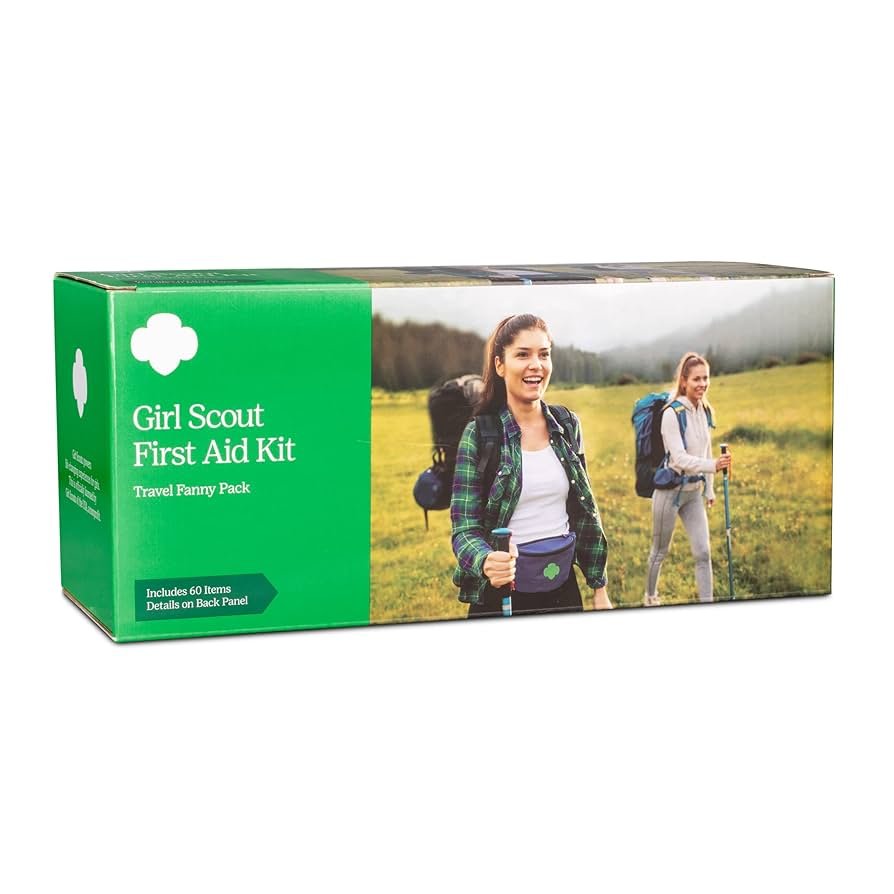
When your Girl Scout heads out on adventures, having a reliable first aid kit isn’t just smart—it’s essential. You want to be sure she’s ready to handle little bumps, scrapes, or surprises that come her way.
But what exactly should go into a Girl Scout first aid kit to keep her safe and prepared? In this post, you’ll discover everything you need to build a kit that’s perfect for your Girl Scout’s needs. Keep reading, and you’ll feel confident knowing your Girl Scout is ready for anything.

Credit: www.ebay.com
Importance Of First Aid Kits
First aid kits are essential for safety in any outdoor activity. For Girl Scouts, having a first aid kit means being ready for small injuries or emergencies. It teaches responsibility and care for oneself and others. Every troop outing or camp should include a well-stocked first aid kit to ensure peace of mind and quick help.
Why Every Scout Needs One
Accidents can happen anytime during activities. A first aid kit allows quick action to treat cuts, scrapes, or insect bites. Scouts learn how to use the items properly, which builds confidence. It also helps prevent minor injuries from becoming serious. Carrying a first aid kit shows readiness and maturity in young scouts.
Benefits Of Being Prepared
- Immediate care reduces pain and risk of infection
- Boosts confidence in handling emergencies
- Encourages teamwork and leadership among scouts
- Supports learning basic health and safety skills
- Provides peace of mind for leaders and parents
Being prepared with a first aid kit helps scouts stay safe and focused on fun. It supports a positive experience while teaching valuable life skills. Safety and readiness go hand in hand on every adventure.
Essential Items In A Scout First Aid Kit
Having a well-stocked Girl Scout First Aid Kit is crucial for handling minor injuries and unexpected emergencies during your adventures. Knowing exactly what to include ensures you’re prepared without carrying unnecessary weight. Let’s break down the essential items your kit should have to keep every scout safe and confident.
Basic Medical Supplies
Your first aid kit should always contain the basics to treat cuts, scrapes, and minor burns. Include adhesive bandages in various sizes, sterile gauze pads, and adhesive tape to secure dressings.
Antiseptic wipes or solutions help prevent infections. Don’t forget antibiotic ointment to apply on wounds for faster healing.
Adding a pair of disposable gloves protects both the injured person and the helper from germs. These simple supplies can make a big difference in managing everyday injuries.
Emergency Tools
Besides medical supplies, your kit needs tools that assist in emergencies. A pair of small scissors helps cut tape or clothing if needed.
Tweezers are essential for removing splinters or debris safely. Also, include a CPR face shield or mask to provide safe resuscitation if required.
Other useful tools are a small flashlight with extra batteries and a whistle to signal for help. These items prepare you for unexpected situations beyond basic injuries.
Personalized Items
Every scout has unique needs, so customize your kit accordingly. If anyone has allergies, include antihistamines or an epinephrine auto-injector, and make sure everyone knows how to use them.
Personal medications like inhalers or pain relievers should be part of the kit. Adding a small notebook with emergency contacts and medical information can save critical time in a crisis.
Think about your specific scouting activities and environment—your kit should reflect those needs to keep you ready for anything.
Building A Comprehensive First Aid Kit
Building a comprehensive first aid kit for Girl Scouts means preparing for any small emergency that might happen during outdoor adventures or meetings. A well-stocked kit gives you confidence and peace of mind, knowing that you can handle cuts, scrapes, or minor injuries quickly and effectively. It’s not just about adding supplies; it’s about choosing the right items and keeping them organized so you can find what you need fast.
Choosing The Right Container
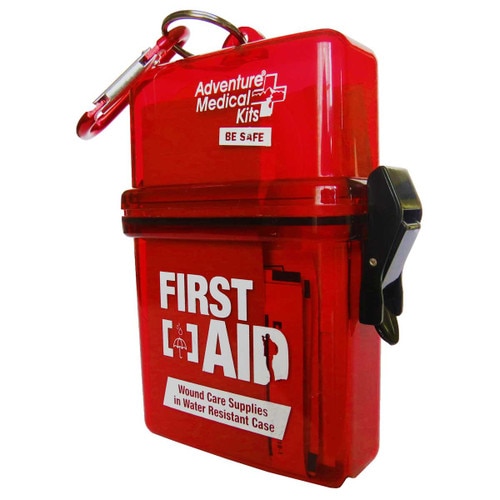
The container you pick sets the foundation for your first aid kit. It should be sturdy, waterproof, and easy to carry. Think about the activities your Girl Scouts will do—will the kit stay in a backpack, a campsite, or a car?
Look for containers with compartments or sections. This helps separate items and prevents everything from turning into a jumbled mess. I once used a simple plastic box, but switching to a zippered pouch with internal pockets made a big difference in how quickly I could find bandages or antiseptic wipes.
Also, consider size and weight. Too big, and it becomes a burden; too small, and you might leave out essentials. What’s the perfect balance for your troop’s needs?
Organizing Your Supplies
Once you have your container, organize your supplies by categories like wound care, medications, and tools. This makes it easier to grab the right item without wasting time.
- Wound care:adhesive bandages, gauze pads, antiseptic wipes, antibiotic ointment
- Medications:pain relievers, allergy medicine, any specific prescriptions
- Tools:tweezers, scissors, gloves, CPR mask
Labeling compartments or using small zip bags helps keep things tidy and quick to access. You might even include a checklist inside the kit to track what’s inside and when items need replacing.
Ask yourself: How would you react if you had only 30 seconds to find a bandage? Organizing your kit with speed in mind can make a real difference in an emergency.
Credit: www.girlscoutshop.com
Safety Tips For Scouts
Safety is the foundation of every great scouting adventure. Knowing how to handle minor injuries and avoid accidents can make your time outdoors more enjoyable and less stressful. Here are some essential safety tips for scouts that will help you stay prepared and confident during your activities.
Recognizing Common Injuries
Knowing the signs of common injuries can help you act quickly and prevent further harm. Cuts and scrapes often look minor but can become infected if not cleaned properly. Watch for redness, swelling, or warmth around the wound—these are signs you need to take extra care.
Sprains and strains usually cause pain, swelling, and difficulty moving the affected area. If you notice bruising or hear a popping sound during an injury, it’s important to rest the area and seek help. Heat exhaustion is another concern; feeling dizzy, thirsty, or nauseous during outdoor activities means you should rest and hydrate immediately.
Steps To Prevent Accidents
Prevention starts with awareness and preparation. Always check your surroundings before starting any activity—look out for uneven ground, sharp objects, or slippery surfaces. Wearing proper footwear and clothing suited to the weather can reduce your risk of injury.
- Keep your first aid kit accessible and stocked with essentials like bandages, antiseptic wipes, and pain relievers.
- Communicate clearly with your team about potential hazards and safety rules.
- Take breaks to avoid exhaustion, especially in hot weather or during long hikes.
Have you ever rushed into a fun activity without thinking about the risks? Taking a moment to assess your environment and gear can save you from a painful accident. What safety check will you add to your next adventure?
Training And Education
Training and education are the backbone of any effective Girl Scout First Aid Kit program. They ensure that every scout not only has access to essential supplies but also knows how to use them confidently. This knowledge builds readiness and calmness in emergency situations.
First Aid Training Courses
First aid courses designed for Girl Scouts focus on practical skills tailored to their age and environment. These courses cover basics like treating cuts, burns, insect bites, and recognizing signs of more serious conditions. Many programs include hands-on practice, which helps scouts remember what to do when it really counts.
You might be surprised how quickly scouts pick up lifesaving techniques once they get hands-on experience. Some courses also teach how to call for help and communicate effectively during emergencies, which is just as important as the physical care.
Empowering Scouts With Knowledge
Empowerment comes from understanding, not just memorizing steps. When you teach scouts why each first aid item is included in their kit, they become more confident using them. This approach encourages them to take responsibility for their own safety and the safety of others.
Have you ever noticed how a scout who understands their first aid kit feels more secure during outdoor activities? Sharing real-life stories about how first aid helped in past situations can make the training more relatable and meaningful for them.
Encourage scouts to ask questions and practice scenarios. This active participation turns passive knowledge into lifelong skills.
Maintaining Your First Aid Kit
Keeping your Girl Scout First Aid Kit in top shape ensures you’re always ready for any little emergency during meetings, hikes, or camping trips. A well-maintained kit means you won’t waste precious time searching for supplies or discovering that essential items are missing or unusable. Let’s look at how to keep your kit reliable and up to date.
Regular Checks And Updates
Set a schedule to check your first aid kit every month or after each outing. Look through every item, making sure nothing is damaged or missing. You might find that bandages have gotten soggy or ointments have dried out—these won’t help when you need them most.
Think about the specific activities your troop does. Do you often hike on rough trails? You may want to add extra blister pads. If you notice your kit has grown dusty or cluttered, take a moment to reorganize. A neat kit saves time and stress.
Replacing Expired Items
Expiration dates aren’t just suggestions—they matter. Using expired antiseptic wipes or creams can reduce their effectiveness and even cause infections. Make it a habit to replace expired items immediately.
Keep a small log or checklist of your supplies with their purchase or expiration dates. This way, you won’t have to guess what’s still good. Have you ever reached for something in your kit only to realize it was past its prime? Avoid that frustration by staying ahead of expiration dates.
Emergency Situations And Response
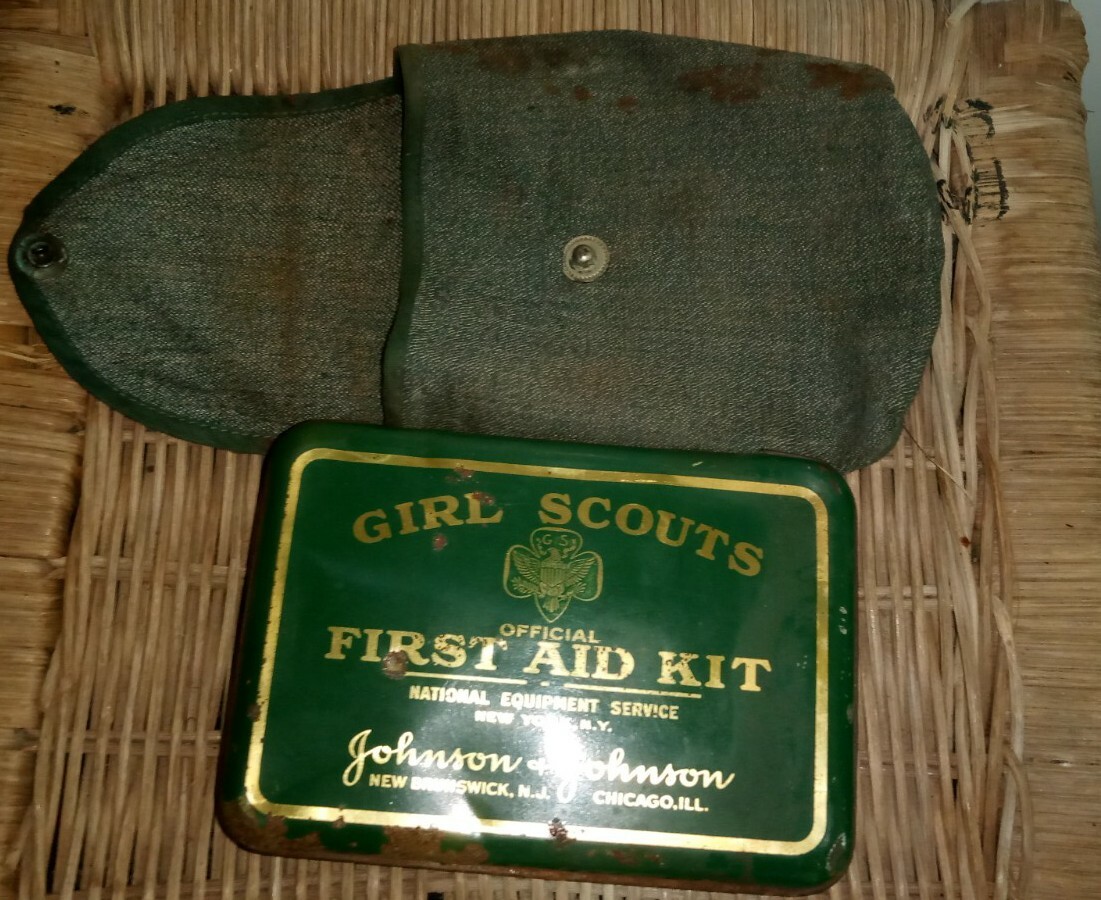
Emergencies can happen anytime during Girl Scout activities. Being ready to respond quickly is important. A well-stocked first aid kit helps handle many common injuries and emergencies. Knowing how to use the kit and when to seek help keeps everyone safe.
Handling Urgent Situations
Stay calm and check the scene for safety before acting. Use the first aid kit to treat small cuts, scrapes, or bruises. Clean wounds with antiseptic wipes and cover them with bandages. Apply pressure to stop bleeding. For burns, cool the area with clean water. Keep the injured person comfortable and still.
Use gloves from the kit to avoid infection. Watch for signs of shock such as pale skin or dizziness. Keep the person warm and elevate their legs if possible. Never give food or drink to someone who is unconscious or very hurt.
When To Seek Professional Help
Call for medical help if the injury is deep or bleeding does not stop. Seek help for head injuries, broken bones, or severe burns. If the person has trouble breathing or shows signs of allergic reaction, get emergency services immediately.
Do not hesitate to call 911 if you feel unsure about the injury. Professional help can prevent complications and save lives. Always share clear details about the injury and the care already given when help arrives.
Credit: www.ebay.com
Frequently Asked Questions
What Essential Items Are In A Girl Scout First Aid Kit?
A Girl Scout first aid kit includes bandages, antiseptic wipes, adhesive tape, scissors, tweezers, gloves, and pain relievers. These items help treat minor cuts, scrapes, and injuries during outdoor activities. It ensures safety and quick response in emergencies.
How To Properly Use A Girl Scout First Aid Kit?
Use the kit by first washing your hands or wearing gloves. Clean wounds with antiseptic wipes, apply bandages securely, and use pain relievers if needed. Always follow safety instructions and replace used items promptly to keep the kit ready for future use.
Why Is A First Aid Kit Important For Girl Scouts?
A first aid kit ensures immediate care for minor injuries, preventing infections and complications. It promotes safety during camping, hiking, and activities. Being prepared boosts confidence and helps Scouts handle emergencies calmly and effectively.
How Often Should A Girl Scout First Aid Kit Be Checked?
Check the first aid kit before and after every trip or activity. Replace expired or used items promptly. Regular checks ensure the kit is fully stocked, clean, and ready for any emergency situation.
Conclusion
A Girl Scout First Aid Kit keeps everyone safe and ready. It helps treat small cuts, scrapes, and bumps fast. Carrying one shows responsibility and care for friends. Check the kit often to keep supplies fresh. Teach Scouts how to use the items inside.
Being prepared builds confidence and peace of mind. A simple kit can make a big difference outdoors. Safety matters, especially during adventures and activities. Keep your Girl Scout First Aid Kit close at hand. Safety first, fun always.

I’m Abby Lu, a passionate home cook who loves simplifying everyday meals. At PlugChef.com, I share product reviews and cooking guides to help you find the best tools for your kitchen.
Related posts:
 What Type of Cooking Utensils are Safe: Expert Picks
 What Innovations Could Blenders Make: Unleashing Future Tech
 Smart Strategies to Organize a Small Kitchen: Maximize Space
 How to Organize a Kitchen Cabinet: Expert Tips & Tricks
 How to Organize Kitchen Drawers: Expert Tips and Tricks
 How to Organize a Corner Kitchen Cupboard: Expert Tips

