
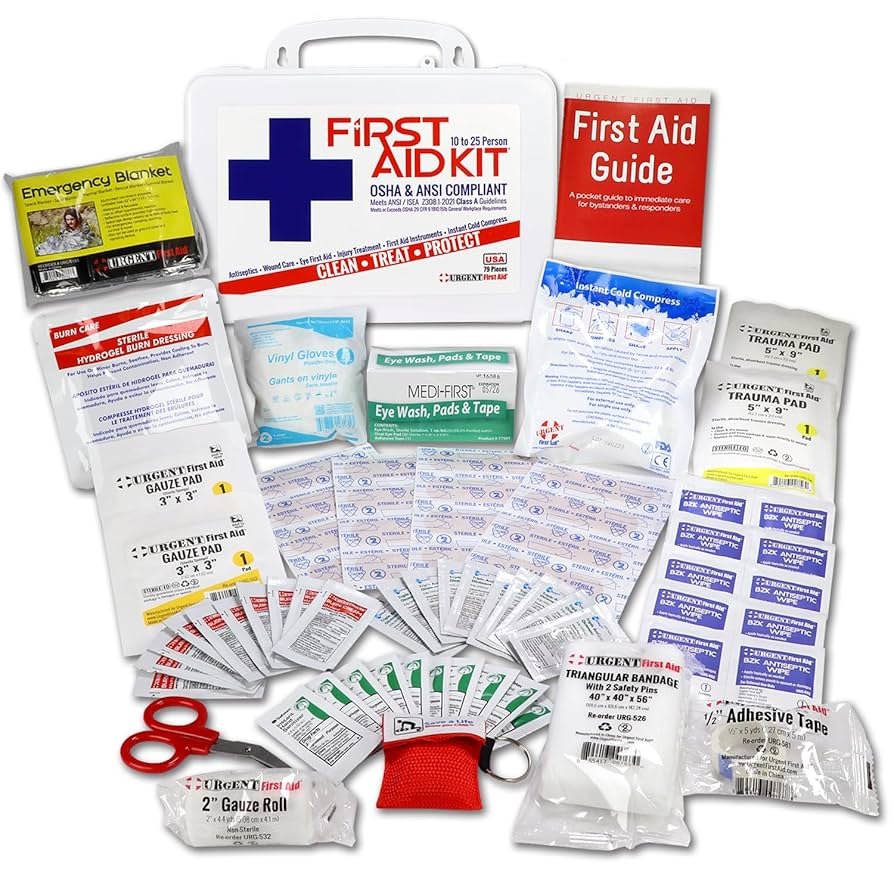
When it comes to workplace safety, having the right first aid kit isn’t just helpful—it’s required. But do you know exactly what OSHA says about first aid kit requirements?
Making sure your kit meets these standards can protect your employees and keep you compliant with the law. You’ll discover what items your first aid kit must include, why these rules matter, and how to keep your workplace ready for any emergency.
Keep reading to make sure your first aid kit is up to OSHA’s standards and truly ready when you need it most.
Credit: www.mfasco.com
Osha First Aid Kit Standards
OSHA requires workplaces to have first aid kits that meet specific standards for safety. Kits must include essential supplies and be easily accessible to employees. Regular checks ensure the kit stays stocked and ready for emergencies.
When it comes to ensuring workplace safety, having a compliant first aid kit is not just a recommendation—it’s a requirement. The Occupational Safety and Health Administration (OSHA) has established specific standards to guide you in creating a first aid kit that meets safety regulations. These standards are designed to ensure that workers have immediate access to essential medical supplies in case of an emergency. But what exactly do these standards entail? Let’s dive into the specifics.Osha Regulations For Workplaces
OSHA mandates that all workplaces must be equipped with first aid supplies readily available to employees. The regulations vary depending on the type of workplace and its risks. For instance, a construction site might have different requirements than an office setting. You need to assess the hazards specific to your workplace. OSHA does not dictate the exact contents of the first aid kit, but it requires that supplies be suitable for the types of injuries likely to occur.Mandatory Kit Components
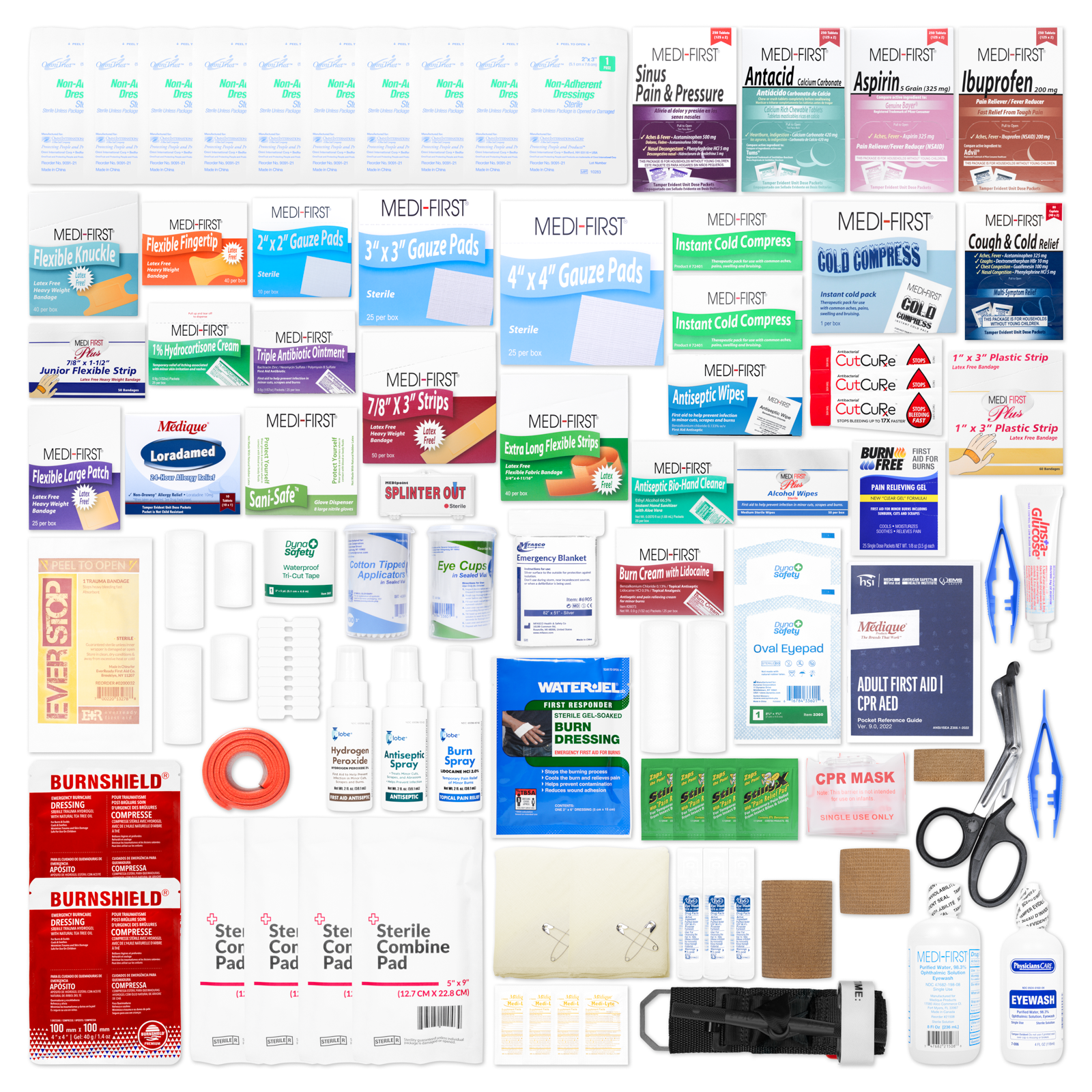
While OSHA gives you some flexibility, certain components are essential. Your first aid kit should include bandages, antiseptics, and scissors. You might also need burn ointments or eye wash solutions, especially in environments where such injuries are possible. Consider adding supplies like a CPR mask or splints for more severe injuries. Do you have everything necessary for common workplace injuries?Kit Size And Accessibility
Size matters, especially when it comes to the accessibility of your first aid kit. OSHA standards require kits to be easily accessible, meaning they should not be locked away or placed in areas that are hard to reach. The size of your kit should match the scale of your operation. A small office might need just one kit, while a large factory could require several strategically placed kits. Have you ensured that your kit is both adequately stocked and accessible? By understanding and implementing these OSHA standards, you not only comply with regulations but also enhance the safety and well-being of your employees. Make sure your first aid kit is up to par. Would your kit pass an OSHA inspection today?
Credit: www.amazon.com
Essential First Aid Supplies
Essential first aid supplies must be ready to handle common workplace injuries. OSHA requires these items to ensure quick and effective care. A well-stocked first aid kit can reduce the severity of injuries and save lives. Understanding what supplies are essential helps maintain safety and compliance.
Basic Medical Items
- Adhesive bandages of various sizes
- Sterile gauze pads for cuts and scrapes
- Antiseptic wipes to clean wounds
- Medical tape to secure dressings
- Disposable gloves to prevent infection
Wound Care Materials
- Sterile dressings for larger wounds
- Elastic bandages to support sprains
- Antibiotic ointment to prevent infection
- Scissors and tweezers for wound cleaning
- Cold packs to reduce swelling
Burn Treatment Supplies
- Burn dressings or gel packs
- Non-stick sterile pads for burn coverage
- Hydrogel dressings to soothe burns
- Cool water bottles for initial burn care
Cpr And Emergency Tools
- CPR face shields or masks
- Emergency thermal blankets
- Instant cold packs
- Rescue breathing masks
- First aid manual for quick reference
Customizing Kits For Workplace Risks
Customizing your first aid kit to match the specific risks of your workplace is essential for effective emergency response. A one-size-fits-all approach can leave critical gaps in preparedness, especially when hazards vary widely across industries and environments. Taking time to tailor your kit means you’re ready for the unique injuries or situations your team might face.
Industry-specific Needs
Different industries have unique hazards that demand specialized first aid supplies. For example, construction sites might need burn dressings and trauma shears, while office settings focus more on basic cuts and strains. Think about the common accidents in your field and add items that address those directly.
If your workplace handles chemicals, including eyewash solutions is a must. Food service environments benefit from allergy kits and antiseptics. Are you sure your current kit covers the main risks your workers face every day?
High-risk Environment Considerations
Environments like manufacturing plants or laboratories carry higher chances of severe injuries. In these settings, your kit should include advanced supplies such as trauma dressings, tourniquets, and CPR masks. Don’t overlook training either—proper knowledge on how to use these items is just as important.
Consider the physical layout too. Large or remote worksites may require multiple kits placed strategically. How quickly can help reach an injured person in your workspace?
Seasonal And Location Factors
Your first aid kit needs to change with the seasons and location-specific risks. In colder months, frostbite treatments and warming packs might be necessary. Conversely, summer brings risks like heat exhaustion, so electrolyte solutions and cooling packs become important.
Outdoor locations near water or wildlife may require snake bite kits or insect sting remedies. Have you reviewed your kit after seasonal changes or relocation to ensure it still fits your needs?

Credit: emergentsafety.wordpress.com
Kit Maintenance And Inspection
Keeping a first aid kit ready and reliable is essential for workplace safety. Regular maintenance and inspection ensure the kit meets OSHA requirements. This process helps spot missing or expired items early. Proper upkeep makes emergency response faster and more effective.
Regular Inventory Checks
Check the contents of the first aid kit often. Count each item and compare it with the OSHA list. Look for any damage or contamination. Make sure everything is clean and usable. Set a schedule for checks, such as monthly or quarterly.
Replacing Used Or Expired Items
Remove any items that are used or past their expiration date. Replace them with new supplies immediately. Keep the kit stocked with fresh bandages, antiseptics, and medications. This avoids delays during emergencies and keeps the kit compliant.
Record Keeping And Compliance
Maintain a log of all inspections and replacements. Record the date, items checked, and actions taken. This documentation proves compliance during OSHA audits. Store records in an accessible place for quick reference. Good record keeping helps track kit condition over time.
Training Employees On First Aid
Training employees on first aid is a crucial part of workplace safety. It ensures that when an injury or emergency occurs, your team can respond quickly and effectively. Proper training not only saves lives but also reduces the severity of workplace accidents.
Basic First Aid Skills
Employees should learn essential first aid skills like treating cuts, burns, and sprains. Knowing how to perform CPR and handle choking incidents can make a huge difference in emergencies. Training sessions should include hands-on practice to build confidence and competence.
Think about how prepared you would feel if a coworker suddenly needed help. Would you know what to do immediately? Practical training helps turn that uncertainty into action.
Using The First Aid Kit
Understanding the contents of the first aid kit is as important as knowing first aid techniques. Employees must be trained to quickly find and correctly use supplies like bandages, antiseptics, and gloves.
Clear labeling and organized kits make this easier. You can even create quick reference guides or posters near first aid stations to remind staff of kit contents and their uses.
Emergency Response Procedures
Training should also cover the steps to take during different emergencies, including when to call for professional medical help. Employees need to know how to assess the situation, provide aid, and communicate clearly under pressure.
Have you ever wondered what would happen if your workplace suddenly faced a serious accident? Establishing clear emergency protocols prepares everyone to act calmly and effectively, reducing chaos and confusion.
Benefits Of Proper First Aid Kits
Having a proper first aid kit in the workplace is essential for safety. It helps manage injuries quickly and effectively. A well-stocked kit meets OSHA requirements and supports a safer environment for everyone.
Reducing Workplace Injuries
Proper first aid kits allow quick treatment of minor injuries. This prevents small wounds from becoming serious. Immediate care reduces the risk of infection and complications. It also minimizes downtime for injured workers. Fewer injuries mean a healthier, more productive workforce.
Enhancing Emergency Preparedness
First aid kits prepare workplaces for unexpected events. They contain essential supplies for handling emergencies. Having the right tools on hand speeds up response time. This readiness can save lives during severe accidents. It also helps workers stay calm and focused under pressure.
Boosting Employee Confidence
Employees feel safer knowing first aid is available. Confidence grows when they trust the workplace cares about their health. This trust improves morale and teamwork. Workers are more likely to report hazards and follow safety rules. A confident team creates a positive safety culture.
Frequently Asked Questions
What Are Osha First Aid Kit Requirements?
OSHA requires employers to provide first aid kits tailored to workplace hazards. Kits must include supplies for treating minor injuries. Employers must regularly inspect and replenish kits to ensure readiness. Compliance ensures quick response to injuries and promotes workplace safety.
How Often Should Osha First Aid Kits Be Inspected?
OSHA recommends inspecting first aid kits at least monthly. Regular checks ensure supplies are stocked and not expired. Promptly replacing used or outdated items maintains kit effectiveness. Consistent inspections help meet OSHA standards and prepare for emergencies.
What Items Must Osha First Aid Kits Contain?
OSHA mandates basic supplies like bandages, antiseptics, and gloves. Additional items depend on specific workplace risks. Kits should include sterile dressings, adhesive tape, scissors, and breathing barriers. Proper contents enable effective treatment of common workplace injuries.
Who Is Responsible For Maintaining Osha First Aid Kits?
Employers are responsible for maintaining and stocking OSHA first aid kits. They must ensure kits are accessible and fully equipped. Assigning trained personnel to check kits improves compliance. Employer diligence helps protect employees during emergencies.
Conclusion
Meeting OSHA first aid kit requirements keeps workplaces safe and ready. Every kit must have the right supplies for quick care. Regular checks help keep kits complete and usable. Training workers to use first aid kits boosts confidence and safety.
Simple steps protect health and reduce injury risks. Stay prepared, stay safe.

I’m Abby Lu, a passionate home cook who loves simplifying everyday meals. At PlugChef.com, I share product reviews and cooking guides to help you find the best tools for your kitchen.
Related posts:
 What Type of Cooking Utensils are Safe: Expert Picks
 What Innovations Could Blenders Make: Unleashing Future Tech
 Smart Strategies to Organize a Small Kitchen: Maximize Space
 How to Organize a Kitchen Cabinet: Expert Tips & Tricks
 How to Organize Kitchen Drawers: Expert Tips and Tricks
 How to Organize a Corner Kitchen Cupboard: Expert Tips

