
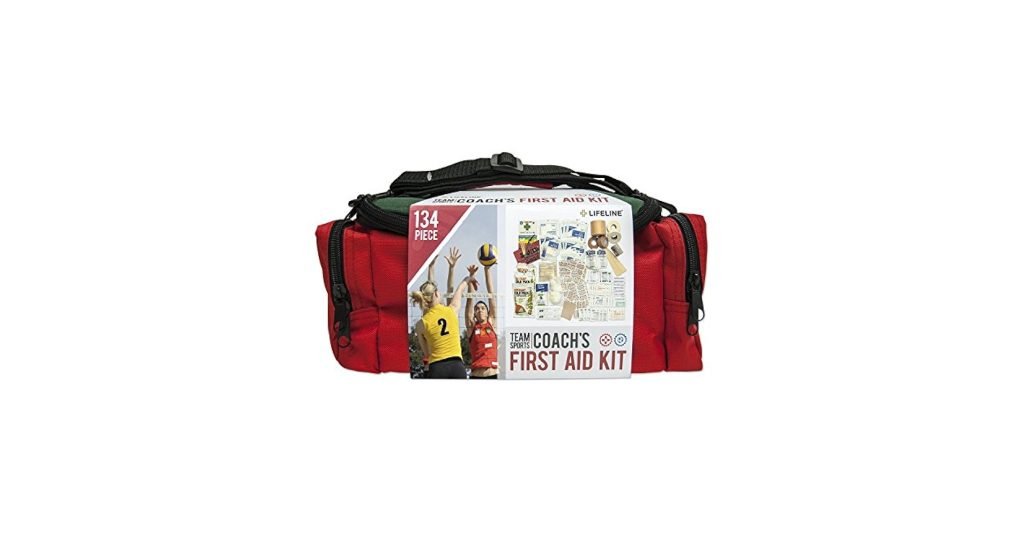
When you step onto the wrestling mat, every second counts—especially when injuries happen. Do you have the right first aid kit ready to handle scrapes, bruises, or sprains quickly and effectively?
Your safety and recovery depend on what’s inside that kit. You’ll discover exactly what essentials you need to keep your wrestling first aid kit complete and ready for action. Don’t let a small injury turn into a big problem—keep reading to protect yourself and your teammates like a pro.
Must-have Items
Wrestling is a sport that demands strength and agility. Injuries can happen, making a first aid kit essential. Having the right supplies ensures quick care and safety. Knowing what to include is key. Let’s explore the must-have items for your wrestling first aid kit.
Bandages And Dressings
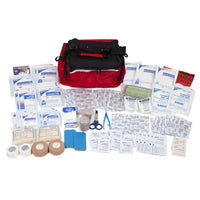
Bandages are vital for treating cuts and bruises. Keep a variety of types. Adhesive bandages are perfect for minor wounds. Sterile gauze pads handle larger injuries. Elastic bandages offer support for sprains. Ensure you have enough supplies for all situations.
Antiseptics And Ointments
Antiseptics clean wounds and prevent infection. Include alcohol wipes and hydrogen peroxide. Ointments like antibiotic creams help heal and protect. They reduce the risk of infections. These items are crucial for healthy recovery.
Pain Relief Supplies
Pain relief is crucial for wrestlers. Include ibuprofen and acetaminophen. These medications ease muscle pain and reduce swelling. Cold packs help with immediate relief. They soothe injuries and minimize discomfort. Always have these supplies ready in your kit.

Credit: www.amazon.com
Specialized Wrestling Gear
Specialized wrestling gear in a first aid kit helps manage common injuries. These tools target specific needs of wrestlers. Quick care can reduce pain and prevent damage.
Having the right gear improves recovery after tough matches. It supports injured areas and speeds healing. Every wrestling first aid kit should include these essentials.
Cold Packs And Heat Packs
Cold packs reduce swelling and numb pain after injuries. They help control bruises and sprains. Use cold packs immediately after a hit or fall.
Heat packs relax muscles and improve blood flow. They work well for stiff joints and sore muscles. Use heat packs before training or after cold therapy.
Athletic Tape And Wraps
Athletic tape stabilizes joints and prevents injuries. It supports ankles, wrists, and knees during matches. Wraps provide compression and reduce swelling.
Proper taping limits movement that can cause harm. It also helps hold bandages in place. Keep extra rolls for quick fixes in your kit.
Finger Splints And Supports
Finger splints protect against fractures and sprains. They keep injured fingers straight and reduce pain. Supports add extra strength to weak or injured fingers.
Wrestlers often hurt fingers during holds or falls. Having splints ready helps limit damage and speeds healing. Choose adjustable splints for a better fit.
Preparing For Emergencies
Preparing for emergencies in wrestling means being ready for injuries. A well-stocked first aid kit is essential. Knowing how to use it can reduce harm and speed up recovery. Understanding common injuries and their signs helps you act fast and correctly. Assessing injuries properly guides the right response and care. Knowing when to seek medical help keeps athletes safe and prevents complications.
Recognizing Common Wrestling Injuries
Wrestlers often face injuries like cuts, bruises, sprains, and strains. Head injuries and concussions also occur. Joint dislocations and muscle tears happen too. Watch for swelling, bleeding, and pain. Difficulty moving a limb or dizziness are warning signs. Quick recognition helps in treating injuries promptly.
Basic Injury Assessment
Start by checking the injured area carefully. Look for swelling, bleeding, or deformity. Ask the wrestler if they feel pain or numbness. Test movement gently, but stop if it causes more pain. Check the athlete’s breathing and consciousness. Keep the injured part still and elevate if possible. Use cold packs to reduce swelling.
When To Seek Medical Help
- Severe bleeding that won’t stop
- Loss of consciousness or confusion
- Suspected broken bones or dislocations
- Head injury with dizziness or vomiting
- Severe pain or inability to move
- Signs of shock like pale skin or rapid pulse
In these cases, call emergency services immediately. Prompt medical care prevents worsening of injuries.
Credit: www.safetykitsplus.com
Maintaining Your Kit
Maintaining your first aid kit for wrestling is essential to ensure it’s ready when you need it the most. Regular upkeep keeps your supplies effective and prevents unpleasant surprises during an emergency. It’s not just about having the kit; it’s about having a reliable kit that can handle wrestling-related injuries swiftly and safely.
Regular Inventory Checks
Check your kit at least once a month to see what items are running low or missing. Keep a checklist handy to mark off essentials like bandages, antiseptic wipes, and tape. You don’t want to discover you’re out of gauze right after a wrestler twists an ankle.
Try to involve your teammates or coach in these checks. It creates a shared responsibility and ensures the kit stays stocked and ready. Think about when you last used the kit—did you replace everything that was taken out?
Replacing Expired Items
Expired items can be ineffective or even unsafe. Look closely at the dates on ointments, antiseptics, and medications. If they’re past their expiration, toss them out and add fresh replacements.
Pay special attention to adhesive products like tape and bandages, as their stickiness can degrade over time. Have you ever tried to wrap an injury only to find the tape won’t stick? That’s why timely replacement matters.
Proper Storage Tips
Store your kit in a cool, dry place away from direct sunlight and moisture. Heat and humidity can damage your supplies and reduce their effectiveness. A sturdy container with compartments helps keep everything organized and easy to find.
Consider labeling sections inside your kit for quick access during a match or practice. Could a small investment in a better storage solution save precious seconds in an emergency? Absolutely.
Building Custom Kits
Building a custom first aid kit for wrestling means creating a resource that fits your specific needs perfectly. Every wrestler and situation is different, so a one-size-fits-all kit won’t always cut it. You want to be ready for common injuries but also smart about what you carry.
Tailoring For Different Wrestler Levels
Your kit should reflect the experience and risk level of the wrestler. Beginners might need more basics like antiseptic wipes and bandages for minor scrapes. Advanced wrestlers could benefit from items like cold packs, elastic wraps, and tape for joint support.
Think about the common injuries at each level and add supplies accordingly. Have you noticed your wrestlers often struggle with sprains? Adding a good quality ankle brace or compression wrap can save a match day. Keeping it relevant means your kit stays practical, not bulky.
Travel And Competition Kits
When heading to tournaments, portability becomes key. You want a compact, lightweight kit that can easily fit in your gym bag but still cover emergencies. Include essentials like wound care, pain relievers, and instant cold packs.
Consider a checklist to ensure nothing is forgotten before you leave. Have you ever realized mid-competition you forgot the tape or scissors? Avoid that hassle by preparing a dedicated travel kit and restocking it regularly. It’s about quick access and convenience under pressure.
Budget-friendly Options
Custom kits don’t have to break the bank. Focus on quality over quantity by choosing multi-use items. For example, a roll of athletic tape can cover multiple needs from securing bandages to supporting joints.
Look for deals on essential supplies and buy in bulk when possible. Can you stretch your dollars by prioritizing the most common injuries? Smart shopping means your kit is both effective and affordable.
Building your own wrestling first aid kit puts you in control. What small addition could make a big difference for your team?

Credit: www.kitlocker.com
Frequently Asked Questions
What Essential Items Should Be In A Wrestling First Aid Kit?
A wrestling first aid kit must include adhesive bandages, antiseptic wipes, athletic tape, ice packs, gauze pads, scissors, and pain relievers. These items help treat cuts, sprains, bruises, and minor injuries quickly and effectively during practice or matches.
How Do You Use Tape In Wrestling First Aid Kits?
Athletic tape stabilizes joints and supports muscles during wrestling. It helps prevent injuries and aids recovery by restricting harmful movements. Proper taping techniques reduce strain and protect vulnerable areas like ankles, wrists, and fingers.
Why Are Ice Packs Important In Wrestling First Aid Kits?
Ice packs reduce swelling, pain, and inflammation after injuries. Applying ice immediately helps minimize tissue damage and speeds up recovery. They are essential for treating sprains, strains, and bruises common in wrestling.
How Often Should You Check And Restock A Wrestling First Aid Kit?
Check and restock your wrestling first aid kit monthly. Replace used, expired, or damaged supplies promptly. Regular maintenance ensures the kit is ready for emergencies and always contains effective, sterile items.
Conclusion
A good first aid kit keeps wrestlers safe during practice and matches. It helps treat cuts, bruises, and strains quickly. Every wrestler should carry one nearby at all times. Being prepared means less worry and faster recovery. Remember, safety starts with simple steps like having the right supplies.
Stay ready, stay protected, and enjoy wrestling with peace of mind.

I’m Abby Lu, a passionate home cook who loves simplifying everyday meals. At PlugChef.com, I share product reviews and cooking guides to help you find the best tools for your kitchen.
Related posts:
 What Type of Cooking Utensils are Safe: Expert Picks
 What Innovations Could Blenders Make: Unleashing Future Tech
 Smart Strategies to Organize a Small Kitchen: Maximize Space
 How to Organize a Kitchen Cabinet: Expert Tips & Tricks
 How to Organize Kitchen Drawers: Expert Tips and Tricks
 How to Organize a Corner Kitchen Cupboard: Expert Tips

