
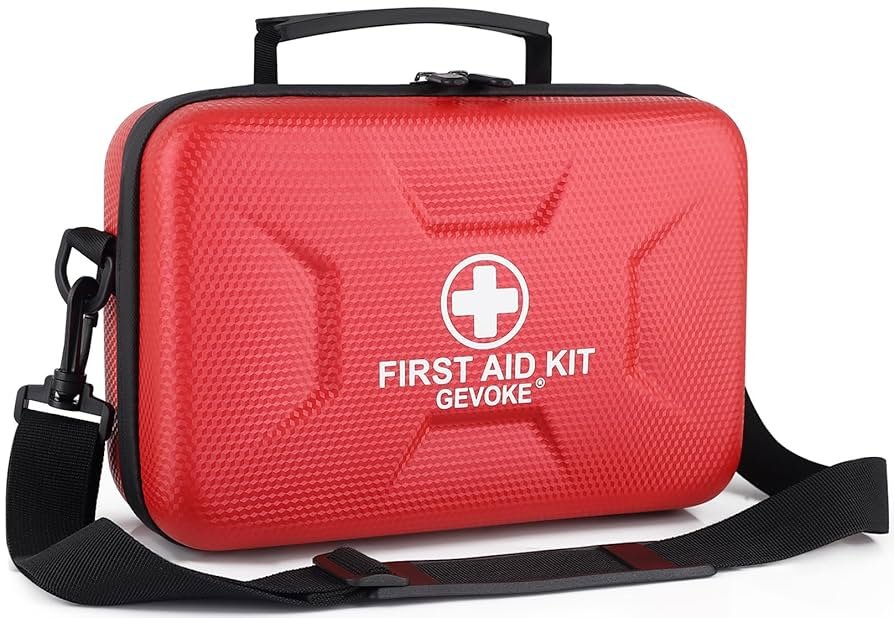
Imagine being on the road, miles away from help, when an accident happens. Do you have what it takes to handle it quickly and safely?
Your truck’s first aid kit could be the difference between chaos and control. You’ll discover why having the right first aid kit in your truck is not just smart—it’s essential. Keep reading to learn how to choose the best kit that keeps you prepared for any emergency on the road.

Credit: www.walmart.com
Importance Of First Aid Kits In Trucks
First aid kits in trucks are essential for safety and peace of mind. Truck drivers face unique challenges on the road. They often travel long distances and encounter various emergencies. Having a well-equipped first aid kit can make a significant difference. It ensures that minor injuries and health issues are addressed promptly. It also offers a sense of security knowing help is within reach.
Common Roadside Emergencies
Drivers often face unexpected situations. Common emergencies include cuts, bruises, and sprains. Accidents can lead to more severe injuries. It’s crucial to treat wounds quickly to prevent infection. A first aid kit provides necessary supplies for immediate care. It helps manage pain and discomfort until professional help arrives.
Legal Requirements For Truck Drivers
Many regions require first aid kits in commercial vehicles. Regulations vary but emphasize safety and preparedness. Trucking companies must comply with these laws to avoid penalties. Kits should meet specific standards set by authorities. They ensure drivers have access to essential medical supplies.
Benefits Of Being Prepared
Preparedness reduces stress during emergencies. It empowers drivers to handle situations effectively. Quick response can prevent minor injuries from worsening. It enhances safety for drivers and passengers alike. Knowing you’re prepared boosts confidence on the road. It shows responsibility and care for all road users.
Key Items In A Truck First Aid Kit
A truck first aid kit must have essential items for quick care. These items help treat common injuries on the road. Knowing what to pack saves time during emergencies. Here is a breakdown of key items every trucker should carry.
Basic Medical Supplies
- Adhesive bandages in various sizes
- Sterile gauze pads and rolls
- Antiseptic wipes and ointments
- Medical tape for securing dressings
- Scissors and tweezers
- Disposable gloves
- Instant cold packs
- Pain relievers like ibuprofen or acetaminophen
- CPR face shield or mask
Specialized Tools For Truckers
- Emergency thermal blanket for shock or cold
- Burn cream for heat injuries
- Eye wash solution for irritants
- Finger splints for fractures
- Elastic bandages for sprains
- Multi-tool or small flashlight
- Road flares or reflective triangles for safety
Personal Protective Equipment
- High-visibility safety vest
- Protective face masks
- Safety goggles to protect eyes
- Heavy-duty work gloves
- Earplugs for loud environments
Choosing The Right First Aid Kit
Choosing the right first aid kit for your truck is more than just picking up a box of supplies. It’s about finding a kit that fits your specific needs on the road and can handle the challenges you face daily. A well-chosen first aid kit can be a true lifesaver, making sure you’re prepared for any emergency situation without weighing you down or falling apart in tough conditions.
Size And Portability
How often do you find yourself needing quick access to your first aid kit while on the move? Size matters because your kit should be easy to store and carry without taking up too much space.
Look for compact kits that still offer a full range of supplies. Kits that fit neatly under a truck seat or in a door compartment keep you ready without cluttering your cabin.
Think about portability features like handles or straps. These make it easier to grab your kit and rush to an injured person without fumbling.
Durability And Weather Resistance
Your first aid kit has to survive the harsh environment inside and outside your truck. Dust, moisture, and extreme temperatures can quickly ruin medical supplies if the kit isn’t built tough.
Choose kits made from hard plastic or waterproof fabric to protect contents from rain or spills. Some kits come with sealed zippers or shockproof cases, which add extra protection.
Ask yourself: Will my kit still work after months on the road exposed to sun and dirt? Durability ensures your supplies are usable when you need them most.
Compliance With Safety Standards
Not every first aid kit is created equal. Some are designed to meet specific safety regulations, which can be crucial depending on your location or the type of cargo you haul.
Check if the kit complies with OSHA (Occupational Safety and Health Administration) or ANSI (American National Standards Institute) standards. This guarantees the kit contains essential items for workplace injuries.
Being compliant means you’re not just prepared—you’re also following legal guidelines. This can protect you from fines and ensure your kit is inspected and restocked properly.

Credit: www.amazon.com
Maintenance And Inspection Tips
Keeping your truck’s first aid kit ready for any emergency is more than just having it onboard. Regular maintenance and inspection ensure you won’t face surprises when you actually need it. A few simple habits can make a big difference in your safety and preparedness on the road.
Regular Inventory Checks
Check your first aid kit at least once a month. Open it up and review every item carefully. Are all the bandages, antiseptics, and tools still there? Missing or damaged supplies can leave you unprepared in a critical moment.
Make a checklist of essential items and tick them off during each inspection. This habit saves you from scrambling to find replacements during an emergency. Have you ever found your kit empty when you needed it the most? Regular checks prevent that.
Replacing Expired Supplies
Expiration dates matter, especially for medications and ointments. Using expired supplies can reduce effectiveness or even cause harm. Keep an eye on dates printed on items like pain relievers, antiseptic wipes, and burn creams.
Set reminders on your phone or calendar to replace expired items promptly. Don’t wait until the last minute. Imagine needing a painkiller and discovering it’s out of date—how would you handle that?
Proper Storage Practices
Your kit’s location affects its usability. Store it in a dry, cool place inside your truck, away from direct sunlight and extreme temperatures. Heat can degrade some materials, while moisture can ruin bandages and paper instructions.
Use a sturdy, waterproof container to protect supplies from dust and spills. Label the kit clearly so anyone can find it quickly. Have you placed your kit somewhere easy to reach, or is it buried under other gear?
Training For Effective First Aid Use
Having a first aid kit in your truck is essential, but knowing how to use it correctly can make all the difference during an emergency. Training equips you with the confidence to act quickly and effectively, potentially saving lives. It’s not just about having supplies; it’s about knowing what to do with them when every second counts.
Basic First Aid Skills For Drivers
Every truck driver should learn key first aid skills such as treating cuts, burns, and sprains. Knowing how to perform CPR or manage choking can be lifesaving in critical moments. Practicing these skills regularly helps you stay prepared and reduces hesitation when emergencies arise.
- How to clean and dress wounds properly
- Recognizing signs of shock and how to respond
- Basic CPR techniques tailored for non-medical personnel
Think about the last time you saw an accident on the road. Would you have felt ready to help? Training turns uncertainty into action.
Emergency Response Procedures
Understanding the steps to take immediately after an injury or accident is crucial. You need to know how to assess the situation, call for help, and provide first aid without causing further harm.
- Securing the scene to prevent additional accidents
- Prioritizing care based on the severity of injuries
- Communicating clearly with emergency responders
Clear, calm actions can reduce panic and improve outcomes. What would your first move be if a fellow driver suddenly needed help?
Resources For Further Learning
Improving your first aid skills is an ongoing process. Numerous resources can guide you through advanced techniques and refresh your knowledge.
- Local Red Cross or similar organizations offer hands-on classes
- Online courses with video demonstrations for flexible learning
- Mobile apps that provide step-by-step first aid instructions
Investing time in training makes your first aid kit much more than just a box of supplies—it becomes a tool for real help. What’s your next step to get trained?
Additional Safety Gear For Truck Drivers
Truck drivers face unique risks on the road. First aid kits are essential, but more safety gear is needed. Extra equipment can protect drivers and others during emergencies. Preparing with the right tools helps avoid bigger problems.
Fire Extinguishers
Fire extinguishers are vital in trucks. Fires can start from engine heat or cargo issues. Having a reliable extinguisher nearby allows quick action. It prevents small fires from growing out of control. Choose extinguishers rated for different fire types, including electrical and fuel fires.
Reflective Triangles And Flares
Reflective triangles and flares warn other drivers about hazards. They increase visibility during breakdowns or accidents. Placing these items properly on the road signals danger ahead. This reduces the risk of collisions. Carry enough triangles and flares to cover all directions around the truck.
Personal Safety Devices
Personal safety devices protect drivers from harm. Items like whistles, pepper spray, or personal alarms can deter threats. These tools offer peace of mind in remote or unsafe areas. Drivers should keep these devices within easy reach. Training on their use improves effectiveness during emergencies.

Credit: www.amazon.com
Frequently Asked Questions
What Essential Items Are In Truck First Aid Kits?
Truck first aid kits contain bandages, antiseptic wipes, gauze pads, adhesive tape, scissors, gloves, and pain relievers. These items help treat minor injuries and prevent infection. Having these essentials ensures quick and effective first response during road emergencies or accidents.
Why Are First Aid Kits Important For Truck Drivers?
First aid kits provide immediate care for injuries, reducing complications and promoting faster recovery. Truck drivers face risks like cuts, burns, or crashes. A well-stocked kit ensures safety and compliance with regulations, helping drivers manage emergencies until professional help arrives.
How Often Should Truck First Aid Kits Be Checked?
Truck first aid kits should be inspected monthly to ensure supplies are complete and unexpired. Regular checks prevent missing or outdated items, maintaining readiness for emergencies. Replace used or expired materials promptly to keep the kit effective and compliant with safety standards.
Are Truck First Aid Kits Legally Required?
Yes, many regions mandate first aid kits in commercial trucks to comply with safety regulations. Requirements vary by jurisdiction but generally include basic medical supplies. Carrying a first aid kit enhances driver safety and meets legal obligations for commercial vehicle operation.
Conclusion
A first aid kit is a must-have for every truck driver. It helps treat small injuries quickly and keeps drivers safe. Trucks face many risks on the road, so being prepared matters. A well-stocked kit saves time and reduces panic in emergencies.
Always check your kit before a trip to ensure it has all essentials. Carrying a first aid kit shows you care about safety. Stay ready, stay safe, and keep your journey smooth.

I’m Abby Lu, a passionate home cook who loves simplifying everyday meals. At PlugChef.com, I share product reviews and cooking guides to help you find the best tools for your kitchen.
Related posts:
 What Type of Cooking Utensils are Safe: Expert Picks
 What Innovations Could Blenders Make: Unleashing Future Tech
 Smart Strategies to Organize a Small Kitchen: Maximize Space
 How to Organize a Kitchen Cabinet: Expert Tips & Tricks
 How to Organize Kitchen Drawers: Expert Tips and Tricks
 How to Organize a Corner Kitchen Cupboard: Expert Tips

