
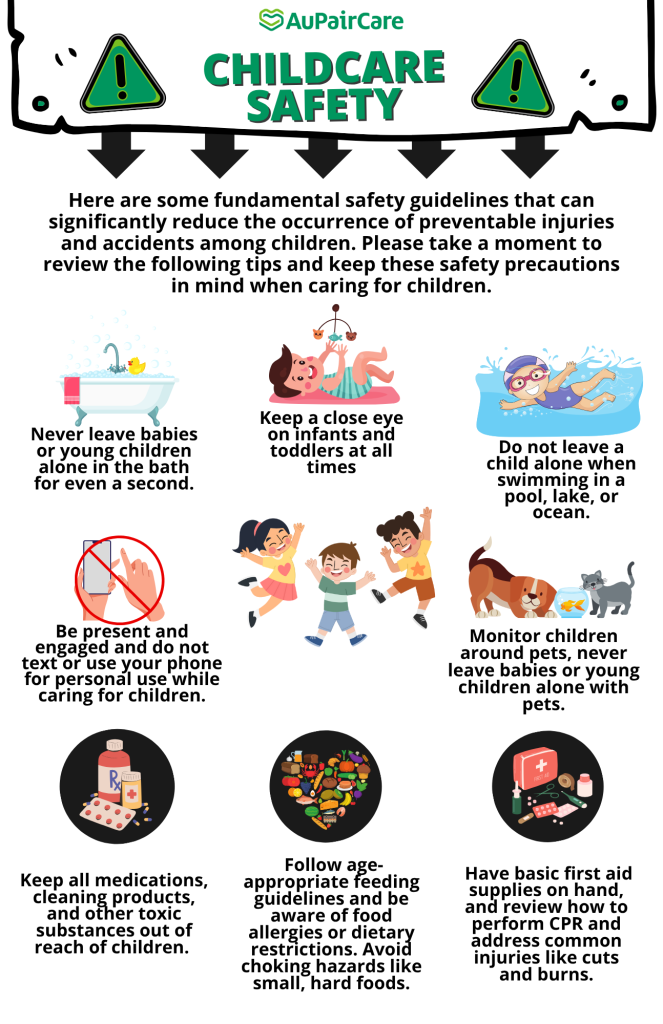
When it comes to running a daycare, your top priority is keeping every child safe and healthy. But are you sure your first aid kit meets all the important requirements?
Having the right supplies ready can make all the difference in handling bumps, scrapes, or sudden illnesses quickly and confidently. You’ll discover exactly what your daycare first aid kit must include to be prepared for any minor emergency. Keep reading to make sure you have everything you need to protect the little ones in your care.

Credit: www.amazon.com
Basic Supplies
Ensuring the safety and well-being of children in daycare is a top priority. A well-stocked first aid kit is essential, and it starts with basic supplies. These supplies are the first line of defense in treating minor injuries, preventing infections, and maintaining a hygienic environment. But what exactly should be in your daycare’s first aid kit? Let’s dive into the essentials.
Bandages And Dressings
Bandages and dressings are crucial for covering cuts and scrapes. You’ll want a variety of sizes, from small adhesive bandages for tiny fingers to larger ones for scraped knees. Consider adding gauze pads and rolls, which can be used for more substantial wounds. Keeping these supplies organized and easily accessible ensures you can quickly address any injury.
Antiseptics And Ointments
Cleaning wounds promptly is key to preventing infections. Antiseptic wipes and sprays are effective for this purpose. Antibiotic ointments, like Neosporin, can further protect against infections. You might be surprised how quickly kids bounce back after a scrape, but only if their injuries are clean and properly treated. Is your first aid kit prepared for this?
Gloves And Masks
Gloves and masks are vital for maintaining hygiene and protecting both caregivers and children. Disposable gloves should be used when treating wounds to prevent cross-contamination. Masks can be helpful during flu season or when a child is showing symptoms of illness. Imagine the peace of mind that comes with knowing you’re minimizing the spread of germs.

Credit: www.amazon.com
Injury Care Items
Injury care items are vital in any daycare first aid kit. These items help treat minor wounds and prevent infection quickly. Having the right tools and supplies ready ensures fast, effective care for children.
Each item must be safe and easy to use. Staff should find everything needed for common injuries within seconds. The items also need to be child-friendly and suitable for sensitive skin.
Cold Packs
Cold packs reduce swelling and numb pain after bumps or falls. Instant cold packs are best because they activate without refrigeration. They come in small sizes, perfect for little hands. Always keep several cold packs in the kit for quick use.
Tweezers And Scissors
Tweezers remove splinters, dirt, or small objects from the skin. Choose tweezers with blunt tips to avoid accidental cuts. Scissors help cut tape or clothing around wounds. Use scissors with rounded tips to keep children safe.
Burn Relief Products
Burn relief products cool and soothe minor burns. Look for burn gels or ointments that do not sting. These products protect the skin and help healing. Keep burn relief items accessible and replace them after use.
Medication Essentials
Medication essentials form a crucial part of any daycare first aid kit. These medicines help manage common health issues quickly. They provide relief and prevent minor problems from worsening. Proper selection and storage of these medicines are important for child safety.
Pain Relievers
Pain relievers reduce fever and ease aches or discomfort. Common options include acetaminophen and ibuprofen. They are safe for children when used in correct doses. Always check the child’s age and weight before giving any medicine.
Store pain relievers in childproof containers. Clearly label each medicine with dosage instructions. Keep them away from heat and moisture to maintain effectiveness.
Allergy Medications
Allergy medications help control reactions like itching, swelling, or sneezing. Antihistamines are common choices in daycare kits. They work fast to reduce allergic symptoms.
Include both liquid and tablet forms if possible. Ensure each medication is suitable for children’s use. Note any known allergies of children in care to avoid risks.
Emergency Epinephrine
Emergency epinephrine is vital for severe allergic reactions. It can save lives during anaphylaxis. Auto-injectors are easy to use and provide a quick dose.
Train staff on how to use epinephrine properly. Check expiration dates regularly and replace expired units. Keep this medicine accessible but secure to prevent misuse.
Safety Tools
Safety tools in a daycare first aid kit are essential for quick and effective care. These tools help caregivers monitor children’s health and respond to emergencies. Having the right safety tools ensures readiness for common health issues and accidents.
Thermometer
A thermometer is crucial for checking children’s body temperature. It helps identify fever early, which can indicate illness. Digital thermometers are preferred for accuracy and ease of use. Keep extra batteries available to avoid downtime.
Cpr Mask
A CPR mask protects caregivers during rescue breaths. It creates a barrier between the caregiver and child, reducing infection risk. Masks with one-way valves are best for safety and hygiene. Store the mask in a clean, accessible place.
First Aid Manual
A first aid manual guides caregivers through emergency steps. It offers clear instructions for treating cuts, burns, and choking. Manuals with pictures and simple language work best in daycares. Update the manual regularly to keep information current.
Storage And Maintenance
Proper storage and regular maintenance of a daycare first aid kit are essential. They ensure quick access during emergencies. A well-kept kit keeps supplies effective and safe for children.
Proper Storage Practices
Store the first aid kit in a dry, cool place away from direct sunlight. Choose a location that is easy for staff to reach but out of children’s reach. Use a sturdy, clearly labeled container to protect supplies. Keep the kit sealed to prevent dust and moisture from entering.
Regular Kit Checks
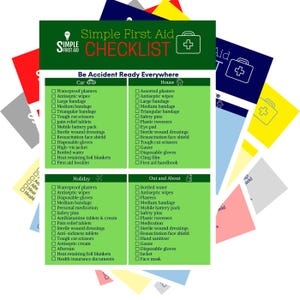
Inspect the kit regularly to spot expired or used items. Check bandages, ointments, and medications for expiration dates. Replace any broken or missing tools immediately. Create a checklist to track inspections and updates easily.
Restocking Guidelines
Restock the kit after every use to maintain readiness. Use only recommended and safe products for children. Keep extra supplies on hand to avoid running out. Train staff to report when items need replenishing.
Credit: www.etsy.com
Legal And Regulatory Notes
Daycare centers must follow legal rules about first aid kits. These laws protect children and staff. They ensure quick and proper care during emergencies. Understanding these rules helps daycare providers stay safe and avoid penalties.
Compliance With Local Laws
Each area has specific laws for daycare first aid kits. These laws say what items must be included. They also set standards for kit storage and accessibility. Daycare centers must check local regulations often. Laws can change based on health and safety updates.
Staff Training Requirements
Staff must know how to use the first aid kit correctly. Training helps them act fast in emergencies. Many places require staff to have certified first aid courses. Regular refreshers keep skills sharp. Training reduces risks and improves care for children.
Record Keeping
Daycare centers must keep records of first aid incidents. These records show what happened and what treatment was given. They help track health issues and improve safety plans. Accurate records may be required by law. They protect both children and staff in case of disputes.
Frequently Asked Questions
What Essential Items Must A Daycare First Aid Kit Contain?
A daycare first aid kit must include bandages, antiseptic wipes, adhesive tape, scissors, gloves, and a thermometer. It should also have instant cold packs, tweezers, and a first aid manual for quick reference during emergencies.
How Often Should Daycare First Aid Kits Be Checked?
Daycare first aid kits should be checked monthly to ensure all supplies are present and not expired. Regular inspections help maintain readiness and safety, preventing issues during emergencies.
Are There Specific First Aid Supplies For Children In Daycare?
Yes, daycare first aid kits should include child-safe items like hypoallergenic bandages, pediatric antiseptics, and age-appropriate medications. These supplies address common childhood injuries safely and effectively.
Who Is Responsible For Maintaining Daycare First Aid Kits?
Daycare staff or designated safety officers are responsible for maintaining first aid kits. They must regularly inspect, restock, and ensure all items meet safety standards.
Conclusion
A well-stocked first aid kit keeps children safe at daycare. It helps staff act quickly during small injuries or emergencies. Every essential item must be included and checked regularly. Proper training on how to use the kit is important too.
A prepared daycare creates a safer environment for kids and peace of mind for parents. Simple steps make a big difference in child care safety. Don’t wait—ensure your daycare meets all first aid requirements today.

I’m Abby Lu, a passionate home cook who loves simplifying everyday meals. At PlugChef.com, I share product reviews and cooking guides to help you find the best tools for your kitchen.
Related posts:
 What Type of Cooking Utensils are Safe: Expert Picks
 What Innovations Could Blenders Make: Unleashing Future Tech
 Smart Strategies to Organize a Small Kitchen: Maximize Space
 How to Organize a Kitchen Cabinet: Expert Tips & Tricks
 How to Organize Kitchen Drawers: Expert Tips and Tricks
 How to Organize a Corner Kitchen Cupboard: Expert Tips

