
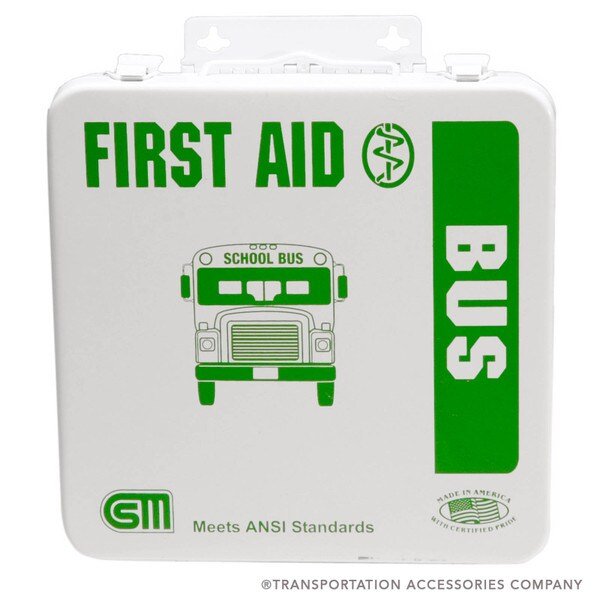
When it comes to safety, being prepared can make all the difference. Your workplace, vehicle, or home needs a reliable way to handle minor injuries quickly and effectively.
That’s where the Standard 24 Unit First Aid Kit comes in. This compact kit holds everything you need to treat common cuts, burns, and scrapes right away. Imagine having peace of mind knowing you’re ready for unexpected accidents. Keep reading to discover why this first aid kit is a must-have for you and how it can help protect the people you care about.
Key Components Of A 24 Unit First Aid Kit
When emergencies strike, having a well-equipped first aid kit can make all the difference. The Standard 24 Unit First Aid Kit is designed to cover a wide range of medical needs, ensuring you’re prepared for minor injuries and common ailments. Understanding the key components of this kit can help you use it effectively when needed. Let’s dive into what makes this kit so essential.
Basic Wound Care Supplies
Basic wound care supplies are the backbone of any first aid kit. These items help you clean and protect minor cuts and abrasions. You’ll find sterile gauze pads, adhesive bandages in various sizes, and antiseptic wipes. They ensure wounds remain clean and reduce the risk of infection. Remember the time you scraped your knee at the park? These supplies are perfect for situations like that, allowing you to continue your day without worry.
Tools And Equipment Included
Having the right tools can enhance your ability to provide effective first aid. The 24 Unit Kit includes essential tools like scissors and tweezers. Scissors help cut bandages to the right size, while tweezers are vital for removing splinters or debris. Imagine trying to remove a stubborn splinter without them—it’s frustrating! Additionally, you’ll find gloves to keep things sanitary and a thermometer to monitor body temperature. Are these tools in your kit ready for action?
Medications And Ointments
Medications and ointments cater to various needs, from pain relief to skin irritation. The kit typically contains aspirin or ibuprofen to alleviate headaches or minor pains. It also includes ointments for burns or insect bites, like hydrocortisone cream. Think about the last time you had a sudden headache—having these medications on hand can be a lifesaver. Do you keep track of expiration dates to ensure your kit is always ready?
Being well-prepared means having the right tools and supplies at your fingertips. Exploring the components of the Standard 24 Unit First Aid Kit not only prepares you for emergencies but also encourages you to reflect on your readiness. Are you confident in your ability to handle unexpected injuries?
Benefits Of Having A Standard Kit At Home
Having a Standard 24 Unit First Aid Kit at home brings tangible benefits that go beyond just treating cuts and bruises. It equips you to handle minor emergencies confidently and keeps your family safe. Let’s look at why keeping this kit within reach is a smart choice for every household.
Quick Response To Minor Injuries
Accidents happen without warning. A well-stocked first aid kit allows you to act immediately on minor injuries like scrapes, burns, or insect bites. This quick response can prevent infections and reduce the severity of the injury.
Imagine your child falling and scraping their knee. Instead of rushing to find supplies, you have everything ready—antiseptic wipes, bandages, and ointments. This speed can make all the difference in comfort and healing time.
Peace Of Mind For Families
Knowing you are prepared for small emergencies eases stress. A Standard 24 Unit First Aid Kit provides reassurance that you can handle everyday mishaps safely. This peace of mind lets you focus on what matters most—your family’s well-being.
Have you ever worried about what to do if someone gets hurt while you’re alone at home? Having a first aid kit nearby removes that worry by giving you the tools and confidence to act calmly and effectively.
Cost-effective Safety Solution
Buying a ready-made first aid kit is often cheaper than assembling one piece by piece. It saves time and ensures you don’t miss essential items. Plus, treating minor injuries at home can reduce unnecessary visits to urgent care or clinics.
Think about how much a simple bandage or antiseptic costs compared to a clinic visit for a small cut. A kit provides everything you need in one place, making it a smart investment in your family’s health and your budget.
How To Use Each Item Safely
Using each item in a Standard 24 Unit First Aid Kit safely helps avoid infections and worsened injuries. Proper handling ensures quick relief and supports healing. Learn to use bandages, antiseptics, and know when professional help is needed.
Proper Bandaging Techniques
Clean the wound with water before applying any bandage. Use sterile gauze to cover cuts or scrapes gently.
- Wrap the bandage snugly but not too tight to avoid cutting off circulation.
- Secure the bandage with adhesive tape or clips included in the kit.
- Change the bandage daily or if it becomes wet or dirty.
Check for swelling or numbness below the bandage. Loosen it if needed.
Using Antiseptics Correctly
Apply antiseptic wipes or solutions only on clean skin. Avoid using too much antiseptic, as it can irritate the skin.
- Wipe gently around the wound, not inside deep cuts.
- Let the antiseptic dry before covering the wound.
- Do not use antiseptics on large or deep wounds without expert advice.
When To Seek Professional Help
Seek medical care if bleeding does not stop within 10 minutes. If the wound is deep or caused by a dirty or rusty object, see a doctor.
Watch for signs of infection like redness, swelling, or pus. Fever after an injury also needs immediate attention.
Severe burns, broken bones, or head injuries require urgent professional care. Use the first aid kit only to stabilize before help arrives.

Credit: www.amazon.com
Maintaining And Restocking Your Kit
Keeping your Standard 24 Unit First Aid Kit ready means regular attention. A well-maintained kit ensures you’re prepared for any minor injury or emergency. Neglecting this task can leave you without essential supplies when you need them the most.
Checking Expiry Dates
Medicines and ointments in your kit have expiry dates for a reason—they lose effectiveness over time. Set a reminder to check these dates at least twice a year. Remove any expired items immediately to avoid relying on ineffective treatments.
Don’t just glance over them; take a close look at every single item. Have you ever opened a first aid kit only to find the antiseptic wipes dried out or the painkillers past their date? Keeping track helps prevent that situation.
Replacing Used Items
After any use, replenish your supplies right away. It’s easy to forget what you’ve used, but missing bandages or gloves can be critical in the next emergency. Keep a checklist inside your kit to note what needs replacing.
Think about the last time you treated a cut or burn. Were you able to find everything you needed quickly? Restocking immediately after use ensures your kit stays fully functional at all times.
Storage Tips To Keep Supplies Ready
Store your kit in a cool, dry place away from direct sunlight. Heat and moisture can damage many first aid items, reducing their shelf life. A consistent environment helps maintain the integrity of your supplies.
Make the kit easily accessible but safe from children’s reach. Consider a visible spot in your home or workplace where everyone knows it’s located. When emergencies happen, will you know where to find your kit without wasting time?
Choosing The Right First Aid Kit For Your Home
Choosing the right first aid kit for your home is important for safety. A well-stocked kit helps you handle minor injuries quickly. It gives peace of mind knowing you can act fast in emergencies. Consider several factors to find the best fit for your household.
Comparing Different Kit Sizes
First aid kits come in various sizes and quantities. Small kits hold basic items like bandages and antiseptic wipes. Larger kits include more supplies such as scissors, gloves, and burn cream. The Standard 24 Unit First Aid Kit offers a balanced mix of essentials. Think about storage space and the types of injuries you may face.
Assessing Family Needs
Consider the number of people in your home. Kids need child-friendly items like adhesive bandages with fun designs. Active adults might require supplies for sprains or cuts from outdoor activities. Elderly family members may need special items for sensitive skin or medications. Tailor your first aid kit to suit your family’s unique needs.
Budget Considerations
First aid kits come at different price points. Basic kits are affordable but may lack some important items. Premium kits cost more but offer extensive supplies for various emergencies. The Standard 24 Unit First Aid Kit provides good value with essential items included. Balance cost with quality to get the best protection for your home.
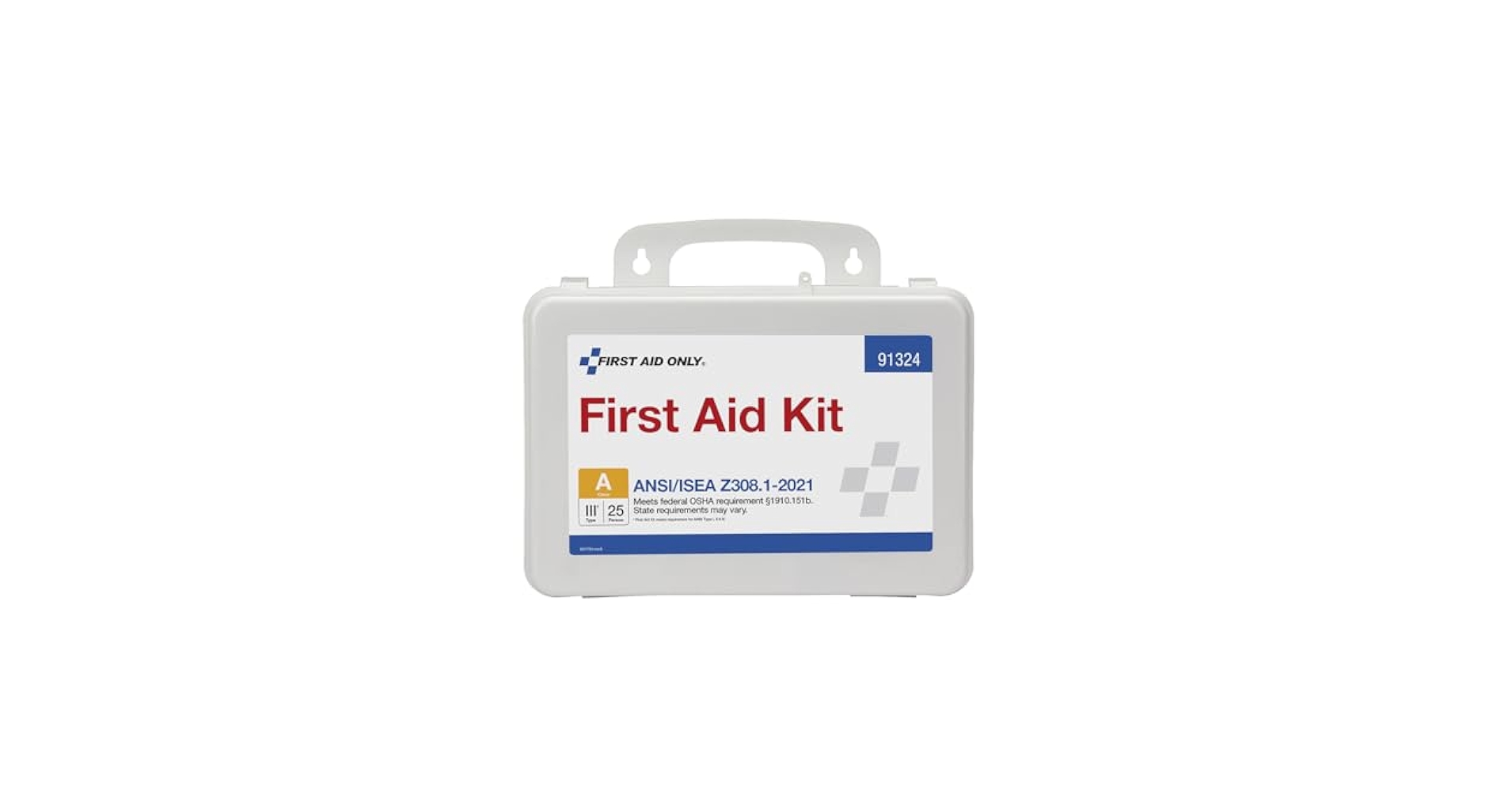
Credit: www.amazon.com
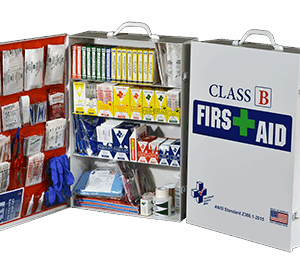
Credit: certifiedsafetymfg.com
Frequently Asked Questions
What Is Included In A Standard 24 Unit First Aid Kit?
A Standard 24 Unit First Aid Kit contains essential medical supplies. Items include bandages, antiseptic wipes, adhesive tape, scissors, gloves, and pain relief tablets. It covers common injuries and emergencies for quick and effective treatment.
Where Should You Keep A Standard 24 Unit First Aid Kit?
Keep the kit in an easily accessible, visible location at home, office, or vehicle. Ensure all family or team members know its place for quick access during emergencies.
How Often Should A Standard 24 Unit First Aid Kit Be Checked?
Check your first aid kit every 6 months. Replace expired or used items promptly to ensure all supplies are effective and ready for use when needed.
Can A Standard 24 Unit First Aid Kit Handle Workplace Emergencies?
Yes, it is designed to address minor workplace injuries. However, for high-risk workplaces, a larger, more comprehensive kit may be necessary to meet safety regulations.
Conclusion
A Standard 24 Unit First Aid Kit keeps you ready for small injuries. It has all the basic supplies you may need. Carrying one helps you act quickly and confidently. Accidents can happen anytime, so being prepared is smart. This kit fits well in homes, cars, or offices.
Taking care of minor wounds prevents bigger problems later. Stay safe and ready with a reliable first aid kit nearby. Simple, useful, and easy to use—just what everyone needs.

I’m Abby Lu, a passionate home cook who loves simplifying everyday meals. At PlugChef.com, I share product reviews and cooking guides to help you find the best tools for your kitchen.
Related posts:
 What Type of Cooking Utensils are Safe: Expert Picks
 What Innovations Could Blenders Make: Unleashing Future Tech
 Smart Strategies to Organize a Small Kitchen: Maximize Space
 How to Organize a Kitchen Cabinet: Expert Tips & Tricks
 How to Organize Kitchen Drawers: Expert Tips and Tricks
 How to Organize a Corner Kitchen Cupboard: Expert Tips

