
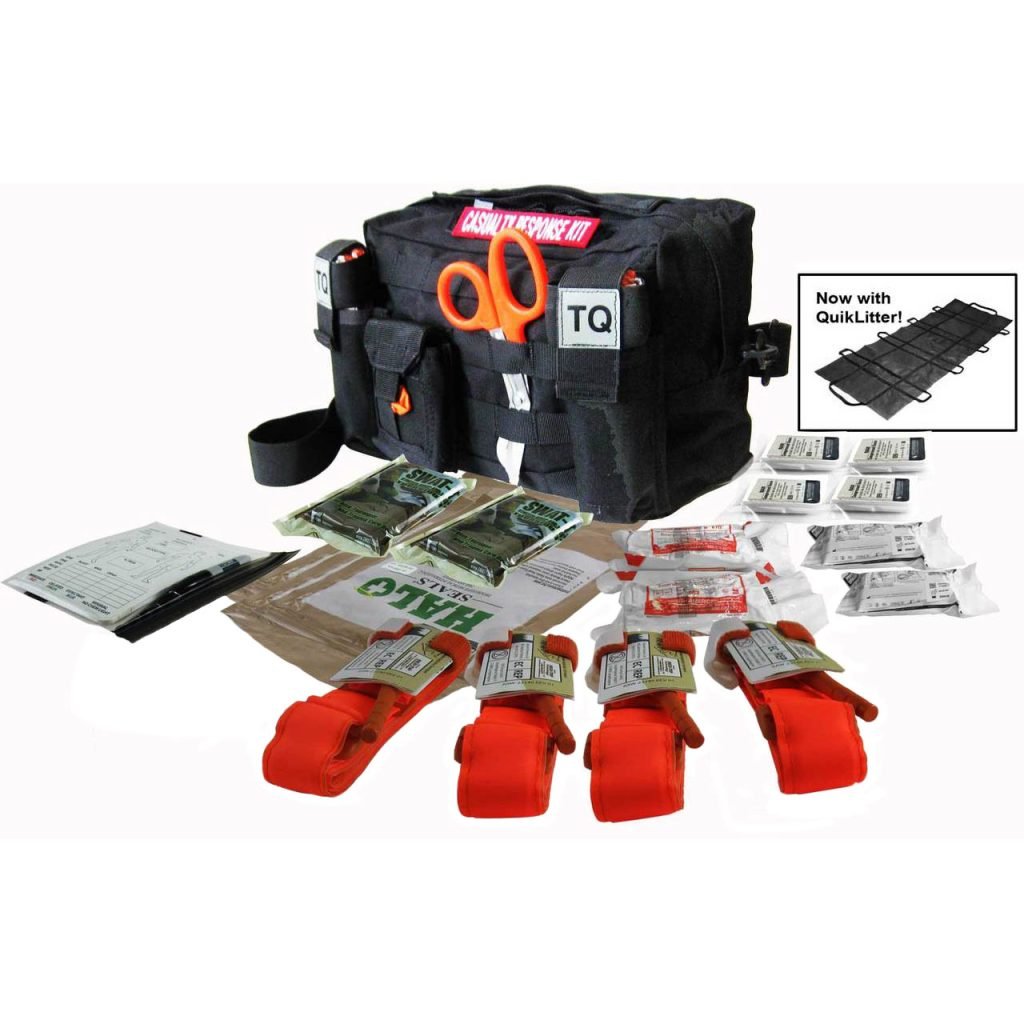
Imagine being in a situation where every second counts, and the right supplies could save your life or someone else’s. An Active Shooter First Aid Kit is not just another emergency box—it’s your lifeline when chaos strikes.
You might think it’s something only professionals need, but the truth is, having one nearby could make all the difference in a critical moment. You’ll discover exactly what should be inside this kit, why each item matters, and how being prepared can empower you to act confidently when it matters most.
Don’t wait until it’s too late—your safety and the safety of those around you depend on what you do now.
Key Items For Active Shooter Kits
An active shooter first aid kit includes tourniquets, trauma dressings, and gloves to control bleeding quickly. Essential supplies also cover airway management and wound care for emergencies. Having these items ready can save lives during critical moments.
Active shooter incidents demand immediate action and preparedness. Equipping an active shooter first aid kit with essential items can save lives. These kits are designed to address severe injuries quickly and efficiently. Below, we explore the key items that should be included in these life-saving kits.Tourniquets And Their Importance
Tourniquets stop severe bleeding from limbs. They are crucial in an emergency. Applying a tourniquet can prevent blood loss and save lives. Choose high-quality tourniquets for your kit. Ensure they are easy to apply under stress.Pressure Dressings And Bandages
Pressure dressings control bleeding from wounds. They provide compression and help stabilize injuries. Bandages protect wounds and minimize infection risks. Stock different sizes in your kit for versatility. Quick application of pressure dressings can prevent further harm.Chest Seals For Gunshot Wounds
Chest seals treat penetrating chest wounds. They prevent air from entering the chest cavity. This reduces the risk of a collapsed lung. Ensure your kit includes chest seals. They are vital for treating gunshot injuries effectively.Hemostatic Agents To Control Bleeding
Hemostatic agents stop bleeding rapidly. They help clot blood at wound sites. These agents are ideal for severe bleeding situations. Include them in your kit for efficient blood control. Their quick action can be life-saving.Basic Tools And Supplies
Basic tools enhance the kit’s functionality. Scissors, gloves, and antiseptic wipes are essential. They aid in wound treatment and maintaining hygiene. Keep these supplies organized for easy access. Proper tools ensure effective first aid response.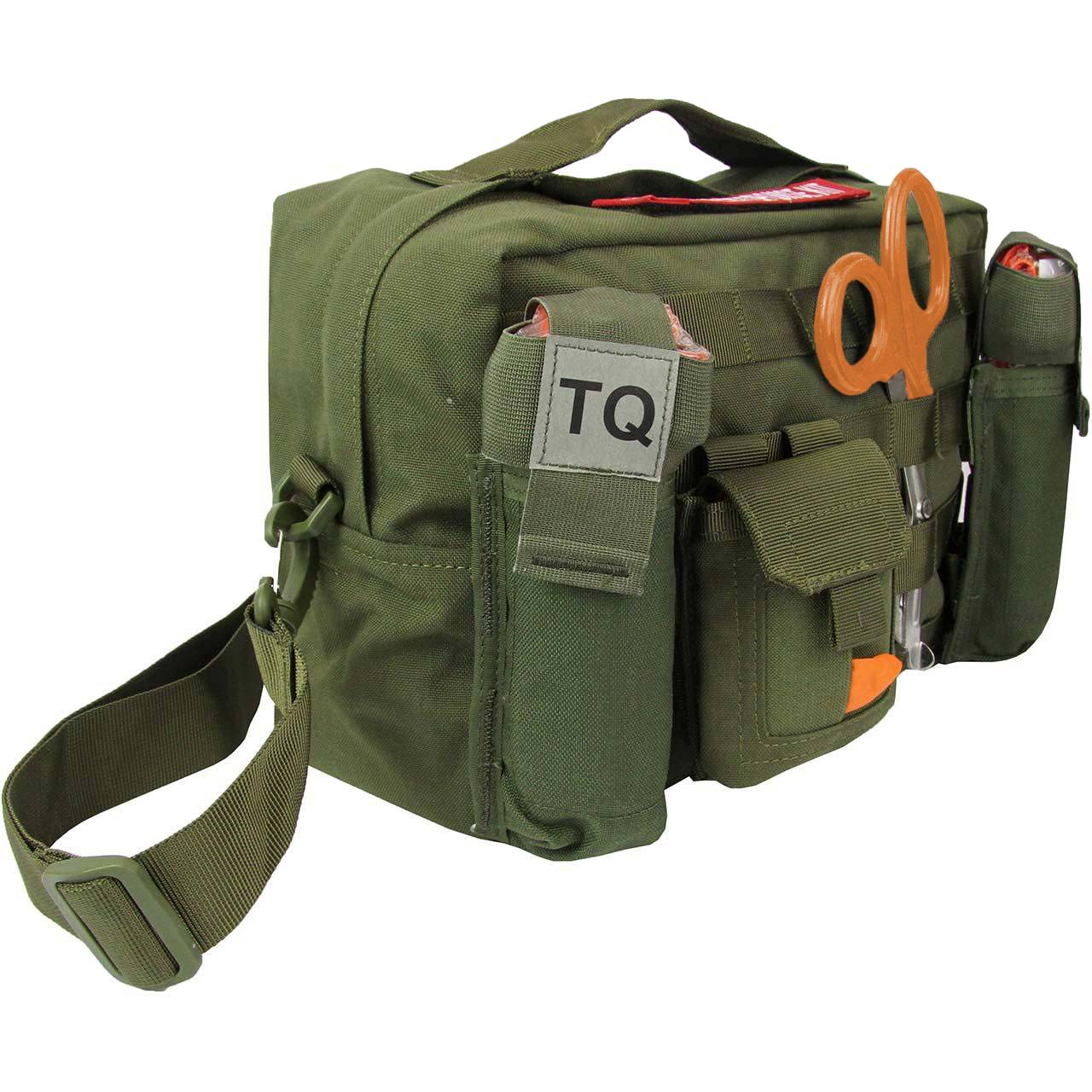
Credit: rescue-essentials.com
Choosing Durable And Portable Gear
Choosing durable and portable gear is vital for an active shooter first aid kit. The right equipment must withstand tough conditions and remain easy to carry. Durability ensures the supplies stay intact in emergencies. Portability guarantees quick access without extra burden. Both qualities improve readiness and response.
Backpack Vs. Compact Pouch
Backpacks hold more supplies and offer comfort for long use. They suit workplaces or schools where carrying larger kits is possible. Compact pouches are smaller and lighter. They fit easily in a bag or on a belt. Choose based on how much you must carry and where you will keep it.
Waterproof And Impact-resistant Materials
Waterproof gear protects contents from rain and spills. Impact-resistant cases prevent damage from drops or impacts. Both materials keep first aid items safe and usable. Look for nylon, polyester, or hard plastic shells. These materials extend the life of your kit.
Ease Of Access And Organization
Quick access saves lives in emergencies. Gear with clear compartments or color-coded sections helps find items fast. Zippers and Velcro should open smoothly under pressure. Organized kits reduce stress and confusion. Arrange supplies by type and priority for efficient use.
Training For Effective Use
Training is essential to make your Active Shooter First Aid Kit truly effective. Simply owning the kit won’t save lives unless you know how to use its contents swiftly and correctly. Practicing the skills regularly can build confidence and improve your reaction in high-pressure moments.
Basic First Aid Skills
You should master fundamental first aid skills such as wound cleaning, bandaging, and CPR. These skills form the foundation of emergency care and can stabilize victims until professional help arrives. Have you ever tried applying a bandage in a calm setting? Now imagine doing it with your heart racing—training prepares you for that reality.
Regular practice helps you remember key steps without hesitation. Consider setting aside time each month to refresh these skills. Many community centers and organizations offer hands-on courses tailored for emergencies.
Tourniquet Application Techniques
The tourniquet is a lifesaver in active shooter situations where severe bleeding is common. Knowing how and where to apply it can make the difference between life and death. It’s not enough to just see one; you must practice applying a tourniquet on yourself or a training dummy to grasp the correct pressure and placement.
Did you know that improper tourniquet use can cause more harm than good? Training teaches you to avoid mistakes like placing it too close to a joint or loosening it prematurely. Repetition builds muscle memory, so your hands move automatically in a real emergency.
Responding Under Stress
Staying calm during an active shooter event is incredibly challenging but crucial. Training under simulated stress helps you manage fear and focus on the task at hand. Role-playing drills and timed practice sessions can mimic the chaos and push you to act decisively.
Have you practiced making quick decisions when your adrenaline is surging? This type of training prepares your mind to prioritize tasks and maintain control. It’s not just about your hands knowing what to do but your brain staying clear enough to direct those actions effectively.

Credit: rescue-essentials.com
Customizing Kits For Different Settings
Active shooter first aid kits must fit the needs of each place. Different settings have unique risks and people. Customizing kits ensures the right tools are ready fast. This helps save lives and reduce injuries during an emergency.
School And Workplace Kits
Schools need kits with supplies for children and staff. Include items for small wounds and breathing help. Kits should be easy to carry in classrooms and offices.
- Tourniquets and pressure dressings
- CPR masks and gloves
- Child-size bandages and scissors
- Quick reference guides for teachers and employees
Workplaces need kits that fit the number of workers. Consider office size and common injuries. Add items for stress and shock treatment.
Public Venue Considerations
Public places like malls or stadiums hold many people. Kits must cover large areas and crowd injuries. Use backpacks or wall-mounted kits for easy access.
- Extra bandages and gauze for bleeding control
- Multiple tourniquets and airway tools
- Flashlights and whistles for signaling
- Instructions in simple language
Think about crowd control and quick response in these areas. Kits should support first responders and bystanders alike.
Personal Vs. Community Kits
Personal kits are small and easy to carry daily. They focus on basic first aid and quick fixes. Useful for travelers, drivers, or individuals with health risks.
- Compact bandages and antiseptics
- Small tourniquet and gloves
- Basic wound care tools
Community kits are larger and support many people at once. Ideal for neighborhoods, clubs, or local businesses. They store more supplies and tools for severe injuries.
- Multiple tourniquets and chest seals
- Extra gloves and breathing masks
- Emergency blankets and pain relievers
Maintenance And Regular Updates
Maintaining your Active Shooter First Aid Kit is as important as assembling it. A well-stocked kit loses value if items are expired or damaged. Regularly updating your kit ensures it is ready when every second counts.
Checking Expiration Dates
Medicines and supplies like antiseptic wipes, bandages, and tourniquets have expiration dates. If you overlook these, you might end up with ineffective or unsafe items during an emergency. Set a reminder to check these dates at least every three months.
Have you ever found yourself with an expired first aid item in a critical moment? That experience highlights why regular checks matter. Replace expired items immediately to maintain your kit’s reliability.
Replacing Used Or Damaged Items
After practicing first aid drills or actual use, inspect your kit for missing or damaged supplies. Even a small tear in a bandage or a broken pair of gloves can limit your ability to act swiftly. Keep a checklist handy to track what needs replacement.
Think about how quickly you can restock your kit after an incident. Delays or neglect could leave you unprepared next time. Make it a habit to replenish your kit promptly after every use.
Keeping Kits Ready For Emergencies
Storing your kit in a known, accessible place is key to quick response. But readiness goes beyond location; the kit must be easy to open and organized. Label compartments clearly and avoid clutter to speed up finding critical items.
Ask yourself: would you be able to grab and use your kit under stress right now? If hesitation creeps in, it’s time to reorganize. Regularly practicing with your kit can build confidence and reduce panic during real emergencies.

Credit: www.amazon.com
Legal And Ethical Aspects
Understanding the legal and ethical aspects of an active shooter first aid kit is crucial. These kits help save lives in emergencies but raise questions about responsibility and protection under the law. Being aware of laws and ethical duties can guide proper use and encourage community readiness.
Good Samaritan Laws
Good Samaritan laws protect people who help others in emergencies. They offer legal protection if the helper acts in good faith. These laws encourage bystanders to provide first aid without fear of lawsuits. Knowing these laws boosts confidence in using an active shooter first aid kit.
Liability Concerns
Liability concerns arise when providing emergency care. Using a first aid kit incorrectly might cause harm. Training reduces the risk of mistakes and legal issues. Employers and organizations should clarify liability policies for first responders in workplaces and schools.
Encouraging Preparedness In Communities
Community preparedness saves lives during crises. Sharing knowledge about first aid kits builds trust and readiness. Training sessions empower people to act quickly and safely. Communities that prepare together become stronger and more resilient against threats.
Frequently Asked Questions
What Should An Active Shooter First Aid Kit Include?
An active shooter first aid kit must include tourniquets, pressure bandages, trauma shears, gloves, and gauze. These items help control severe bleeding and treat wounds effectively during emergencies.
How Can I Use A Tourniquet In Active Shooter Situations?
Apply the tourniquet 2-3 inches above the wound, tighten until bleeding stops. Note the time applied and seek medical help immediately.
Where Should I Keep An Active Shooter First Aid Kit?
Store the kit in an easily accessible, visible location like an office, classroom, or vehicle. Quick access saves lives in emergencies.
How Often Should I Check And Update The First Aid Kit?
Check your kit every 3-6 months to replace expired or used items. Regular updates ensure readiness during active shooter incidents.
Conclusion
Having an active shooter first aid kit saves lives in emergencies. It helps you act fast and provide care before help arrives. Keep your kit ready and know how to use it well. Practice basic first aid skills often to feel confident.
Being prepared means protecting yourself and others around you. Stay calm and focused during a crisis. Your quick actions can make a big difference. Safety starts with readiness. Don’t wait—start building your kit today.

I’m Abby Lu, a passionate home cook who loves simplifying everyday meals. At PlugChef.com, I share product reviews and cooking guides to help you find the best tools for your kitchen.
Related posts:
 What Type of Cooking Utensils are Safe: Expert Picks
 What Innovations Could Blenders Make: Unleashing Future Tech
 Smart Strategies to Organize a Small Kitchen: Maximize Space
 How to Organize a Kitchen Cabinet: Expert Tips & Tricks
 How to Organize Kitchen Drawers: Expert Tips and Tricks
 How to Organize a Corner Kitchen Cupboard: Expert Tips

