
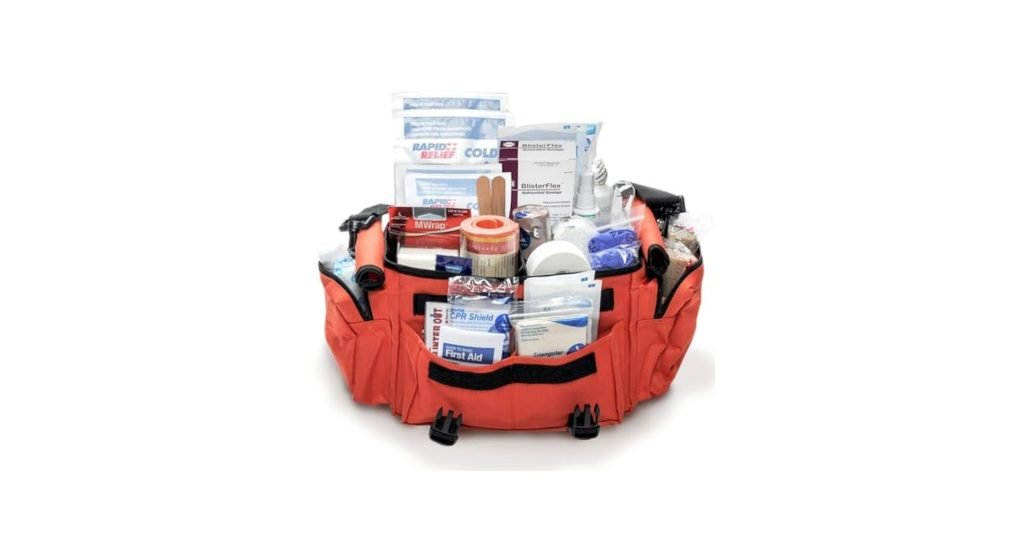
When you’re out on the ice, every second counts—especially if an injury happens. Having the right Ice Hockey First Aid Kit by your side can make all the difference between a quick recovery and a game-ending setback.
You never know when a sudden cut, bruise, or sprain might occur, so being prepared isn’t just smart—it’s essential. In this guide, you’ll discover exactly what your kit needs to have, how to use each item, and why being ready can keep you and your team in the game.
Keep reading to make sure your next hockey game is safe and injury-ready.
Key Items For Ice Hockey First Aid Kit
Ice hockey is a thrilling and fast-paced sport, but its intensity can lead to injuries. Having a well-stocked first aid kit is crucial for immediate treatment and to ensure the safety and well-being of players. Whether you’re a coach, player, or parent, understanding the key items for an ice hockey first aid kit will prepare you for any unexpected mishaps on the ice.
Wound Care Supplies
First on the list are supplies for treating cuts and scrapes. Bandages and gauze pads are essential for covering wounds and preventing infection. Antiseptic wipes and ointments should be part of your kit to clean injuries thoroughly.
Consider adding butterfly closures for cuts that need to be held together securely. These small items can make a big difference in managing minor injuries effectively.
Cold Therapy Essentials
Ice packs are indispensable for reducing swelling and numbing pain. After a hard fall or collision, applying cold therapy can significantly speed up recovery. Include instant ice packs for convenience, as they don’t require refrigeration.
You might also want to include reusable gel packs that can be chilled in advance. They are flexible and conform to any body part, providing targeted relief.
Pain Relief Options
Over-the-counter pain relievers like ibuprofen or acetaminophen can help manage discomfort from injuries. These should be used responsibly and with consideration of any allergies or medical conditions.
Topical pain relief creams can also be useful for soothing muscle aches or minor joint pain. They offer a quick and easy way to relieve discomfort without the need for medication.
Protective Gear
While not traditionally part of a first aid kit, having spare protective gear can be a lifesaver. Replacement mouthguards or extra pairs of gloves can prevent minor injuries from escalating.
Sometimes equipment breaks or gets lost during the game; having spares ensures players can continue to play safely. What would you add to your kit to ensure you’re prepared for anything?

Credit: www.amazon.com
Choosing The Right First Aid Kit
Choosing the right first aid kit for ice hockey is crucial for quick and effective injury care. The kit must fit the needs of players and the fast pace of the sport. It should be easy to carry and hold all essential items.
Consider the environment and types of injuries common in ice hockey. This helps in picking a kit that is both practical and reliable. The right kit supports safety and confidence on the ice.
Size And Portability
A first aid kit must be compact yet spacious enough for all supplies. Portability allows coaches and players to carry it easily during games and practice. Lightweight kits reduce hassle and encourage regular use.
Look for kits that fit in backpacks or hockey bags without taking much space. A good balance between size and content is key.
Durability And Waterproofing
Ice hockey involves cold and wet conditions. A durable first aid kit resists tears and damage from rough handling. Waterproof or water-resistant materials keep supplies dry and safe.
Check for sturdy zippers and reinforced seams. These features extend the kit’s life and ensure readiness when needed.
Pre-packaged Vs Custom Kits
Pre-packaged kits come ready with common supplies. They save time but may lack specific items needed for ice hockey injuries. Custom kits allow tailoring to exact needs.
Choose custom kits to include items like tape, cold packs, and bandages suited for hockey. This ensures all critical supplies are on hand.
Maintaining And Restocking The Kit
Maintaining and restocking an ice hockey first aid kit ensures it is always ready for emergencies. Regular care keeps supplies effective and easy to find. This helps players get quick treatment and reduces injury risks.
Regular Inspection
Check the kit at least once a month. Look for damaged or used items. Make sure everything is clean and sealed. Note any missing supplies to replace them soon.
Replacing Expired Items
First aid supplies often have expiration dates. Replace expired bandages, ointments, and medications. Using fresh items ensures safety and proper healing. Keep a list of expiration dates for easy tracking.
Organizing For Quick Access
Arrange items by category for fast retrieval. Use clear containers or labels to separate supplies. Place the most used items at the top. This saves time during an emergency.
First Aid Tips For Common Ice Hockey Injuries
Playing ice hockey means facing fast-paced action and physical contact, which can lead to injuries. Knowing how to handle common ice hockey injuries quickly helps you stay safe on the ice and ensures the game goes on smoothly. Here are practical first aid tips you can use right away if you or a teammate get hurt.
Treating Cuts And Scrapes
Ice hockey involves sharp skate blades and rough falls, so cuts and scrapes happen often. Clean the wound immediately with water to remove dirt and debris. Use an antiseptic wipe from your first aid kit to prevent infection.
After cleaning, apply a sterile dressing or bandage to protect the area. Change the bandage regularly and watch for signs of infection like redness or swelling. Do you keep extra bandages in your kit? They can make all the difference when multiple players get minor cuts during a game.
Managing Sprains And Strains
Sprains and strains are common due to sudden twists and impacts on the ice. Apply the R.I.C.E. method: Rest the injured area, Ice it to reduce swelling, Compress with an elastic bandage, and Elevate it above heart level.
Use ice packs from your first aid kit, but never apply ice directly to the skin. Wrap it in a cloth first to avoid frostbite. Have you ever ignored a sprain thinking it’s minor? Taking care early can prevent long-term damage and keep you playing longer.
Handling Concussions
Concussions can occur after a hard hit or fall, even if the player feels okay initially. Look for symptoms like headache, dizziness, confusion, or nausea. If you suspect a concussion, remove the player from the game immediately and seek medical help.
Do not let the player return to the ice until cleared by a healthcare professional. Keeping a concussion checklist in your first aid kit can help you quickly assess the situation. How prepared are you to recognize these subtle but serious signs?
Dealing With Frostbite
Cold temperatures and wet gear increase the risk of frostbite, especially on fingers, toes, and ears. If you notice pale, numb, or hard skin, move the player to a warmer place right away.
Gently warm the affected area with body heat or warm (not hot) water. Avoid rubbing or applying direct heat, as this can cause more damage. Do you regularly check teammates’ extremities during cold games? Early detection can prevent serious tissue injury.
Training And Preparedness
Training and preparedness are key in managing injuries during ice hockey. Having the right first aid kit is not enough. Everyone involved must know how to use it properly. Proper training can reduce injury severity and speed up recovery. Teams and coaches should build skills and plans for emergencies. This creates a safer environment on the ice.
Basic First Aid Skills
Knowing basic first aid helps handle common hockey injuries. Skills like treating cuts, bruises, and sprains are essential. Learning how to stop bleeding and apply bandages can prevent bigger problems. CPR knowledge is also important for serious situations. These skills keep players safe until professional help arrives.
Emergency Response Plans
Every team needs a clear emergency response plan. This plan outlines steps to follow during injuries. It includes who calls for help, who treats the player, and where to find the first aid kit. Plans should cover all possible injuries and situations. Regular practice of these plans ensures quick action in real cases.
Coach And Player Education
Coaches and players must understand injury risks and prevention. Education sessions teach how to avoid dangerous plays. They learn to recognize early signs of injuries like concussions. Awareness helps players report problems quickly. Coaches can then act fast to reduce harm and protect players.

Credit: www.amazon.com

Credit: www.amazon.com
Frequently Asked Questions
What Essential Items Are In An Ice Hockey First Aid Kit?
An ice hockey first aid kit includes bandages, antiseptic wipes, ice packs, pain relievers, scissors, and tape. These items treat cuts, bruises, and minor injuries quickly during games or practice.
How Do I Choose The Best First Aid Kit For Ice Hockey?
Choose a kit with sport-specific supplies like instant cold packs and wound dressings. Ensure it is portable, well-organized, and includes instructions for common ice hockey injuries.
Why Is A First Aid Kit Important In Ice Hockey?
A first aid kit provides immediate care for injuries like cuts, sprains, and bruises. Quick treatment reduces infection risks and helps players return to the game safely.
How Often Should Ice Hockey First Aid Kits Be Checked?
Check your ice hockey first aid kit before every game or practice. Regularly replace expired or used supplies to ensure readiness for emergencies.
Conclusion
An ice hockey first aid kit keeps players safe and ready. Injuries happen fast, so quick care matters most. Pack all basics like bandages, tape, and cold packs. Check the kit often to replace used or old items. Coaches, players, and parents should know where it stays.
Being prepared helps everyone feel confident on the ice. Safety should always come before the thrill of the game. A well-stocked first aid kit is a smart choice. Stay ready, play safe, and enjoy every hockey moment.

I’m Abby Lu, a passionate home cook who loves simplifying everyday meals. At PlugChef.com, I share product reviews and cooking guides to help you find the best tools for your kitchen.
Related posts:
 What Type of Cooking Utensils are Safe: Expert Picks
 What Innovations Could Blenders Make: Unleashing Future Tech
 Smart Strategies to Organize a Small Kitchen: Maximize Space
 How to Organize a Kitchen Cabinet: Expert Tips & Tricks
 How to Organize Kitchen Drawers: Expert Tips and Tricks
 How to Organize a Corner Kitchen Cupboard: Expert Tips

