
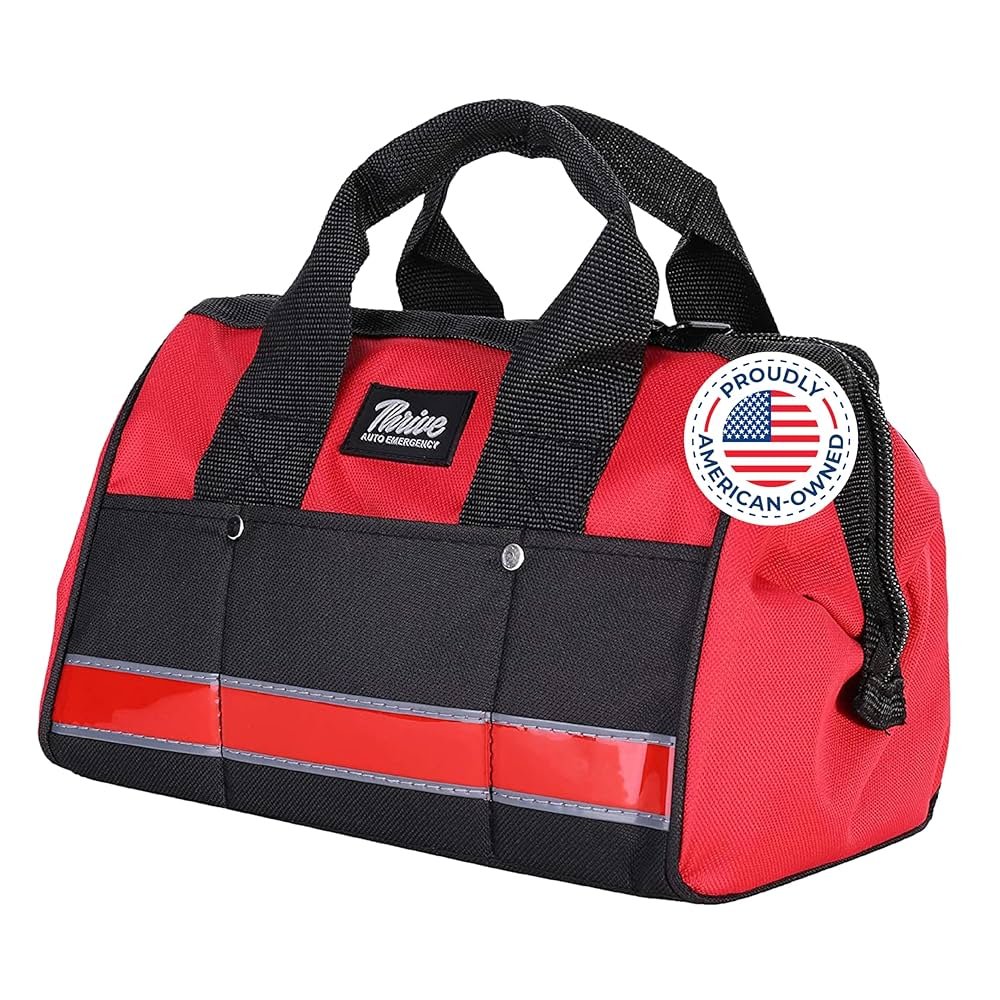
Imagine you’re on a long haul, miles away from help, and suddenly someone in your truck needs urgent care. Do you have the right tools to handle the situation?
Your truck’s first aid kit could be the difference between a small injury and a serious problem. You’ll discover exactly what to include in your first aid kit for your truck, why it matters, and how being prepared can keep you and your passengers safe on the road.
Keep reading—your safety depends on it.
Importance Of First Aid Kits In Trucks
Trucks are the lifeblood of our roads, hauling goods across vast distances. Yet, amidst the hustle and bustle of highways, accidents can occur unexpectedly. Having a first aid kit in your truck is not just a matter of safety but a necessity. It’s not only about complying with regulations but also ensuring the well-being of drivers and passengers. Let’s dive into why a first aid kit is essential for every truck.
Safety On The Road
Picture this: You’re cruising down the highway, and suddenly, an accident happens. With a well-stocked first aid kit, you can swiftly address minor injuries until professional help arrives. Whether it’s a small cut or a sprain, immediate action can prevent further complications. Your readiness can make a significant difference in the aftermath of a road mishap.
Legal Requirements
Did you know that carrying a first aid kit in your truck is often a legal requirement? Many regions mandate it as part of safety regulations. Compliance isn’t just about avoiding fines; it’s about being prepared for emergencies. Make sure your kit meets local standards, ensuring you’re always on the right side of the law.
Peace Of Mind For Drivers
Driving long distances can be taxing. Knowing you have a first aid kit can ease anxiety, allowing you to focus on the road. The peace of mind it brings is invaluable. What if you’re miles away from the nearest hospital? Your first aid kit is your first responder, ready to offer comfort and care when needed.

Credit: www.amazon.com
Must-have Items In A Truck First Aid Kit
Having a well-stocked first aid kit in your truck is essential for handling unexpected injuries or emergencies on the road. Knowing exactly what items to keep can save you valuable time and reduce stress when every second counts. Let’s break down the must-have items that ensure your kit is ready for any situation.
Basic Medical Supplies
Your first aid kit should include essential medical supplies that treat common injuries quickly and effectively. Stock up on adhesive bandages in various sizes to cover cuts and scrapes, sterile gauze pads for larger wounds, and adhesive tape to secure dressings.
Don’t forget antiseptic wipes or solutions to clean wounds and prevent infection. Including scissors and tweezers is crucial for removing debris or cutting tape. Pain relief tablets like ibuprofen or acetaminophen can provide quick comfort during long waits for professional help.
Emergency Tools
Emergency tools add a vital layer of preparedness beyond basic medical care. A CPR mask with a one-way valve can protect you while performing resuscitation, increasing safety for both you and the injured person.
Including a flashlight with extra batteries ensures you can handle injuries in low-light conditions. A whistle helps signal for help if you’re stranded or need to attract attention. These tools might seem simple, but they dramatically improve your ability to respond to emergencies.
Personal Protective Equipment
Protecting yourself is just as important as helping others. Gloves made of nitrile or latex prevent contact with blood or bodily fluids, reducing infection risk.
A face shield or disposable mask offers an extra barrier during close contact emergencies. Think about your safety first—without it, you won’t be able to assist anyone effectively. Are you prepared to keep yourself safe while helping others?
Choosing The Right First Aid Kit
Choosing the right first aid kit for a truck is essential for safety on the road. A well-equipped kit can handle minor injuries quickly. It also provides peace of mind during long trips. Consider key factors to find a kit that suits truck drivers’ needs and challenges.
Size And Portability
First aid kits must fit easily inside the truck cabin. Compact kits save space and stay accessible. Portability allows quick response in emergencies. A heavy or bulky kit may stay unused. Choose a kit that balances size and capacity. It should hold all necessary supplies without being hard to carry.
Durability And Weather Resistance
Truck environments can be harsh and unpredictable. Kits must resist dust, moisture, and impacts. A durable case protects supplies from damage. Water-resistant or waterproof kits keep contents dry. This ensures bandages and medicines stay effective. Tough construction extends the kit’s life. It should withstand vibrations and rough handling during drives.
Compliance With Regulations
Some areas require specific first aid kit contents for trucks. Compliance with local laws avoids fines and ensures readiness. Kits should include items listed by transport authorities. Check for labels or certifications confirming compliance. Regulations may vary by region or cargo type. Update kits regularly to meet changing rules and replace expired items.
Maintaining And Restocking Your Kit
Keeping your truck’s first aid kit ready can make a huge difference during emergencies. It’s not enough to just have the kit on board—you need to maintain and restock it regularly. This ensures every item is functional and suited to your specific needs, giving you confidence on the road.
Regular Inspections
Check your first aid kit at least once every three months. Look for damaged packaging, missing items, or anything that looks worn out. A quick inspection can save you from surprises when you need the kit most.
Try setting a reminder on your phone to stay consistent. When I missed regular checks, I found expired ointments that wouldn’t help in an emergency. Don’t let that happen to you.
Replacing Expired Items
Every item in your first aid kit has a shelf life. Expired bandages, antiseptics, or medications can lose their effectiveness or even become unsafe. Check expiration dates carefully and replace anything past its prime.
Keep a small list of essentials with their expiration dates to track replacements easily. You might be surprised how fast some items expire, especially creams and wipes. How often have you overlooked this in your kit?
Customizing For Specific Needs
Think about your routes, climate, and the type of cargo you carry. Your kit should reflect those factors. For instance, if you transport chemicals, add burn creams or eye wash solutions specific to those risks.
Also, consider personal health conditions of you or your team. Extra allergy medications or specific pain relievers can be lifesavers. Tailoring your kit isn’t just smart—it’s essential for real-world readiness.
First Aid Tips For Truck Drivers
Truck drivers spend long hours on the road, often far from immediate medical help. Knowing basic first aid can make a big difference in emergencies. Your first aid kit is only as useful as your knowledge of how to use it effectively.
Basic Injury Care
Start by cleaning wounds carefully to prevent infection. Use antiseptic wipes or clean water to rinse cuts and scrapes.
Apply sterile gauze or bandages to stop bleeding. Remember to press firmly but gently, avoiding too much pressure that could cause more pain.
For burns, cool the area with running water for at least 10 minutes. Avoid applying creams or oily substances that could trap heat.
Handling Common Emergencies
Know how to recognize signs of dehydration, especially during hot weather. Offer water and rest if you or a fellow driver feels dizzy or weak.
In case of choking, encourage coughing first. If that fails, use back blows or abdominal thrusts carefully.
Always keep a CPR mask in your kit and refresh your skills regularly. Your quick response could save a life before paramedics arrive.
When To Seek Professional Help
Some injuries need immediate medical attention. Deep wounds, heavy bleeding, or signs of shock such as pale skin and confusion require urgent care.
Severe burns, chest pain, or difficulty breathing are emergencies where waiting isn’t an option. Don’t hesitate to call emergency services or head to the nearest hospital.
Ask yourself: are you confident handling this situation alone? If not, professional help is the safest choice. Your health and safety come first on the road.

Credit: www.amazon.com
Additional Safety Gear To Consider
Besides a well-stocked first aid kit, having additional safety gear in your truck can make a huge difference during emergencies. These items not only help protect you but also alert others to your situation. Think about what could keep you safer if you were stranded or dealing with a fire—do you have the right tools on hand?
Fire Extinguishers
A fire extinguisher is a must-have for any truck. Fires can start unexpectedly from engine problems or accidents. Keeping a portable fire extinguisher within easy reach lets you act fast and potentially stop a small fire before it becomes dangerous.
Choose one rated for multiple types of fires, especially those involving fuel or electrical equipment. Make sure it’s regularly checked and fully charged—an expired extinguisher won’t help when you need it most.
Reflective Triangles
Reflective triangles are essential for alerting other drivers if you break down or stop on the roadside. They improve your visibility, especially at night or in bad weather. Without them, you risk being overlooked, which can lead to dangerous collisions.
Place these triangles a good distance behind your truck to give oncoming traffic plenty of warning. Keep at least three triangles in your truck, and practice setting them up quickly so you’re ready in an emergency.
Emergency Blankets
Emergency blankets might seem simple, but they serve multiple purposes. They help retain body heat if you’re stuck in cold weather and can also be used as a shelter or signal for help. These lightweight, compact items are easy to store and carry in your truck.
Have you ever been caught waiting hours in the cold after a breakdown? An emergency blanket could be the difference between staying warm or risking hypothermia. Keep one within your first aid kit or glove box for quick access.

Credit: www.amazon.com
Frequently Asked Questions
What Essential Items Should A Truck First Aid Kit Have?
A truck first aid kit should include bandages, antiseptic wipes, adhesive tape, scissors, gloves, pain relievers, and a CPR mask. These items address common injuries and emergencies on the road, ensuring quick and effective care during travel.
How Often Should A Truck First Aid Kit Be Checked?
Check your truck first aid kit every 3 to 6 months. Regular inspections ensure supplies are stocked, unexpired, and in good condition. This helps maintain readiness for any emergency while driving.
Why Is A First Aid Kit Important For Truck Drivers?
A first aid kit is crucial for truck drivers because it provides immediate care for injuries or medical emergencies. Quick treatment can prevent complications and improve safety during long hauls or remote locations.
Can I Customize My Truck First Aid Kit?
Yes, customize your truck first aid kit based on your route, climate, and personal medical needs. Adding extra supplies like allergy medication or burn cream can enhance preparedness on the road.
Conclusion
A first aid kit keeps truck drivers safe on the road. It helps treat small injuries fast. Always check your kit before every trip. Replace used or expired items quickly. Carrying a well-stocked kit is smart and responsible. It gives peace of mind during emergencies.
Don’t wait for accidents to happen. Stay prepared, stay safe, and protect yourself. A simple kit can make a big difference. Safety starts with being ready at all times.

I’m Abby Lu, a passionate home cook who loves simplifying everyday meals. At PlugChef.com, I share product reviews and cooking guides to help you find the best tools for your kitchen.
Related posts:
 What Type of Cooking Utensils are Safe: Expert Picks
 What Innovations Could Blenders Make: Unleashing Future Tech
 Smart Strategies to Organize a Small Kitchen: Maximize Space
 How to Organize a Kitchen Cabinet: Expert Tips & Tricks
 How to Organize Kitchen Drawers: Expert Tips and Tricks
 How to Organize a Corner Kitchen Cupboard: Expert Tips

