
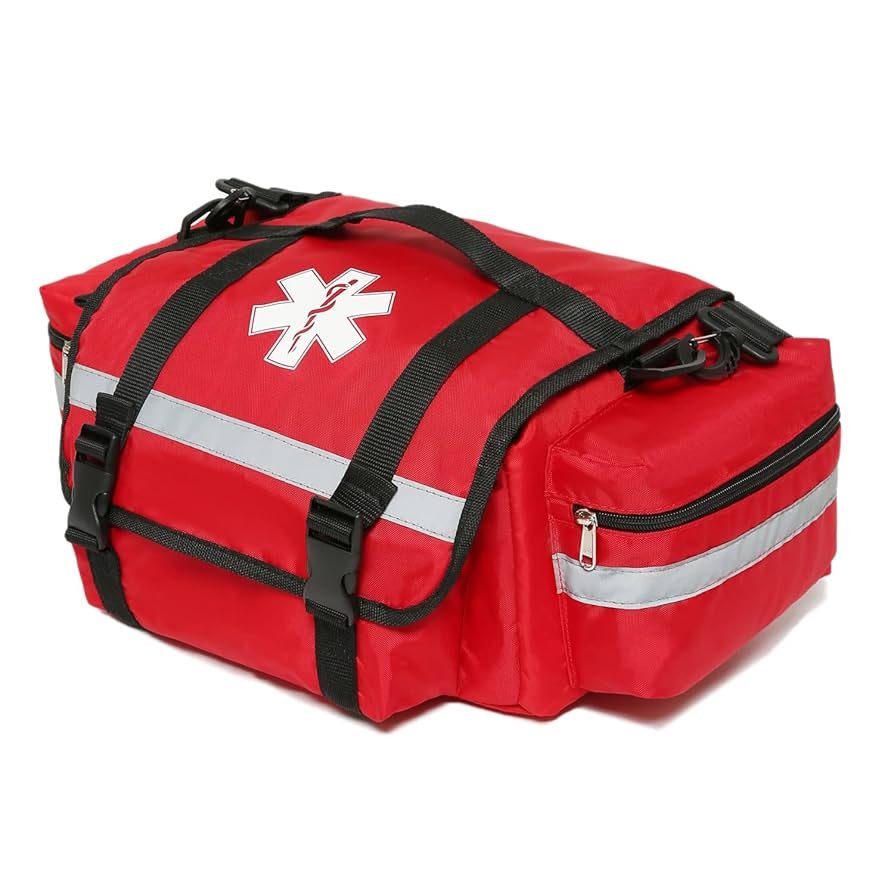
Imagine reaching for your first aid kit during an emergency, only to find it’s an empty bag. How would you feel?
Frustrated, unprepared, and maybe even helpless. Your first aid kit should be your safety net, ready to protect you and your loved ones when it matters most. But an empty bag is nothing more than a missed opportunity to act fast and stay safe.
You’ll discover why having a fully stocked first aid kit is crucial, how to avoid the empty bag trap, and simple steps you can take right now to be ready for anything. Don’t wait until it’s too late—your peace of mind depends on it.
Signs Your First Aid Kit Is Empty
Having a well-stocked first aid kit is essential for handling emergencies. Knowing the signs of an empty kit can save lives. Missing items can lead to delays in treatment. Regular checks are necessary to ensure readiness in critical moments.
Common Items Missing
Identifying missing items is crucial for maintaining a functional kit. Essential supplies often vanish unnoticed. Bandages and gauze are frequently used and may run out quickly. Antiseptic wipes and creams also deplete fast due to frequent use. Missing scissors or tweezers can hinder the ability to handle minor injuries. Pain relievers and allergy medications might be absent after multiple uses.
Risks Of An Incomplete Kit
An incomplete kit poses serious risks during emergencies. Lack of proper supplies can worsen injuries. Delayed treatment increases the chance of infection. Missing pain relief can lead to discomfort during treatment. Without proper tools, minor injuries may escalate. An incomplete kit diminishes the ability to provide immediate care, affecting recovery speed.

Credit: www.amazon.com
Must-have Items For Every Kit
Every first aid kit needs essential items for quick response. A well-stocked kit helps you handle minor injuries safely. It saves time and reduces risk before professional help arrives. Knowing what to include ensures your kit is ready for many situations.
Basic Medical Supplies
- Adhesive bandages in various sizes
- Sterile gauze pads and dressings
- Medical tape for securing bandages
- Antiseptic wipes or solutions
- Disposable gloves to avoid contamination
- Scissors and tweezers for cutting and removing debris
- Elastic bandages for sprains or strains
Tools And Equipment
- Thermometer to check body temperature
- CPR face shield for safe resuscitation
- Instant cold packs to reduce swelling
- Flashlight with extra batteries for visibility
- Safety pins for fastening bandages or slings
- Emergency blanket to keep warm
Medications To Include
- Pain relievers like acetaminophen or ibuprofen
- Antihistamines for allergic reactions
- Antacid tablets for stomach upset
- Hydrocortisone cream for skin irritations
- Antibiotic ointment to prevent infection
- Laxatives or anti-diarrheal medicine as needed
Quick Restocking Strategies
Running out of first aid supplies can happen anytime. Quick restocking keeps your kit ready for emergencies. Focus on speed and efficiency. Know what to replace first. Find sources that deliver fast. Use tools that save time. These strategies help rebuild your kit without delay.
Prioritizing Essential Items
Start by listing critical supplies. Bandages, antiseptics, pain relievers top the list. Check what you used last or what is missing. Replace items that expire soon. Focus on materials for common injuries like cuts and burns. Keep a small checklist for easy tracking.
Where To Buy Supplies Fast
Local pharmacies and stores offer quick access. Many have basic first aid items ready. Online shops provide speedy delivery options. Choose stores with same-day or next-day shipping. Emergency supply shops often stock everything needed. Keep a list of trusted suppliers nearby.
Using Pre-packaged Kits
Pre-packaged kits save time in restocking. They contain most essentials in one box. Choose kits based on your needs and kit size. Use them to refill your empty bag quickly. Some kits are designed for specific emergencies. Store a backup kit for urgent refills.
Organizing Your Restocked Kit
Organizing your restocked first aid kit helps save time during emergencies. A well-arranged kit lets you find supplies quickly. Proper organization also ensures you keep track of what you have and what you need. This section covers easy ways to pack and label your kit for fast access and clear inventory.
Packing Tips For Easy Access
Group items by type and use inside your kit. Place frequently used items, like bandages and antiseptics, near the top. Use small clear bags or pouches to separate supplies. This keeps everything neat and visible. Keep sharp tools, like scissors and tweezers, in a secure spot. Avoid overfilling the kit to prevent damage or spills.
- Sort by category: wound care, medications, tools
- Use transparent pouches for quick visibility
- Keep essential items at the top
- Secure sharp objects safely
- Leave some space for future additions
Labeling And Inventory
Label each pouch or section clearly. Use simple words and large fonts for easy reading. Create an inventory list and place it inside the kit. Check this list regularly to update supplies. Mark expiration dates on items to avoid using old products. Labeling reduces stress during emergencies. It helps anyone use the kit confidently and correctly.
- Write clear labels for each section
- Keep a printed inventory checklist inside
- Note expiration dates on all products
- Update the list after restocking
- Use waterproof labels for durability
Maintaining Your First Aid Kit
Maintaining your first aid kit ensures it is ready during emergencies. A well-kept kit saves time and reduces stress. Regular care keeps supplies fresh and useful. It helps avoid surprises when you need help the most.
Regular Checks And Updates
Check your first aid kit every three months. Look for missing or damaged items. Make a list of what to replace or add. Keep the kit clean and dry. Store it in an easy-to-reach place. Update the contents based on changing needs, like new family members or activities.
Replacing Expired Items
Expired items lose their effectiveness. Check expiration dates on medicines and ointments. Replace any that are out of date. Discard damaged or opened items. Use a calendar reminder to help track expiration. Fresh supplies ensure safety and proper care when needed.

Credit: www.amazon.com

Credit: www.amazon.com
Frequently Asked Questions
What Is A First Aid Kit Empty Bag?
A first aid kit empty bag is a portable container. It holds first aid supplies for emergencies. It allows users to customize their kit with needed items.
Why Choose An Empty First Aid Kit Bag?
An empty bag offers flexibility. You can add specific medical supplies based on your needs. It’s ideal for personalizing and organizing your first aid essentials.
How To Organize A First Aid Kit Empty Bag?
Sort items by category like bandages, antiseptics, and tools. Use small pouches inside for better accessibility. Label compartments to find supplies quickly during emergencies.
Where Can I Buy A First Aid Kit Empty Bag?
You can buy empty first aid bags online or at outdoor stores. Check for durable, waterproof materials and adequate size. Choose one with compartments for better organization.
Conclusion
An empty first aid kit bag shows a need for preparation. Keep it stocked with basic items for safety. Check supplies often to avoid surprises in emergencies. A ready kit helps you act fast and stay calm. Don’t wait for accidents to happen before filling it up.
Safety starts with simple steps and good habits. Be ready, be safe, and protect those around you.

I’m Abby Lu, a passionate home cook who loves simplifying everyday meals. At PlugChef.com, I share product reviews and cooking guides to help you find the best tools for your kitchen.
Related posts:
 What Type of Cooking Utensils are Safe: Expert Picks
 What Innovations Could Blenders Make: Unleashing Future Tech
 Smart Strategies to Organize a Small Kitchen: Maximize Space
 How to Organize a Kitchen Cabinet: Expert Tips & Tricks
 How to Organize Kitchen Drawers: Expert Tips and Tricks
 How to Organize a Corner Kitchen Cupboard: Expert Tips

