
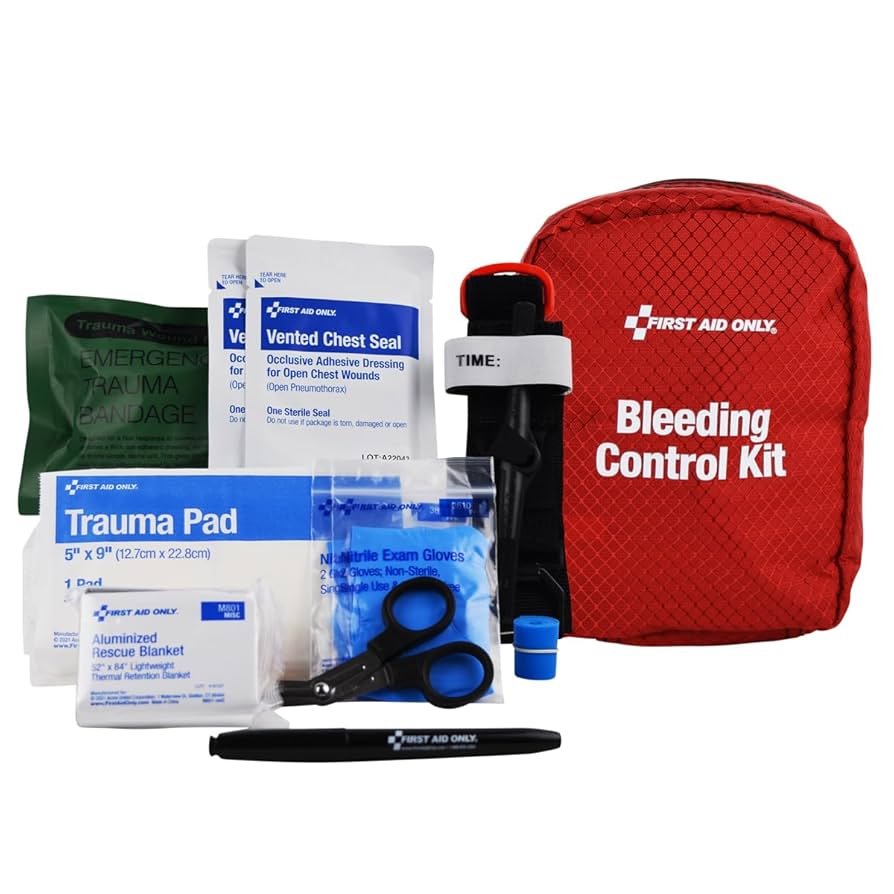
Imagine a moment when you or someone close to you gets a cut or scrape that won’t stop bleeding. What will you do?
Having the right first aid kit for open wounds can make all the difference between a quick recovery and a painful, dangerous infection. You might think any kit will do, but the truth is, your kit needs specific items to handle open wounds properly.
You’ll discover exactly what should be in your first aid kit and why each item matters. Keep reading, because being prepared could save you from panic—and serious harm—when it counts the most.
Types Of Open Wounds
Open wounds include cuts, abrasions, punctures, and lacerations, each needing specific care. A well-stocked first aid kit helps treat these wounds quickly and safely. Proper supplies prevent infection and support faster healing.
Open wounds come in various forms, each requiring specific care and attention. Understanding the types of open wounds is crucial for effective treatment. Knowing these types helps ensure proper first aid and reduces the risk of infection. Let’s explore the different types of open wounds.Cuts And Lacerations
Cuts and lacerations are common injuries. They occur when the skin is sliced or torn. These wounds can vary in depth and length. Sharp objects like knives often cause cuts. Lacerations might result from accidents involving machinery or glass. Immediate cleaning and bandaging help prevent infection.Abrasions And Scrapes
Abrasions and scrapes happen when the skin rubs against rough surfaces. These wounds are usually shallow but can be painful. Falling or sliding accidents often lead to abrasions. They remove the top layers of skin. Dirt and debris may get embedded. Cleaning is essential to avoid complications.Puncture Wounds
Puncture wounds are caused by pointed objects. Nails, needles, or animal bites can lead to punctures. They may appear small but penetrate deeply. Infection risk is high due to bacteria entering the wound. Prompt cleaning and monitoring are crucial for healing.Avulsions And Amputations
Avulsions involve skin and tissue being torn away. They are often severe and require immediate care. Accidents or animal attacks can cause avulsions. Amputations refer to the loss of a limb or digit. Both need urgent medical attention. Proper first aid can save lives and limbs.
Credit: www.amazon.com
Key Items For Cleaning Wounds
Cleaning an open wound properly is crucial to prevent infection and promote faster healing. Having the right items in your first aid kit can make this task much easier and more effective. Let’s look at the essential tools you should always have on hand for cleaning wounds safely and thoroughly.
Sterile Saline Solution
Sterile saline solution is one of the best options for rinsing open wounds. It gently washes away dirt and debris without irritating the tissue or causing pain. Unlike tap water, saline is free from bacteria, making it safer for wound care.
Many people overlook saline solution, but it’s worth keeping a small bottle in your kit. Have you ever tried cleaning a wound with just water and felt unsure if it was enough? Saline removes that uncertainty by providing a clean rinse that supports healing.
Antiseptic Wipes
Antiseptic wipes are convenient for quickly disinfecting the area around a wound. They kill germs on contact, reducing the risk of infection. These wipes are especially useful when you’re on the go and don’t have access to running water.
Choose wipes that contain ingredients like iodine or chlorhexidine, as they are effective against a broad range of bacteria. Just remember to use them gently; harsh scrubbing can damage delicate skin and slow recovery.
Cotton Balls And Swabs
Cotton balls and swabs help apply saline or antiseptics precisely where you need them. They allow for gentle cleaning and can reach small or awkward areas without causing further injury. Plus, they are inexpensive and easy to store.
Many first aid kits miss these simple tools, but they play a vital role in wound care. Next time you clean a cut, notice how much easier it is to control the cleaning solution with cotton swabs rather than pouring it directly.
Materials For Dressing Wounds
Dressing an open wound properly is vital to stop bleeding and prevent infection. The right materials help keep the wound clean and promote healing. A well-stocked first aid kit includes several types of dressings. Each type serves a specific purpose depending on the wound’s size and severity.
Sterile Gauze Pads
Sterile gauze pads are soft and absorbent. They soak up blood and fluids from the wound. These pads create a barrier against dirt and germs. Use them to cover large or deep wounds. Always choose sterile pads to avoid introducing bacteria.
Adhesive Bandages
Adhesive bandages are small and easy to use. They stick directly to the skin around minor cuts and scrapes. These bandages protect wounds from dust and bacteria. They also help keep the wound moist, which speeds healing. Choose different sizes for various wound types.
Non-stick Dressings
Non-stick dressings prevent the wound from sticking to the bandage. This reduces pain during dressing changes. They are ideal for burns, abrasions, and sensitive wounds. These dressings allow air to reach the wound while keeping it clean. Use them under gauze or adhesive bandages for better protection.

Credit: rescue-essentials.com
Tools For Wound Care
Proper tools are essential for caring for open wounds. They help clean, protect, and promote healing. A well-equipped first aid kit makes treating wounds easier and safer.
Tweezers And Scissors
Tweezers remove dirt, glass, or debris from wounds. Clean tweezers reduce infection risk. Scissors cut bandages and tape to size. Sharp, clean scissors ensure smooth cuts without pain.
Disposable Gloves
Disposable gloves protect both the caregiver and the patient. They prevent germs from spreading. Always wear gloves before touching open wounds. Change gloves if they become torn or dirty.
Medical Tape
Medical tape holds dressings securely in place. It sticks well but is gentle on skin. Choose tape that breathes to avoid irritation. Proper taping keeps wounds covered and clean.
Medications And Ointments
Medications and ointments play a vital role in treating open wounds. They help prevent infection, reduce pain, and speed up healing. Keeping the right supplies in a first aid kit ensures quick and effective care.
Antibiotic Ointments
Antibiotic ointments stop bacteria from growing in wounds. They lower the chance of infection and help wounds heal faster. Applying a thin layer on clean wounds is best. Common options include bacitracin and neomycin. Always check for allergies before use.
Pain Relievers
Pain relievers ease discomfort from cuts and scrapes. Over-the-counter options like acetaminophen and ibuprofen work well. They reduce pain and inflammation. Taking the right dose is important. Store these medications safely in your kit.
Hydrocortisone Cream
Hydrocortisone cream reduces itching and swelling around wounds. It calms skin irritation caused by insect bites or rashes. Use it sparingly and avoid open wounds. This cream helps keep the area comfortable during healing.
Additional First Aid Essentials
First aid kits for open wounds need more than just bandages and antiseptics. Some extra items help manage pain, reduce swelling, and provide critical information quickly. These additions improve care and comfort after injuries.
Cold Packs
Cold packs help reduce swelling and numb pain. They slow blood flow to the injured area, which lowers bruising and inflammation. Keep reusable or instant cold packs in your first aid kit for quick relief. Wrap cold packs in a cloth to protect the skin.
Elastic Bandages
Elastic bandages provide support and hold dressings in place firmly. They help control bleeding by applying gentle pressure. These bandages are flexible and fit different body parts, including arms and legs. Use elastic bandages to secure wound coverings without cutting off circulation.
Emergency Contact Information
Having emergency contact details is vital during injuries. Keep a list of important phone numbers inside your first aid kit. Include local emergency services, family members, and doctors. This information speeds up help and reduces stress in urgent situations.
Tips For Maintaining Your Kit
Maintaining your first aid kit for open wounds ensures it works well during emergencies. A well-kept kit saves time and helps you act fast. Simple care keeps supplies ready and reliable. Check your kit often to avoid surprises.
Regularly Check Expiry Dates
Medicines and bandages can expire and lose effectiveness. Look at each item’s expiry date every few months. Replace anything that is near or past its date. Expired items may not heal wounds properly. This small habit protects health and safety.
Keep Items Organized
Organize your kit so you find items quickly. Use small boxes or bags for different supplies. Label sections for bandages, antiseptics, and tools. Order saves time and reduces stress during first aid. Keep a list of contents to track what you have.
Store In A Waterproof Container
Moisture can damage bandages and medicines. Use a waterproof box or bag to protect the kit. Keep it in a cool, dry place away from sunlight. A dry kit keeps supplies clean and usable. Protect your kit from water and humidity at all times.

Credit: www.amazon.com
Frequently Asked Questions
What Essential Items Are In A First Aid Kit For Open Wounds?
A first aid kit for open wounds includes sterile gauze, adhesive bandages, antiseptic wipes, tweezers, medical tape, and antibiotic ointment. These items help clean, protect, and cover wounds to prevent infection and promote healing.
How Do I Clean An Open Wound Before Dressing?
Clean an open wound by rinsing it gently with clean water. Use antiseptic wipes to remove dirt and bacteria. Avoid harsh scrubbing to prevent tissue damage. Always wash your hands before treating the wound to maintain hygiene.
When Should I Replace The First Aid Kit Supplies?
Replace first aid kit supplies immediately after use or when they expire. Regularly check the kit every six months to ensure all items are sterile and functional. Keeping the kit updated ensures readiness for emergencies.
Can I Use Household Items In Treating Open Wounds?
Avoid using household items like cotton balls or tape not meant for wounds. These can introduce fibers or cause allergies. Always use sterile, medical-grade materials from a proper first aid kit for safe treatment.
Conclusion
A first aid kit for open wounds saves time and pain. Keep it stocked with clean bandages, antiseptics, and gloves. Treat wounds quickly to avoid infection and speed healing. Knowing how to use each item is important. Stay prepared for accidents at home or outdoors.
A simple kit can make a big difference in emergencies. Always check and replace expired supplies. Being ready helps protect yourself and others. Safety starts with having the right tools close by.

I’m Abby Lu, a passionate home cook who loves simplifying everyday meals. At PlugChef.com, I share product reviews and cooking guides to help you find the best tools for your kitchen.
Related posts:
 What Type of Cooking Utensils are Safe: Expert Picks
 What Innovations Could Blenders Make: Unleashing Future Tech
 Smart Strategies to Organize a Small Kitchen: Maximize Space
 How to Organize a Kitchen Cabinet: Expert Tips & Tricks
 How to Organize Kitchen Drawers: Expert Tips and Tricks
 How to Organize a Corner Kitchen Cupboard: Expert Tips

