
When it comes to caring for your horse, being prepared can make all the difference. Imagine facing an unexpected injury or health issue and not having the right supplies on hand.
That’s where your equine first aid kit comes in. But what exactly should you include to handle emergencies quickly and confidently? This checklist will guide you step-by-step, helping you build a kit that keeps your horse safe and gives you peace of mind.
Keep reading—your horse’s well-being depends on it.
Basic Supplies
Having a well-stocked equine first aid kit is crucial for horse owners. Basic supplies are the foundation of this kit, providing essential tools for immediate care. These items ensure you can address minor injuries and prevent infections. Let’s delve into the key components of your equine first aid kit.
Bandages And Dressings
Bandages are crucial for wound protection and support. Keep a variety of sizes to suit different injuries. Include sterile gauze pads for covering wounds and elastic bandages for wrapping. Stable wraps are useful for supporting tendons and ligaments. Ensure they are clean and dry before use.
Antiseptics And Ointments
Antiseptics prevent infections in open wounds. Carry iodine or chlorhexidine solutions for cleaning. Ointments like triple antibiotic ointment aid in healing. Use them to treat cuts and abrasions effectively. Always check expiration dates for effectiveness.
Cleaning Materials
Cleaning materials are essential for maintaining hygiene. Saline solution is great for flushing wounds. Include clean towels and sponges for wiping down injuries. A pair of scissors for cutting bandages is handy. Ensure everything is sanitized before use.
Tools And Equipment
Having the right tools and equipment in your equine first aid kit can make all the difference when your horse needs immediate care. These essentials help you act quickly, safely, and effectively, whether it’s a minor scrape or a more serious injury. Think about the last time you had to handle an unexpected situation with your horse—did you have the right tools handy? If not, this checklist will help you prepare.
Tweezers And Scissors
Tweezers are indispensable for removing small foreign objects like splinters, thorns, or dirt from your horse’s skin or hooves. Choose a pair with a fine tip for precision and durability.
Scissors are equally important for cutting bandages, tape, or even trimming hair around wounds. Opt for blunt-tip scissors to avoid accidentally injuring your horse during use.
Have you ever struggled with dull scissors or flimsy tweezers when time was critical? Investing in quality tools ensures you won’t be caught off guard.
Thermometer And Stethoscope
A reliable digital thermometer helps you quickly check your horse’s temperature. Detecting a fever early can prevent complications and guide your next steps.
Including a stethoscope allows you to listen to your horse’s heart and lung sounds. This can alert you to respiratory issues or irregular heartbeats before they become severe.
These tools might seem clinical, but they are simple to use and invaluable during emergencies. Do you know how to use them properly?
Flashlight And Gloves
A flashlight is essential for examining wounds or checking your horse in low-light conditions. A bright, compact model fits easily in your kit and can reveal hidden injuries.
Gloves protect both you and your horse from infection. Use disposable, powder-free gloves to maintain hygiene when treating wounds or handling medications.
Consider this: would you feel confident treating an injury without proper lighting or protection? These small items ensure safety and effectiveness.
Medications
Medications are a vital part of any equine first aid kit. They help manage pain, reduce inflammation, and support recovery. Keeping the right medications on hand ensures quick response during emergencies.
Pain Relievers
Pain relievers help soothe your horse’s discomfort from injuries or illness. Common options include:
- Phenylbutazone (Bute) – often used for mild to moderate pain
- Flunixin meglumine (Banamine) – effective for colic and soft tissue pain
- Acetaminophen or aspirin – sometimes used but always under vet guidance
Store medications in original containers and check expiration dates regularly.
Anti-inflammatory Drugs
Inflammation can worsen injuries and delay healing. Anti-inflammatory drugs reduce swelling and improve comfort.
- Nonsteroidal anti-inflammatory drugs (NSAIDs) are common choices
- Use these only as directed by a veterinarian
- Examples include phenylbutazone and flunixin meglumine
Electrolytes And Vitamins
Electrolytes replace minerals lost through sweat and support hydration. Vitamins boost the immune system and overall health.
- Electrolyte powders or gels for quick mixing in water
- Vitamin supplements, especially Vitamin E and selenium
- Keep these handy during hot weather or after heavy exercise
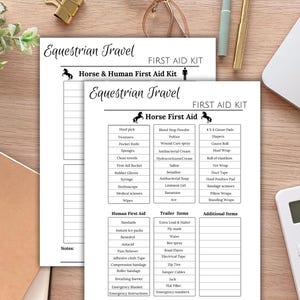
Credit: www.etsy.com
Wound Care Essentials
Having the right wound care essentials in your equine first aid kit can make a huge difference when your horse gets injured. Quick and proper treatment helps prevent infections and speeds up healing. Let’s look closely at some key items you should always have ready for wound care.
Saline Solution
Saline solution is a must-have for cleaning wounds gently and effectively. Unlike harsh chemicals, saline flushes out dirt and debris without irritating the tissue. You can carry pre-packaged sterile saline or make your own with distilled water and salt, but make sure it’s clean to avoid infection.
Ever tried rinsing a cut with plain water only to see it worsen? Saline helps prevent that by maintaining the right salt balance on the wound surface. Keep several small bottles handy so you can flush wounds immediately after injury.
Hydrogel Dressings
Hydrogel dressings provide a moist environment that supports faster healing and reduces pain. They’re especially useful for burns and deep cuts because they cool the wound and keep it hydrated. These dressings can also protect from dirt while allowing oxygen to reach the skin.
Imagine your horse’s discomfort without proper wound coverage—hydrogel dressings help minimize that pain. They are easy to apply and remove, which is a relief when your horse is anxious or restless. Always check the packaging to ensure the dressings are sterile before use.
Adhesive Tapes
Adhesive tapes are essential for securing dressings and bandages in place. Choose tapes designed for sensitive skin to avoid irritation or pulling out hair. Waterproof tapes are ideal because they keep the dressing dry, even if your horse steps into mud or water.
Have you noticed how some tapes lose stickiness quickly? Investing in quality adhesive tape saves you from frequent reapplying and keeps wounds protected longer. Carry different widths to handle small cuts or larger injuries efficiently.
Emergency Items
Having the right emergency items in your equine first aid kit can make a real difference during unexpected situations. These tools help you act quickly and confidently when your horse needs immediate care. Let’s look at some essential emergency items that should always be within reach.
Hoof Pick
A hoof pick is a simple yet crucial tool for emergencies. It allows you to quickly remove dirt, mud, or debris stuck in your horse’s hooves, which can cause discomfort or injury.
Imagine spotting a horse limping due to a small stone lodged in its hoof. Having a hoof pick ready lets you clear the obstruction fast and ease your horse’s pain immediately. Keep it clean and within easy reach in your kit.
Leg Wraps
Leg wraps provide vital support and protection during injuries or after intense exercise. They can help reduce swelling and secure wounds until a vet arrives.
Think about a situation where your horse steps on something sharp. Applying leg wraps can control bleeding and prevent further damage. Always choose wraps that are easy to apply and adjust, ensuring you can act swiftly under pressure.
Cooling Packs
Cooling packs are indispensable for managing heat-related injuries or inflammation. They help reduce swelling and soothe sore muscles or joints.
Have you ever dealt with a horse showing signs of heat stress or a swollen leg after a workout? Applying a cooling pack quickly can prevent complications and promote faster recovery. Keep reusable cooling packs in your kit for convenience and reliability.

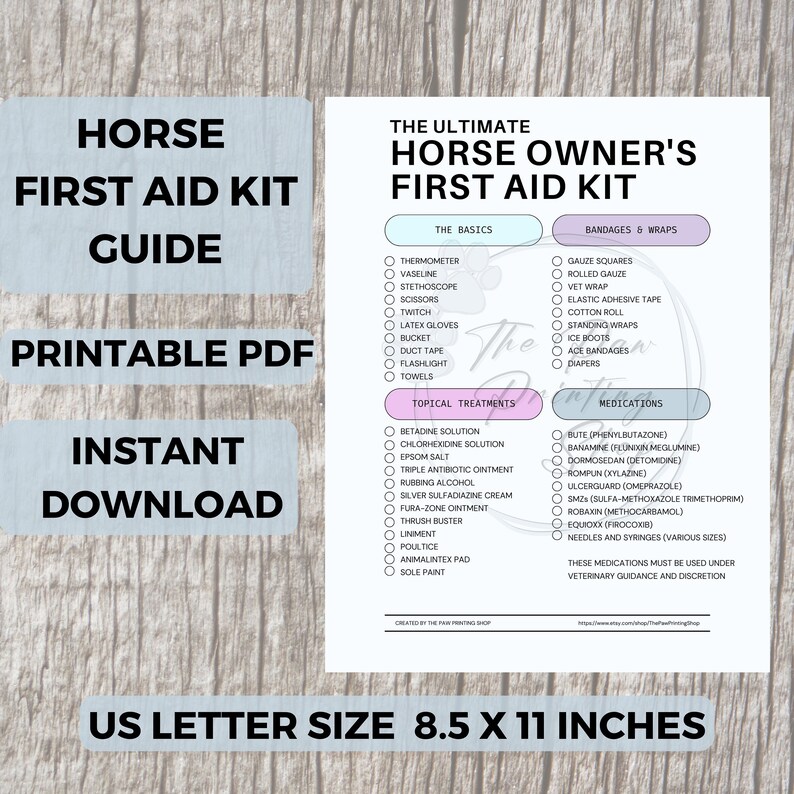
Credit: www.primeequineperformance.com
Storage And Maintenance
Proper storage and maintenance of your equine first aid kit keep it ready for emergencies. A well-organized kit saves time and reduces stress. Regular care ensures all items work when needed. Follow simple steps to maintain your kit’s quality and accessibility.
Organizing Your Kit
Use compartments or small boxes to separate items. Group bandages, ointments, and tools for quick access. Label each section clearly for easy identification. Keep frequently used items on top. Avoid overpacking to prevent damage or clutter.
Regular Checks And Restocks
Check your kit every month to spot expired or used items. Replace medicines and supplies before they run out. Update your kit according to season or specific horse needs. Keep a checklist inside your kit for easy tracking. Regular restocks ensure nothing is missing during emergencies.
Keeping Items Clean And Dry
Store your kit in a cool, dry place away from sunlight. Use waterproof containers or bags to protect supplies. Wipe tools and surfaces clean after use. Avoid moisture to prevent mold and damage. Cleanliness helps keep your kit safe and reliable.
Credit: revival.edu.gh
Frequently Asked Questions
What Items Are Essential In An Equine First Aid Kit?
An equine first aid kit must include bandages, antiseptic solutions, wound dressings, scissors, tweezers, and gloves. These help treat cuts, scrapes, and minor injuries quickly. Always include a digital thermometer and pain relief medication for emergencies.
How Often Should I Check My Equine First Aid Kit?
Check your equine first aid kit monthly to ensure supplies are fresh and complete. Replace expired medications and used items immediately. Regular checks keep your kit ready for any emergency, ensuring your horse’s safety.
Can I Customize My Equine First Aid Kit?
Yes, customize your kit based on your horse’s health needs and environment. Add items like fly spray for summer or wound ointment for pasture injuries. Tailoring your kit improves effectiveness during specific emergencies.
Where Should I Store My Equine First Aid Kit?
Store your equine first aid kit in a cool, dry, and accessible location. Keep it near your horse’s stable or trailer for quick access. Proper storage protects supplies and ensures readiness during urgent situations.
Conclusion
A well-stocked equine first aid kit keeps your horse safe and healthy. Always check and refill supplies regularly. Know how to use each item before an emergency. Being ready helps you act fast during injuries. Caring for your horse starts with preparation.
Keep your kit close during rides or at home. Small steps can make a big difference in emergencies. Stay calm, stay prepared, and protect your horse well.

I’m Abby Lu, a passionate home cook who loves simplifying everyday meals. At PlugChef.com, I share product reviews and cooking guides to help you find the best tools for your kitchen.
Related posts:
 What Type of Cooking Utensils are Safe: Expert Picks
 What Innovations Could Blenders Make: Unleashing Future Tech
 Smart Strategies to Organize a Small Kitchen: Maximize Space
 How to Organize a Kitchen Cabinet: Expert Tips & Tricks
 How to Organize Kitchen Drawers: Expert Tips and Tricks
 How to Organize a Corner Kitchen Cupboard: Expert Tips

