
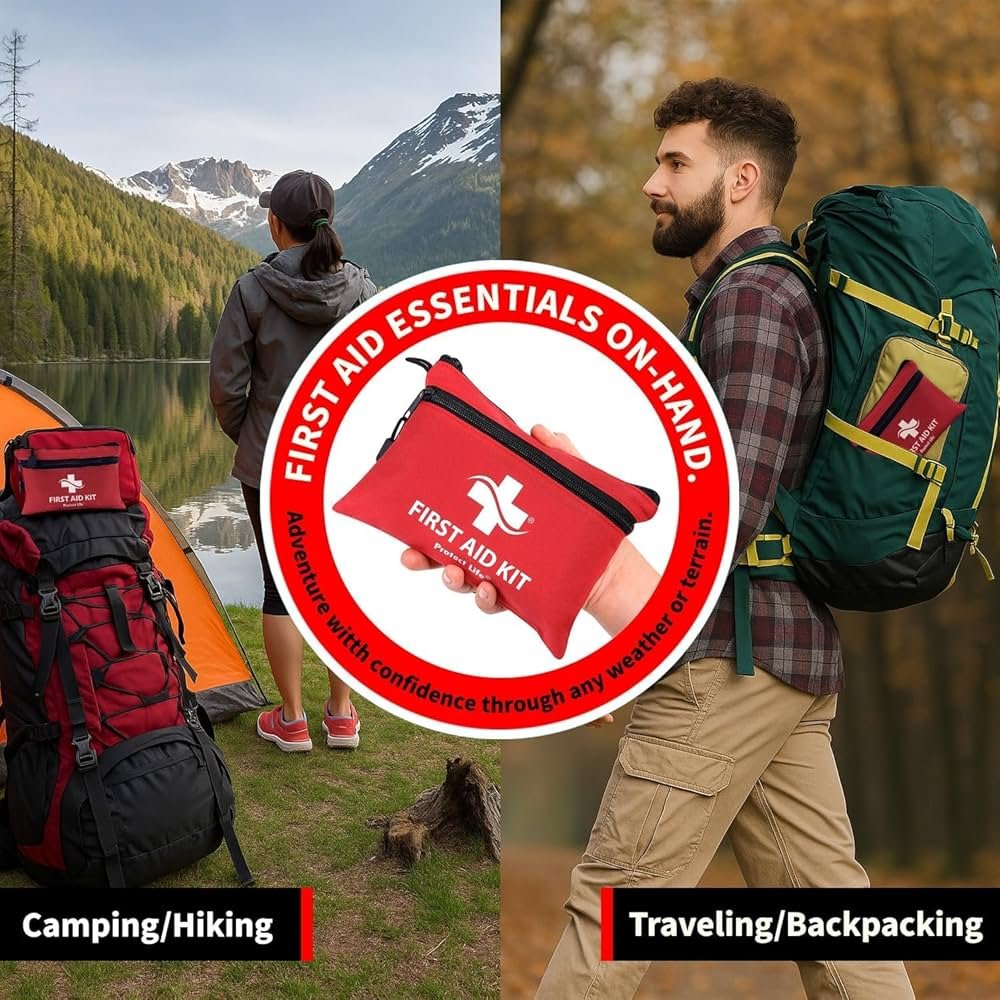
When you hit the trails for mountain biking, you expect excitement and adventure—but accidents can happen when you least expect them. Having a well-stocked first aid kit designed for mountain biking is not just smart, it’s essential for your safety.
Imagine being miles from help, and your knee is bleeding or you twist your ankle. What will you do? This guide will show you exactly what to pack in your first aid kit to handle common injuries on the trail.
Get ready to protect yourself and ride with confidence, knowing you’re prepared for the unexpected. Keep reading—your safety depends on it.

Credit: medium.com
Choosing The Right First Aid Kit
When you’re out on the trails, the last thing you want is to be unprepared for an unexpected injury. Choosing the right first aid kit can make all the difference in how you handle emergencies while mountain biking. It’s not just about having bandages and antiseptic wipes; it’s about ensuring your kit matches your adventure style and needs. Let’s explore some key considerations to help you make the best choice for your mountain biking adventures.
Size And Portability
The size of your first aid kit should be proportional to the length and remoteness of your ride. If you’re tackling a short trail, a compact kit with essentials might suffice. But for longer, isolated rides, you might need a more comprehensive kit.
Think about how you’ll carry your kit. Will it fit in your backpack or attach to your bike? A bulky kit can be cumbersome, affecting your ride comfort. Opt for a lightweight, portable option that doesn’t compromise on essential items.
Pre-packaged Vs Custom Kits
Pre-packaged kits are convenient and come with a variety of items. They’re a good starting point for beginners who might not know exactly what they need. These kits often include basics like bandages, antiseptic wipes, and gauze.
Custom kits allow you to tailor your supplies based on your specific needs and experiences. Have you ever run out of a particular item during a ride? Adding extra of that item to a custom kit might be a smart choice. Consider including specialty items like blister pads if you frequently face such issues.
As you build your kit, ask yourself: What injuries have I encountered before? This reflection can guide you in creating a personalized kit that truly meets your needs on the trail.

Credit: offroadalliance.com
Essential Medical Supplies
Having the right medical supplies in your mountain biking first aid kit can make all the difference when an accident happens. Your kit should be compact yet comprehensive, prepared to handle common injuries on the trail. Think about what you might realistically face and what could help you or a fellow rider quickly and effectively.
Wound Care Items
Cleaning and protecting wounds is a top priority. Include adhesive bandages of various sizes to cover small cuts and scrapes. Sterile gauze pads and adhesive tape can handle larger wounds or control bleeding.
Antiseptic wipes or solution are essential to prevent infection. I once saw a rider stop a nasty abrasion from getting worse simply by cleaning and covering it immediately with these supplies. Don’t forget a pair of disposable gloves to keep things hygienic.
Pain Relief And Medication
Pain can slow you down or cloud your judgment. Packing a few pain relief options like ibuprofen or acetaminophen helps manage pain and reduce inflammation. If you have allergies, include antihistamines for unexpected reactions.
Also, consider carrying blister treatment products. Mountain biking often leads to painful blisters, and quick treatment can keep you riding longer. Have you ever had a ride cut short by unmanaged pain or discomfort?
Tools And Accessories
Medical supplies alone won’t always solve your problems. Include small scissors or trauma shears for cutting tape and clothing. Tweezers come in handy for removing splinters or debris lodged in skin.
A CPR face shield can be a lifesaver in emergencies involving breathing issues. Add a whistle to signal for help if you’re far from others. These little tools might seem minor, but they can be crucial when seconds count.
Safety Gear Beyond The Kit
Having a first aid kit while mountain biking is essential, but safety gear goes far beyond that. You need equipment that protects you before accidents happen and helps you get help if they do. Think about what you wear and how you stay connected—these can make a huge difference in your safety on the trails.
Protective Clothing
Protective clothing isn’t just about looking the part; it’s about shielding your body from scrapes, bruises, and harsh weather. Wearing padded shorts, gloves, and a durable jacket can reduce injury severity. I once wiped out on a rocky descent, and my gloves saved me from deep cuts—imagine not having that protection.
Also, consider materials that breathe well and dry quickly. This keeps you comfortable and focused on the trail rather than your sweat. Don’t forget about bright or reflective gear, especially if you ride near dusk or dawn, to make sure others see you.
Communication Devices
When you’re miles from the nearest help, a communication device is a lifeline. A simple cell phone might not always have signal, so many riders carry satellite messengers or GPS devices with emergency features. Have you ever thought about how you’d call for help if you’re out of cell range?
Two-way radios can be a good option for group rides, keeping everyone connected and safer. Plus, some newer gadgets automatically send your location if you crash hard. Investing in the right communication tools could be the difference between a quick rescue and a long wait.
Packing Tips For Mountain Biking
Packing a first aid kit for mountain biking is more than just tossing a few bandages into your backpack. It requires careful thought about how to keep your supplies safe, accessible, and balanced during your ride. Smart packing can make a difference when you need quick help on the trail.
Waterproof Storage
Keeping your first aid kit dry is crucial. Water can ruin bandages, medications, and even your guide notes. Using waterproof pouches or cases protects your supplies from rain, mud, and unexpected water crossings.
Look for compact, sealable bags that fit easily in your pack or bike frame. Some riders use small dry bags or even resealable plastic bags inside a hard container for extra protection. Have you ever faced the frustration of soggy gauze when you needed it most? Waterproof storage prevents that problem entirely.
Weight Distribution
How you pack your kit affects your bike’s balance and your comfort. Heavy or bulky kits can throw off your ride, especially on technical trails. Aim to distribute weight evenly to avoid fatigue and improve control.
Place heavier items, like scissors or ointment tubes, close to your body or bike frame. Lighter items such as bandages and wipes can go toward the outer edges or top compartments. Try to keep your kit compact so it doesn’t shift during rough terrain—have you noticed how a shifting pack can distract you when you need focus?
First Aid Skills Every Rider Should Know
Knowing first aid skills tailored for mountain biking can make a huge difference when accidents happen far from help. You don’t need to be a medical expert, but understanding how to manage common injuries keeps you and your riding buddies safer on the trail. What would you do if you faced a deep cut or a twisted ankle miles from the nearest road?
Basic Wound Treatment
Keeping a wound clean and protected is your top priority. Start by washing your hands or using hand sanitizer to avoid infection.
Next, rinse the wound with clean water to remove dirt and debris. Avoid using harsh chemicals like hydrogen peroxide directly on the skin—they can slow healing.
Apply an antibiotic ointment if you have it, then cover the wound with a sterile bandage or gauze. Changing the dressing regularly prevents infection and helps you monitor healing.
Handling Common Injuries
Sprains and strains are common on rough trails. To manage these, remember the R.I.C.E. method: Rest, Ice, Compression, and Elevation.
If you don’t have an ice pack, a cold water bottle or a wet cloth can help reduce swelling. Compression with an elastic bandage supports the injury but avoid wrapping it too tight.
For bruises and minor fractures, immobilize the area and seek medical help as soon as possible. Carrying a small splint or using a sturdy stick can stabilize limbs in emergencies.
Have you practiced these skills or helped a fellow rider with an injury? Real experience builds confidence more than any guidebook can.
Maintaining And Updating Your Kit
Maintaining and updating your first aid kit is essential for safe mountain biking. Your kit must always be ready for emergencies. Regular checks keep your supplies fresh and reliable. A well-kept kit ensures quick and effective care on the trail.
Checking Expiry Dates
Expired items lose their effectiveness. Check all medicines, ointments, and antiseptics regularly. Mark expiry dates on a calendar for easy tracking. Replace any item past its date immediately. This habit prevents using weak or unsafe supplies.
Replacing Used Items
After every ride, inspect your kit. Remove used bandages, gloves, or any opened items. Restock the exact same products to maintain consistency. Keep a checklist of your kit contents for quick audits. Ready supplies mean no delays during emergencies.

Credit: www.ebay.com
Frequently Asked Questions
What Essential Items Are In A Mountain Biking First Aid Kit?
A mountain biking first aid kit should include bandages, antiseptic wipes, adhesive tape, pain relievers, tweezers, and scissors. Also, add blister treatment, gauze pads, and gloves for safety. These items help handle common injuries quickly during rides.
How To Choose The Best First Aid Kit For Mountain Biking?
Choose a compact, lightweight kit with durable packaging for easy transport. Ensure it contains supplies for cuts, scrapes, and sprains common in biking. Look for kits with waterproof cases and refillable compartments to stay prepared on every ride.
Why Is Carrying A First Aid Kit Important For Mountain Biking?
Carrying a first aid kit allows immediate care for injuries, reducing infection risks. It helps manage minor accidents in remote areas where medical help is far. Being prepared improves safety and confidence while exploring trails.
How Often Should You Update Your Mountain Biking First Aid Kit?
Update your first aid kit every six months or after use. Check expiration dates on medications and replace used or damaged supplies. Regular updates ensure your kit is ready for any emergency during mountain biking.
Conclusion
A good first aid kit keeps you ready for mountain biking risks. Small cuts or scrapes can happen anytime on trails. Carry supplies like bandages, antiseptic wipes, and pain relief. Being prepared helps you act fast and stay safe. Safety should always come first on every ride.
Take a moment before you go to pack your kit. It could make a big difference if accidents occur. Stay alert, ride smart, and enjoy the adventure with peace of mind.

I’m Abby Lu, a passionate home cook who loves simplifying everyday meals. At PlugChef.com, I share product reviews and cooking guides to help you find the best tools for your kitchen.
Related posts:
 What Type of Cooking Utensils are Safe: Expert Picks
 What Innovations Could Blenders Make: Unleashing Future Tech
 Smart Strategies to Organize a Small Kitchen: Maximize Space
 How to Organize a Kitchen Cabinet: Expert Tips & Tricks
 How to Organize Kitchen Drawers: Expert Tips and Tricks
 How to Organize a Corner Kitchen Cupboard: Expert Tips

