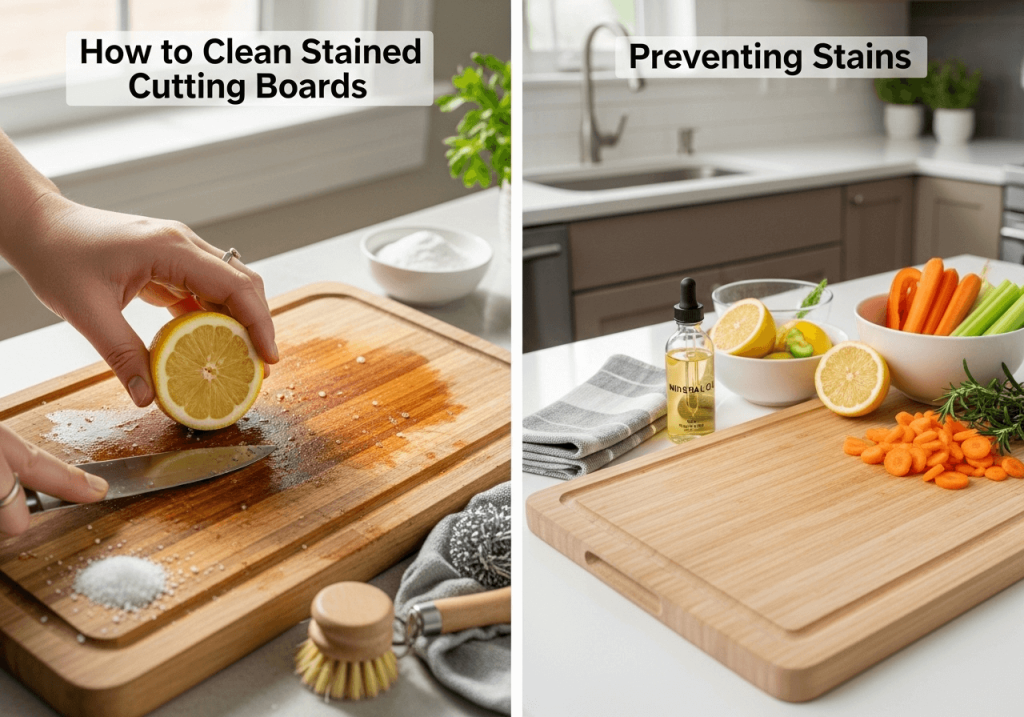
In 2026, with conflicting nutrition misinformation spreading across social media and fad diet trends dominating search results, evidence-based visual nutrition guides remain one of the most accessible, trustworthy tools for building healthy eating habits. Unlike scrolling through lengthy articles or deciphering complex scientific studies, nutrition posters translate core dietary guidance — including the 2025-2030 USDA Dietary Guidelines for Americans — into at-a-glance reference material for audiences of all ages and literacy levels. Used in K-12 classrooms, home kitchens, clinical wellness centers, and fitness facilities, these visual aids cut through noise to reinforce consistent, actionable healthy eating messaging without requiring digital access or specialized nutrition knowledge.
Core Evidence-Based Nutrition Poster Categories
Nutrition posters are typically grouped by the core nutrition concept they teach, with most high-quality options aligned with federal or public health authority guidelines to ensure accuracy. For more on this, see our guide on food allergy awareness posters.
USDA MyPlate and Dietary Guidelines Posters
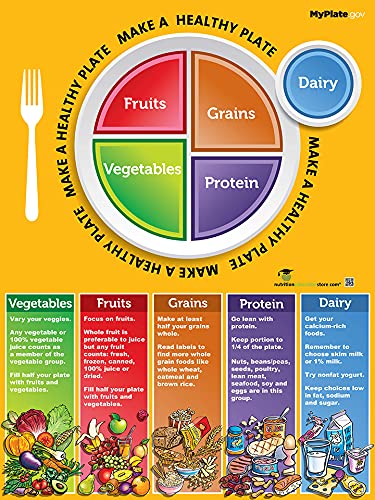
The most widely used foundational nutrition visual is the USDA MyPlate model, which divides meals into five food groups (fruits, vegetables, grains, protein, and dairy) to illustrate proper portion proportions for balanced eating. These posters are the gold standard for K-12 education, public health clinics, and community wellness programs, as they reflect current federal dietary recommendations. The official USDA MyPlate resource is maintained as a free public tool for educators and health practitioners USDA MyPlate.
Micronutrient (Vitamin and Mineral) Reference Charts
These posters break down the essential vitamins, minerals, and their most common food sources, helping users identify nutrient-dense options to fill common dietary gaps. Most standard micronutrient charts highlight nutrients most Americans underconsume, including vitamin D, calcium, potassium, and dietary fiber, making them useful for home cooks, patients managing chronic conditions like anemia or osteoporosis, and educators teaching basic nutrition science. For more on this, see our guide on french food posters vintage.
Macronutrient and Protein Food Group Guides
Focused on the three core macronutrients (protein, carbohydrates, and fats), these posters clarify the role of each nutrient in overall health, highlight complete and incomplete protein sources, and illustrate how macronutrients fit into a balanced diet. They are particularly popular in fitness centers, sports nutrition programs, and weight management workshops, where users need clear guidance on fueling their activity levels and health goals.
Food Label Literacy Posters
Aligned with the 2024 updated FDA Nutrition Facts label requirements, these posters break down the often-confusing process of reading packaged food labels into simple, actionable steps: checking serving size, evaluating added sugars and sodium content, and identifying key daily value percentages. They are critical tools for diabetes education programs, grocery store nutrition corners, and home kitchens, helping consumers make informed choices at the store. For more on this, see our guide on how to organize a fridge for food safety.
Specialized Dietary Support Posters
For audiences managing specific health conditions, specialized posters focus on targeted dietary guidance: heart-healthy low-sodium options, high-fiber foods for digestive health, gluten-free alternatives, or allergy-friendly safe foods. These are most commonly used in clinical settings, dietitian offices, and for patients with chronic conditions requiring specific nutrient tracking.
How to Select the Right Nutrition Poster for Your Use Case
The most effective nutrition posters are matched to their intended audience, display location, and durability needs. A common mistake buyers make is choosing generic, text-heavy posters that do not align with the needs of their users. For more on this, see our guide on how to make a wooden cutting board food.
For K-12 Classrooms
Prioritize icon-driven, age-appropriate designs with minimal text for early elementary grades, and more detailed macronutrient or food label content for middle and high school health classes. Look for laminated, tear-resistant options that can withstand frequent handling by students, and prioritize posters aligned with state health education standards to support lesson plan requirements.
For Home Kitchens
Opt for compact, magnetic or medium-sized designs that fit standard fridge or pantry doors, with practical content like portion size guides, seasonal produce tips, or kitchen conversion charts. Pairing these visual guides with reliable produce cleaning tools keeps the nutrient-dense foods highlighted in your posters safe to eat during meal prep. For more on this, see our guide on healthy dessert recipe book.
For Clinical and Wellness Settings
Choose large, high-contrast posters with accessible font sizes for patients with visual impairments, and prioritize content from reputable health education publishers to ensure accuracy. For family-focused clinics, pairing nutrition posters with secure cabinet fasteners keeps educational materials accessible while maintaining a safe environment for young patients.
For Fitness and Community Centers
Select posters focused on protein sources, sports nutrition, and balanced meal timing for active populations, with durable finishes that can withstand high traffic from gym-goers and community members.
Top Rated Nutrition Posters for Every Setting
Below are evidence-based, highly rated options for every use case, with expanded context on their ideal applications, strengths, and limitations.
Micronutrient Reference Charts
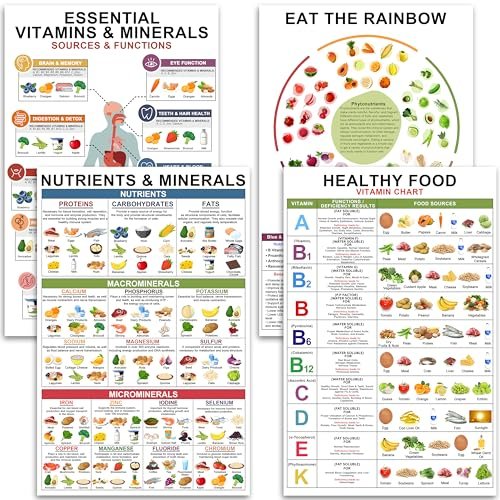
4 Pcs Vitamin And Mineral Chart Set (POCAZONE)
 4-piece laminated vitamin and mineral chart set designed for classroom and home use
This 4-piece laminated set from POCAZONE is a top pick for educators, dietitians, and home cooks seeking a comprehensive, durable micronutrient reference. Each 11" x 17" chart uses color-coding to link vitamins and minerals to their most common food sources, making it easy to identify nutrient-dense options at a glance. The laminated finish resists spills and smudges, a key feature for kitchen or classroom use where frequent handling is expected.
Pros
4-piece laminated vitamin and mineral chart set designed for classroom and home use
This 4-piece laminated set from POCAZONE is a top pick for educators, dietitians, and home cooks seeking a comprehensive, durable micronutrient reference. Each 11" x 17" chart uses color-coding to link vitamins and minerals to their most common food sources, making it easy to identify nutrient-dense options at a glance. The laminated finish resists spills and smudges, a key feature for kitchen or classroom use where frequent handling is expected.
Pros
- Four distinct charts cover fat-soluble vitamins, water-soluble vitamins, macrominerals, and trace minerals, eliminating the need for multiple separate posters
- Laminated 100lb paper stock holds up to repeated cleaning and handling, lasting 3+ years in high-traffic classrooms vs. 6-12 months for unlaminated paper prints
- High-contrast red, green, and blue color coding improves retention for visual learners, with color-coded nutrition materials widely used by registered dietitians to reduce cognitive load when processing complex nutrition information
- Compact 11" x 17" size fits easily on fridge doors, classroom bulletin boards, or office break room walls without overwhelming small spaces Cons
- Unframed design may require additional mounting hardware for formal display settings like clinics or corporate wellness centers
- Does not include specialized micronutrient data for niche diets (e.g., ketogenic, renal) so advanced nutrition practitioners may need supplemental reference materials For educators or home cooks looking for a durable, all-in-one micronutrient reference, this set offers long-lasting value at an accessible price point. Shop the 4-piece vitamin and mineral chart set
6 Pcs Healthy Food Chart Posters (Jinniee)
 6-piece poster set highlighting nutrient-dense fruits, vegetables, and protein sources
This 6-piece set from Jinniee is ideal for users who want a broader reference that goes beyond micronutrients to include macronutrient and fiber data for common whole foods. Each 11" x 17" poster uses vibrant, full-color photography of fresh produce and protein sources to make identifying nutrient-dense options intuitive for all ages.
Pros
6-piece poster set highlighting nutrient-dense fruits, vegetables, and protein sources
This 6-piece set from Jinniee is ideal for users who want a broader reference that goes beyond micronutrients to include macronutrient and fiber data for common whole foods. Each 11" x 17" poster uses vibrant, full-color photography of fresh produce and protein sources to make identifying nutrient-dense options intuitive for all ages.
Pros
- Covers not just vitamins and minerals, but also fiber, protein, and calorie counts for 60+ common whole foods, making it useful for meal planning and calorie tracking
- Lightweight 0.38lb construction makes it easy to transport between classrooms, clinics, or community center events
- Multi-color design is accessible for users with mild color blindness, with texture differentiators between food groups for additional clarity Cons
- Small 11" x 17" size may be hard to read from a distance in large classroom or cafeteria settings
- Focuses exclusively on whole, unprocessed foods, so it does not include data for fortified foods or common packaged grocery items For families, nutrition educators, and community health workers looking for a versatile, visually engaging reference for whole foods, this set is a practical, low-cost option. Shop the 6-piece healthy food chart set
6 Pcs Fruit and Vegetable Focused Healthy Food Chart
 Fruit and vegetable-focused nutrition poster set for early nutrition education
This 6-piece fruit and vegetable-focused set is a top pick for early elementary educators and parents teaching young children about the "Eat the Rainbow" concept. Each poster highlights the key vitamins and minerals found in common fruits and vegetables, using simple, playful illustrations that engage pre-literate and early-elementary learners.
Pros
Fruit and vegetable-focused nutrition poster set for early nutrition education
This 6-piece fruit and vegetable-focused set is a top pick for early elementary educators and parents teaching young children about the "Eat the Rainbow" concept. Each poster highlights the key vitamins and minerals found in common fruits and vegetables, using simple, playful illustrations that engage pre-literate and early-elementary learners.
Pros
- Focused scope eliminates overwhelming information for young children, making it ideal for ages 4-8 who are just learning about food groups
- Durable, water-resistant material holds up to classroom craft activities and frequent handling by young students
- Compact size fits easily on preschool bulletin boards or kitchen walls at child eye level Cons
- Excludes protein, grain, and dairy food groups, so it is not suitable for comprehensive nutrition education for older students or adults
- Does not include serving size guidance, so it works best as a supplementary tool paired with full dietary guideline posters For parents and early childhood educators looking for a simple, engaging tool to teach young kids about the benefits of fruits and vegetables, this set is a cost-effective, age-appropriate choice. Shop the fruit and vegetable focused poster set
Protein and Macronutrient Food Group Posters
Protein Products Chart (Bliss Monkey Co.)
 Protein-focused nutrition poster with food pyramid context for balanced meal planning
This 12" x 18" premium gloss poster from Bliss Monkey Co. is a go-to reference for fitness centers, high school health classrooms, and anyone focused on protein intake for muscle maintenance, weight management, or athletic performance. It clearly categorizes complete and incomplete protein sources, with notes on the role of protein in muscle repair, immune function, and satiety, all framed within the context of the USDA food pyramid to illustrate how protein fits into a balanced diet.
Pros
Protein-focused nutrition poster with food pyramid context for balanced meal planning
This 12" x 18" premium gloss poster from Bliss Monkey Co. is a go-to reference for fitness centers, high school health classrooms, and anyone focused on protein intake for muscle maintenance, weight management, or athletic performance. It clearly categorizes complete and incomplete protein sources, with notes on the role of protein in muscle repair, immune function, and satiety, all framed within the context of the USDA food pyramid to illustrate how protein fits into a balanced diet.
Pros
- 100lb gloss finish resists fingerprints and smudges, making it ideal for high-traffic gyms or weight rooms where it may be touched frequently
- Made in the USA with FDA-compliant printing materials, ensuring accurate, up-to-date nutrition information aligned with current dietary guidelines
- Clear, color-coded sections distinguish between animal-based, plant-based, and fortified protein sources, making it useful for vegetarian, vegan, and omnivore audiences alike Cons
- Limited exclusively to protein-related information, so it will need to be paired with other posters for full nutrition education
- 12" x 18" size may be too small for large group fitness classes or cafeteria settings For fitness instructors, high school health teachers, and anyone focused on protein intake for health or performance goals, this durable, focused poster is a practical, long-lasting reference. Shop the protein food group poster
Food Label Literacy Posters
3 Steps to Understand and Read Food Labels Poster
 Step-by-step guide to reading nutrition facts labels for informed grocery shopping
Released to align with the 2024 updated FDA Nutrition Facts label requirements, this 18" x 24" laminated poster from Nutrition Education Store breaks down the often-confusing process of reading packaged food labels into three simple, actionable steps: checking serving size, evaluating added sugars and sodium, and identifying key nutrient contributions. It is a critical tool for diabetes education programs, weight management workshops, and home kitchens.
Pros
Step-by-step guide to reading nutrition facts labels for informed grocery shopping
Released to align with the 2024 updated FDA Nutrition Facts label requirements, this 18" x 24" laminated poster from Nutrition Education Store breaks down the often-confusing process of reading packaged food labels into three simple, actionable steps: checking serving size, evaluating added sugars and sodium, and identifying key nutrient contributions. It is a critical tool for diabetes education programs, weight management workshops, and home kitchens.
Pros
- Aligned with current FDA labeling rules, including guidance on added sugars and updated daily value percentages, so the information is accurate as of 2026
- Large 18" x 24" size is readable from 10+ feet away, making it ideal for grocery store nutrition corners or classroom group lessons
- Laminated finish allows you to circle or mark up serving sizes and daily values during lessons, then wipe clean for repeated use Cons
- Plain white background may not stand out in brightly lit retail or classroom settings, so it works best paired with more visually engaging posters for full displays
- Does not include guidance on interpreting front-of-package marketing claims (e.g., "low fat", "natural") which are a common source of consumer confusion For nutrition educators, health clinic staff, and home cooks looking to build food label literacy, this clear, up-to-date poster is a low-cost, high-impact educational tool. Shop the food label reading poster
Specialized Dietary Support Posters
MikerDelisin 4 Piece Healthy Food Sheet
 Dietary checklist poster for heart-healthy, high-fiber eating
This 4-piece vertical poster set from MikerDelisin is designed for people managing chronic conditions like high cholesterol, hypertension, or digestive disorders like IBS. It clearly lists high-fiber, low-saturated-fat, and low-sodium food options, with quick-reference checkboxes to help users track their daily intake of heart-healthy nutrients, aligned with American Heart Association dietary recommendations.
Pros
Dietary checklist poster for heart-healthy, high-fiber eating
This 4-piece vertical poster set from MikerDelisin is designed for people managing chronic conditions like high cholesterol, hypertension, or digestive disorders like IBS. It clearly lists high-fiber, low-saturated-fat, and low-sodium food options, with quick-reference checkboxes to help users track their daily intake of heart-healthy nutrients, aligned with American Heart Association dietary recommendations.
Pros
- Focused, condition-specific content makes it far more useful for clinical patients than generic nutrition posters
- Compact 11" x 17" vertical format fits easily on fridge doors or patient education boards in clinic exam rooms
- Lightweight 0.29lb construction makes it easy for patients to take home for personal reference Cons
- Limited to heart-healthy and high-fiber guidance, so it is not suitable for general nutrition education or other specialized diets (e.g., diabetic, gluten-free)
- Does not include portion size guidance, so it works best paired with a MyPlate poster for full meal planning support For clinical providers, nutritionists, and patients managing heart or digestive health conditions, this targeted poster set simplifies tracking of key nutrients for better health outcomes. Shop the high-fiber low-cholesterol food poster set
Healthy Food Chart Magnet (Blirik)
 Dual-sided magnetic fridge chart with nutrition facts and kitchen conversion measurements
This 16" x 12" magnetic chart from Blirik is a versatile dual-use tool for home cooks, combining a quick-reference vitamin and mineral guide with common kitchen conversion measurements (cups to grams, ounces to milliliters, etc.) for easy meal prep. Its strong magnet backing stays securely on standard refrigerator doors, even when opened and closed frequently.
Pros
Dual-sided magnetic fridge chart with nutrition facts and kitchen conversion measurements
This 16" x 12" magnetic chart from Blirik is a versatile dual-use tool for home cooks, combining a quick-reference vitamin and mineral guide with common kitchen conversion measurements (cups to grams, ounces to milliliters, etc.) for easy meal prep. Its strong magnet backing stays securely on standard refrigerator doors, even when opened and closed frequently.
Pros
- Dual-sided design eliminates the need for separate nutrition and conversion charts, saving fridge space and reducing clutter
- Bright green color and large, bold text are easy to read from across a kitchen, even in low light
- Water-resistant surface wipes clean easily after cooking splatters or spills Cons
- Limited to basic nutrition and conversion data, so it does not include detailed meal planning guidance or specialized dietary information
- 16" x 12" size may be too large for small mini-fridges in dorm rooms or office break rooms For home cooks looking for a practical, space-saving reference to keep handy during meal prep, this dual-use magnetic chart is a low-cost, high-utility addition to any kitchen. Shop the kitchen nutrition magnet
All-in-One Classroom and Community Poster Sets
gisgfim 13 Pcs Healthy Lifestyles Posters
 13-piece comprehensive health and nutrition poster set for K-12 classroom use
This 13-piece set from gisgfim is a comprehensive option for K-12 health teachers covering a full semester of nutrition and physical education content. In addition to core nutrition posters covering food groups, vitamins, and minerals, the set includes posters on physical activity, hydration, sleep, and screen time to support whole-child health education aligned with national health education standards.
Pros
13-piece comprehensive health and nutrition poster set for K-12 classroom use
This 13-piece set from gisgfim is a comprehensive option for K-12 health teachers covering a full semester of nutrition and physical education content. In addition to core nutrition posters covering food groups, vitamins, and minerals, the set includes posters on physical activity, hydration, sleep, and screen time to support whole-child health education aligned with national health education standards.
Pros
- 13 distinct posters cover a full range of health topics beyond just nutrition, making it a one-stop shop for health teachers
- 11.42" x 14.17" compact size fits easily on classroom bulletin boards without taking up excessive wall space
- Full-color, age-appropriate illustrations engage students from kindergarten through 8th grade Cons
- Small size may be hard to read from the back of a large classroom, so it works best for small group instruction or wall displays at student eye level
- Limited to general health and nutrition content, so it does not include advanced sports nutrition or clinical dietary guidance for older students For K-12 health educators looking for a comprehensive, standards-aligned set of health and nutrition posters, this 13-piece bundle covers all core content needs for elementary and middle school lessons. Shop the 13-piece healthy lifestyles poster set
NewPath MyPlate Bulletin Board Charts (Gr 1-4, Set/8)
 8 double-sided MyPlate and nutrition bulletin board charts for early elementary classrooms
This 8-piece double-sided set from NewPath Learning is designed specifically for grades 1-4, with age-appropriate content aligned with elementary school health education standards. Each 12" x 18" laminated chart covers a core component of the USDA MyPlate guidelines, plus supplemental content on hydration, physical activity, and mindful eating for young learners.
Pros
8 double-sided MyPlate and nutrition bulletin board charts for early elementary classrooms
This 8-piece double-sided set from NewPath Learning is designed specifically for grades 1-4, with age-appropriate content aligned with elementary school health education standards. Each 12" x 18" laminated chart covers a core component of the USDA MyPlate guidelines, plus supplemental content on hydration, physical activity, and mindful eating for young learners.
Pros
- Double-sided design gives you 16 unique posters for the price of 8, maximizing value for classroom budgets
- Laminated 12" x 18" size is perfect for standard classroom bulletin boards, with rounded corners to prevent injury to young students
- Content is vetted by elementary health education specialists to ensure age-appropriate language and concepts for 6-10 year olds Cons
- Limited to grades 1-4, so it is not suitable for middle or high school health classes
- Focuses exclusively on MyPlate and general health, so it does not include detailed micronutrient or food label literacy content For early elementary educators looking for a standards-aligned, durable set of nutrition posters for young learners, this double-sided set offers excellent value and age-appropriate content. Shop the MyPlate bulletin board chart set
Official USDA MyPlate Posters
Nutrition Education Store MyPlate Poster (18" x 24")
 Large official USDA MyPlate poster for classroom, clinic, or community use
This 18" x 24" laminated poster from Nutrition Education Store is the official, fully licensed USDA MyPlate visual guide, making it the most accurate, trustworthy option for public health settings, clinics, and classrooms that require alignment with federal dietary guidelines. It clearly illustrates the five food groups, recommended portion proportions, and key messages about balancing calories and nutrient-dense foods.
Pros
Large official USDA MyPlate poster for classroom, clinic, or community use
This 18" x 24" laminated poster from Nutrition Education Store is the official, fully licensed USDA MyPlate visual guide, making it the most accurate, trustworthy option for public health settings, clinics, and classrooms that require alignment with federal dietary guidelines. It clearly illustrates the five food groups, recommended portion proportions, and key messages about balancing calories and nutrient-dense foods.
Pros
- Fully licensed by the USDA, so the information is 100% accurate and aligned with the 2025-2030 Dietary Guidelines for Americans, the current federal standard for nutrition education
- Large 18" x 24" size is readable from 15+ feet away, making it ideal for cafeteria walls, clinic waiting rooms, or community center displays
- Laminated, wipe-clean surface holds up to high-traffic public use, lasting 5+ years with proper care Cons
- Available only in English, so it is not accessible for non-English speaking audiences without supplemental translated materials
- Thin 0.01" profile may require additional mounting backing for high-traffic areas where it could be bumped or torn For any setting that requires an official, accurate USDA MyPlate reference, this large, durable poster is the gold standard for public health and education use. Shop the official USDA MyPlate poster
Best Practices for Maximizing the Impact of Nutrition Posters
Even the most accurate, well-designed nutrition poster will have limited impact if it is not used intentionally. Follow these evidence-based best practices to turn static wall art into a driver of long-term healthy habits:
Strategic Placement for Visibility
The most effective posters are placed at eye level in high-traffic areas: fridge doors, above classroom whiteboards, cafeteria serving line walls, or clinic waiting room entrances. A common mistake buyers make is tucking posters on low shelves or behind doors where they are rarely seen. For home use, placing a portion guide poster directly next to your plate storage area prompts mindful serving habits at mealtime. For families with young children, pairing kitchen nutrition displays with childproof drawer solutions keeps educational materials accessible while maintaining a safe learning environment for kids.
Pair Posters with Active Learning
Posters work best as conversation starters, not just decor. For educators, pair micronutrient charts with taste tests of the featured fruits and vegetables to reinforce learning. For families, use food label posters during weekly grocery trips to practice reading packaging with kids. For clinical settings, use specialized dietary posters to walk patients through meal planning during appointments. For anyone building balanced snack spreads, pairing your nutrition poster reference with practical assembly tips makes building nutrient-dense plates easier.
Rotate Content to Avoid Habituation
People stop noticing static posters after 2-3 weeks due to visual habituation. Rotate seasonal content (e.g., summer fruit and vegetable charts in June, heart-healthy holiday recipes in December) to keep information top of mind. For classrooms, rotate posters to align with current units (e.g., food groups during a science unit on plants, food labels during a math unit on percentages) to reinforce cross-curricular learning. For home cooks, updating your fridge display to align with seasonal produce availability keeps meal planning fresh and reduces food waste.
Frequently Asked Questions
What are the proven benefits of using vitamin and mineral reference charts?
Vitamin and mineral charts translate complex micronutrient data into easy-to-digest visual formats, helping users identify nutrient-dense foods to fill common dietary gaps. As outlined in the 2025-2030 Dietary Guidelines for Americans, most US adults fall short of recommended intakes of vitamin D, calcium, potassium, and fiber — all of which are highlighted on standard micronutrient charts. For people managing chronic conditions like anemia or osteoporosis, these charts provide a quick reference to track specific nutrient intake without needing to consult lengthy nutrition databases. In classroom settings, color-coded micronutrient charts are widely used by registered dietitians to improve retention of nutrition science concepts for visual learners.
How do protein food group posters support better nutrition choices?
Protein food group posters clarify the distinction between complete and incomplete protein sources, and illustrate how protein fits into a balanced diet alongside fruits, vegetables, grains, and dairy. This is particularly valuable for people following vegetarian or vegan diets, who may struggle to identify complementary protein sources, as well as for older adults who need higher protein intake to prevent age-related muscle loss. Displaying a protein poster in a gym or home workout space also reinforces the connection between nutrition and fitness goals, encouraging users to prioritize protein-rich foods post-exercise to support muscle repair.
Why are laminated nutrition posters better for high-traffic settings?
Laminated posters resist tears, water damage, and smudges, making them ideal for environments with frequent handling, like K-12 classrooms, gyms, or public clinic waiting rooms. In practice, unlaminated paper nutrition posters last an average of 6-12 months in high-traffic areas, while laminated options last 3-5 years with basic cleaning, making them a more cost-effective choice for institutional buyers. The wipeable surface also allows educators to mark up posters during lessons (e.g., circling high-fiber foods during a digestive health unit) then clean them off for repeated use.
How do food and nutrition posters support dietary education for kids?
For young children, who are still developing literacy skills, visual posters use icons, bright colors, and photographs of familiar foods to teach core nutrition concepts without relying on text. The USDA's Food and Nutrition Service notes that visual nutrition guides are one of the most effective tools for increasing fruit and vegetable selection among elementary students during school lunch, as they reduce decision fatigue and make healthy options more familiar and appealing. For teens, posters that break down food label literacy or sports nutrition concepts help cut through conflicting social media nutrition misinformation by providing evidence-based, easy-to-reference guidance.
What makes kitchen nutrition charts practical for daily use?
Kitchen-specific nutrition charts are designed to be referenced during meal prep, so they prioritize concise, at-a-glance information like portion sizes, common nutrient counts for staple ingredients, and simple meal planning frameworks. Unlike full-length nutrition textbooks, these charts eliminate the need to scroll through search results while cooking, reducing decision fatigue and making it easier to build balanced meals on a busy weeknight. Many also include practical extras like kitchen conversion charts or seasonal produce guides to simplify meal planning and grocery shopping. For home cooks looking for more in-depth guidance, our healthy meal prep guides offer practical recipes and planning tips to pair with your visual nutrition references.
Final Thoughts
Food and nutrition posters are far more than just decorative wall art — they are evidence-based, low-cost tools that cut through the noise of conflicting online nutrition misinformation to provide consistent, trustworthy guidance for healthy eating. Aligned with federal dietary guidelines and designed for specific use cases, from early elementary classrooms to home kitchens and clinical wellness settings, these visual guides make complex nutrition science accessible to audiences of all ages and literacy levels. In practice, the most effective nutrition displays are paired with hands-on learning and consistent habit-building: use your poster as a conversation starter during meal prep, pair it with organized kitchen tools to support healthy cooking routines, or incorporate it into lesson plans to reinforce nutrition education for kids. Whether you opt for a single official USDA MyPlate print or a comprehensive classroom set, a well-chosen nutrition poster is a small investment that drives long-term, sustainable healthy eating habits for individuals, families, and communities. Ready to build a consistent, visually engaging nutrition education setup in your space? Browse our top-rated picks above to find the perfect poster set for your needs.

Hi, I’m Daniel Brooks—a food lover and kitchen gear enthusiast. I enjoy testing cookware, utensils, and gadgets to see what really works in everyday cooking. At PlugChef.com, I share honest reviews, comparisons, and simple guides to help you choose the best tools for a safer, smarter, and more enjoyable kitchen.
Related posts:
 Best Practices for Kitchen Hygiene: Essential Tips and Signs for Safety
 Gas Stove Knob Safety Covers: Ultimate Childproofing for Kitchen Safety
 10 Glass Food Storage Containers With Bamboo Lids: Eco-Friendly Meal Prep Solution
 Sheath And Knife 1: Ultimate Guide to Durable Pocket Knife Sheaths
 Types of Knife Sheaths: Essential Guides for Protecting Your Blades
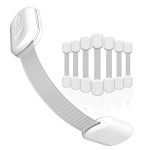 Kitchen Safety Locks for Kids: Secure Cabinets with Easy No-Drill Solutions