
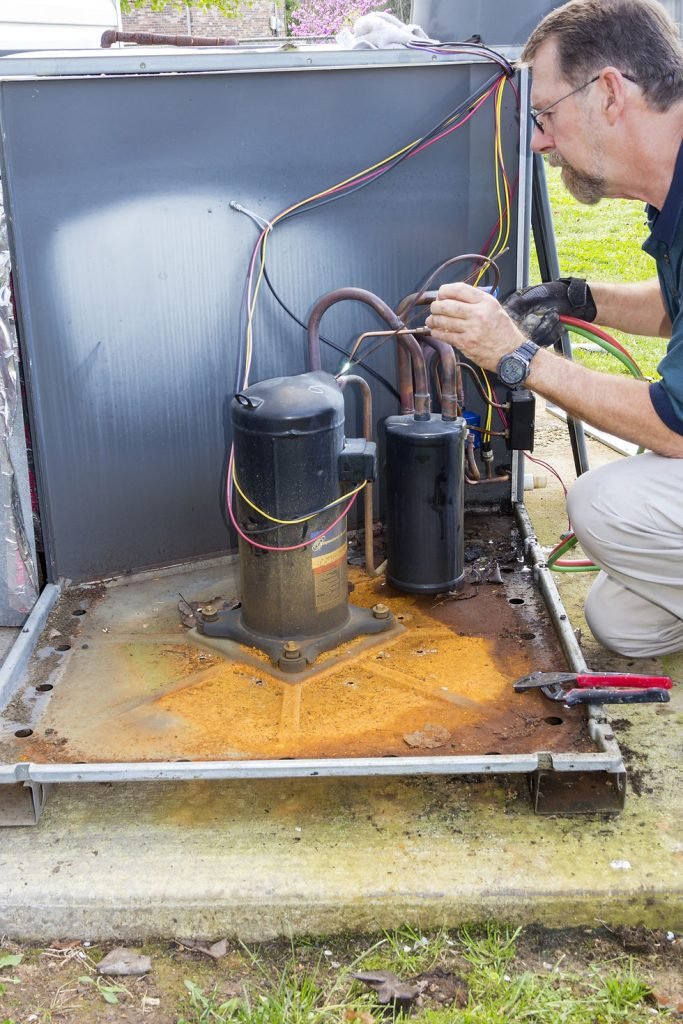
Small appliances are everywhere. They make life easier. But sometimes, they break. They need fixing. A passive system dependent recovery process helps. It makes sure appliances work again. This process is important. It saves time and money.
What is a Passive System Dependent Recovery Process?
It’s a way to fix things. It helps small appliances recover. Without active intervention, they get better. The system is passive. It means it doesn’t need much energy. It uses the appliance’s own system. This helps save resources.
Why is it Important?
Small appliances are used daily. They need to be reliable. If they break often, it costs more. Repairing them can be hard. A passive system makes it easier. It reduces the need for expert help. Saves money too.
Benefits Of Passive Recovery
- Cost-effective: It reduces repair costs.
- Energy-saving: Uses less power.
- Time-saving: Fixes appliances faster.
- User-friendly: Easy to use.
How Does It Work?
It uses the appliance’s own system. The process has steps. Each step helps the appliance recover. Let’s look at the steps.
Step 1: Identify The Problem
First, find the issue. Is the appliance not working? Does it make strange noises? Knowing the problem helps. It is the first step in recovery.
Step 2: Assess The System
Check the system. Look at how the appliance works. What parts are involved? Understanding the system is key. It helps find solutions.
Step 3: Implement Passive Recovery
Use passive methods. Let the appliance’s system heal itself. This might mean adjusting settings. Or cleaning certain parts. Little actions can make big changes.
Step 4: Monitor Progress
Watch the appliance. Is it improving? Keep an eye on it. Check if the problem is gone. Monitoring ensures successful recovery.
Step 5: Evaluate Success
Finally, evaluate. Did the appliance recover? Is it working well? If yes, the process was successful. If not, repeat the steps. Sometimes, more tries are needed.
Examples of Passive System Dependent Recovery
Let’s see examples. How can passive recovery be used?
Example 1: A Toaster
Your toaster stops working. It’s frustrating. First, identify the problem. Maybe it doesn’t heat. Assess the system. Check the heating element. Implement recovery. Clean the toaster. Remove crumbs. Adjust settings. Monitor progress. Is it heating now? Evaluate success. If it works, great!
Example 2: A Coffee Maker
The coffee maker is slow. Coffee takes longer. Identify the issue. Is it clogged? Assess the system. Look at water flow. Implement recovery. Clean the filter. Descale the machine. Use passive methods. Monitor progress. Is it faster now? Evaluate success. Enjoy quick coffee again.

Credit: quizlet.com

Credit: www.skillcatapp.com
Challenges in Passive Recovery
There can be challenges. Not all appliances recover easily. Some need expert help. Here are common challenges.
Challenge 1: Complex Systems
Some appliances have complex systems. They are hard to understand. Passive recovery might not work. Experts might be needed.
Challenge 2: Severe Damage
If damage is severe, passive recovery fails. It’s best for minor issues. Severe damage needs more effort.
Challenge 3: Limited Knowledge
Users might not know enough. Lack of knowledge is a barrier. Learning more helps. Guides and manuals are useful.
Tips for Successful Passive Recovery
Want success with passive recovery? Here are tips:
- Understand the appliance system.
- Start with minor issues.
- Read user manuals.
- Keep appliances clean.
- Monitor performance regularly.
Frequently Asked Questions
What Is A Passive System Dependent Recovery Process?
It is a method to recover refrigerant without using a compressor. Ideal for small appliances.
Why Use Passive Recovery For Small Appliances?
It’s energy-efficient and cost-effective. Perfect for appliances with low refrigerant amounts.
How Does A Passive Recovery Process Work?
It uses pressure differences to move refrigerant. No mechanical compressor needed.
Is Passive Recovery Environmentally Friendly?
Yes, it reduces energy consumption. Helps in minimizing carbon footprint.
Conclusion
Passive system dependent recovery is helpful. It aids small appliances. Saves time, energy, and money. Understanding the process is key. Follow the steps. Use passive methods. Overcome challenges. Enjoy reliable appliances. They make life easier.

I’m Abby Lu, a passionate home cook who loves simplifying everyday meals. At PlugChef.com, I share product reviews and cooking guides to help you find the best tools for your kitchen.
Related posts:
 What Type of Cooking Utensils are Safe: Expert Picks
 What Innovations Could Blenders Make: Unleashing Future Tech
 Smart Strategies to Organize a Small Kitchen: Maximize Space
 How to Organize a Kitchen Cabinet: Expert Tips & Tricks
 How to Organize Kitchen Drawers: Expert Tips and Tricks
 How to Organize a Corner Kitchen Cupboard: Expert Tips

