
Imagine walking into your kitchen and finding everything in its perfect place—no more hunting for that elusive spatula or rummaging through cluttered drawers. Sounds like a dream, right?
Well, it’s time to make that dream a reality. Organizing your kitchen tools not only saves you time but also brings a sense of calm and efficiency to your cooking space. When you know where everything is, meal prep becomes a breeze, and your kitchen transforms into a place of creativity and joy.
You’ll discover simple, practical tips to help you arrange your kitchen tools, making your culinary adventures smoother and more enjoyable. Let’s get started!
Assess Your Kitchen Space
Assess Your Kitchen Space Evaluate available space to organize kitchen tools effectively. Prioritize essential items within easy reach. Maximize storage by using shelves and hooks for better accessibility.
Organizing kitchen tools starts with assessing your kitchen space. Understanding the layout and available area is crucial. A well-organized kitchen can make cooking more enjoyable. It also maximizes efficiency and saves time. Begin by evaluating the current setup.Understand Your Kitchen Layout
Consider the size and shape of your kitchen. Is it a small galley or a spacious open-plan? The layout affects how you should organize. Think about where you spend most of your time. Identify the areas that need improvement.Measure Available Storage Space
Grab a tape measure and note the dimensions. Check cabinets, drawers, and countertops. Accurate measurements help in planning storage solutions. Knowing exact sizes avoids buying organizers that don’t fit.Identify High-traffic Zones
Observe the busiest areas in your kitchen. Where do you frequently reach for items? Focus on these zones for easy access. Prioritize making these areas efficient and clutter-free.Note Current Organization Challenges
Identify what frustrates you in your current setup. Is it cluttered drawers or hard-to-reach shelves? Recognizing these issues helps in choosing effective solutions. Tackle these challenges first for a better experience.Consider Your Cooking Habits
Reflect on your cooking style and frequency. Do you often bake or cook large meals? Knowing your habits guides tool placement. Arrange tools based on how often you use them.Evaluate Accessibility Needs
Think about how easy it is to access your tools. Are essential items within arm’s reach? Assessing accessibility ensures convenience. Keep frequently used tools in easy-to-reach places.:max_bytes(150000):strip_icc()/target-organize-kitchen-like-a-pro-GettyImages-1441243849-884a854c17774b19ad7d4bd185a42dfd.jpg)
Credit: www.realsimple.com
Categorize Your Tools
Organizing kitchen tools can transform your cooking space into a haven of efficiency and creativity. One of the most effective ways to achieve this is by categorizing your tools. By grouping similar items together, you not only save time but also reduce clutter. Imagine reaching for a whisk and finding it tangled among spatulas and knives. Frustrating, isn’t it? Let’s streamline your kitchen with smart categorization.
Cooking Essentials
Cooking essentials are the backbone of any kitchen. These are the tools you frequently reach for when preparing meals. Consider storing pots, pans, and spatulas together, close to the stove. It’s convenient and keeps you focused on your culinary creations. You might realize that some tools can be multifunctional, like a cast-iron skillet that doubles as a baking dish. What items do you find yourself using every day?
Baking Equipment
Baking is an art, and having the right tools at hand can make all the difference. Place mixers, measuring cups, and baking sheets in a dedicated area. If you love baking, make it easy to access your favorite cake pans and cookie cutters. Organize them by type or frequency of use. Are there any specialty items you haven’t used in months? Perhaps it’s time to reassess.
Cutlery And Knives
Sharp tools deserve special attention. Keep knives in a designated drawer or on a magnetic strip for safety and accessibility. Group them by size or purpose. Pair them with sharpening tools to ensure they’re always ready for action. A well-organized cutlery section can enhance your prep time significantly. How often do you find yourself searching for the right knife?
Gadgets And Miscellaneous
Gadgets can be both a blessing and a challenge. From garlic presses to avocado slicers, these tools can clutter your space quickly. Store them in a drawer or on shelves, using containers or dividers to separate them. Consider eliminating duplicates or tools you rarely use. What’s a gadget you can’t live without, and does it have a designated spot?
By categorizing your kitchen tools, you create a space that’s not only functional but also inviting. You’ll enjoy cooking more when you can easily find what you need. Plus, you might discover items you haven’t used in a while, prompting new culinary adventures. Ready to transform your kitchen into a streamlined paradise?
Utilize Drawer Organizers
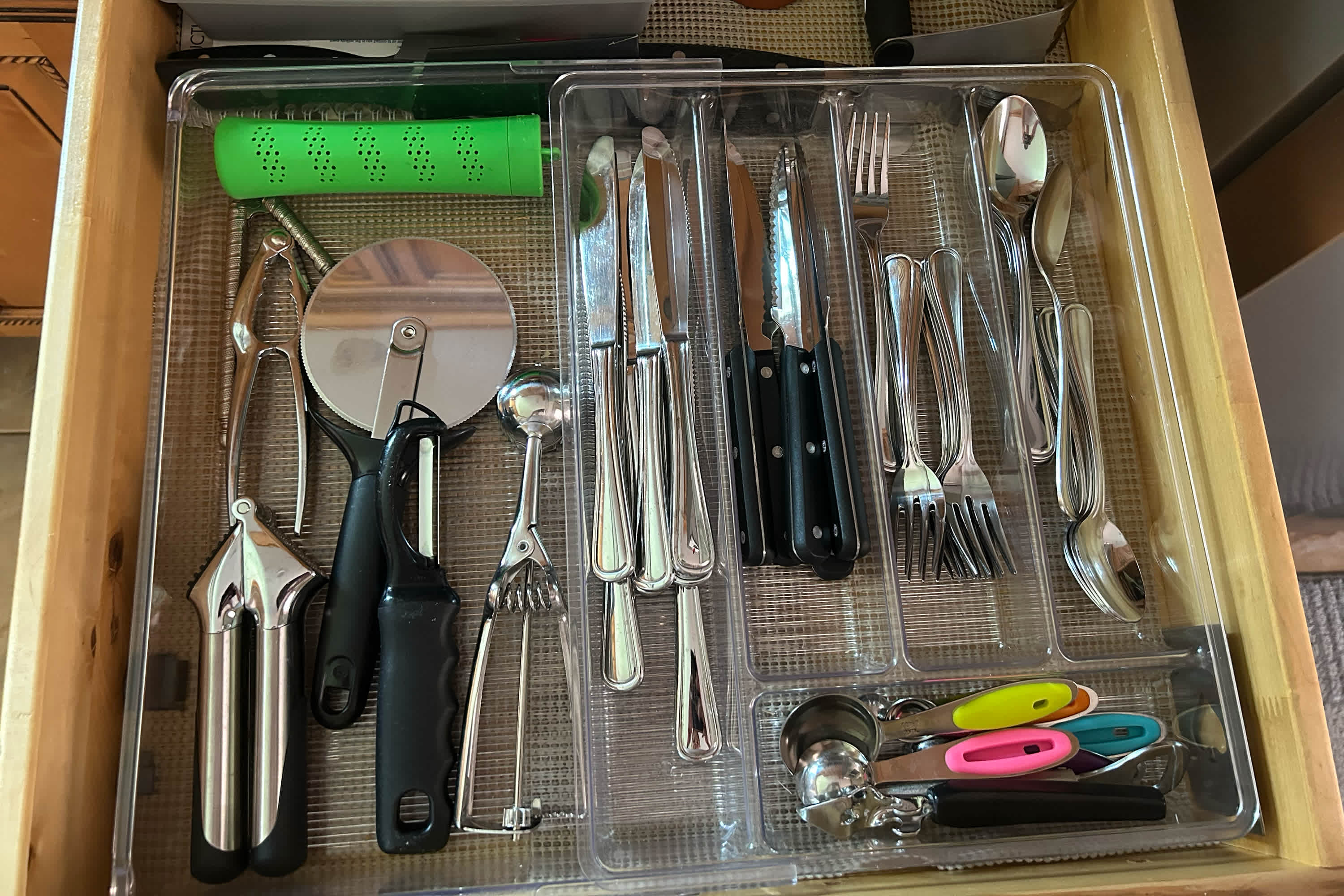
Organizing kitchen tools can often feel like a daunting task. However, utilizing drawer organizers can bring a sense of order and efficiency to your kitchen space. These handy tools not only save time when you’re cooking but also help in maintaining a clutter-free environment.
Choose The Right Size
Drawer organizers come in various sizes and shapes. It’s crucial to measure your drawers before purchasing to ensure a perfect fit. A snug organizer prevents items from sliding around, keeping everything in its designated place.
Consider adjustable organizers if you have an assortment of drawer dimensions. These can expand or contract to fit your unique space, offering a tailored solution. Remember, the right size ensures maximum use of your available space.
Arrange By Frequency Of Use
Think about which tools you use most often. These should be the easiest to access. Placing frequently used items in the top or front sections of the drawer can save time and effort when cooking.
Less frequently used tools can be stored towards the back or in less accessible areas of the drawer. This strategy not only optimizes your drawer space but also enhances your cooking efficiency. After all, why should you dig around for your favorite spatula when it can be right at your fingertips?
Have you ever found yourself frustrated because you couldn’t find a whisk right when you needed it? By arranging your tools by frequency of use, you’ll ensure that your kitchen runs smoothly and efficiently.
Credit: www.thekitchn.com
Maximize Cabinet Space
Efficiently organize kitchen tools to maximize cabinet space. Use hooks for hanging, stack items neatly, and store small gadgets in containers. Group similar items together for easy access and streamlined kitchen workflow.
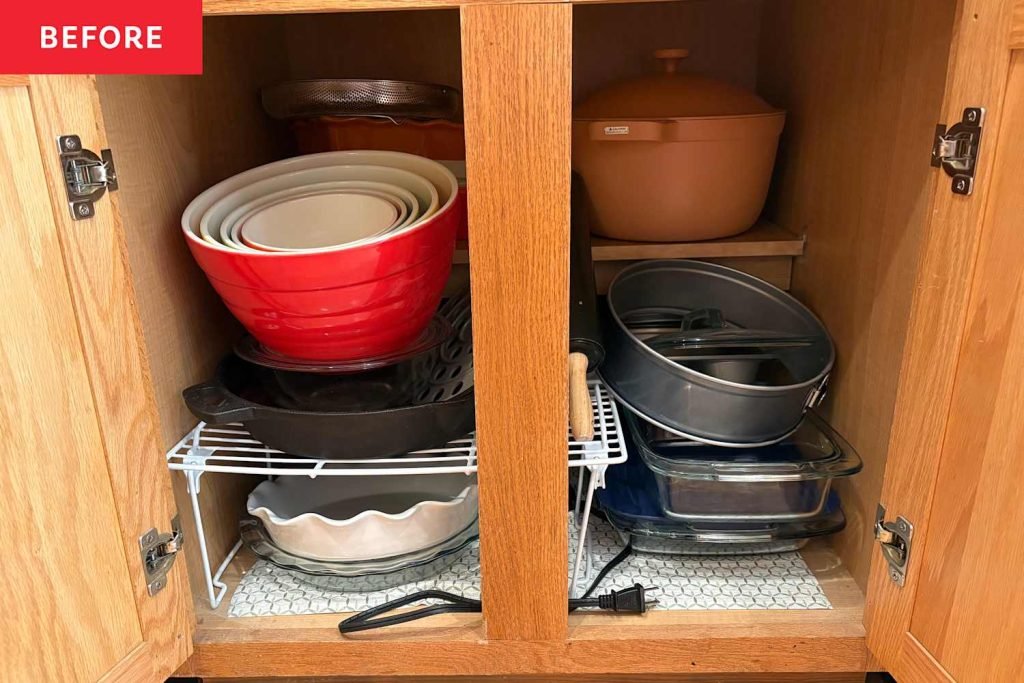
Maximizing cabinet space can transform your kitchen from a chaotic mess into a streamlined, efficient workspace. Imagine opening your cabinets to find all your tools neatly arranged and easily accessible. With a few clever strategies, you can make the most out of every inch of space in your kitchen cabinets.Install Pull-out Shelves
Pull-out shelves offer a practical solution for deep cabinets where items often get lost in the back. They allow you to see everything at once, without the need to rearrange half the cabinet to find what you need. By installing these shelves, you can easily access pots, pans, and even small appliances without straining or bending. Consider adding pull-out shelves in lower cabinets to store heavier items like your cast iron skillet or slow cooker. This not only protects your back but also keeps your tools in pristine condition. Have you ever struggled with reaching the back of your cabinet? This simple upgrade can make that struggle a thing of the past.Use Stackable Containers
Stackable containers can be a game-changer when it comes to organizing your kitchen tools. They allow you to make use of vertical space that often goes wasted. By stacking containers, you can store more items in a compact area, keeping your cabinets tidy and organized. Opt for clear containers so you can quickly identify the contents without opening each one. This is particularly useful for smaller kitchen tools like cookie cutters, measuring spoons, or baking utensils. Do you find yourself rummaging through a sea of mismatched lids and containers? Stackable solutions can help you maintain order and efficiency. These small changes can create a big impact in your kitchen, making meal prep more enjoyable and less time-consuming. Why not give them a try and see the difference they can make in your daily routine?Wall-mounted Storage Solutions
Organizing kitchen tools can transform your cooking space. Wall-mounted storage solutions are effective and stylish. They free up counter space and keep tools within reach. Use your kitchen walls to create a functional and neat area.
Pegboards For Easy Access
Pegboards are versatile for storing kitchen tools. They allow easy access to frequently used items. Hang pots, pans, and utensils on them. Customize the layout to fit your needs. Pegboards are affordable and simple to install. They add a modern touch to your kitchen.
Magnetic Strips For Knives
Magnetic strips are perfect for storing knives. They keep blades sharp and safe. Mount them on the wall for easy access. This method saves drawer space. It’s also visually appealing and keeps knives organized. Choose a strong strip to hold all your knives securely.

Credit: www.youtube.com
Label For Easy Identification
Labeling kitchen tools ensures easy identification and organization. Group similar items and use clear labels to avoid confusion. Efficient labeling saves time and reduces stress during meal preparation.
Labeling your kitchen tools is a game changer for maintaining order and efficiency. Imagine reaching into a drawer and finding exactly what you need without sifting through a jumble of utensils. This clarity not only saves time but also reduces stress, making cooking a more enjoyable experience.Choose The Right Labeling Material
Select materials that are durable and easy to read. Waterproof labels are ideal, especially for items that frequently come in contact with water. Consider using chalkboard labels for a customizable and stylish option.Use Clear And Concise Text
Keep your labels short and straightforward. Use a font size that is easy to read at a glance. Avoid complicated terms; stick to simple words like “Spatula” or “Whisk” that everyone in the household can understand.Color Code For Categories
Assign specific colors to different categories of tools. For instance, use green labels for baking items and blue for cooking utensils. This visual cue helps you quickly identify the right section of your kitchen.Label Inside And Outside
Place labels not just on the outer surface but also inside drawers or cabinets. This dual approach ensures that even when drawers are open, you can immediately spot what you need. It’s a small step that makes a big difference in maintaining order.Regularly Update Your Labels
As your collection of tools evolves, keep your labels up to date. Remove labels from items you no longer use and add new ones as needed. This practice keeps your kitchen organized and reflects your current cooking habits. Do you find yourself constantly searching for the right tool? With these simple labeling strategies, you can transform your kitchen into a well-organized and efficient space. Start today and experience the joy of a clutter-free cooking environment.Maintain Regular Decluttering
Regularly remove unused kitchen tools to free up space and maintain order. Keep only essentials for a tidy environment. Arrange items based on frequency of use for easy access.
Maintaining a clutter-free kitchen makes cooking enjoyable and efficient. Regular decluttering can help achieve this goal. It keeps your space tidy and your mind clear. This process involves evaluating kitchen tools and deciding what stays or goes. Consistent decluttering ensures a well-organized kitchen.Seasonal Clean-up
Consider a seasonal clean-up for your kitchen. Every few months, review your kitchen tools. Identify items that have gathered dust. Ask yourself if they are still needed. A quarterly review helps in managing space. It also ensures your tools remain functional.Donate Unused Items
Unused items take up valuable space. Instead of letting them sit, donate them. Many organizations accept kitchen tools. Donating helps others and clears your kitchen. It also provides a sense of satisfaction. A clutter-free kitchen is achievable with regular donations.Incorporate Smart Storage Hacks
Organizing kitchen tools can often feel like a daunting task, especially when space is limited. But you don’t have to settle for cluttered drawers and overflowing cabinets. By adding a few smart storage hacks, you can transform your kitchen into a functional and tidy space.
Lazy Susans For Corners
Have you ever struggled to reach a spice jar tucked away in the back of a corner cabinet? Lazy Susans can be your best friend in this situation. These rotating trays make it easy to access items, saving you from digging through clutter.
Simply place a Lazy Susan in a corner cabinet and organize your spices, sauces, or jars on it. With a quick spin, everything you need is right at your fingertips. It’s a simple yet effective solution to maximize those awkward corner spaces.
Tension Rods For Lid Storage
Lid storage can be a nightmare, with lids clattering every time you open a cupboard. Tension rods can solve this problem by creating a dedicated space for lids. Install a tension rod vertically or horizontally in a cabinet or drawer.
Slide lids between the rods to keep them upright and organized. This hack not only prevents the lids from falling but also frees up space for other kitchen essentials. Have you tried using tension rods to divide other items like cutting boards or baking sheets?
By implementing these storage hacks, you can make your kitchen more efficient and enjoyable to use. What creative storage solutions have you discovered in your kitchen journey?
Personalize Your Kitchen Setup
Organizing kitchen tools involves grouping similar items together for easy access. Use drawer dividers to separate utensils and gadgets. Hang pots and pans to save cabinet space and keep countertops clear.
Personalizing your kitchen setup is a game-changer. It transforms your cooking space into a functional and inviting hub. By tailoring your kitchen tools to match your unique needs, you create an environment that inspires creativity and efficiency.Adapt To Cooking Style
Consider how you cook most often. Are you a baker with a passion for pastries, or do you lean towards gourmet dinners? Your cooking style should dictate the tools you prioritize. If baking is your forte, keep your measuring cups, rolling pins, and mixers within easy reach. For those who love cooking meals, ensure your knives, pots, and pans are easily accessible. By aligning your tools with your cooking style, you streamline your workflow and enhance your culinary experiences.Consider Household Needs
Your kitchen should reflect the needs of everyone in your home. Do you have kids who love to help with cooking? Keep child-friendly tools like plastic measuring cups and small aprons handy. If your household is full of busy individuals, consider organizing quick-grab items like coffee makers and toasters in a designated breakfast zone. This not only promotes independence but also ensures everyone can find what they need without rummaging through drawers. When was the last time you reorganized your kitchen tools? A little personalization can make all the difference in transforming your cooking space into a more delightful and efficient area.Frequently Asked Questions
How To Organize Tools In A Kitchen?
Organize kitchen tools by grouping similar items. Use drawer dividers for utensils. Hang frequently used tools on hooks. Store pots and pans in cabinets with racks. Keep small gadgets in clear bins for easy access. Label containers to maintain order.
How Do I Decide Where To Put Things In My Kitchen?
Organize your kitchen by prioritizing accessibility. Keep frequently used items within easy reach. Group similar items together. Place heavy items on lower shelves and lighter ones higher. Ensure cooking essentials are near the stove. Utilize cabinets, drawers, and pantry space efficiently.
Adapt the layout based on your cooking habits.
What Are The 10 Kitchen Tools And Their Uses In Order?
1. Chef’s knife: Cuts and chops food. 2. Cutting board: Provides a safe chopping surface. 3. Mixing bowls: Holds ingredients while mixing. 4. Measuring cups: Measures liquid volumes accurately. 5. Measuring spoons: Measures dry ingredient quantities. 6. Whisk: Mixes and aerates ingredients.
7. Tongs: Grips and turns food items. 8. Peeler: Removes fruit and vegetable skins. 9. Grater: Shreds or zests foods. 10. Can opener: Opens cans effortlessly.
What Is The Proper Way To Arrange Utensils?
Arrange utensils from the outside in, based on usage. Forks on the left, knives and spoons on the right. Place the knife closest to the plate, blade facing inward. Dessert utensils go above the plate. Ensure handles align at the table edge for a tidy look.
Conclusion
A tidy kitchen makes cooking a pleasure. Organize tools to save time. Group similar items together. Keep often-used tools within easy reach. Use clear labels for easy access. Store bulky equipment smartly to maximize space. Regularly clean and declutter your kitchen.
Donate items you no longer need. A well-organized kitchen boosts efficiency. It also makes cooking more enjoyable. Start today and enjoy a clutter-free kitchen. Simple changes create a big impact. Feel more relaxed and prepared every time you cook. Your organized kitchen awaits.
Happy cooking!

I’m Abby Lu, a passionate home cook who loves simplifying everyday meals. At PlugChef.com, I share product reviews and cooking guides to help you find the best tools for your kitchen.
Related posts:
 What Type of Cooking Utensils are Safe: Expert Picks
 What Innovations Could Blenders Make: Unleashing Future Tech
 Smart Strategies to Organize a Small Kitchen: Maximize Space
 How to Organize a Kitchen Cabinet: Expert Tips & Tricks
 How to Organize Kitchen Drawers: Expert Tips and Tricks
 How to Organize a Corner Kitchen Cupboard: Expert Tips

